Natasha Lyonne is one of our most eccentric screen stars. She’s also one of our most eccentric interviews. Like her characters on Russian Doll and the forthcoming detective show Poker Face, the actress-filmmaker thinks and talks a mile a minute. That produces some, shall we say, very original thoughts, ones that only she could produce. Such as one in a new Rolling Stone profile about brains, you know, just chilling together while lifeless bodies smoke in bed.
The Orange is the New Black alum spoke with the publication’s Alan Sepinwall about her new series, in which she plays Charlie Cale, a cardsharp-turned-cocktail-waitress-turned-amateur sleuth whose superpower is she can always tell when people are lying. It teams her with a new king of the mystery format: Rian Johnson, who started Poker Face while he was doing post-production on Glass Onion. She met Johnson through his wife, You Must Remember This podcaster Karina Longworth — two very brainy people who know how to get stuff done. Talking about them prompted her to go off on quite the tangent.
“I think I have some sort of smart-people boner disease, just to seem as smart as I can in this moment,” Lyonne said. “I am very hot for very smart people. They really do it for me. I don’t want to possess their bodies. I want to possess their brains. I want to put their brains in a jar in a room. I want to take my brain out of my body, put it in its own jar. And then I want to sit in my bed like Ray Liotta in Hannibal, sit there with my skull just open, watching the brains play together and hang out while my brainless self sits in bed smoking cigarettes. That’s my fantasy, you see.”
It’s quite the image! Brains monkeying around together, Lyonne doing her best scalpless Liotta, a cigarette dangling from her mouth. There’s a good chance no one else has said anything remotely like these exact words.
Lyonne also talked about how her busy schedule leaves little free time. But she’s cool with working “to the bone,” as she puts it. “No life, no kids. It’s just me and Rootbeer,” she said, referring to her dog, a little Maltipoo.
Poker Face brings back the bygone mystery-of-the-week format of ‘70s shows like Columbo, McMillan & Wife, and Lanigan’s Rabbi. It’s not as self-contained as it was back in the day; apart from acquiring a Basset Hound early on in the series, then tending to him every now and then, Peter Falk’s Lt. Frank Columbo had no character arc, and each episode is its own discrete entity. This one has both a continuing story and a new murder every week.
Poker Face premieres on Peacock on January 23, and if it’s anything like this Rolling Stone interview, it’s going to be a corker.
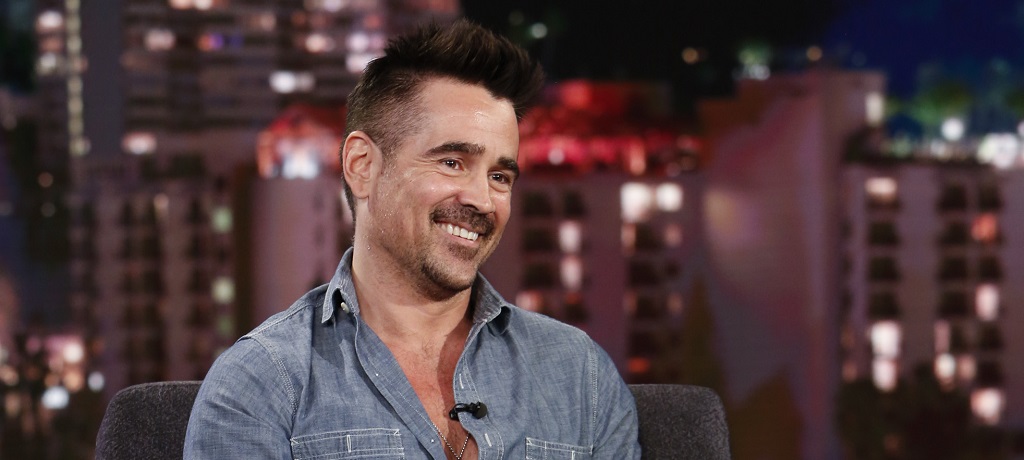
This year’s Golden Globes turned out to be a genuinely enjoyable production. We received a plentiful amount of Jennifer Coolidge. Jerrod Carmichael told some savage jokes that hit well. And the world has remembered the charming nature of Colin Ferrell. Yes, he was also recognized for his performance in Banshees Of Inisheren, but he endeared everyone and also delivered an update on an ailing former co-star.
In that light, one of this week’s Hollywood Reporter roundtables is worth revisiting, and it’s also got some lovely words from both Brendan Fraser and Adam Sandler, both of whom were not at the ceremony (and Fraser had a very good reason). While speaking with Hollywood Reporter, here’s what they each said about their favorite career advice that they ever received:
FARRELL Before I did my first American film, Pierce Brosnan got me in a bear hug, picked me up and said, “Keep being bold.” I don’t know that he knew that I was bold, but it was a lovely thing to hear.
SANDLER A lot of the guys I’ve worked with over the years, older actors and actresses, like to say before we move on from a setup, “Let’s go one more and see what happens. We’re here, it’s set up, let’s go one more.” Sometimes you land on something you weren’t expecting.
FRASER Ian McKellen [Fraser’s co-star in Gods and Monsters] said, “Approach each role as if it’s the first and the last time you will act,” and that’s stayed with me.
Even though I am mildly disappointed that the best advice for both Sandler and Fraser didn’t come from each other while working on Airheads, this will do. I think I most enjoy the advice that Sandler received, but Farrell is (as the kids say) having an (arguably overdue) moment. Let him run with it.
There’s never been a better time to invest in whiskey than right now. In fact, whiskey has officially become a better investment than cars, watches, and art. Seriously. But whiskey isn’t something you can call up a broker and just trade .. yet. It’s a lot more complicated than that. We’re here to help.
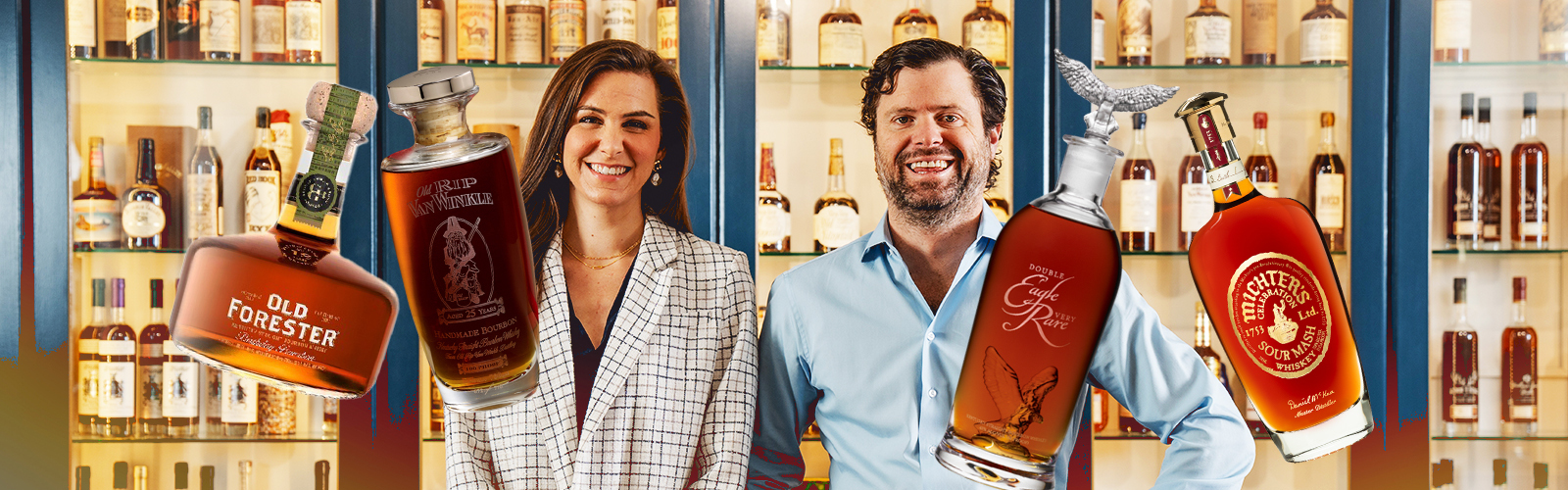
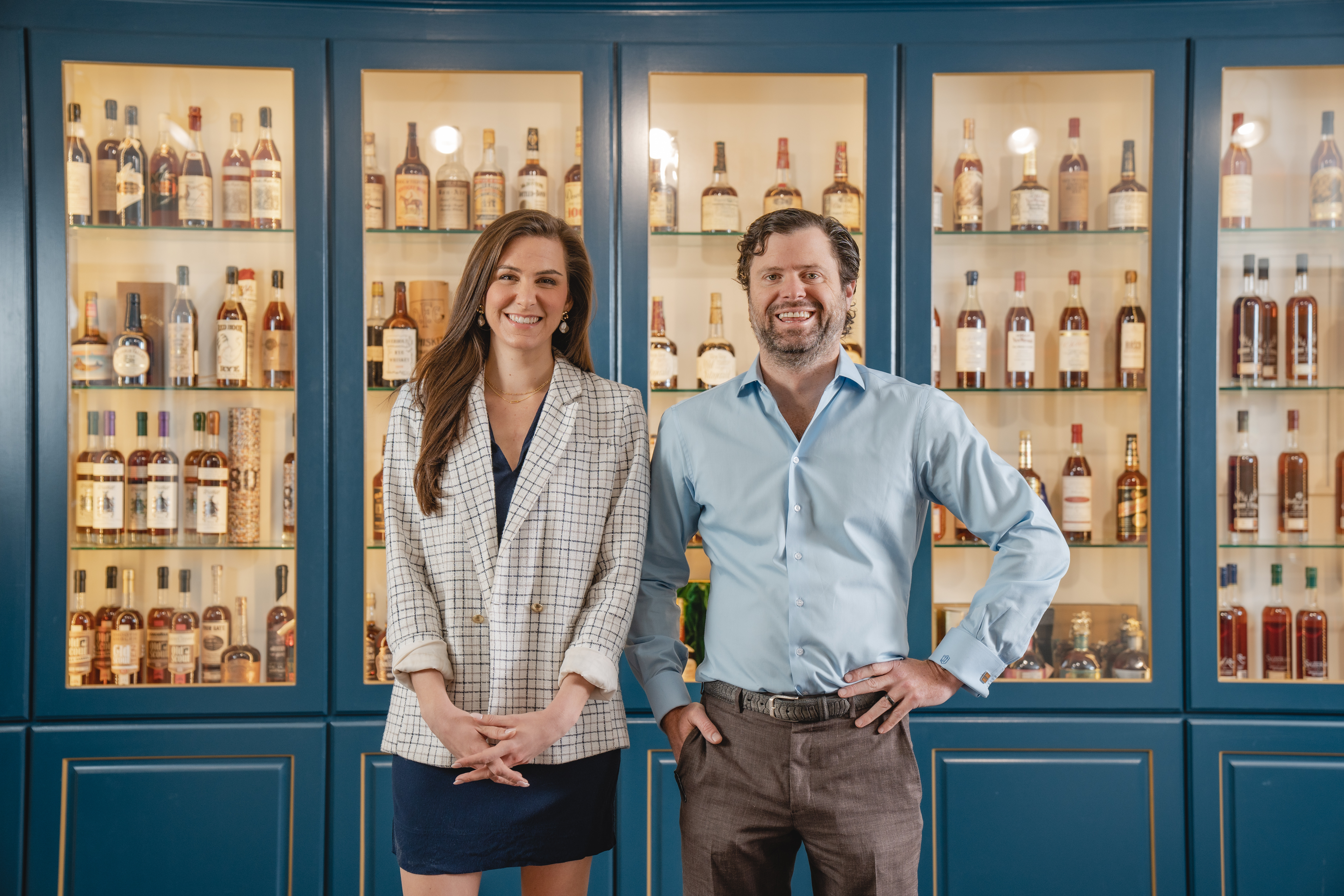
To help parse some of the grey areas of whiskey investing and how we got here, we reached out to two bona fide whiskey investing experts, Justin Thomspon and Caroline Paulus. Thompson is the co-founder and co-owner of Justins’ House of Bourbon in Louisville and Lexington, Kentucky — one of the only legal shops where you can buy investment-level, ultra-rare, and tightly-allocated bottles of whiskey. Thompson has been working in rare and collectible whiskey investing for over a decade now. Paulus works at Justins’ as their in-house Whiskey Historian, making her a leading expert on vintage and rare whiskey in general.
Both Thompson and Paulus were kind enough to jump on a call and talk about how bourbon became such a massive win for investors while also touching on how to get into the game, which bottles to look out for, and which mistakes they see people make when buying investment bottles. It’s a deep dive that’ll give you real-world tips about investing in whiskey in 2023 — yes, we name-check bottles to buy. And if this whets your appetite, make sure to hit up Justins’ House of Bourbon the next time you’re in Kentucky or online to start your own investment journey in bourbon.
Also Read: The Top 5 UPROXX Bourbon Posts Of The Last Six Months
First, can you take us back and touch on how all of this got started?
Justin Thompson: I don’t think you can ignore what’s happened in the wine and Scotch market. There’s been a secondary market for the best or what’s perceived as the best wine for centuries. And then there’s been a pretty healthy auction and secondary market for scotch. Now, bourbon has marketed itself with a value compared to scotch, and a more versatile ingredient compared to scotch. So it was always going to get to the point where American whiskey was going to have that moment. That’s why I don’t believe it’s much of a bubble as some people think it is because of the sustainability of what we’ve seen in the wine and the Scotch market for decades.
But there was tremendous growth in bourbon. This is what makes these things valuable, the supply and demand of them. Bourbon folks really started to invest in the trendsetting markets, New York, San Francisco, LA, Chicago, and it started taking hold there during the cocktail renaissance. And that snowballed to folks seeking out bottles on their own.
Then you can’t discount what the Pappy Van Winkle brand did and how it was marketed with a shoestring of a budget — if you even want to call that a budget — that they had. But it got recognition domestically and internationally for just being exceptional products and kind of broke down a lot of barriers or stereotypes that some folks had about the bourbon market in relation to it being a true super-premium spirit area.
Which bottle was the first to really break through?
Justin: The bottle that I believe started this whole secondary craze for bourbon was the Pappy 23 Decanter back in 2009. I remember seeing that on the shelf and it was $400 and I was like, “Man, there it is.” Long story short, we probably would’ve bought it and gotten into it the second we got in the car. But at that point, the guy I was with said, “Man, do you think this is as good as buying 10 Pappy 15s?” You could have got a Pappy 15 for 50 bucks-ish back then. And I was like, “Probably not, man.” So I think I bought a 15, and he bought a Lot B {Pappy 12 year}.
Then I think about two months later I saw those Pappy Decanters selling on Craigslist. I was like, “Man, these things are selling on Craigslist for like 1,500 bucks. Can you believe that?” And here we are today where they’ll sell for close to $30,000.
It happened in a short span of time, I guess. But when the growth of bourbon started to take off, they finally figured out how to crack the coolness code in the trendsetting markets. Still, I think it was just the right time for bourbon.
So there was a shift from average to superior in the thinking from the producers, really, that pushed premium products as well?
Justin: To their credit, they started marketing and showcasing some of their best barrels and blends to the consumers and having the belief in that if you put out a superior product to those consumers, you would start to gain more of a following. So instead of the workhorse working man’s brand that they started as, they started doing these special releases to showcase what their base product could do under double the aging or double the barreling or whatever they had. So that’s kind of how I believe in the last 15 years, how we’ve gotten where we’re at today. I don’t know, Caroline, anything to add to that?
Okay, that’s how it all started. How did it grow so fast though?
Justin: There was this phenomenon that I don’t think the scotch or the wine industry experienced in the same way back in the day. Social media definitely enabled the secondary market to grow for bourbon in a unique way.
There are people that had no interest in bourbon until they heard their buddy bought a bottle for $50 and then sold it in the parking lot that night of the Walmart for $500. So that’s a pretty good deal. Anybody can have a $50 bill in their pocket to make $500. But not everybody’s got $500 in their pocket to make $550. So there was a period that brought a lot of new enthusiasts, if you will, to the table. And that is a strong force that no one can resist that’s an arbitrage where that almost would be almost criminal on Wall Street … almost.
So finally, the retailers caught up to it and do some work to stem that from happening now. The brand’s thinking, on the other hand, is still status quo so to speak. You know, a lot of these brands are still run by teams that’ve seen the ups and downs of bourbon over decades and aren’t as willing to change. So all of this, I do think, helps the status of certain brands.
We’ve seen this exact pattern in other collectibles. Nike has definitely seen a boost in sales by having these shoe boutiques open up all over in New York City or London that are selling secondary Jordans and Air Force Ones and whatever. There was an article in the Wall Street Journal recently talking about how Nike was going to cut down on the bots people use that have gamed their system to acquire more shoes. But then at the same time, it’s a weird paradigm because they rely on those people to lift the awareness of the brand. And that same thing is happening in bourbon.
So let’s shift a little and talk about actually getting bottles. You have one of the best-known legal avenues to buy allocated and vintage bottles. How do you look at what price goes on which bottle? How much does “MSRP” come into play since today there are bottles that are released at $500 or $1,000 without the secondary markup?
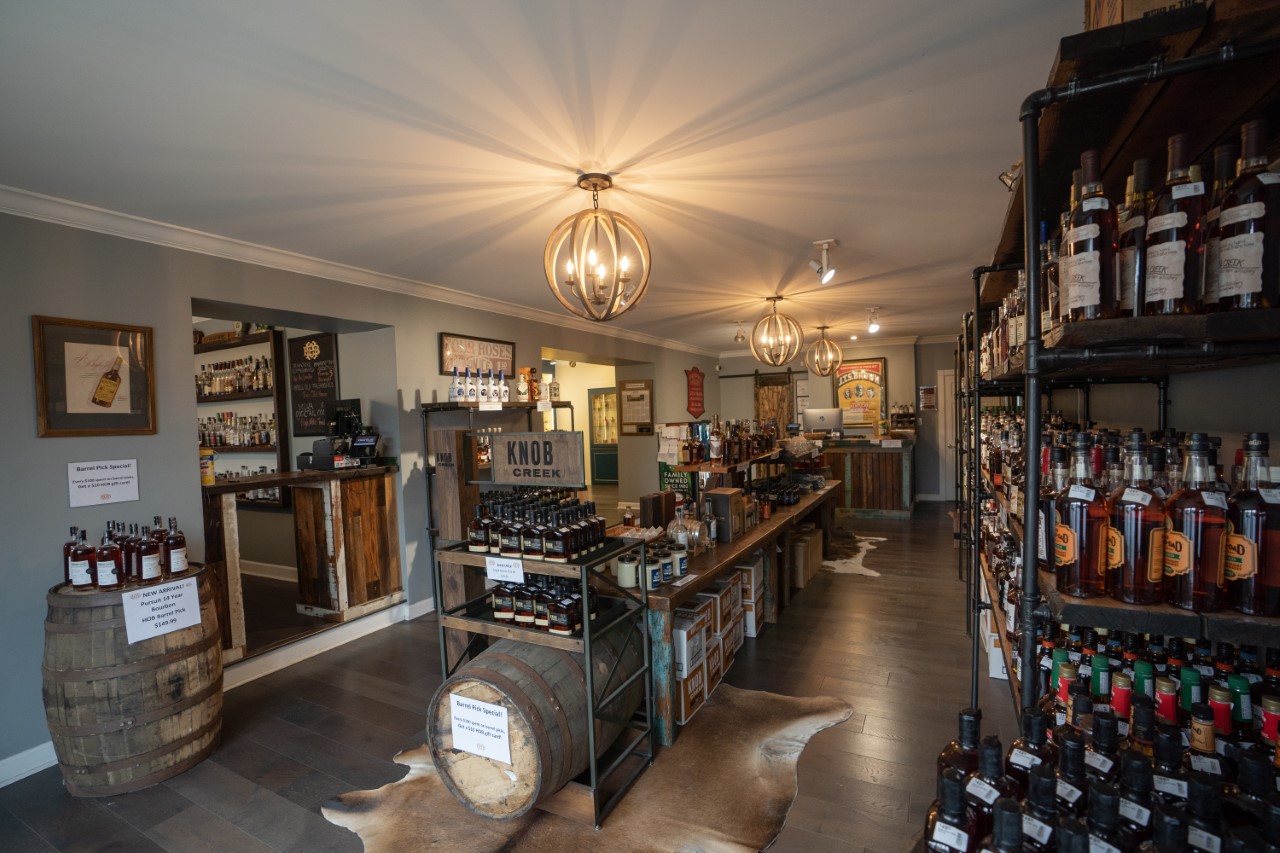
Caroline Paulus: We’ve got two sides of the store here. On one side you’ll find all the MSRP bottles, some limited releases that we’ll get from smaller brands, some just normal Maker’s Mark or what have you. And then the other side of our shop, which is definitely the more collectible side, those are going to be the bottles that we have to pay above retail to bring in. So that just varies. It is interesting to see some of the newer brands putting out those $500 MSRP releases. Some get snapped up and some sit a little bit longer.
Which ones have been successful at that price point?
Caroline: Some brands have shot for the moon in terms of pricing. But some of those do go pretty quickly like the Rabbit Hole Raceking and the Chicken Cock Chanticleer. Barrell Craft Spirits has those silver label expressions and they’ve been very popular.
Which brands/bottles have you seen maintain value, decline, or increase?
Justin: Colonel E.H. Taylor bottles have been very resilient, especially the limited releases. The first one is the 18-year Marriage expression and the Warehouse C Tornado Surviving, those skyrocketed. They’ve come back down a little bit but they’re still higher than what they were previously to the COVID. So we have another period of uncertain economic times ahead of us. I’m sure others will come down a little bit.
Doesn’t that make it a good time to buy?
Justin: Some people will panic sell and uninformed investors always seem to unload at the wrong time. So I think you’ll see more whiskey for a short period — the next two to three months — come available and I think it’s a great time to buy. I think this is the time when the sharp investors will be looking at not only stocks but these types of items. So, yeah man, I think it’s a great time to have your eyes open looking for whiskey to buy.
If you just look at what these types of bottles have done over the last 15 years, it’s an incredible growth chart that I don’t think the stock market can even hold a candle up to it. And I think there are still going to be opportunities. We talk about supply demand, some of this demand is getting out there. There are other companies coming online with their own stuff and special stuff and that’s part of it, but we’re still on the tip of the iceberg of really getting the supply of whiskey out there.
There’s not enough to go around now is the feel of it.
Justin: I don’t ever see these rare bottles ever being oversupplied. Your Batch 23s, your Buffalo Trace Antique Collections, your special Michter’s releases, Formosa releases. I just don’t think anyone’s prepared to release hundreds or thousands of cases of these rare whiskeys consistently anytime soon.
How does somebody get into this (without having to sell bottles in a Walmart parking lot)?
Justin: I think there are just three opportunities for folks to obviously be a part of the investment side of it. Either it’s kind of part of your DNA if you’re a part-time stock trader and manage a portion of your portfolio with whiskey; or you educate yourself with it and you look for arbitrage and you put a lot of time into it and you look for those opportunities, whether it’s on secondary or releases from the store; or you trust someone to curate a collection for you and you pay a premium. But in that case, you’re not so worried about getting out of that in six months because you’re going to hold it for what I would say should be at least two years or longer. Or it’s a blend of these things and you trust your palate.
How does your palate come into play?
Justin: There are so many times I’ve heard folks say, “Well, I’ve never heard of that.” And I’m like, “Well yeah, but it’s really good and I’m going to tell you once the word gets out, then it’s going to be harder to find and the price is probably going to drive up to whatever the market says it is.” So actually do participate in the fun part of tasting the stuff.
If you have a hobby where you like trying different whiskeys and experimenting and you trust your palette, you just believe it, “Hey this is really good.” It might be something that’s either Kentucky only or only in one particular market or a newer brand that’s getting ready to branch out or it’s a release that maybe not everybody knows about and you just trust your palette and know what tastes good. You should probably buy those bottles and save a couple of them for down the road.
Sometimes when you taste things, you know instantly. Look at what happened with Smooth Ambler. A lot of people didn’t understand that MGP of Indiana can make beautiful whiskey and it took years before those 10 and 12-year-old bottles to sell. They were begging people to buy them for $50 after the Pappy craze popped off. And you couldn’t find Pappu 12 or Weller 12 on the shelf anymore. But you could find Smooth Ambler 12-year-old.
I hear people say it, man. “Oh, that’s MGP. I’m not going to buy that.” And people didn’t know until all of a sudden all those bottles are going for $500 or $1,000 and all of a sudden those same people that look down on it, they’re out there looking for. And that was this great whiskey that the people I knew — who knew good whiskey when they tasted it — bought by the cases and still had them.
Bulliet had a similar thing happen recently too, with their single barrels?
Justin: Yeah man, those Bulleit single barrels that came out a couple of years ago. You’re talking about 10 to 12-year-old Kentucky Bourbon at 104 proof that you could get for $59.99. But a lot of people just skipped them because it said “Bulleit” on it and Bulleit doesn’t have a reputation for being something that’s super allocated. You can’t make a quick dime or a long dime on them so people just kind of faded them. And the people who bought them were just people who just like really good whiskey.
Justins
Those were delicious. Let’s wrap up by looking at the mistakes you see people gravitate toward when they walk into a place like Justins’ looking for good whiskey to buy.
Caroline: I wouldn’t feel good letting somebody make a mistake. But I think that the mistake that I do see people make is looking for that “perfect bottle” all around — where it’s a steal and it’s something they love and it’s something that they think they’re going to make money on. But you kind of have to separate all of that in your head. If you’re looking at it as an investment, as a long-term thing, you’re going to want something that’s going to hold the value, something vintage. If you’re looking for that steal that tastes great, you have to move to that barrel pick from the side that Justin was just talking about. We sold hundreds of those Bulleit bottles. Those people would call us back asking for more and, well, it’s gone. So I think the only mistake that I would say would be trying to get everything all in one bottle. I think you have to diversify a little bit.
Justin: I think really big because I always say whatever makes people happy, then they’re doing the right thing. Because some people want these to show off. Some people want something nobody else really has. They’re, “Okay, Pappy Van Winkle, great, but I’m over that. What else is out there that’s even harder to find or even more expensive or has more complexity in the taste?”
But I’ll say the only time there’s a mistake is when they ask, “Hey, what would you buy?” And we will put that thinking cap on and we have a sense of what their budget is and we’ll say, “Hey, you want this one hard-to-find bottle, which is great, but this other bottle over here is just as good.” In fact, it’s a little bit older or a little more complex or it’s not as well known. And whether it’s the same price or maybe even cheaper, they still have a hard time not going with their “Old Faithful.” They have a hard time diversifying or letting go of that one thing now. But the thing is, I can’t say it’s a mistake because it’s making them happy. That’s the thing. That’s their go-to thing.
What do you tell people to trust when making that whiskey investment?
Justin: The most beneficial thing I think when making an investment is trusting your palate or having someone you can trust to curate for you. And it’s fun to have the stuff that everybody has, but sometimes you got to take a risk. And I think that goes if you’re investing in stocks or any other traditional investments too to get the big return. Sometimes you got to buy it before the masses know about it. And sometimes that’s risky. Sometimes that’ll pay off big. And if it doesn’t, well then hopefully you’ve still got a great bottle of whiskey that’s interesting to drink.
English rock guitarist Jeff Beck, who is often hailed as one of the great guitarists of the genre for his work throughout the ’60s and ’70s with various bands including the Yardbirds and Beck, Bogert & Appice, has died at the age of 78, according to a statement from his representation given to Variety. It reads, “On behalf of his family, it is with deep and profound sadness that we share the news of Jeff Beck’s passing. After suddenly contracting bacterial meningitis, he peacefully passed away yesterday (January 10). His family ask for privacy while they process this tremendous loss.”
Beck had most recently released 18, a collaborative album with Johnny Depp, in July 2022, completing a tour for the album that year. Throughout his career, he won six Grammy Awards for Best Rock Instrumental Performance, as well as one for Best Pop Instrumental Performance. He was inducted into the Rock and Roll Hall of Fame both as a solo artist and as a member of the Yardbirds. After leaving the ‘Birds in 1967, he formed the Jeff Beck Group with Rod Stewart on vocals, producing two albums and a handful of hits before breaking up in 1969.
In the ’70s, along with bassist Tim Bogert and drummer Carmine Appice, he formed Beck, Bogert & Appice, and over the past few decades, Beck shifted to playing mainly instrumental music and continued releasing albums right up until last year. He was given a pair of honorary degrees from British universities and was credited with popularizing the use of feedback and distortion as an effect in rock guitar techniques. He’s survived by a wife, Sandra Cash, whom he married in 2005.
Jeff Beck is a Warner Music artist. Uproxx is an independent subsidiary of Warner Music Group.
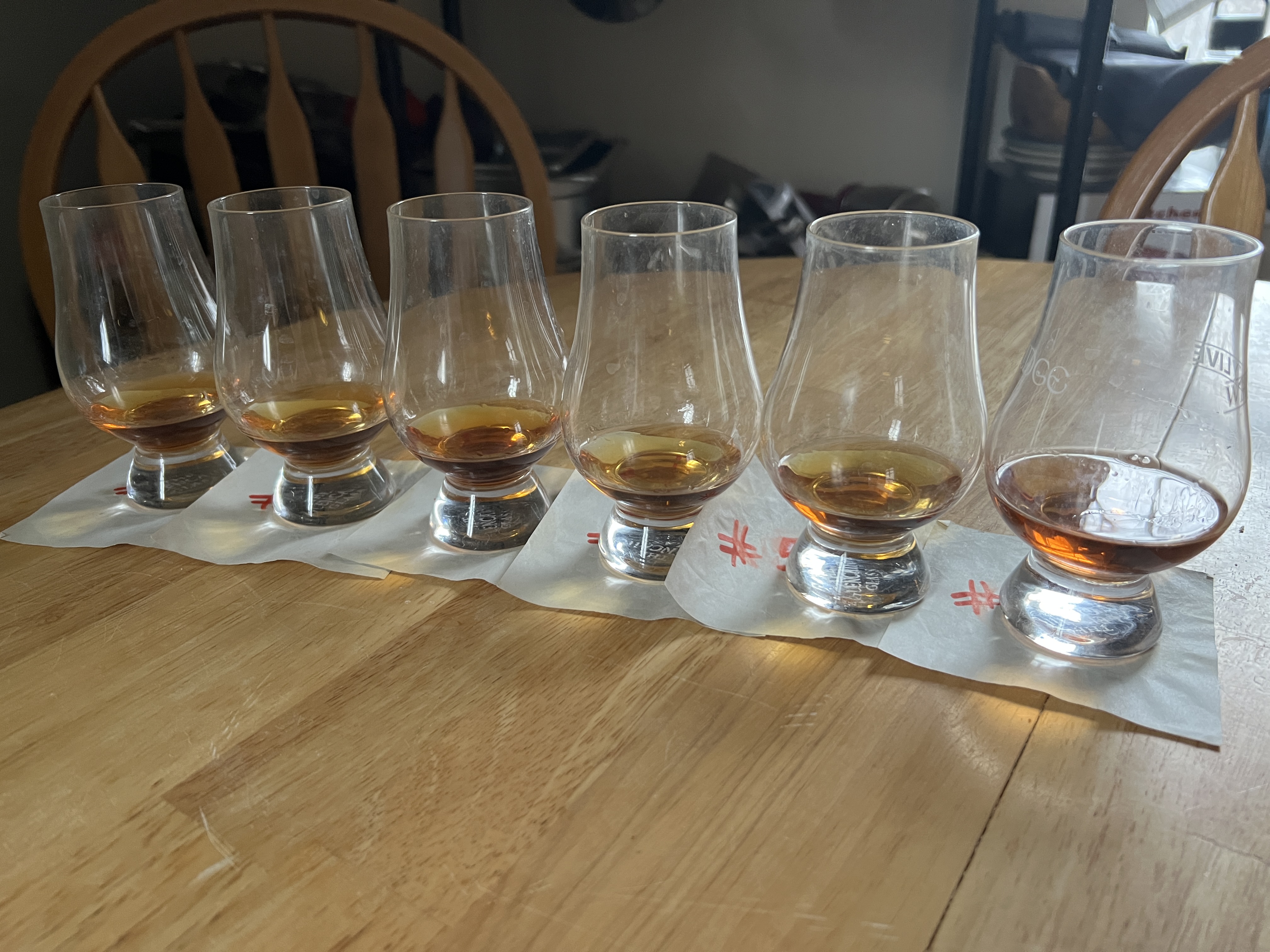
It’s always cognac time. The grape spirit from France has a depth to it that works wonderfully when you’re snuggled next to a crackling fire under a pile of blankets. It’s versatile, often sweet, and full of dark woody depth. All of that is to say that it’s time for a cognac blind taste test!
A note before we start: All cognac is brandy but not all brandy is cognac. The grape-fueled spirit has to be made in Cognac, France to be called “cognac.” Even other brandies from France cannot be called “cognac” unless they’re made there. That’s where you get varieties like “armagnac” (another regional designation of brandy) and the like. At the end of the day, we’re still talking about a variety of brandy from France. There are other rules (double distilling in copper pot stills, two years of aging, etc.), but we don’t need to get bogged down in the minutiae right now. We’re just here to find a tasty one to drink!
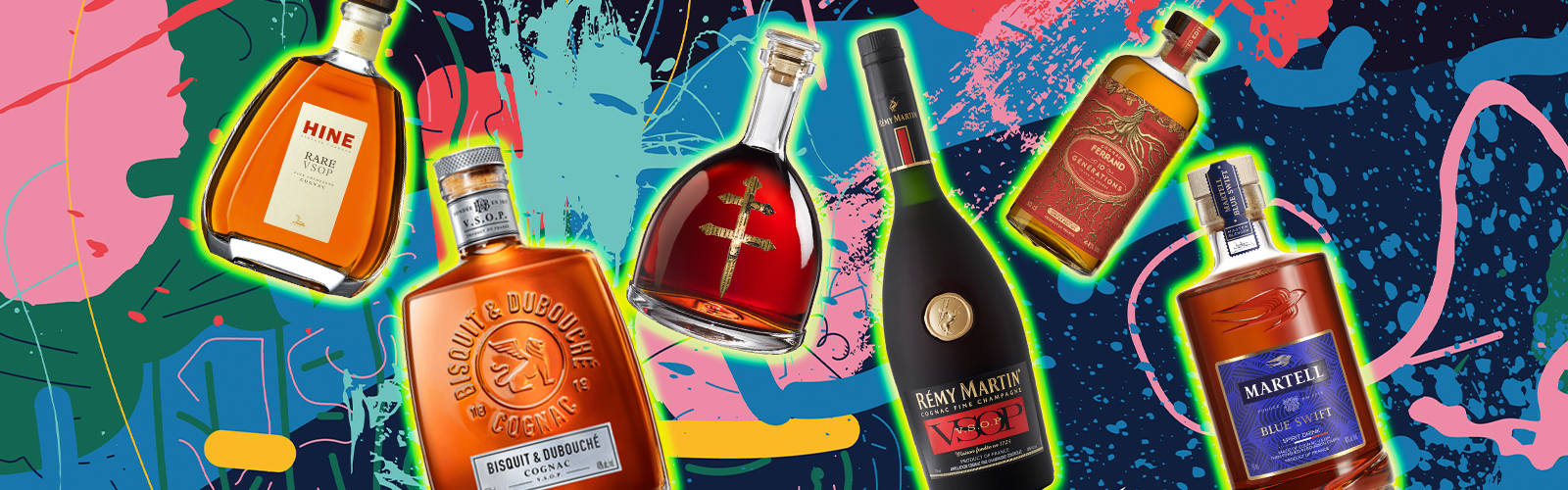
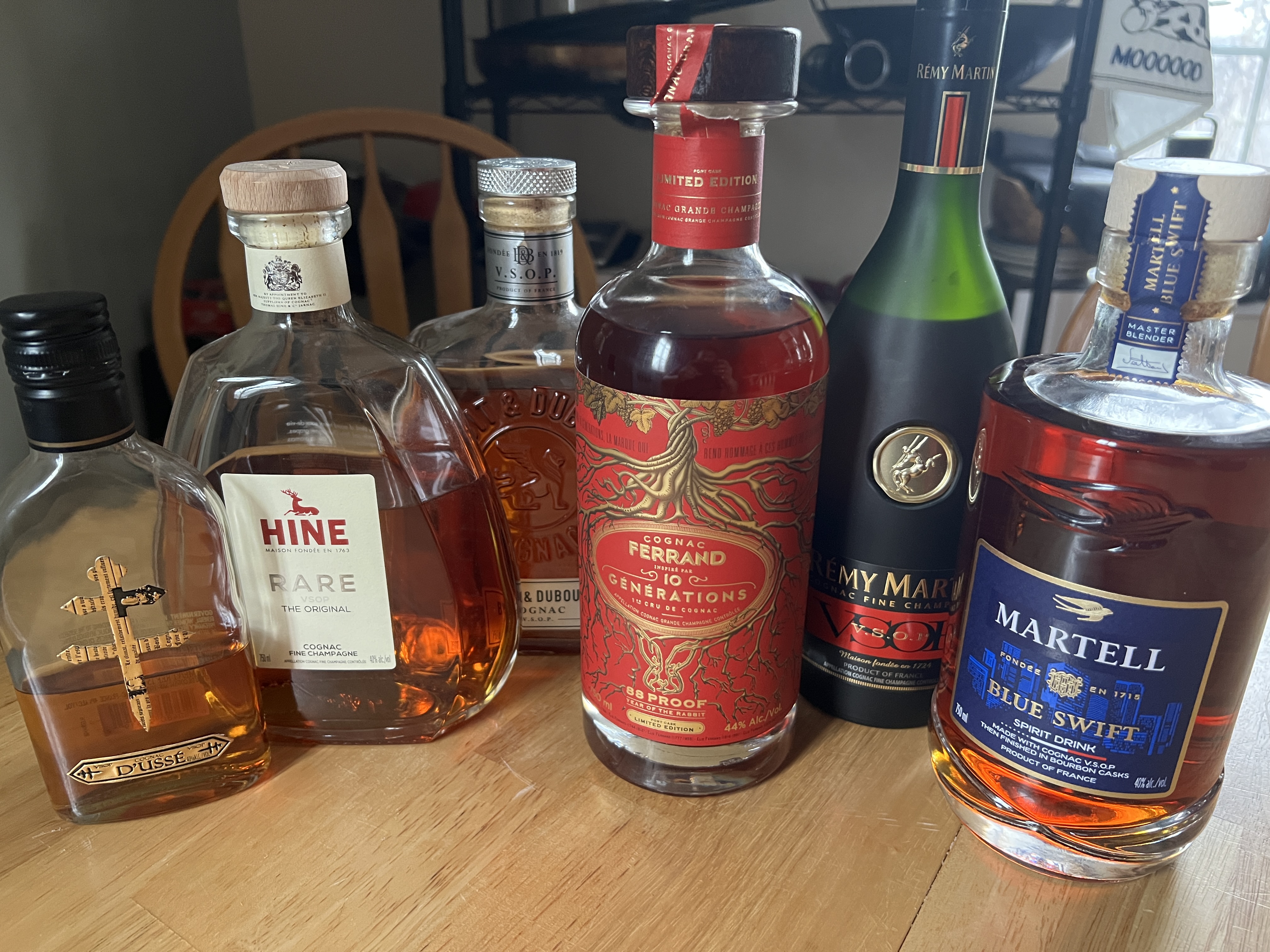
Our lineup today is the following bottles:
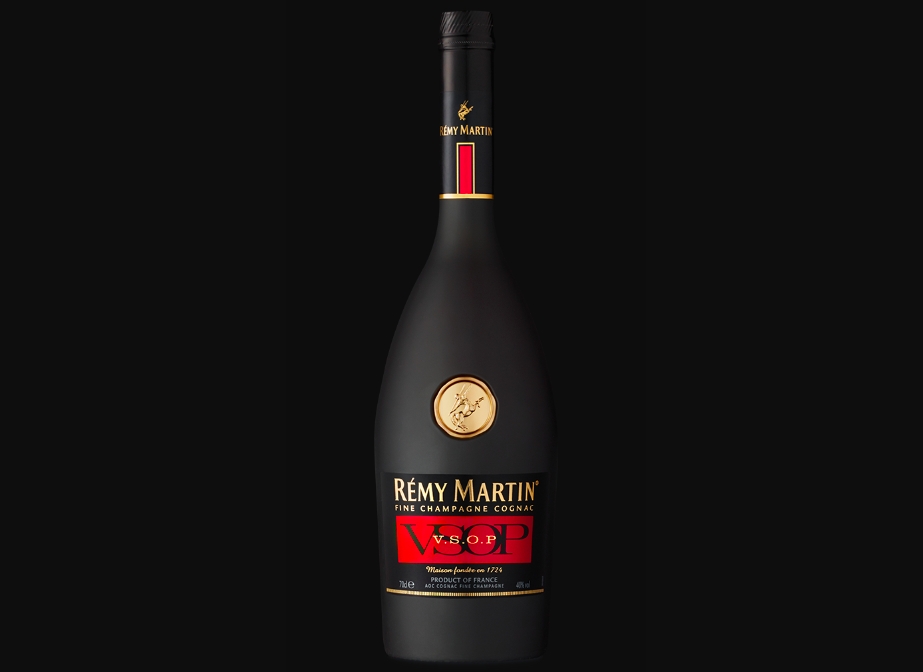
Rémy Martin Cognac Fine Champagne VSOP
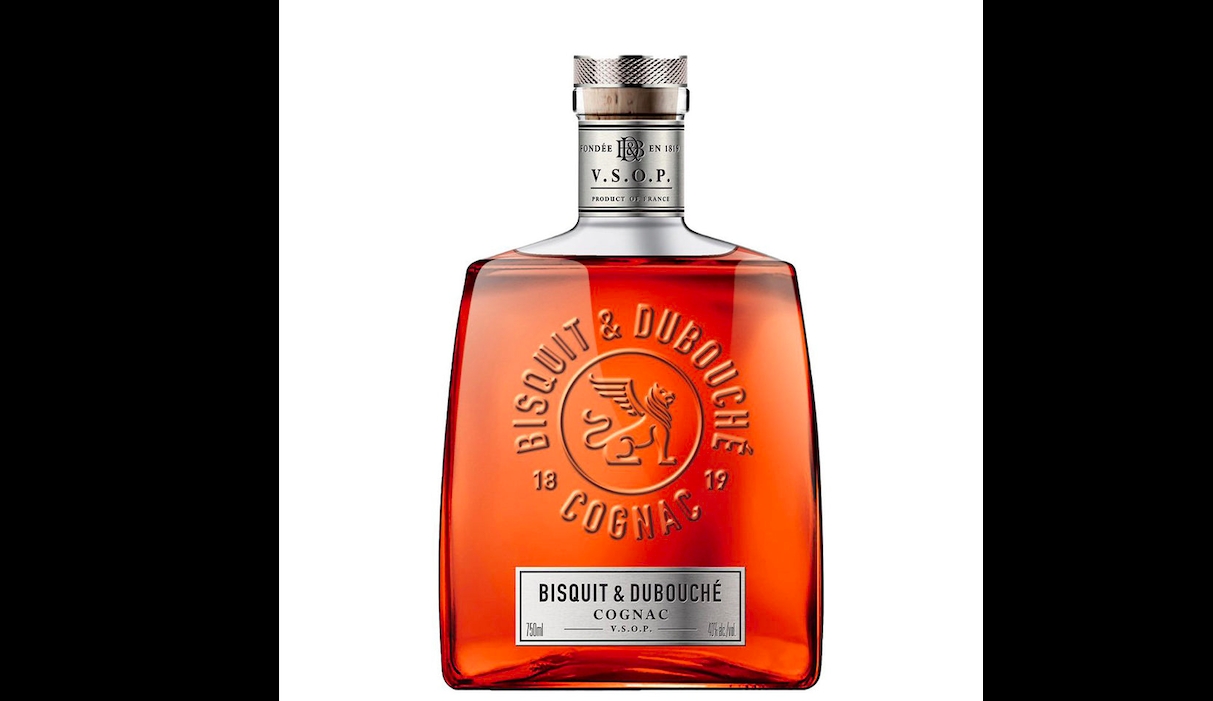
Bisquit & Dubouché Cognac VSOP
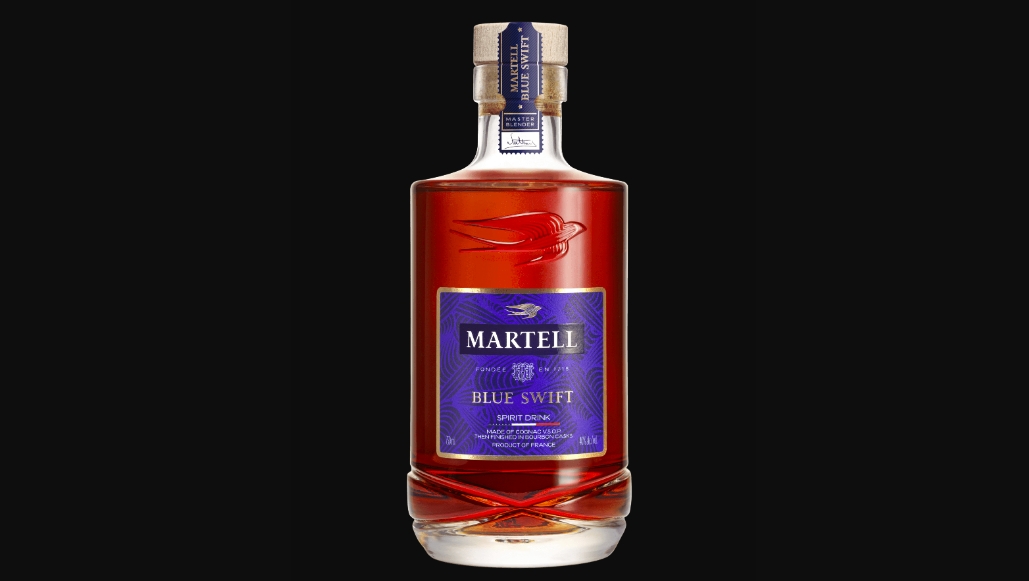
Martell Blue Swift “Spirit Drink” Made with Cognac VSOP Finished in Bourbon Casks
Hine Rare VSOP The Original
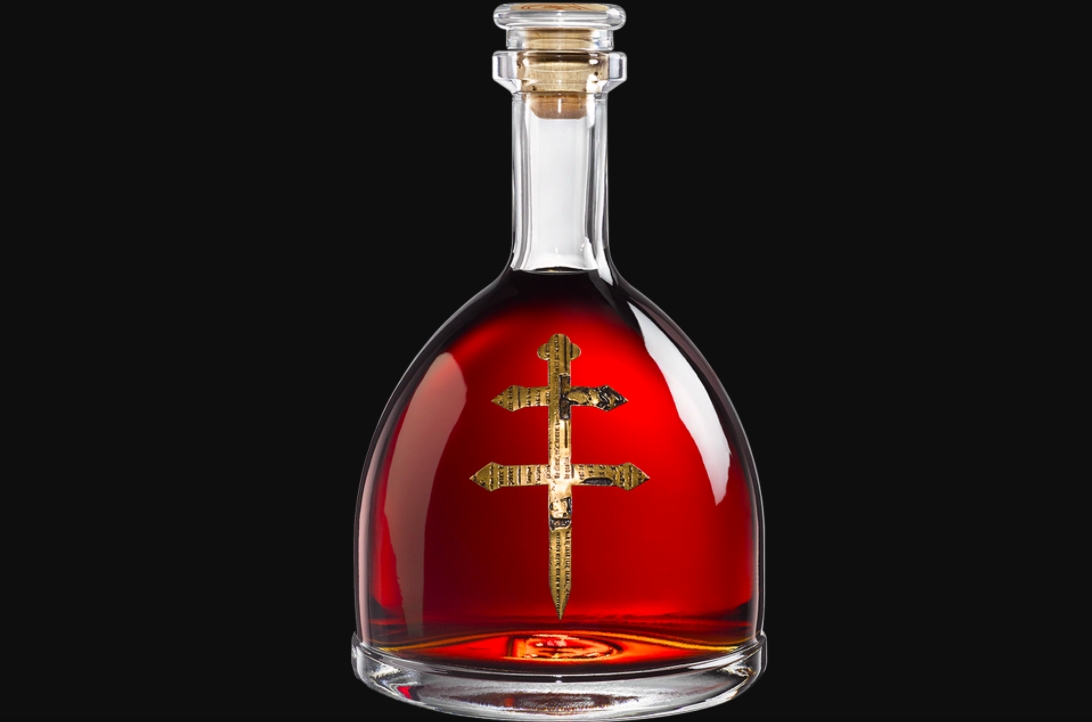
Cognac D’Ussé VSOP
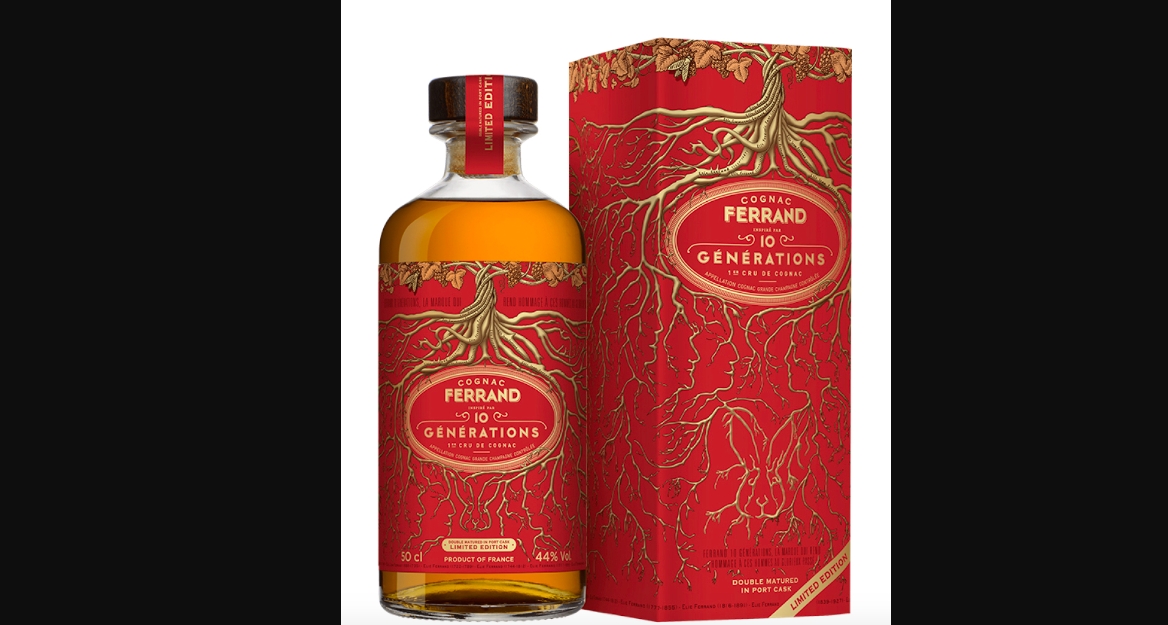
Cognac Ferrand 10 Générations Year of the Rabbit Port Cask Limited Edition
The above bottles are all pretty goddamn good. They also all are mid-range choices — priced between $50 and $70 — that you should be able to find fairly easily. This isn’t about one-off 100-year-old bottles that you can only find at one whiskey bar or hidden behind the register at a high-end liquor store. This is about the bottles that you can actually try too.
As for the ranking, this is based on taste alone. Cognac tends to lean toward the dark and sweet fruits with a sense of leathery oak aging and hints of wintry spice layered in. In short — if you like a fine bourbon, you’re likely to really like cognac, too.
Okay, let’s dive in!
Also Read: The Top 5 UPROXX Blind Taste Test Posts Of The Last Six Months
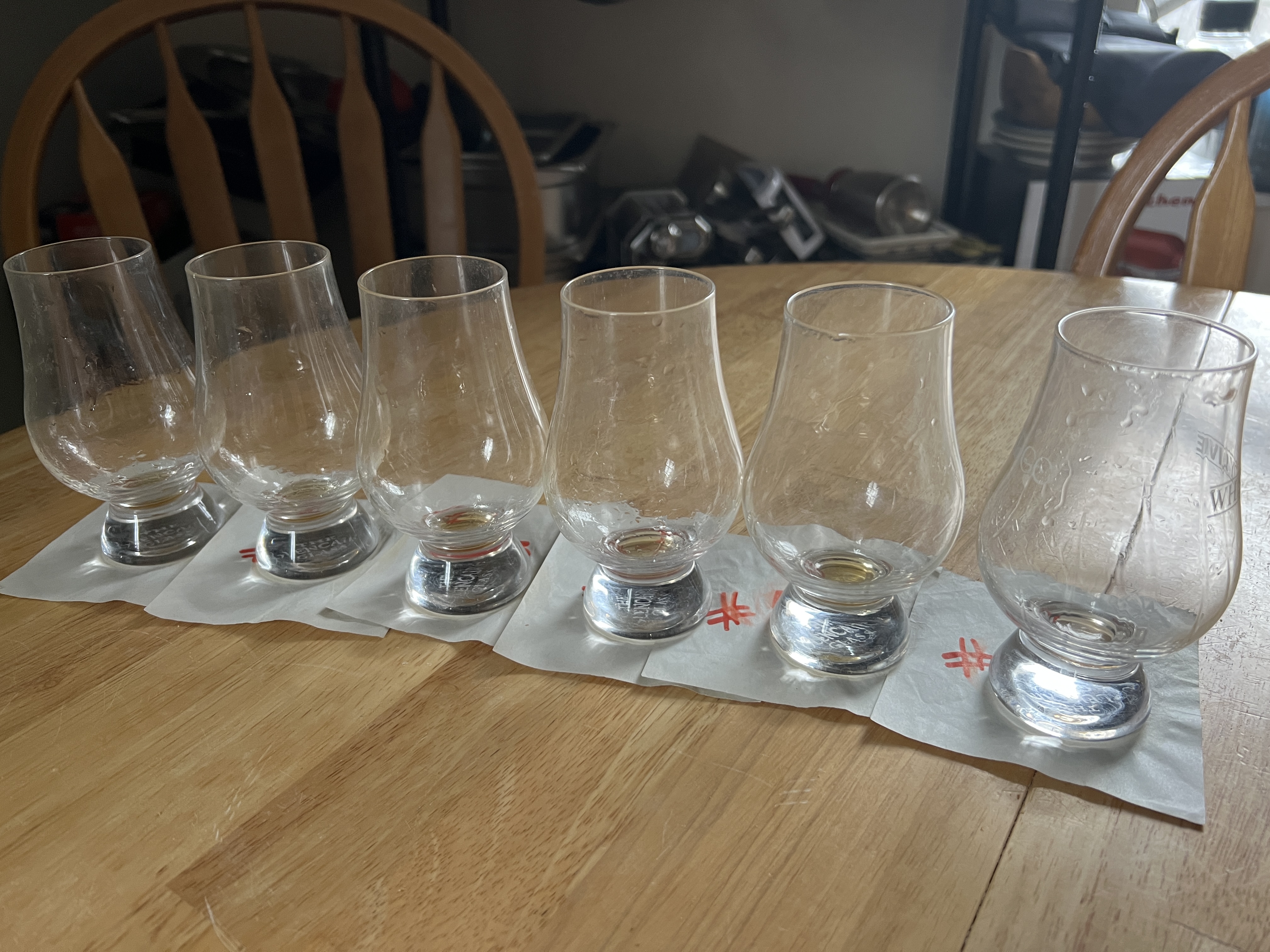
Nose: The nose is balanced between soft florals and a rich nuttiness with echoes of old oak and mashed berries on a hot day.
Palate: The palate feels classic with bright, sweet, and tart fruit mixing with dry woody spice, a touch of leather, and sweet vanilla.
Finish: The end is short and sweet with a fruit/nut/vanilla vibe that leans into a dark and sweet cherry finish.
Initial Thoughts:
This feels pretty quintessential. There’s a touch of roughness on the mid-palate but that cherry finish more than makes up for it.
Taste 2
Zach Johnston
Tasting Notes:
Nose: Hints of tannic oak mingle with vanilla candies and a dash of winter spice in a plum jam on the nose.
Palate: A twinge of dried roses leads the palate as layers of orchard fruit skins mix with apricot jam, woody cinnamon sticks, and a hint of sour cherry.
Finish: A minor note of salt arrives to counter that sour cherry late as gooseberries and warming spices round out the lighter finish.
Initial Thoughts:
This was pretty good too. The overall profile was strong but it ended a little lighter/thinner than I wanted.
Taste 3
Zach Johnston
Tasting Notes:
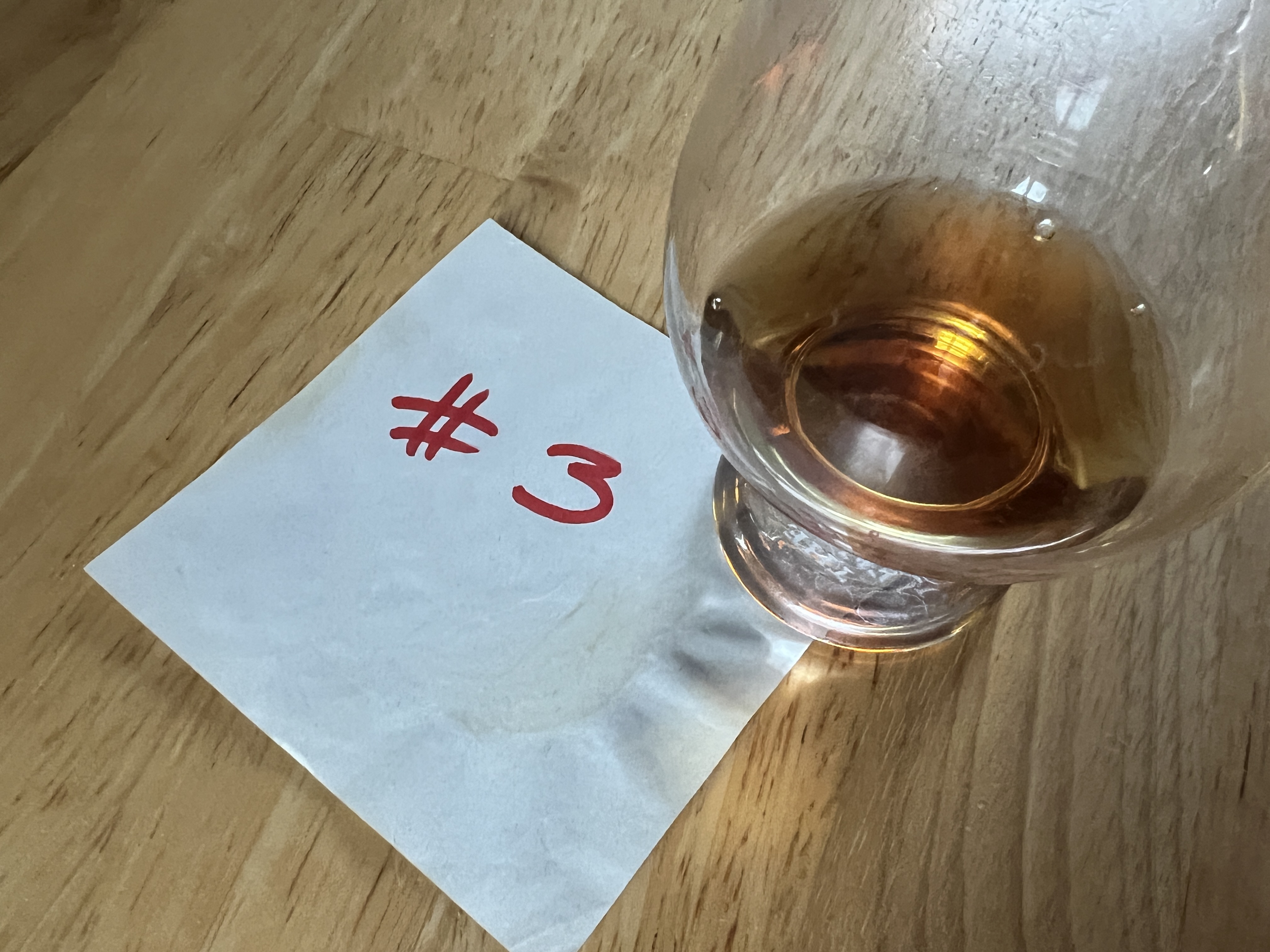
Nose: There’s a sense of stewed apples with cinnamon sugar next to gingerbread and vanilla cake with a fresh almost pine resin darkness next to plump raisins and roasted almonds.
Palate: The palate has a sense of orange soda and ginger candy with hints of vanilla tobacco and maybe a twinge of old oak.
Finish: The end is creamy with a feel of vanilla tobacco wrapped up in cedar bark but ends very abruptly with a touch of proofing and thinness.
Initial Thoughts:
This nails the nose but stumbles on the finish. It just fades out into blankness.
Taste 4
Zach Johnston
Tasting Notes:
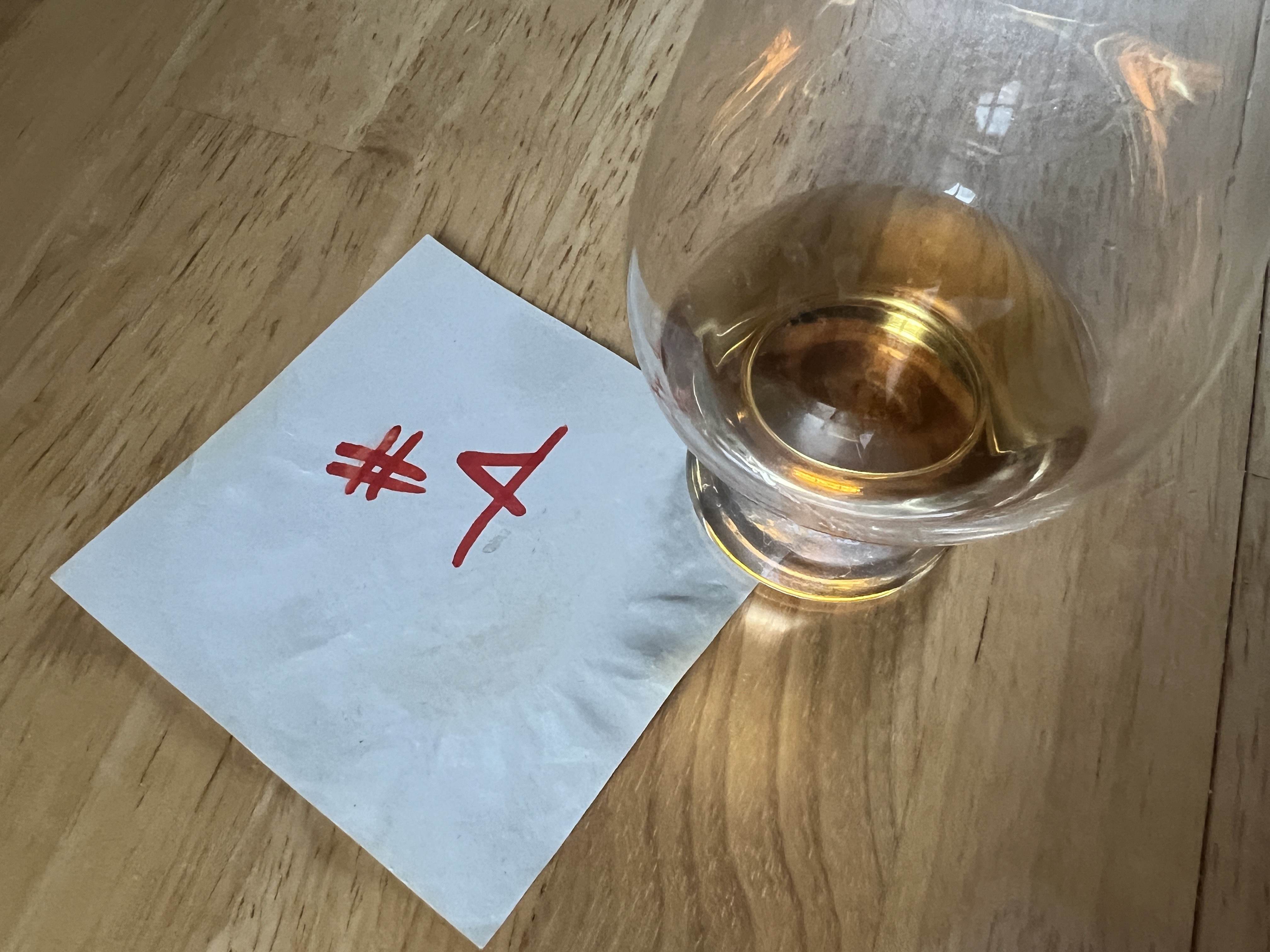
Nose: Old oak barrels are tempered by rich and almost creamy notes of vanilla that lead towards a burst of summer wildflowers on the nose.
Palate: The taste embraces those flowers with hints of jasmine next to violet next to lavender that’s counterpointed by plum pudding nuttiness, woody spice, and a hint of that vanilla cream.
Finish: The end is long-winded and really leans into the brightness of those florals as the woody spice warms your senses.
Initial Thoughts:
This is just nice overall. There’s a clear beginning, middle, and end. It’s a little floral-heavy but not offensively so.
Taste 5
Zach Johnston
Tasting Notes:
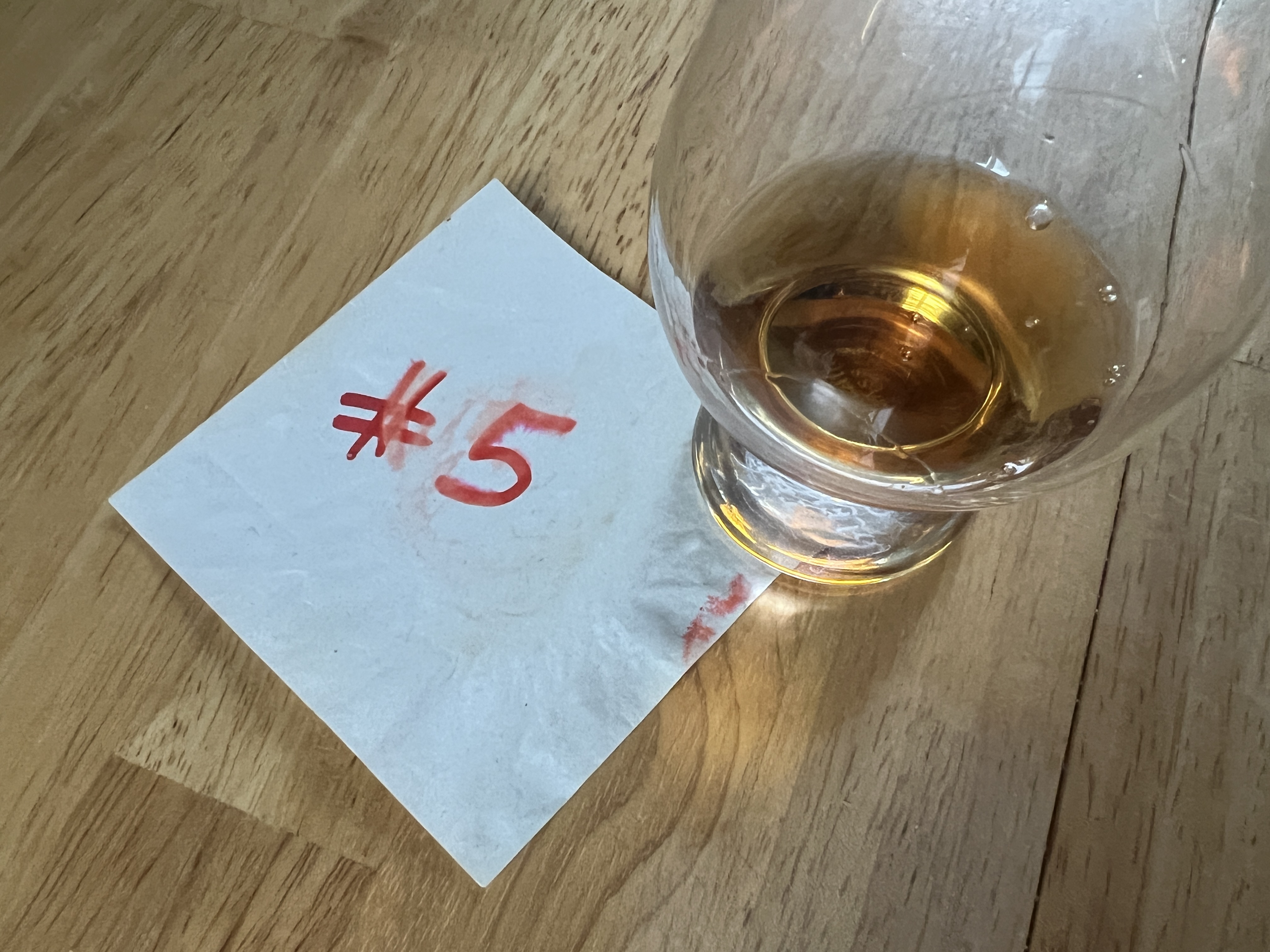
Nose: This starts off very similarly to the last pour with dark and rich chocolate and marzipan but carries on toward old soft leather and mild Christmas cake spices with a hint of vanilla and candied fruit.
Palate: The taste mingles soft vanilla pods with buttery toffee and woody spices as the fruitiness shines a ray of sunshine through the whole sip.
Finish: The end has a good sense of dark chocolate and almond with a hint of black tea bitterness rounding everything out.
Initial Thoughts:
That chocolate-nutty finish goes a long way and really helps this pour stand out from the crowd today. It’s just a really well-rounded sip of cognac.
Taste 6
Zach Johnston
Tasting Notes:
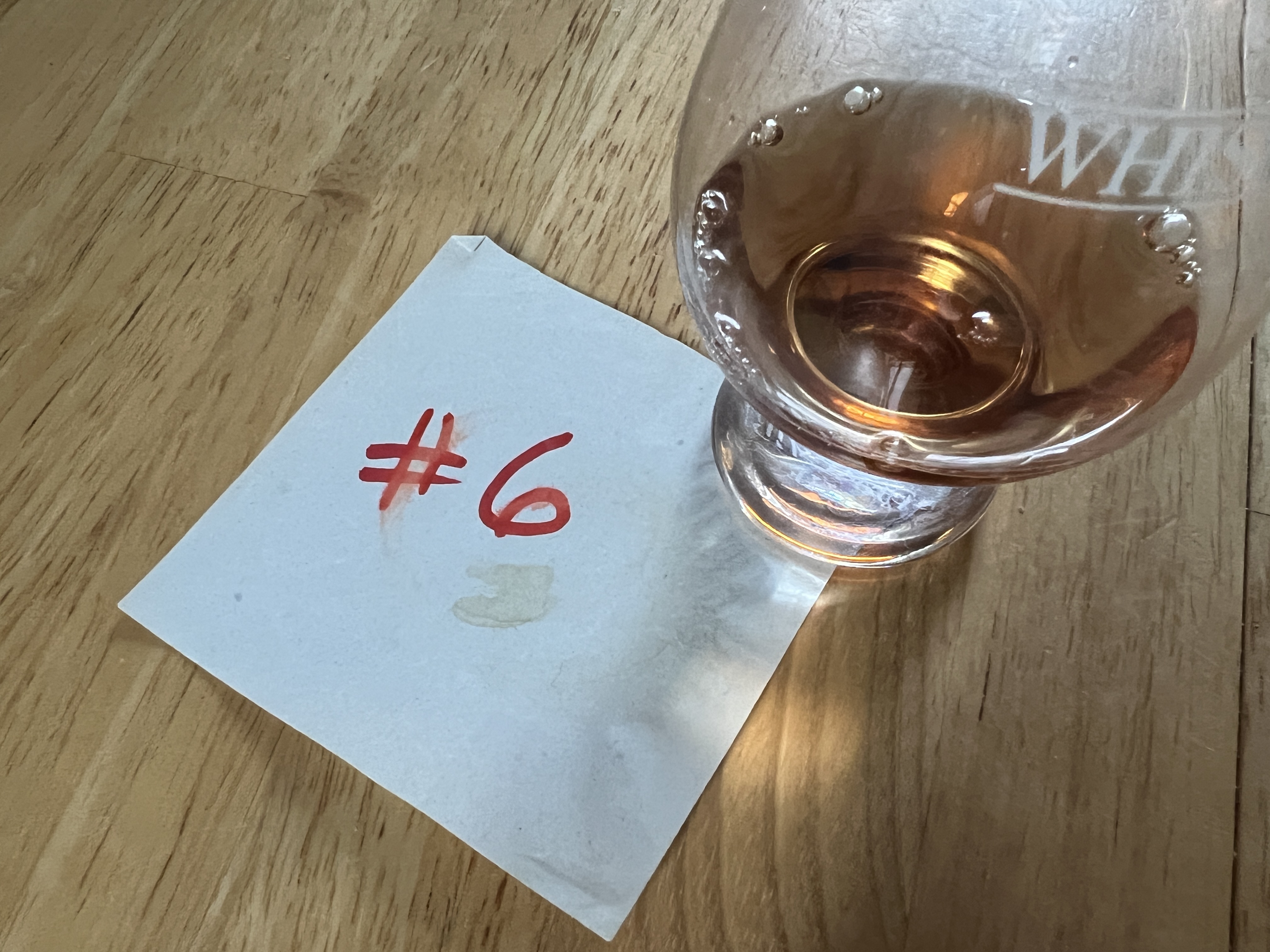
Nose: There’s a sense. of the alcohol on the nose that’s almost hiding the lemon honey and ground almonds with a light note of grape must.
Palate: There’s a clear spiciness that almost feels like a malted whisky next to gingerbread and cinnamon sugar.
Finish: The end leans heavily into dark red berries and Coca-Cola sweetness with a hint of spice and that alcohol from the nose.
Initial Thoughts:
I’m not a huge fan of that rubbing alcohol note on the nose or finish. Still, this had a pretty unique profile with a fair amount of spice, so it wasn’t a total loss.
Part 2: The Ranking
Zach Johnston
6. Cognac Ferrand 10 Générations Year of the Rabbit Port Cask Limited Edition — Taste 6
This limited edition release from Ferrand uses only Ugni Blanc grapes. That hot juice is “double-aged” — first in classic French oak and then in port casks. Those barrels are batched and proofed before bottling.
Bottom Line:
This just didn’t land. It was a little all over the place with a spiced malt and alcohol vibe that felt almost unfinished.
5. Martell Blue Swift “Spirit Drink” Made with Cognac VSOP Finished in Bourbon Casks — Taste 3
This is classic Martell Cognac taken up a step. The old-school French VSOP Cognac is finished in Kentucky bourbon barrels for a final rest before batching, proofing, and bottling.
Bottom Line:
This was fine, albeit a little sweet from that bourbon finishing. Still, I can see this working perfectly fine in cocktails.
This fairly new cognac comes from the famed Maison Fondée Cognac, which has been producing great brandy for over 200 years. The brandy in the bottle is made from grapes harvested in the Grande Champagne, Petite Champagne, Fin Bois, and Bons Bois regions of Cognac and built to suit a modern, American palate.
Bottom Line:
This was fine. Again, I’d lean toward only really using this for cocktails to fill in the gaps in the flavor profile.
3. Rémy Martin Cognac Fine Champagne VSOP — Taste 1
This classic brandy is nearly 100 years old. The majority of the grapes come from the Grand Champagne region of Cognac with a vast majority of the grapes being Ugni Blanc. The spirit ages for four to 12 years before blending, proofing, and bottling.
Bottom Line:
This was a notch better than “fine” today. There was a little roughness on the mid-palate but that will likely disappear with a rock or two (if you want to sip it) or in a nice and easy brandy cocktail.
HINE Rare is a masterfully crafted cognac. The juice is a blend of eaux-de-vie (water of life) made from wines from the Grande Champagne and Petite Champagne growing regions. That spirit then is barreled in oak where it spends six to 12 years maturing. The results are then married, proofed with soft mineral water from local springs, and bottled.
Bottom Line:
This felt like the first true sipper of the panel. It was complex and convivial while feeling like you were drinking something actually kind of special. The only reason it’s not in first place is that it was a tad on the lighter side all things considered.
This was Jay-Z’s signature brand (long story). The juice in the bottle goes way back to Baron Otard from the famed Château de Cognac. The new line was re-crafted to suit American palates and includes a blend of Cognacs that are aged at the château for four to eight years before blending, proofing, and bottling.
Bottom Line:
This just had the most depth and enjoyment as a sipper today. It’s deep and rewarding as a sipper on its own but also makes a mean sidecar or cognac old fashioned.
Part 3: Final Thoughts
Zach Johnston
Cognac D’Ussé is really hard to beat at this price point. Hine almost beats it out. In fact, I’d wager that if it was a little warmer out, I’d probably reach for the lightness of the Hine over the deeper hues of the D’Ussé. Both are worth stocking on your bar cart.
Remy is a good choice to have around if you want a brandy mixer. The rest are fine but not worth running out and hunting for, especially since you should be able to find Cognac D’Ussé, Hine, and Remy pretty much every liquor is sold.
“Bye Bye Bye” was a smash hit in 2000 when it was released as the lead single to boy band NSYNC’s second album, “No Strings Attached.” The hit single propelled the album to sell a then record-breaking 2.4 million copies in its first week.
Two years later, the band would go on hiatus to allow breakout star Justin Timberlake to record a solo album. The hiatus soon became a permanent breakup and the band hasn’t recorded or toured together since.
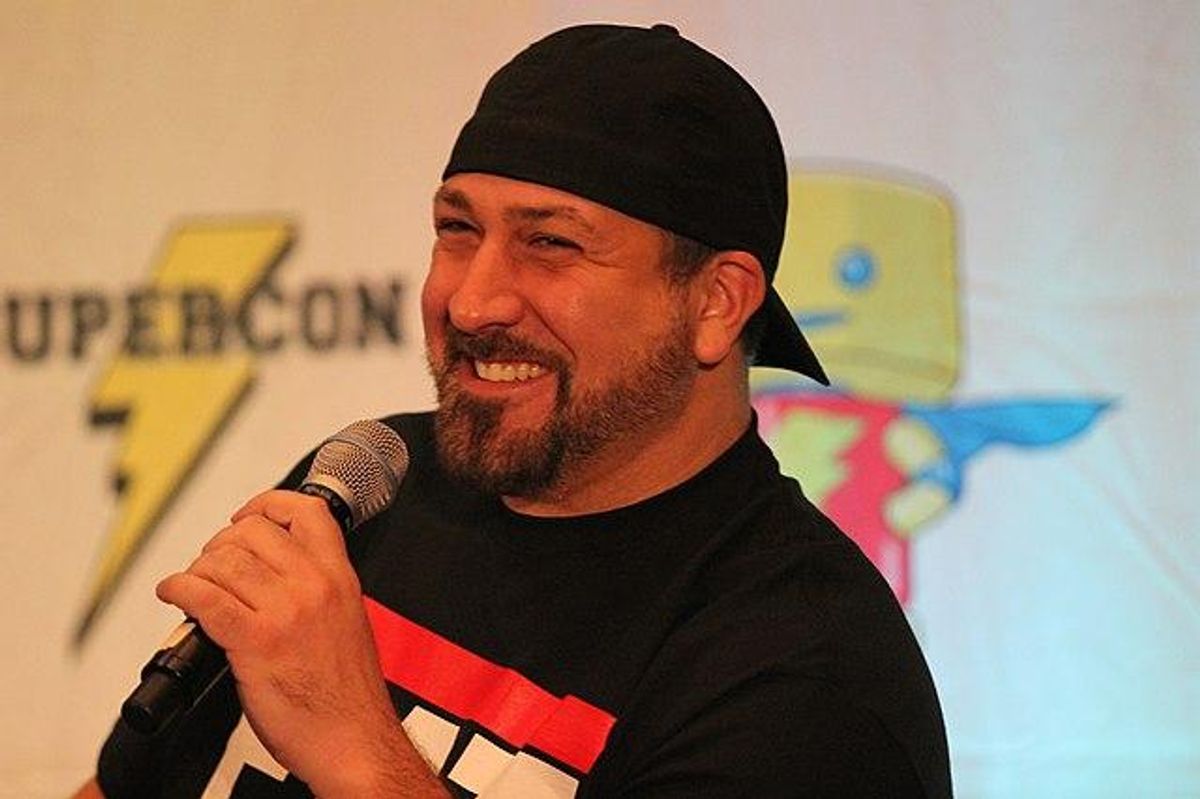
However, even though NSYNC broke up more than 20 years ago, band member Joey Fatone hasn’t forgotten how to sing and dance to “Bye, Bye, Bye.” He proved it on Sunday, January 8 while giving an impromptu performance of the song during brunch at the Palace, a popular drag bar on South Beach in Miami, Florida.
Fatone was at the bar while vacationing in Miami for a bachelor party.
The Advocate reports that when drag performers Tiffany Fantasia and Elishaly D’witshes began to perform “Bye Bye Bye” Fatone hopped on stage and started performing with them. While at first he just danced to the song while the drag queens lip-synched, he was handed a microphone and started to sing his harmonies. Fatone also showed that he still remembered the iconic dance moves by busting them out before an excited crowd.
“WHAT A WEEKEND IT’S BEEN ALREADY!! We had the honor of being visited by @nsyncs own @realjoeyfatone who joined us and sang one of their biggest hits with our queens for our visitors,” the Palace wrote on Instagram.
Imagine being in the crowd, three mimosas deep, and seeing a member of NSYNC come out of nowhere and sing one of their biggest hits. That would have been well worth the price of admission.
Even though NSYNC isn’t together, Fatone has stayed in the spotlight over the past two decades. He made multiple appearances on “Dancing With the Stars” where he earned second place in 2007.
From 2010 to 2015 he was one of the announcers on “Family Feud” and in 2019 he competed as “Rabbit” on “The Masked Singer” where he came in fourth place. He told People magazine that a lot of viewers were surprised he had such a great voice after performing on the show.
“People are like, ‘I didn’t know you had the voice and chops. You should do an album,'” he said. “I’m like, ‘Eh, I’d be fun to do one.’ It’s not my forte in the sense of doing a solo career.”
Fatone has also performed in a Rat Pack-style revue in Vegas alongside fellow boy banders Wanya Morris from Boyz II Men and Backstreet Boys’ AJ McLean and Nick Carter. The limited-engagement show featured the singers performing their band’s greatest hits and an audience Q and A.
Fatone also appeared as Angelo in the 2002 hit “My Big Fat Greek Wedding” as well as its 2016 sequel. He’s also slated to appear in the recently announced third film in the series.
It’s wonderful to see Fatone strut his stuff with some drag performers but it could also serve as a reminder to his NSYNC buddies—Joey still knows his dance moves and would be ready for a reunion at a moment’s notice. He may just need a few mimosas to get started.
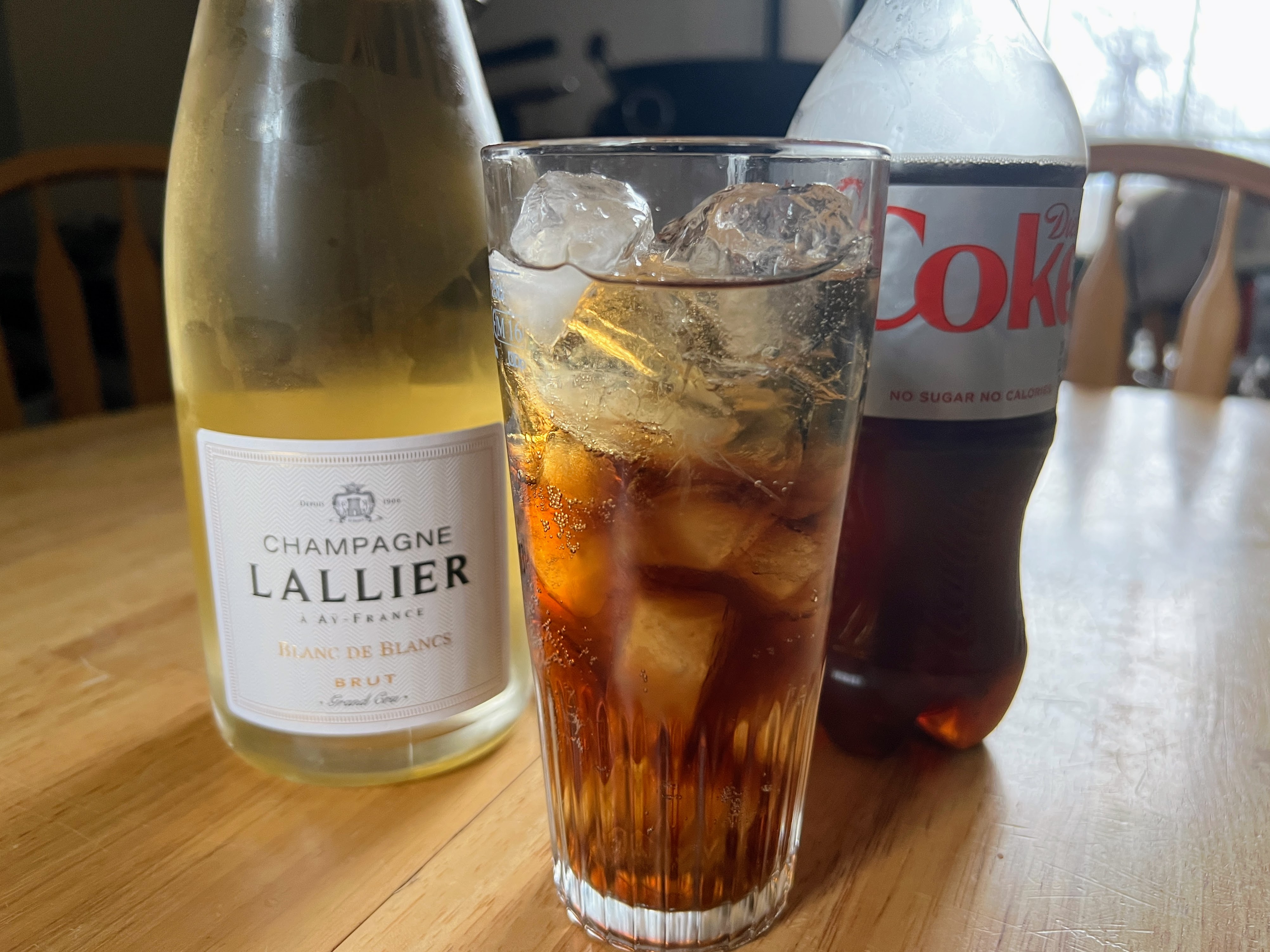
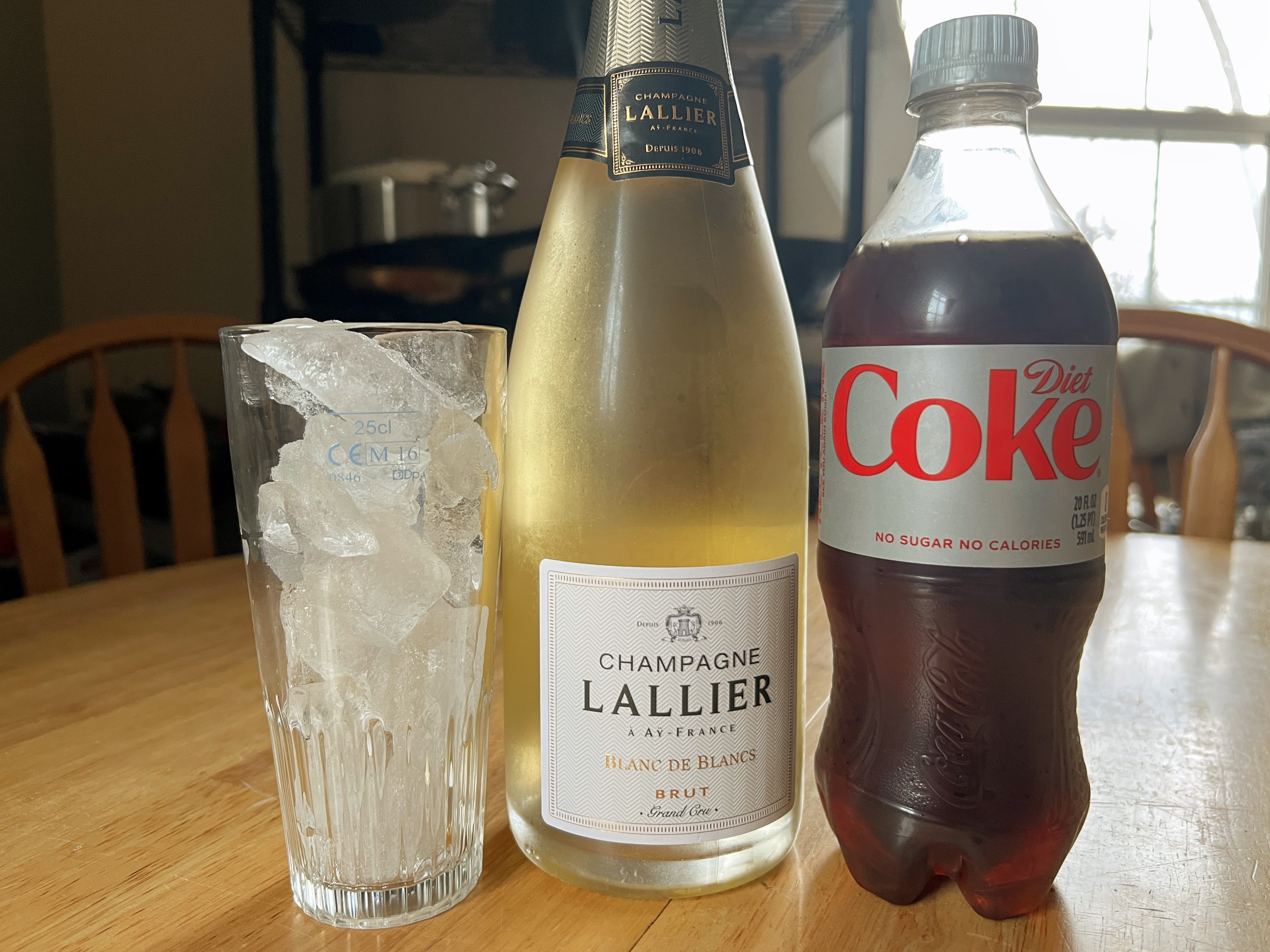
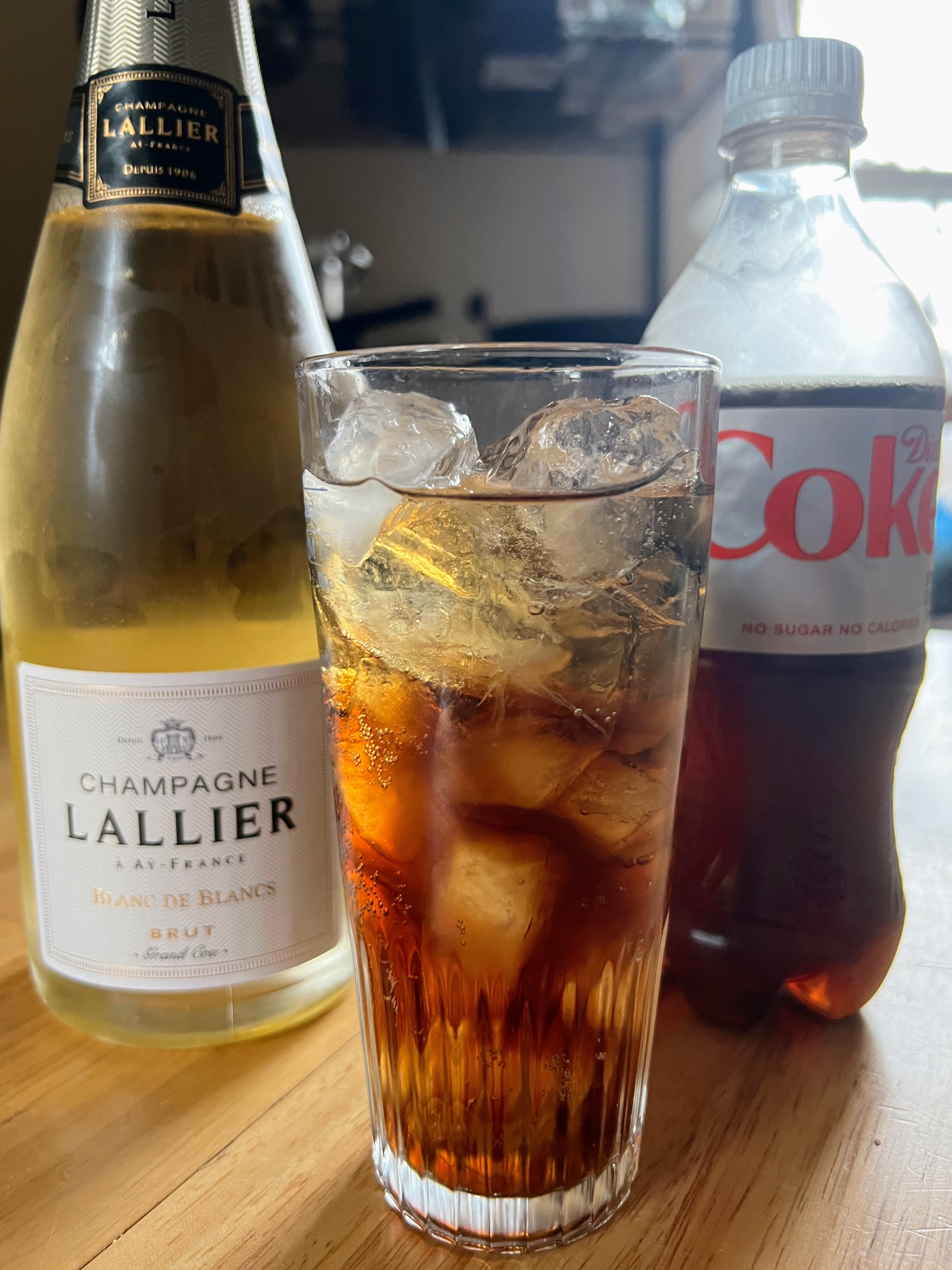
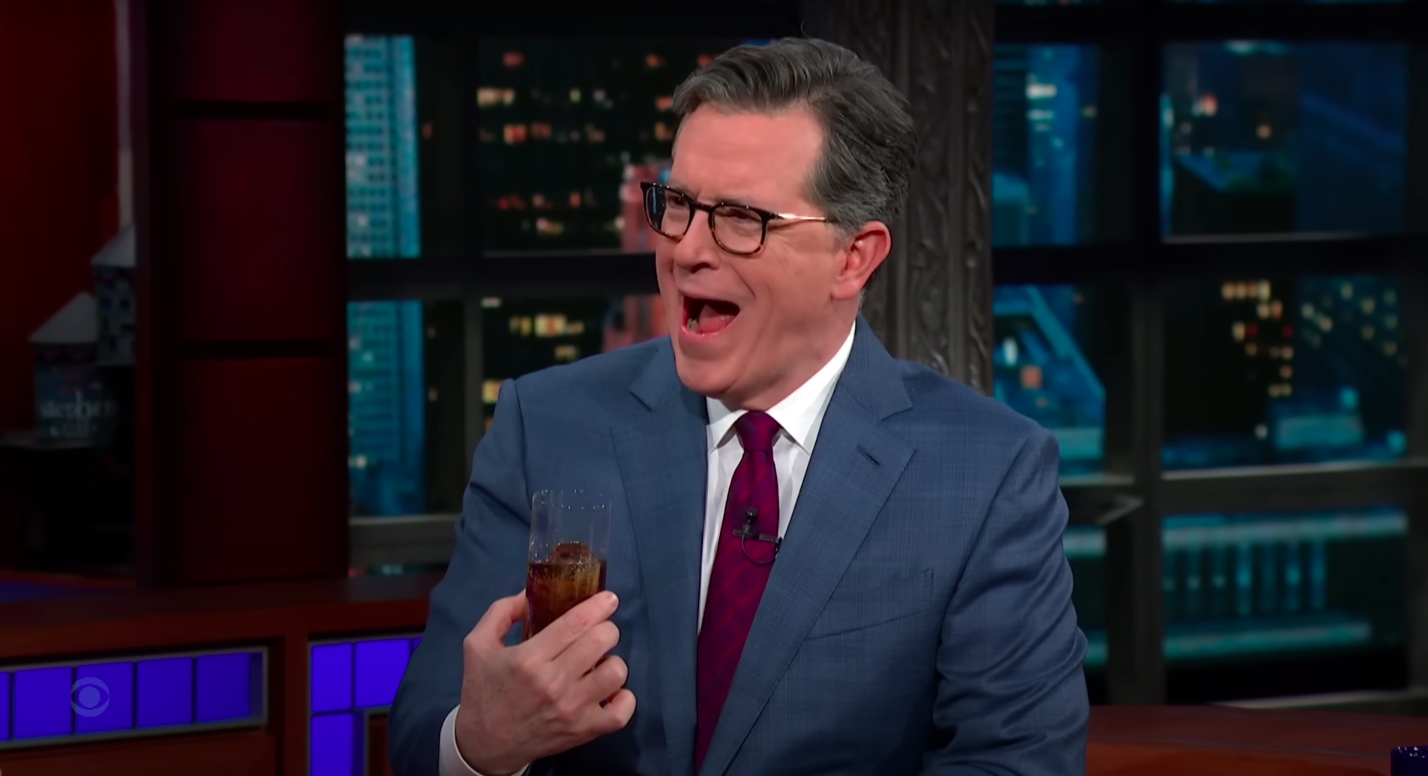
Yesterday, a clip from The Late Show with Stephen Colbert dropped that got our cocktail senses tingling. In the clip, Tom Hanks introduced Colbert to his new, signature cocktail — The Diet Cokagne (yes, Hanks pronounces it like “cocaine”). The drink is a simple mix of Diet Coke and champagne that Hanks created and wowed his family and friends with one late night at a party. But is it — or can it — be any good, really?
Really???
I had to find out.
Look, adding sweeteners to champagne has been around along as champagne has. Kir Royal adds creme de cassis. The Champagne Cocktail adds a bitters-soaked sugar cube to the bubbly. A French 75 adds lemon and sugar. So adding a little sweet and caffeine-heavy Diet Coke to the mix isn’t that far out of the realm of possibilities. Plus, there’s a long tradition of adding Coke to cheap red wine that spans everywhere from Spanish tapas bars to college dorms in the U.S. It’s believable that this could be a tasty cocktail, is what I’m getting at.
But will it blow me away the way it did Hanks’ family and friends and even Stephen Colbert when he tried it live on the show? Let’s find out by making one.
Also Read: The Top Five Cocktail Recipes of the Last Six Months
Add the Diet Coke until the glass is about 2/3 full. Top with champagne. Serve.
Bottom Line:
Zach Johnston
Stephen Colbert exclaimed, “It’s like an American Aperol Spritz!” when he saw the drink. And he’s not that far off.
CBS
It’s fine. The champagne does mellow out the more fake-sugar edges of the Diet Coke and adds a nice balance of yeasty depth and a hint of fruitiness to the mix, think apple soda. The overall flavor is better than a regular Diet Coke, that much I’m certain of.
Does that make it good? Um…Sure! It’s not without its charm. I don’t think it’s great and won’t waste any more champagne in a Diet Coke, but I can see why people like it. It’s easy. It does make the Diet Coke taste a bit better. And sure, now there’s a little kick of alcohol in your soda.
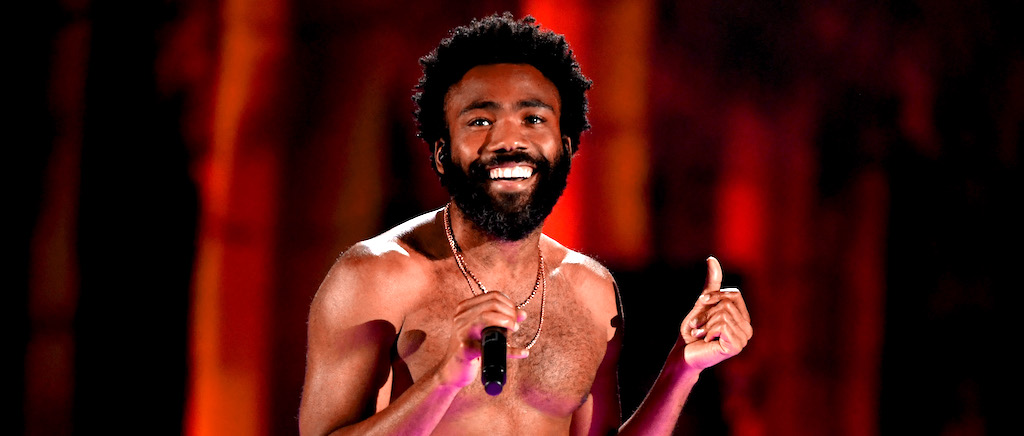
For years, Donald Glover worked to keep his music work distinct from his other endeavors thanks to the Childish Gambino persona. However, now that he’s more successful in both worlds than probably even he dreamed, the line has become blurred and he’s hinted at retiring the internet-generated name, even going as far as having a farewell show in Los Angeles a few years ago. While he’s since hinted at resurrecting the name, this week, he gave the first outright confirmation that Childish Gambino is coming back.
While on the red carpet at the Golden Globe Awards last night (Tuesday, January 10), Glover told E! News’ correspondent Laverne Cox, “I’m making music right now, I love it. I’m actually working, I’m in the studio. I’ve been bringing people in, like secret people, working on little things. But I just been, you know, making it for fun right now. But soon something will happen, I promise. Something will happen.” Regarding the past comments he’d made about retiring his alter ego, he admitted, “You don’t have to worry about that … He’ll be back.”
It’s likely that he’s backtracking now due to an abundance of free time now that his critically acclaimed show Atlanta has come to an end. And while he’s likely still got plenty to do while developing projects like a Mr. And Mrs. Smith series and playing Hypno Hustler in a Spider-Man spinoff, it’s clear the music bug has bitten him all over again. Hopefully, we’ll see what he’s been working on soon enough.
(SPOILERS for this week’s BMF episode will be found below.)
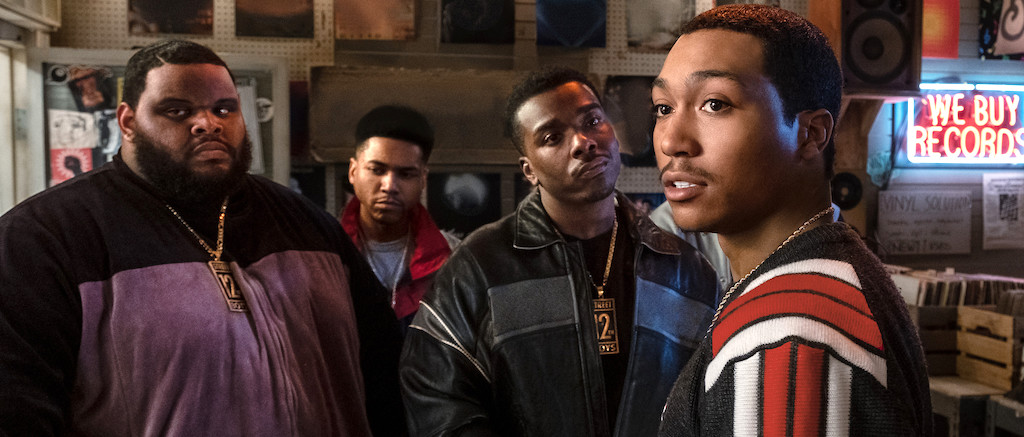
BMF returned last week with a season two premiere episode that left us with plenty to talk about. Meech and Terry are still split with Terry walking away from the drug game, one that nearly cost him his eye, to begin a car-ride service with his father Charles. Meech enters a new partnership to receive a new supply of drugs and it leads to the start of the Black Mafia Family. We also learn about the fates of Big L and Lamar as well as why Detective Bryant won’t leave B-Mickie alone.
The aforementioned events in the season two premiere of BMF, titled “Family Dinner,” are soundtracked by songs that help to accentuate the emotions behind each scene. You can find a list of them belong as well as details about the scenes that they are heard in.
Sunshine Anderson — “Heard It All Before”
This is the first song we hear in the episode. It plays at the 02:42 mark as older Terry (played by Mustafa Harris) is on the phone with his significant other as he prepares to get out of the country. His plan goes left when Detective Bryant and a SWAT team break into the house to arrest him and other members of BMF.
50 Cent — “Wish Me Luck” Feat. Charlie Wilson
This is the theme song of BMF. It plays at the 08:01 mark in “Family Dinner.” While 50 Cent and Charlie Wilson’s voices are only heard on it, the song also features Snoop Dogg and Moneybagg Yo.
Armando — “You With Me”
This Armando record plays at the 13:36 mark as Terry is taken aback by Markeisha’s beauty as she walks into the gym for a basketball game at St. Cecilia. There isn’t much record of this song online, but the BMF public relations team confirmed that this is the song that plays at that moment in the episode.
Albert King — “Born Under A Bad Sign”
We hear Albert King’s “Born Under A Bad Sign” at the 19:15 mark as Meech reconnects with K-9 to return his cocaine. K-9 had Meech bring it back from Las Vegas with the goal of seeing how fast and efficiently he could get it done. Meech accepts the job with the hope of gaining K-9’s trust to enter a partnership.
Marlon Coles — “Cool In You”
Marlon Coles’ “Cool In You” plays at the 30:33 mark after Terry’s second meeting with Markeisha. He runs into her at a Detroit insurance company, where she works as an associate. It’s clear that Terry is falling for Markeisha as the song plays as he imagines getting intimate with Markeisha despite laying next to his girlfriend LaWanda.
E-Hart & Don Caban — “Chasing Paper”
You can hear this record at the 36:00 mark as Meech returns to K-9 to once again convince him that he should allow Meech to move his product. Meech succeeds in his mission, but this interaction also ends with him enjoying a plate of steak and learning that K-9 killed Big L on his behalf.
The Delfonics — “Ready Or Not Here I Come (Can’t Hide From Love)”
The Delfonics can be heard at the 50:20 mark just after we learn that Lamar is alive. Heading into season two, we assumed that Lamar was dead after he was hit during a shootout with Meech. While he was severely injured and left in a coma, Lamar survived the gunshot and we can almost be sure that he’ll set out to retaliate against Meech.
New episodes of ‘BMF’ are available on the STARZ app on Fridays at 12:00 am EST and on the STARZ TV channel at 8:00 pm EST.
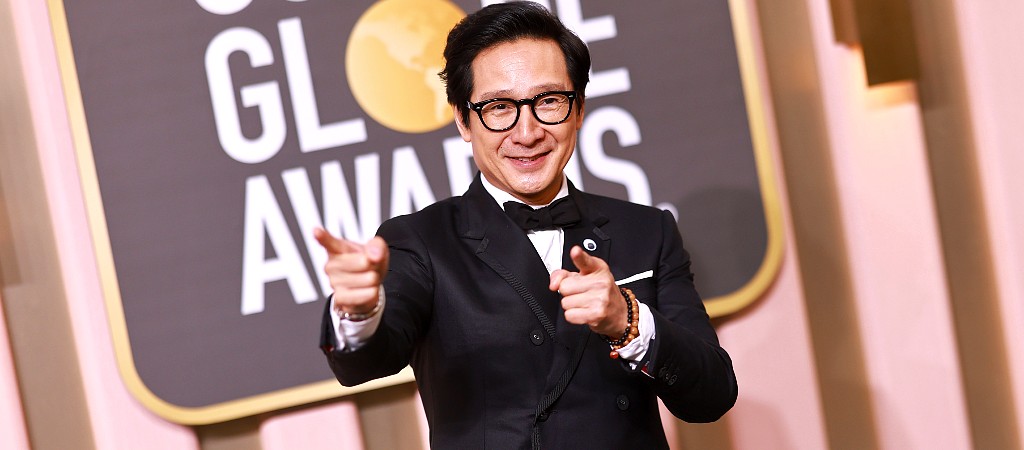
After Ke Huy Quan locked down a Golden Globes award for his performance in Everything Everywhere All At Once, the actor made it known that he’s absolutely game to reprise his role as Data in a sequel to the 1980’s classic The Goonies. Quan, who also famously played Short Round in Indiana Jones and the Temple of Doom, encouraged the Globes press room to ask Goonies producer Steven Spielberg about the status of sequel before the actor revealed why one has never materialized over the decades.
“Honestly, for the last 30 years, we’ve tried to do a Goonies 2,” Quan said via Entertainment Weekly. “When I was much younger, I wished it would come to pass because that’s the movie I thought I would need to make a career comeback. Honestly, we had numerous scripts, but there was not one script that felt like it would be up to what the original was.”
Quan also revealed that the death of Richard Donner, who directed the original film, also put a damper on the prospect of returning to the iconic film. However, the actor is still ready if a decent script materializes. “I really don’t know if there’s going to be a Goonies 2,” Quan said. “But, I would be open to revisiting that character, Data, if there is an opportunity.”
In the meantime, the actor is already in the midst of a different kind of Goonies reunion. Quan recently revealed that Jeff Cohen, who played Chunk in the original film, is his entertainment lawyer and helped him score a part in Everything Everywhere All At Once.
“When the producer of our movie was trying to make my deal, he said he never imagined that he’d have to talk to Chunk and Data for his movie,” Quan told The Hollywood Reporter ahead of his Golden Globes win.