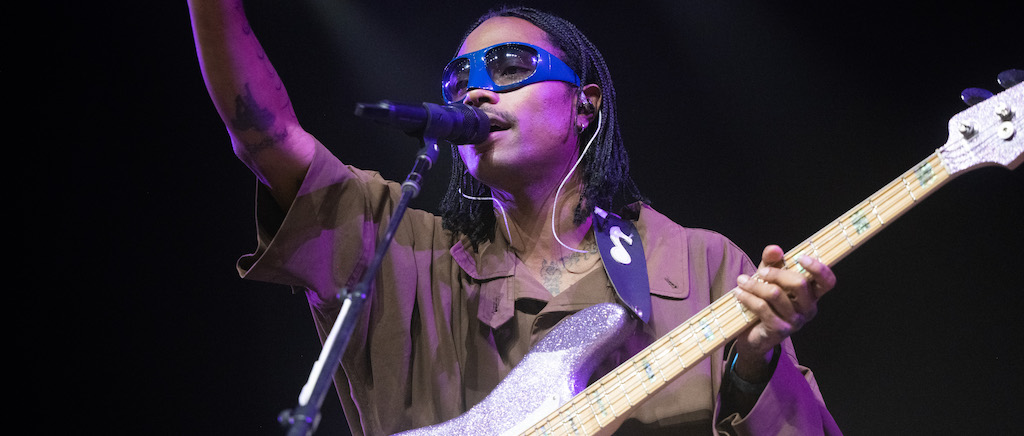
Steve Lacy might already be an industry veteran at just 24 years old, but he’s still new to all the attention having a viral hit can bring. Unfortunately, his newfound fame hasn’t been kind to him at all, as his Give You The World North American tour has been more eventful than he probably planned, to say the least.
And now, in another instance of historically bad luck, yet another video has emerged of something going wrong for him. This time, in the middle of a singalong for his 2017 track “Some,” an overenthusiastic smoke machine sent him into a coughing fit as he semi-joked, “They trying to kill me, y’all!” As one fan who shared the video quipped, “Steve Lacy should just cancel his tour at this point.”
While I’m sure no one really wants him to do that, let’s just hope that all the toughest breaks of his tour are behind him, so he can just focus on putting on a good show and enjoying all his recent success.
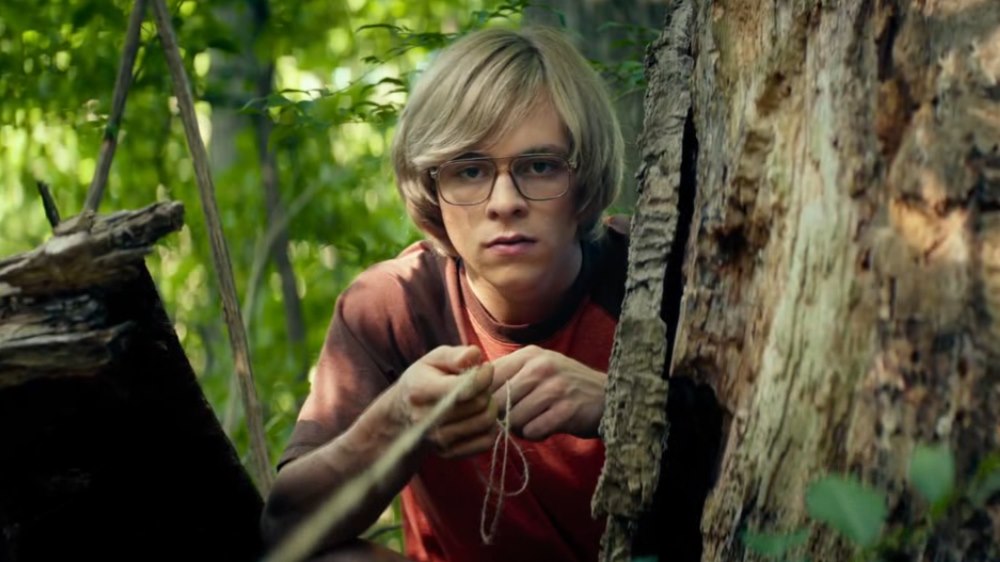
Ryan Murphy’s Dahmer, a 10-part crime drama that recounts the life and death of infamous serial killer Jeffrey Dahmer, could end up being the biggest hit Netflix has ever produced thus far. Though millions of people are watching it, the limited series is also drowning in controversy, with critics claiming that we don’t need yet another retelling of Dahmer’s story, while friends and family members of the real-life victims have complained that bringing Dahmer back into the spotlight has re-traumatized them all over again.
In addition, as several of Dahmer’s victims were men of color, many contend that systemic racism is partly what allowed Dahmer to operate for so long without being detected. Nor did it help the series when Netflix classified it under LGBTQ content. But now, Murphy — who co-created the series with Ian Brennan — has spoken out to set the record straight.
According to The Hollywood Reporter, Murphy discussed the research process that he and his team went through over the course of nearly four years in order to bring Dahmer to the screen. And says that one part of that was attempting to speak with those closest to some of Dahmer’s victims, in order to create a show that could tell the story partly through their eyes. On Thursday, during an event for the series at Los Angeles’ DGA Theatre, Murphy explained:
It’s something that we researched for a very long time. And we — over the course of the three, three and a half years when we were really writing it, working on it — we reached out to 20, around 20, of the victims’ families and friends trying to get input, trying to talk to people. And not a single person responded to us in that process. So we relied very, very heavily on our incredible group of researchers who… I don’t even know how they found a lot of this stuff. But it was just like a night and day effort to us trying to uncover the truth of these people.
Murphy also stated that part of their purpose in making the series was to address the many isms that allowed Dahmer to get away with his crimes for so long: “Something that we talked a lot in the making of it is we weren’t so much interested in Jeffrey Dahmer, the person, but what made him the monster that he became,” Murphy said. “We talked a lot about that… and we talked about it all the time. It’s really about white privilege. It’s about systemic racism. It’s about homophobia.”
“We really want it to be about celebrating these victims,” added Paris Barclay, who co-directed two episodes of the series with Murphy.. “When Tony writes ‘I won’t disappear’ on that last card, that’s what this show is about. It’s about making sure these people are not erased by history and that they have a place and that they’re recognized and that they were important and that they lived full lives. And they came from all sorts of different places, but they were real people. They weren’t just numbers. They weren’t just pictures on billboards and telephone poles. They were real people with loving families, breathing, living, hoping. That’s what we wanted it to be about.”
In typical Marvel fashion, a fan-favorite actor has been added to the latest MCU movie, though nobody knows who (or what) they will be. We’ve seen it with John Krasinski, and it’s currently unfolding with Adam Scott. Those comic book fans really love surprises…except when they don’t. It’s hard to keep up.
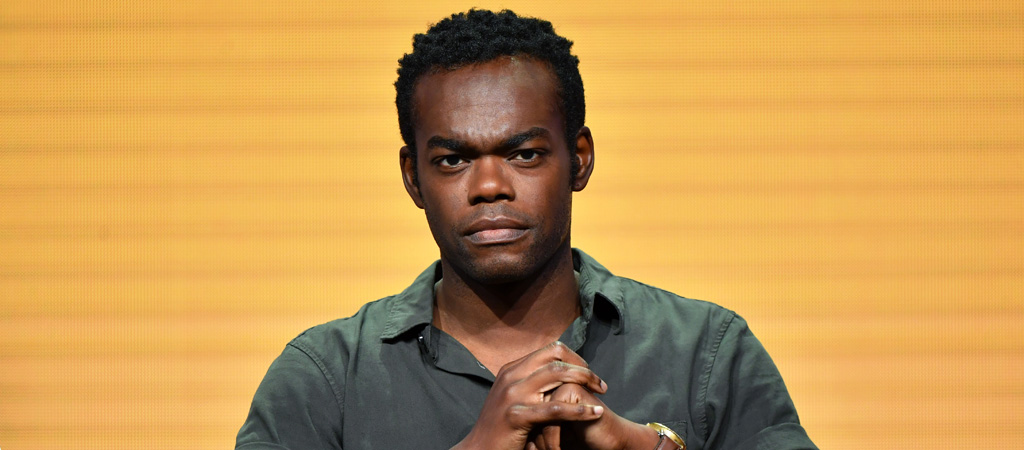
William Jackson Harper, the breakout star of The Good Place, has been added to the upcoming Ant-Man installment, Ant-Man and the Wasp: Quantumania. The sequel already has an impressive cast that includes Paul Rudd, of course, plus Jonathan Majors as the uber-villain Kang, who is expected to be the next main bad guy of the Avengers universe ever since Thanos got the boot (or…gauntlet).
Harper’s role has yet to be disclosed, but considering that this movie is in its final stages of production, it’s not out of the question to assume he will be filming some post-credits sequence. Fans on Twitter seem to believe this is Marvel’s way of slowly introducing the new Fantastic Four cast before that movie begins filming next year. Or maybe he’s just going to play a regular guy. Who knows!
Listen. He’s almost certainly not Reed Richards. But I’m just gonna live in the world where I called it for like a day or two and then I’ll come back to realty. https://t.co/xImzKVgNUS
After earning an Emmy nom and finishing up on The Good Place in 2020, Harper has since starred with Cristin Milioti in Peacock’s little-known gem The Resort, which everybody should totally be watching.
Ant-Man and the Wasp: Quantumania is set to hit theaters on Feb. 17, 2023.
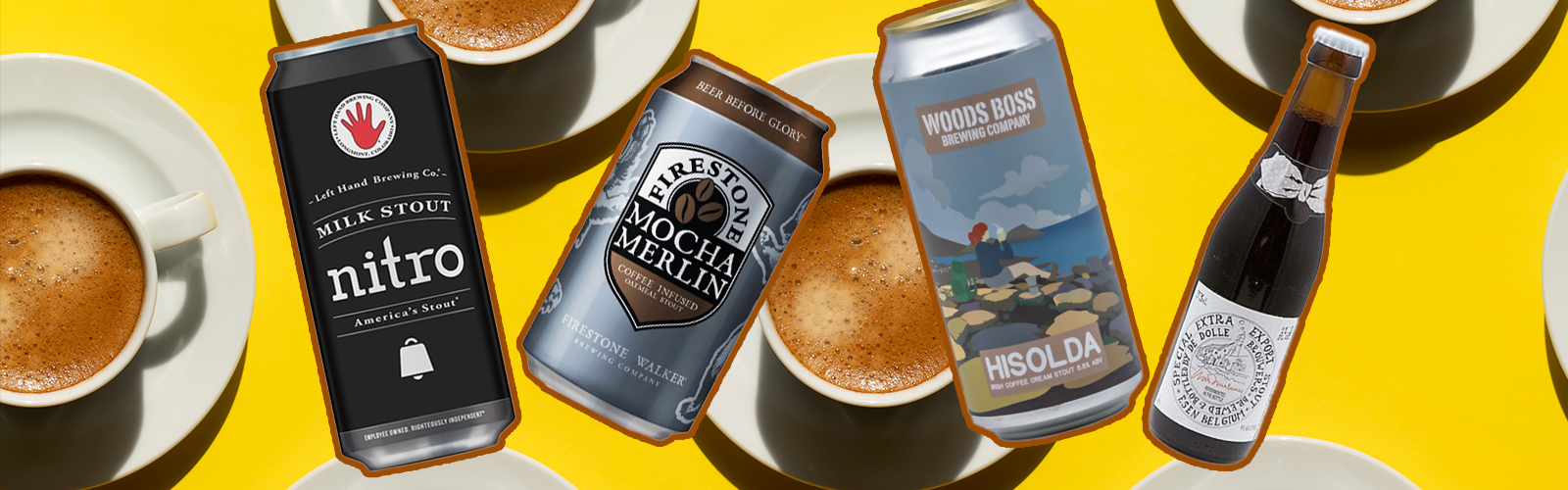
Left Hand/Firestone Walker/Woods Boss/Brouwerij De Dolle/istock/Uproxx
It sounds like a cliché, the kind of thing that you’ll find scrawled sarcastically on a mug at a novelty store, but I really can’t start my day until I’ve had at least one cup of coffee. Maybe it’s the caffeine boost, the flavor, or simply the smell, but I love everything about coffee. Add a little cream and sugar or a flavored, seasonal cream if you like. Or don’t! It’s all great.
The only thing that I like almost as much as the coffee itself is a beer with bold, roasty coffee flavors. Don’t worry, I’m not drinking that for breakfast (usually). I’m saving it at least for lunch.
It being autumn, I couldn’t think of a better time to talk about beers for coffee drinkers. We’re talking about beer that either has coffee in it or simply tastes like coffee. The details don’t matter so much — it’s the flavor I love, and one that works beautifully on a cool fall night.
To find these coffee-centric beers, we went to the professionals for help once again. We asked a few well-known craft beer experts and brewers to tell us the best beers for fans of a freshly-brewed cup of coffee. Keep reading to see them all.
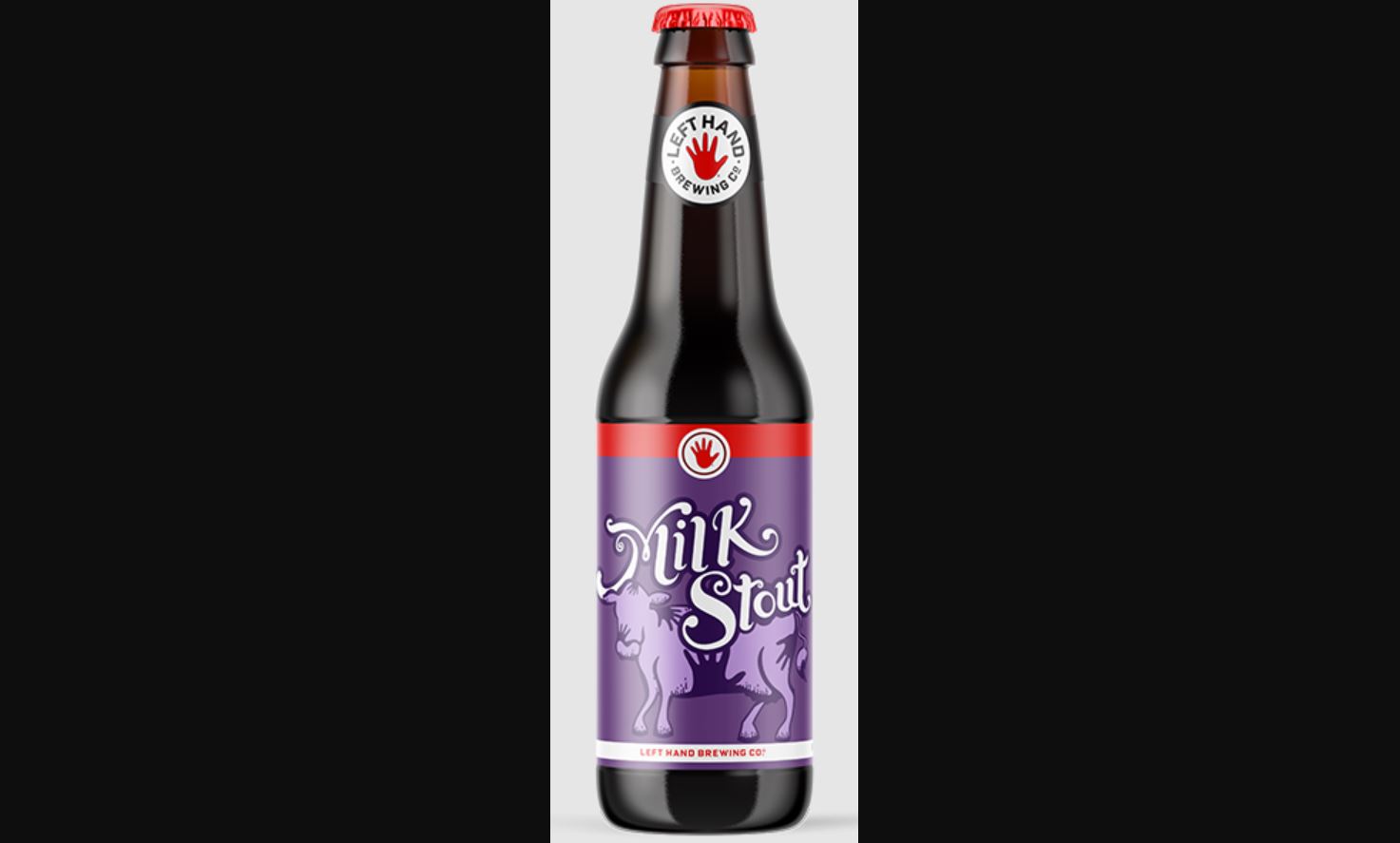
Left Hand Milk Stout
Left Hand
Basil Lee, co-founder of Finback Brewery in Glendale, New York
I’m ashamed to say it. When I drink stouts nowadays, nine times out of 10 it’s usually a five-ounce pour, likely with more coconut, peanut butter, marshmallow, or candy bar than beer. Mind you, I’m not complaining; life is good. But I think if you want just a stout—a well-made dark beer built on malt, with notes of chocolate, light roast, coffee, no astringency, and round, smooth on the mouth—I’m going back to the days before taprooms and hype breweries ruled the scene, and what was a highly rated stout is now maybe less so: Left Hand Milk Stout Nitro.
Woods Boss Hisolda Irish Coffee Cream Stout is really well-executed and delicious. Who doesn’t love a little Irish cream in their coffee? This beer is made with roasted malts and Irish coffee beans as well as lactose. It was created to taste like an Irish coffee and it definitely does.
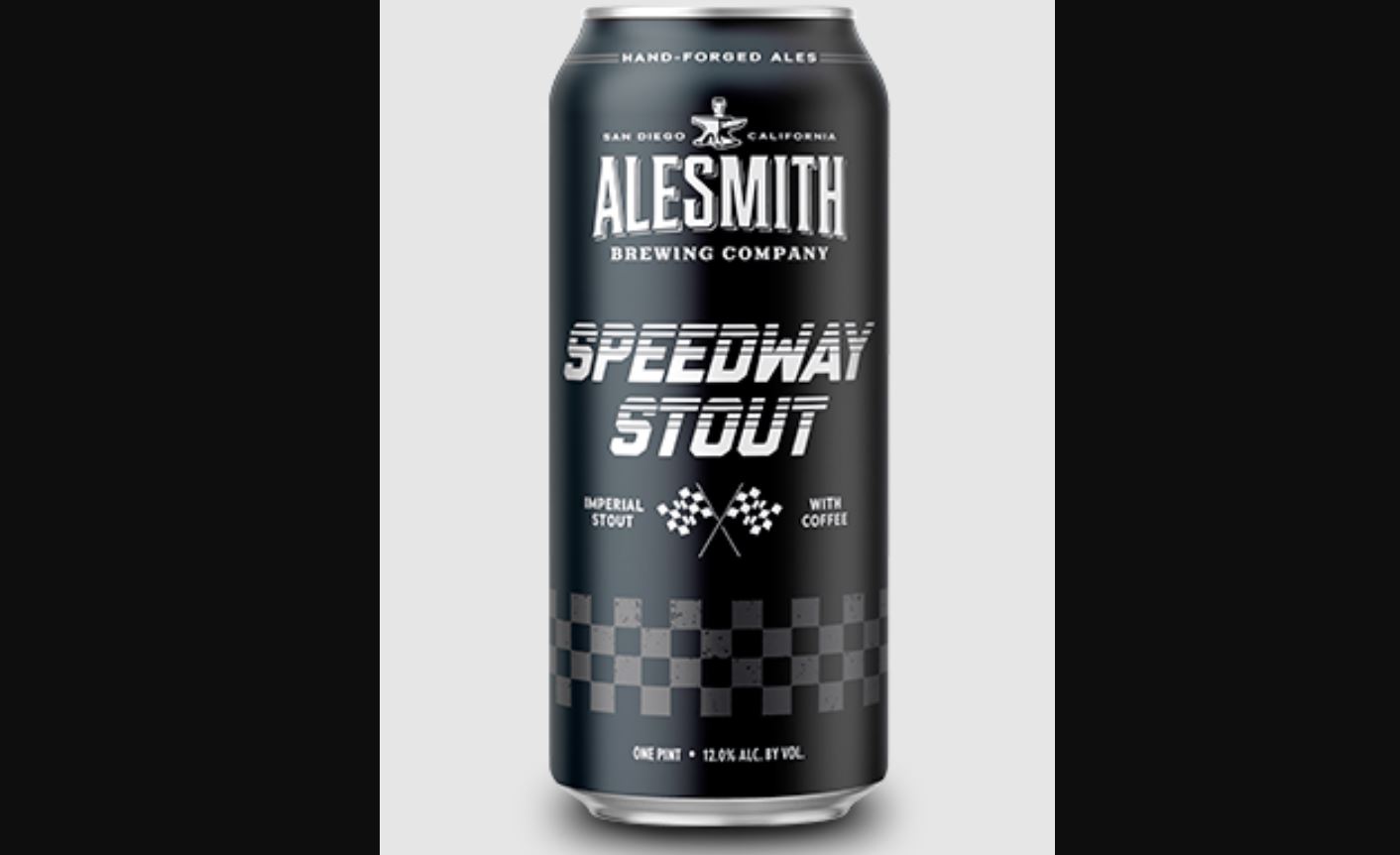
AleSmith Speedway Stout is a big beer with massive flavor. But I drink my coffee strong and dark, so this monster delivers the biggest coffee and sweet roast flavors. There’s a reason it’s one of the most highly regarded stouts on the market.
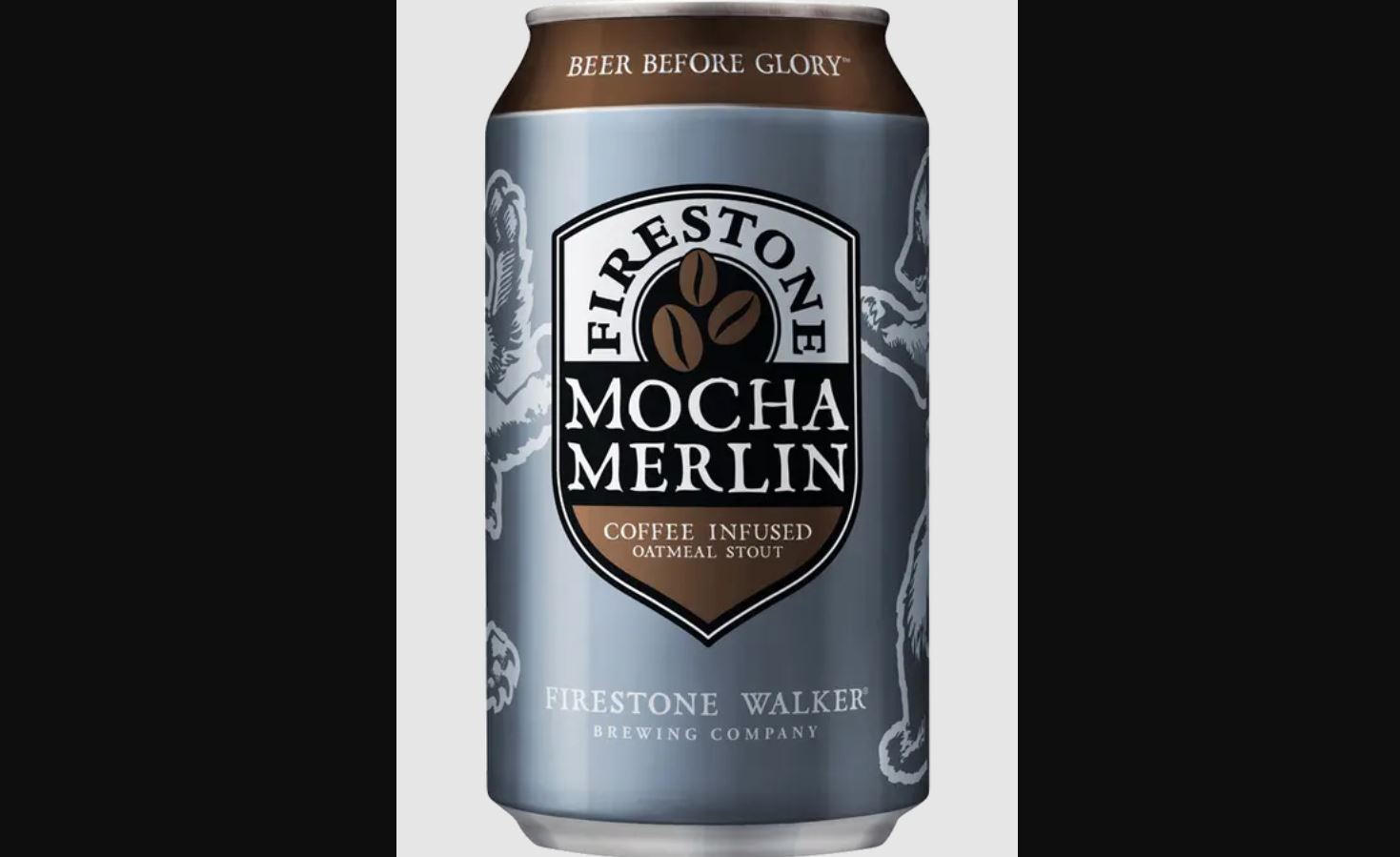
Firestone Walker Mocha Merlin. I had this beer at our local beer bar, Max’s Taphouse, and even though I’m usually not a huge fan of coffee beers, the smooth coffee with the subtle sweetness of the milk stout in this beer won me over, and now it’s something I’m always on the lookout for.
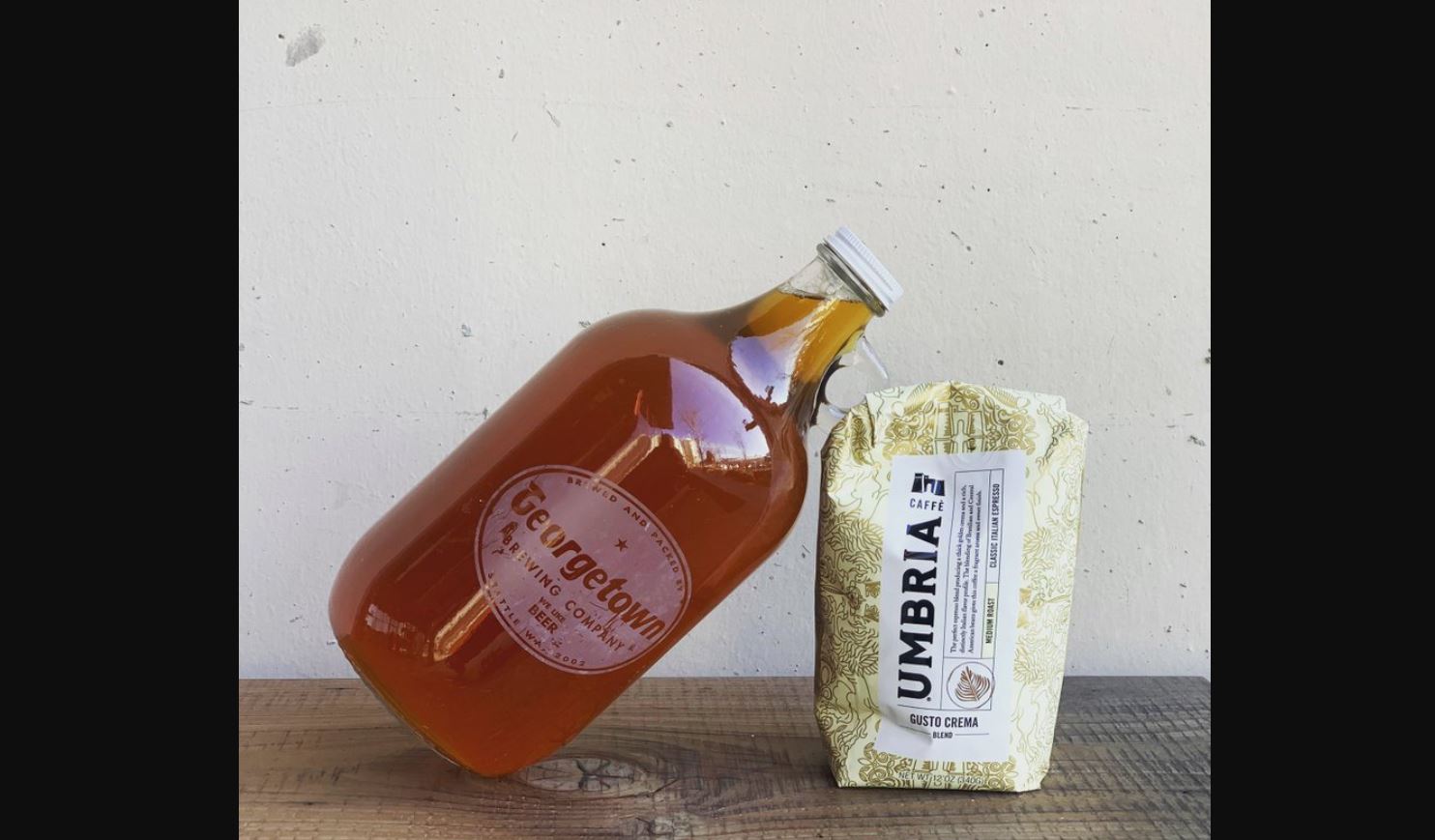
Georgetown Brewing’s Gusto Crema. The majority of coffee beers are dark and roasty, as the malts that produce those characteristics certainly complement the aroma and flavor that coffee imparts in a brew. Georgetown Brewing goes against the grain by utilizing the smooth-yet-bold profile of cold brewed coffee, and blending that with a cream ale — producing a brew that is smooth, creamy, and light in color (think blonde roast coffee beans) while bursting with coffee flavor and aroma.
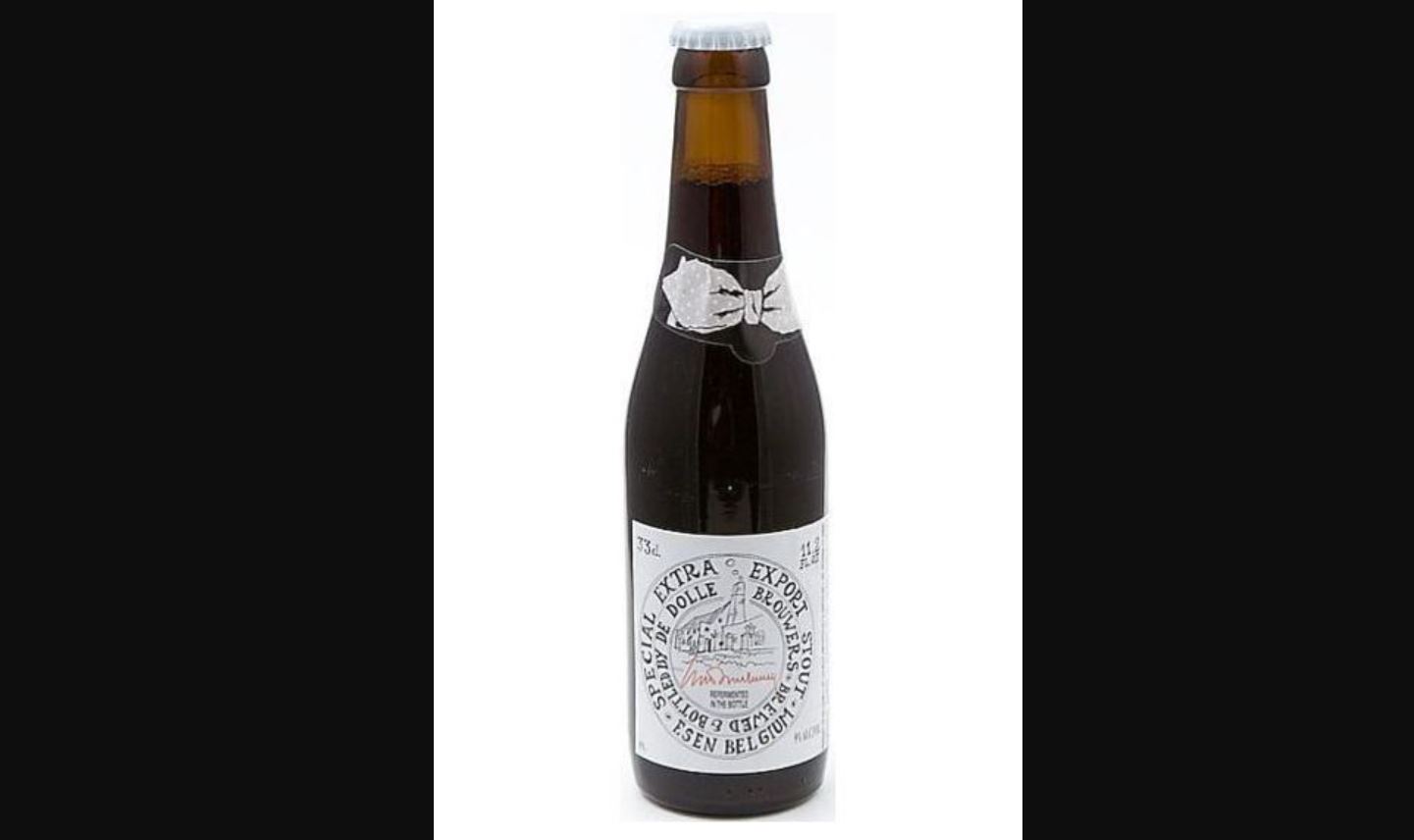
Brouwerij De Dolle Brouwers Extra Export Stout. Roasty, rich and malty combined with deep complex fruit flavors and a light finish. At 9%, this American stout-inspired Belgian brew has always been a cold-weather favorite. The Mad Brewers have been making strange yet traditional beers for some time now, and as long as they do I’ll be drinking them.
Coal Mine Avenue Brewing has the Javaplex Coffee Cream Ale that is a great breakfast beer. Hints of vanilla round out the coffee flavor in this cream ale, and the coffee they use is from a local roaster.
Working Draft The Usual
Working Draft
Garth E. Beyer, certified Cicerone® and owner and founder of Garth’s Brew Bar in Madison, Wisconsin
ABV: 5.2%
Average Price: Limited Availability
Why This Beer?
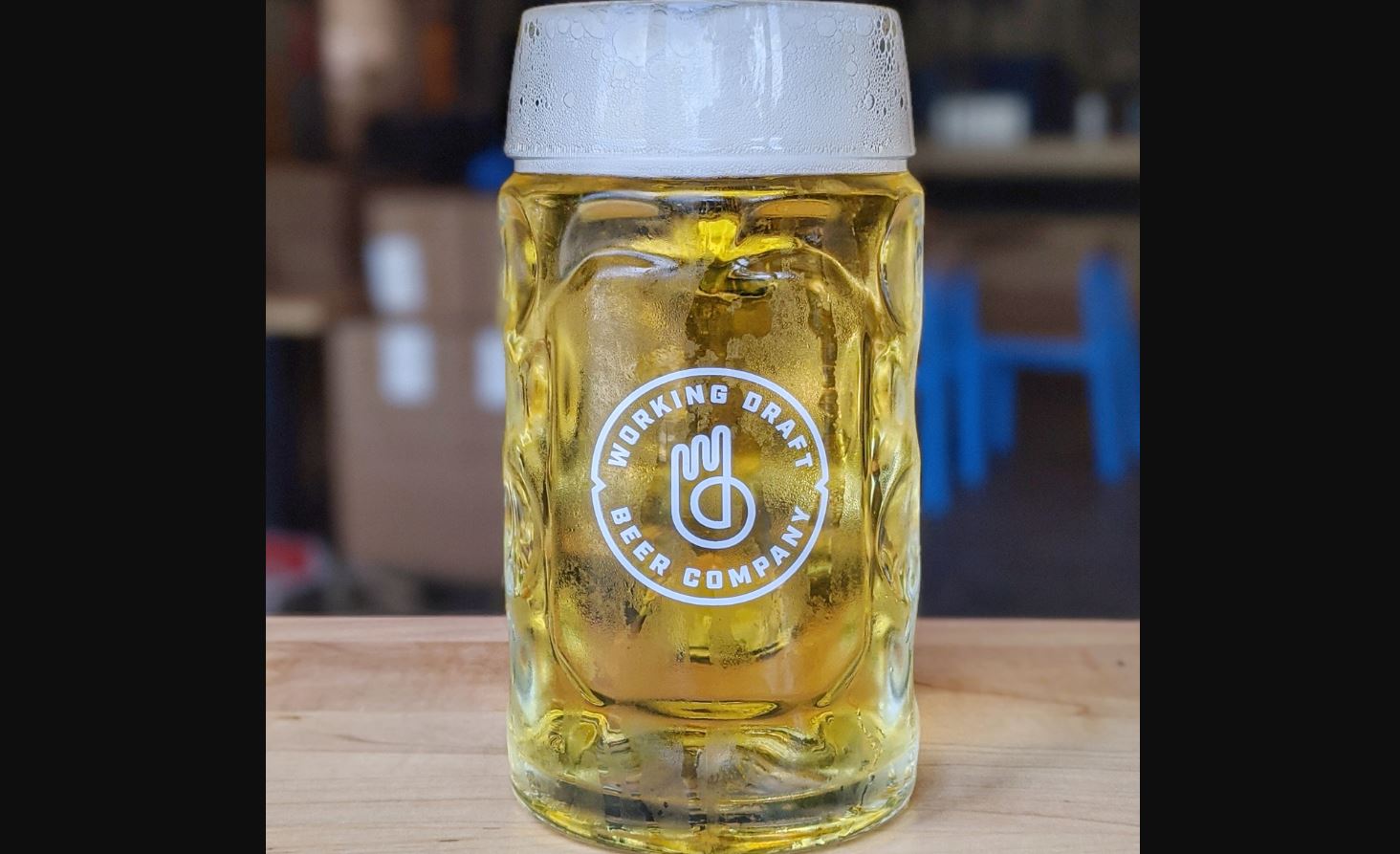
Every year I’m excited by the tweaks Working Draft Beer Company makes to The Usual (an ironic name for a beer that sees its recipe altered each year). This year’s coffee cream ale is infused with Madagascar vanilla and Mexican Oaxaca coffee from a local roaster called Rusty Dog Coffee Roasters. Vanilla can oftentimes be overpowering, but in this beer it’s subtle, just enough to complement the light roast coffee flavors rather than cover them.
Cerveceria Colorado Café de Olla
Cerveceria Colorado
Nico Cervantes, brewer at Resolute Brewing in Centennial, Colorado
ABV: 6.6%
Average Price: Limited Availability
Why This Beer?
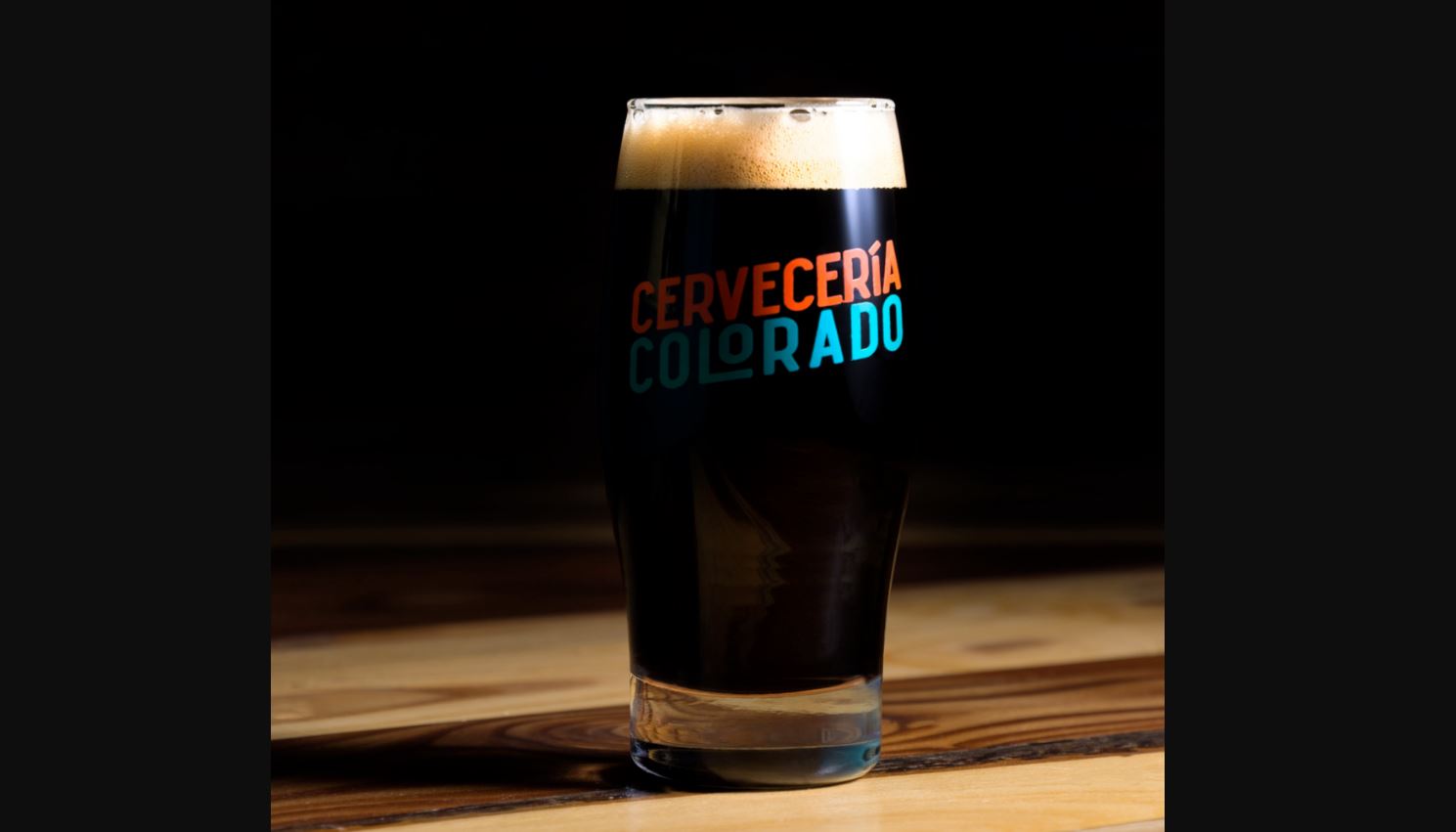
Cafe de Olla – Cerveceria Colorado. Cerveceria Colorado’s collaboration with Cerveceria San Pascual Baylon that pays homage to traditional cafe de olla is a coffee-lover’s dream. The flavors are punchy and in your face, but the beer itself is addictive and leaves you with a wonderful lingering bitterness and complexity of flavors that coat your tongue. Cafe de Olla truly walks the line between beer and coffee in a way that I’ve hardly ever experienced from other coffee beers. It’s an absolute joy to drink.
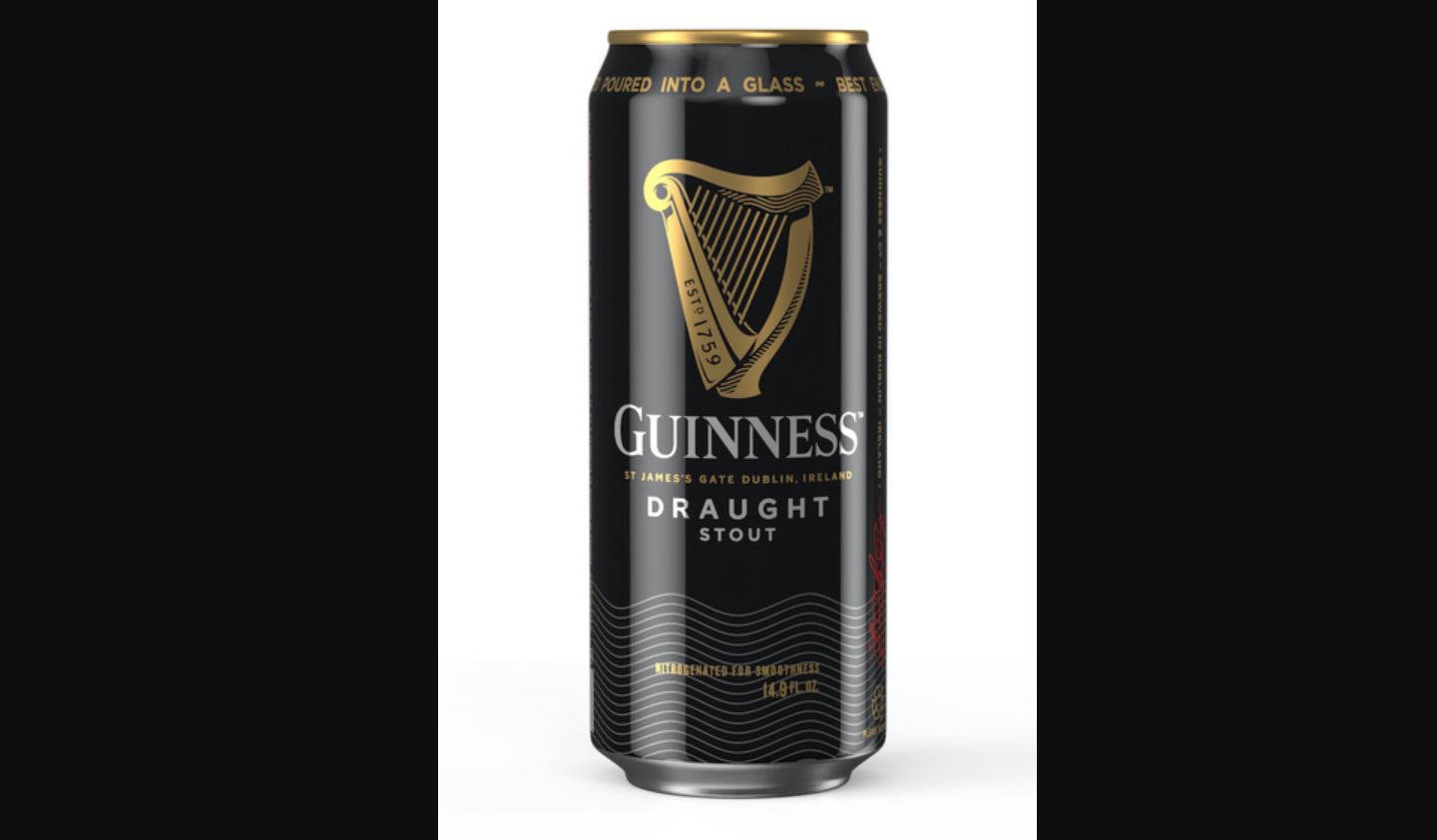
Probably sounds crazy but a great beer for fans of coffee is actually Guinness Stout. I feel like no one takes it seriously anymore, but it’s incredible. Insanely drinkable, with less alcohol than most American light lager, full of flavor, and that presentation with the nitro? Don’t get me started. A highly underrated beer.
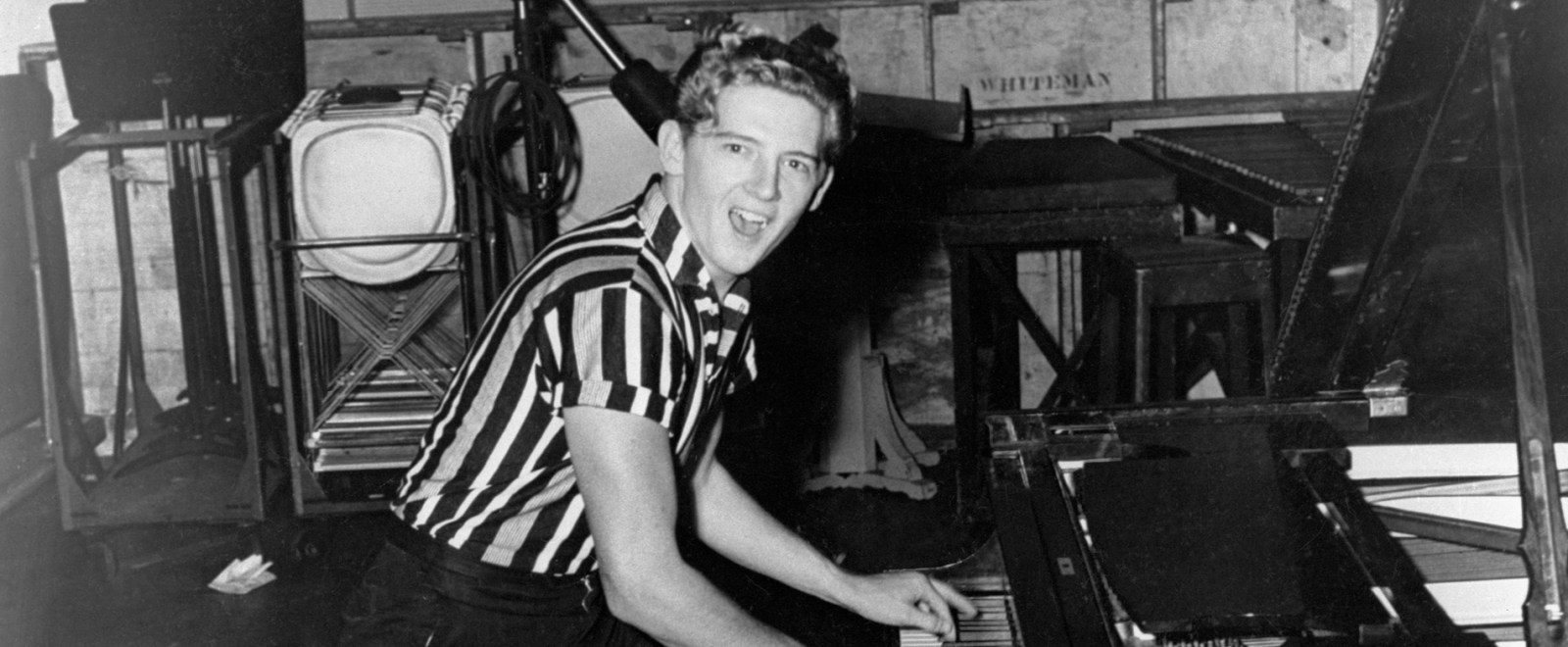
Jerry Lee Lewis is dead at 87 years old. His death was prematurely reported earlier this week, but now Lewis representative Zach Farnum has confirmed his passing to Variety.
A statement from Farnum reads, “Judith, his seventh wife, was by his side when he passed away at his home in Desoto County, Mississippi, south of Memphis. He told her, in his final days, that he welcomed the hereafter, and that he was not afraid.”
Lewis was born in Ferriday, Louisiana on September 29, 1935. His recording career began in the ’50s and two of his most enduring hits were released during this time: “Great Balls Of Fire” and “Whole Lot Of Shakin’ Going On,” both from 1957. He was also known for his flashy piano-playing style. The last album Lewis released during his lifetime was 2014’s Rock & Roll Time. Just a few days ago, on October 16, Lewis was inducted into the Country Music Hall Of Fame.
Lewis remained a capable showman even towards the end of his life: He performed at Chicago’s Riot Fest in 2018 and in his Uproxx review, Corbin Reiff wrote, “If I’m being completely honest, I was prepared for the worst. I’ve seen my fair share of ‘classic’ artists far younger than Jerry Lee turn in abysmal performances live, but damn it if the man still can’t play the ever-loving sh*t out of the piano. His voice may not be what it used to be — a little flat, lacking some of the signature nuance — but just to hear him fervently wail away on the ivories, running his hands up and down the keys, tossing off riffs and counter-melodies was absolutely astounding.”
After dropping his Kaytranada-produced EP Simple earlier this year, IDK is currently on tour opening up for Pusha T ahead of his upcoming stint overseas. Today, he released a new single, “Monsieur Dior,” in which he details tour life in a black-and-white, French New Wave-style video that sees him rapping in hallways, admiring his new tour bus, boxing training in a Dallas parking lot, and giving away sneakers. He also pays tribute to the late MF DOOM, with whom he previously collaborated and whose song “One Beer” partly inspired “Monsieur Dior” (both songs sample Cortex’s “Huit Octobre 1971”).
Although IDK hasn’t released a full-length project since 2021’s USee4Yourself, he’s still been pretty busy this year. In addition to releasing Simple with Kaytranada, backed by the singles “Taco,” “Dog Food,” and “Breathe,” he also made his NPR Tiny Desk debut, performing songs from Simple and capped the summer with a dual single release consisting of “Drive” and “Free Slime.” He’s got two more stops on his US tour, including one tonight in Providence, Rhode Island and Sunday in Wallingford, Connecticut, then he’s off to Cologne in Germany to begin his European swing.
You can watch the “Monsieur Dior” video above.
IDK is a Warner Music artist. Uproxx is an independent subsidiary of Warner Music Group.
Learning how to taste whiskey is a project. Part of that project is building a palate, something that happens over the course of a lifetime. You can’t teach a palate. But there’s another component you can teach, and that’s learning the ins and outs of how to taste whiskey. Once you learn that, it’s like riding a bike — you’ll never forget how to do it. With that in mind, I’m going to do my best to teach you how to taste whiskey like a pro.
I know, it’s a lot; all this frou-frou sipping, spitting, and analyzing. It feels… elitist, somehow. It can feel like a barrier to entry. All I can say is that the one hard-and-fast rule is that you can’t do it that wrong. If you treat a fancy Glencairn pour as a shot at a dive bar, then yes, you’re doing it wrong, and you’ll likely burn out your palate too boot, especially if it’s a high-proof pour. Beyond that, whiskey tasting is about taking a journey through a flavor profile, the kind that only you, with your singular palate, can take. There are steps, but we’re not talking about anything that rigid.
I open all my tasting experiences with this, “Your palate is not mine and vice versa. We’re all going to find different notes in every sip, and we’ll all be correct in what we find.”
You are supposed to experience as many different smells and flavors as possible while tasting a whiskey, that’s why you take your time with it. This leads to the old whiskey-tasting adage: You can’t be wrong when calling out a flavor note or aroma. There are close to a thousand chemical compounds that express as certain flavors or smells in a single glass of whiskey. If you taste gorgonzola, walnuts, and wild honey, then that’s what you taste. If anyone ever says you’re wrong, they’re full of shit.
Okay, let’s cut to the chase and actually dive into how to taste whiskey like a pro. I’ll guide you through. I’m a professional spirits taster, judge, and consultant. This stuff is literally my life and my tasting skills/palate acumen pay the bills. So, you’re in good hands.
Also Read: The Top 5 UPROXX Bourbon Posts Of The Last Six Months
The best place to start is to learn some of the words. Things like “the color,” “the nose/aroma,” and “the flavor/taste,” feel pretty obvious. What do you see, smell, and taste? The “finish,” on the other hand, is a little more esoteric. It’s about what you’re tasting, sure, but it’s also about vibe and experience. How does that whiskey leave you feeling? Does it transport you to your grandma’s kitchen while she’s baking cookies? Are you on a dock in the pouring rain shucking oysters? Where does it take you and how clearly does it do that?
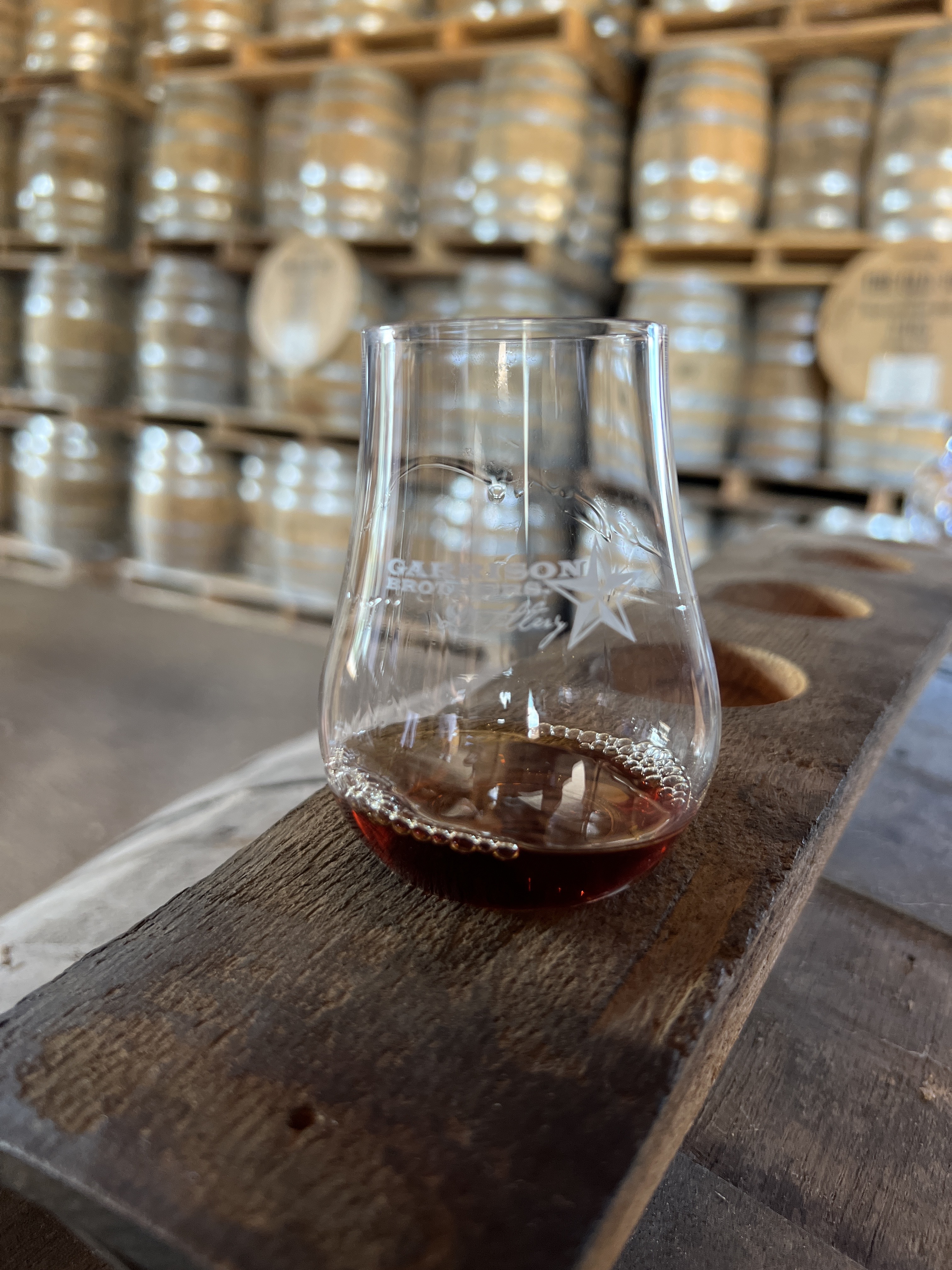
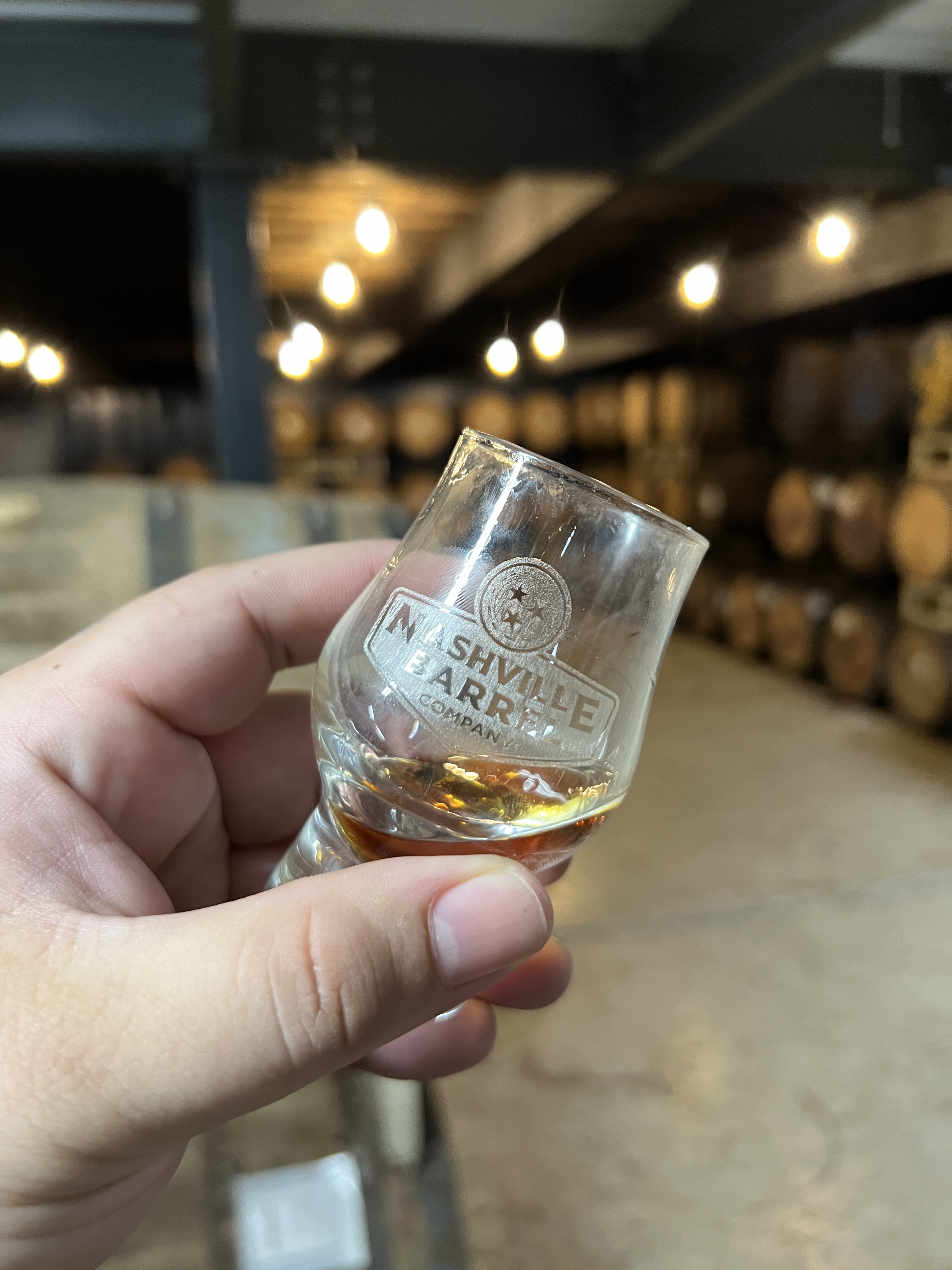
A “Glencairn” is the glass you’ll most likely see at a tasting. It’s the refined crystal glass that’s non-reactive, perfectly formed for nosing and tasting, and damn near universal.
A “flight” or “panel” is a set of whiskeys that you taste in succession.
We could get into “terpenes” or “esters” or other chemicals, but honestly, even I roll my eyes at folks who use those terms in the setting of a casual consumer whiskey tasting (if you’re talking about blending a whiskey as work at a distillery, that’s a different thing entirely). Still, you don’t really need to know about the compound “vanillin,” you can just say “vanilla.” The point is, you don’t need to get super technical here. Keep it simple.
Overall, go to whiskey tastings and listen to the guide. What they say will help you build out your whiskey language skills each and every time. It’s okay to learn as you go.
Do Some Research
Zach Johnston
I’d argue this is a little more important than learning what esters are. Learn about the whiskey(s) you’re tasting. Look up the history of the distillery. Look up the mash bills (recipes) and bottle details ahead of time. Learn about the people behind the brand/tasting. All of this is online these days either via brand websites or social media handles. The days of some master distiller or blender tinkering away in Scotland or Kentucky without any exposure to the consumer are long dead.
There’s a ton of information out there with full descriptions of what’s in the bottle physically and what to expect. Look at it this way: you can’t “spoil” what’s in a pour of whiskey by reading the brand’s tasting notes. There’s a good chance that you’ll never taste all the various notes they’ve listed, or that you’ll taste a whole bunch they didn’t, because, as we’ve said, you have a unique palate that’ll dictate all of this. So reading what the distiller/blender/bottler had in mind when they released a certain expression is a good way to understand what they were aiming for, but then you can also apply your own palate to see how far off or near that bull’s eye they landed with what’s actually in the bottle.
Set The Mood/Set Up
Zach Johnston
Unless you’re tasting at a distillery, bar, or liquor store, you’ll want to set the mood.
Think about the time of day, your mood, the climate in your home, where you’re going to sit, and what glasses you’re going to use (always use a Glencairn).
I like to have a window open (only a crack if it’s too hot or cold out, but still open). I tend to prefer some music on. I like Beethoven’s Sonatas. I was a music major when I first went to college and studied piano intensely since I was five, so this music is great background noise that I don’t have to focus on. If you really want to get specific, I usually go for his 5th, 6th, 21st, 23rd, 26th, or 28th sonatas (usually Glenn Gould). You don’t have to do that, but find some music that soothes you that you also don’t have to super focus on.
I always have a notepad with a pencil with me. You really want to write everything down. This is a great way to keep track but also call back to things you will forget as you taste more and more. Trust me, you will not be able to remember every detail of every pour you taste as you get a few months and years down the road. So having a journal/notebook to look back on is fundamental.
Now, pour some whiskey! I like to write down each pour I’m going to have as I pour it to keep track. Then you can fill in tasting notes and vibe notes as you go. I usually pour one-ounce pours only. This will give you a chance to nose and taste the whiskey two or three times. I also like pouring early and letting the whiskey set out for five to 10 minutes to allow some air to get to it. It helps it start to bloom in the glass quite a bit.
You’ll also want to ready a spitter (a pint glass is fine). We’re talking about tasting whiskey here, not drinking it. I also have a small glass of water so I can drop some in as I taste (but more on that later).
Lastly, clear your sinuses. Blow your nose. Then figure out which nostril has the most open path for smells (one will always be more open than the other) by nosing some whiskey with each individual nostril.
Prime Your Palate
Zach Johnston
Always prime your palate. I like to rinse my mouth out with gin and/or cheap whiskey. The gin really wakes up the palate by letting the alcohol give you an ABV pop while the flavor profile of gin is very broad and varied, which helps wake up your senses. I’ll also rinse my mouth out with a cheap but good whiskey (Wild Turkey 101 or Evan Williams or whatever you have on hand). This directs your senses toward the whiskey you’re about to taste. I sometimes do both if I’m feeling overly blank before a tasting just to really wake up the ol’ senses.
When I say “rinse,” I mean that I’m putting about one ounce of gin or whiskey in my mouth, sloshing it around for maybe 10-15 seconds, and then spitting it out. You’ll feel your senses waking up as you do this.
Naturally, the time of day is going to make a difference as well. I like doing my tastings early, before food and drink can affect my palate and mood. Post-lunch tastings are also good for me as I can reset my palate pretty easily after one small meal. I do plenty of tastings at the end of the day too, but those are much more about fun and being fast and loose with whoever is around. The point of this is to find your balance but remember that food, drink, and mood are all going to have an impact on what you smell and taste and how that pour makes you feel.
Dig In/Taste
Zach Johnston
Let’s bullet point this one out:
Hold the glass up to a white background and look at the color. Try and be as specific as possible with what you see. Is it more amber or maple syrup? Is it a light straw or sparkling apple cider? Write down what you think it looks like.
Give it a twirl and nose the glass. While nosing, make sure your mouth is slightly open, almost like you’re slack-jawed when you’re passed out asleep in a chair. Gently move your nose close to the glass until you sense a slight alcohol burn — you’re close enough. Now slowly inhale at the bottom, middle, and top of the glass and then the right and left sides (one breath for each). Each spot will carry a different set of smells from woody to spicy to fruity/sweet to bitter to savory. Write down what you’re smelling.
Take a small sip, just enough to coat the inside of your mouth with a thin layer. Roll it around. Roll it back and forth. Spit. What do you taste? What do you feel? Write it down.
Go back to the nose. Smell all those spots again. What do you smell now? How does it make you feel? Write it down.
Take another sip. Roll it around. Write down flavor notes as they come to you while the whiskey is still in your mouth! There are plenty of “ah-ha!” moments in every glass. Spit.
Now, take a moment, close your eyes, and reflect without the glass. Let the finish settle through your senses. Write down what you taste, smell, and feel.
You just tasted a whiskey like a pro.
Repeat
Zach Johnston
This is paramount to the experience. Go back and try things again. As I mentioned above, so many factors are in play when tasting whiskeys that it can affect what you’re smelling and tasting pretty drastically. I always re-taste whiskeys blind for our blind tastes on UPROXX because maybe my mood just didn’t vibe with some particular pour that day and it ended up last.
You need to be thorough. Some whiskeys just slap in the winter yet fall flat in summer. And that’s not because of the whiskey’s flavor profile, it’s because of how you’re feeling and where your palate is at that moment. Don’t dismiss something until you’ve tried it a few different times in unique circumstances.
Experiment
Zach Johnston
This last part is the fun part.
The first step to experimentation can happen immediately. Add a few drops of water to the whiskey while you’re tasting. Also, this is a great way to know if a taster or whiskey “pro” is full of shit. If anyone ever says that you aren’t supposed to “add water to whiskey,” they’re full of shit and flat-out wrong in every way.
Here’s an insider “secret” — All distillers/blenders proof their whiskey down to 20% (40 proof) with water when tasting whiskey for the bottling line. Yes, even for “cask strength” expressions. Some American distillers only go down to 30 or 40%, but that’s more the exception than the rule. The reason they do this is that whiskey is most pronounced flavor-wise at that proof point. That’s where you get the clearest expression of the whiskey on your nose and tongue.
You don’t need to worry about proofing your whiskey down that much. A few drops of (good) water is fine. This will allow the whiskey to “bloom” in the glass, a process whereby chemical compounds are softened and separate (a bit), releasing clearer flavor notes for your nose and mouth to capture.
Next, pour your whiskey over a rock or two. How does the temperature change affect the flavor and nose? How about in a cocktail? Try the whiskey in some of your favorite cocktails and highballs. Now, how does that whiskey taste/stand up to mixing? Have fun with it. Find the balance you like. And then write that shit down in your notebook so you don’t forget!
This past summer, DVSN shook the room more than they ever had. The duo kicked off the campaign toward their fourth album Working On My Karma with “If I Get Caught.” Over a sample of Jay-Z’s “Dead Presidents,” Daley sings that love can remain in a relationship even if he hypothetically gets caught cheating on his partner.
The direction shocked listeners, especially to those who’ve been beside the duo since their early days. With lines like, “You wouldn’t want me if you thought I never had h*es” and “Women like men other women like,” to start the record, the shock wasn’t surprising. Daley defended the song for many reasons, including that it’s a part of a narrative that will make sense once the album arrives. Still, the song was in numerous debates that interrupted a normally smooth campaign toward a DVSN album. It led me to ask Daley if he would pick another single to start the Working On My Karma rollout, if given the chance. “No, no, definitely not,” he replied during our Zoom call ahead of the album’s release. “It did what it was supposed to do.” While causing a ruckus wasn’t the main intention behind the song, Daley admits that they didn’t want to be pushed aside as releasing another ol’ record. “We were not trying to have the same thing of dropping a song that’s a great song, an amazing song, whatever it might be, and people being able to pass over it with a ‘yeah that’s dope.’”
True to his hopes, “If I Get Caught” didn’t get brushed aside by listeners. Additionally, the song does make sense within the narrative of Working On My Karma. What follows that record is “Stay Faithful,” a remorseful and pleading number that lays the regrets of infidelity on wax. Next, Jagged Edge arrives to provide vocals on “What’s Up,” a song that presents a bit of a double meaning depending on how the listener interprets it, which Daley confirms. In his words, the song can be viewed as the “downfall of the city boy” or “somebody trying and struggling with providing somebody else with what it is that they expect for themselves.” There is no right option between the two, but your selection does affect the listening experience to conclude the album as one love story ends and another begins. A perspective outside of your own is something DVSN aims to provide with Working On My Karma, and they sought to do so with blunt truths of the world that connect back to the album title. “It deals with a lot of brutal honesty,” Daley concludes about Working On My Karma. “Whether that’s looking at yourself with that lens, or looking outward at relationships with that lens, or the things that you’re hearing or dealing with in the world today.”
Contributions from music greats Jermaine Dupri and Bryan-Michael Cox on Working On My Karma helped DVSN plate something new in front of their fans. What started as an “impromptu meeting” between them, as Daley describes it, led to “a real friendship and understanding and connection and bond” by the end of a weekend of recording music. Together, the group joined forces to achieve a new goal: “press the reset button on the R&B game.” In looking at the state of R&B today, Daley concludes that the genre needs “somebody to come in and kind of lead the way,” a task that he believes DVSN is more than equipped to take on. “We know that to do that, [the music] had to progress and go back to its roots at the same time,” he notes. “You can’t just go straight back, and you can’t just go further and further away from what made it what it was.” In addition to Dupri and Cox’s contributions, the past comes alive on Working On My Karma through a guest appearance from Jagged Edge and DVSN’s natural connection to traditional R&B. The future sees life thanks to a feature from Bleu and DVSN’s focus on constantly progressing and evolving to stand out from the pack.
Looking at Working On My Karma, infidelity and the numerous consequences that can come from it play a foundation role throughout the album. To DVSN’s credit, they aren’t for social media-esque debates about whether cheating is a forgivable act or something alike. Rather, DVSN wants us to look in that mirror, recognize our faults, and correct them. “Trying to get it right at the end of the day,” he notes when asked about the meaning of the Working On My Karma title. “Trying to be better than you’ve been, you know? Because [you] realize that you can only get out of life when you put into it.” Daley has no issue admitting to a past far from the straight and narrow, and through his admissions in and outside of music, he hopes others can be as open as he is. “These are the real-life stages that we’re going through and that everyone is going through, so I’m narrating it,” he says. “Sometimes people don’t want to look in the mirror for a second, but this is what it is, this is what R&B is supposed to be. We’re supposed to narrate the love stories that we’re dealing with. This is where we are, we don’t like it, we should change the reality because the art is only imitating life at this point.”
This love story that DVSN provides for their fourth album ends in an ironic way. After explaining why he’s hard to love and why he struggles to love on “Daniel’s Interlude,” Daley sings about rediscovering love on “Get Even.” Moments removed from losing a woman due to his infidelity, we expect karma to leave him to suffer heartbreak. Instead, he falls for a woman that can’t fully love him as he loves her because, with Daley, she is stepping out on the main man in her life. “I just thought it was a dope way to be like don’t always think that things come back to you the way that you planned them to or expected them to,” he explains. “Me cheating on somebody maybe didn’t come back as I got cheated on, maybe it came back as I end up falling for somebody who was just like me.” That somebody is a person who is “not even fully available to me” leaving him to “sit here and play this position, who knows, temporarily? Or maybe this is it.” All in all, it’s a new perspective that DVSN provides to conclude the album, which highlights the price of righting your wrongs, or as DVSN calls it, working on your karma.
Looking back at all the concerns and questions that arrived ahead of Working On My Karma, Daley believes they were premature to say the least. “It’s like, c’mon you know us,” he says. “You don’t have to all of a sudden be like, ‘Oh, you guys are pushing this toxic narrative.’ It’s like no, if you know us, you know we’ve been making love songs, sex songs, wedding songs — every different kind of song about relationships and songs that deal with some brutal honesty at times. To me, this was no different.” However, what is different is what DVSN brings to the table for each project. During our conversation, Daley acknowledges fans repeated requests for a release similar to Sept. 5th, DVSN’s debut album that lives as a classic of sorts within their fanbase. While the love is appreciated, Daley knows that their debut “spoke to certain people and not others.” He adds, “I think we just have to realize that you’re never going to be able to completely do everything that everybody wants.” Daley also notes that recreating something from the past isn’t all that stimulating for their artistry. “For us to remake or go try to make something in the vibe of or in the lane of — especially when it comes to the Sept. 5th sound — it’s literally nothing to us,” Daley says. “That’s the easiest thing. We could go make a record that will sound like it could’ve been a part of that in a second. It’s second nature. It’s like saying telling Jay-Z, ‘Give me some hustler dope boy raps.’ It’s like, ‘Oh, okay.’”
At the end of the day, DVSN simply wants to continue to stand out and separate themselves from the pack, and Working On My Karma is their latest and most direct attempt at doing so. “I really want it to be a new marker of when R&B started to shift in this direction,” Daley says toward the end of our conversation. “I think we’re all kind of tired of having to be fed all the same things now.”
Working On My Karma is out now via OVO Sound/Warner Records. You can stream it here.
DVSN is a Warner Music artist. Uproxx is an independent subsidiary of Warner Music Group.
In a video interview posted to Penguin Random House’s YouTube channel, the A Song of Ice and Fire author asked Pride of Carthage novelist David Anthony Durham if he was “troubled” by the time jumps and re-castings in season one. He gave a magnanimous answer, saying that he wouldn’t use the word “troubled” but he wishes “we could have spent more time with everything,” before Martin gave a behind-the-scenes perspective.
“One of the big issues with all of these writers was where to begin,” he said in the video posted above. “[House of the Dragon showrunner Ryan Condal] began in [episode 101] with the Great Council where the Lords vote that Jaehaerys’s heir — he’s just lost his son Baelon, who has died of appendicitis — so who is his heir now? And the lords vote to choose Viserys over Rhaenys.”
Martin wasn’t sure if he should have revealed this, but “that [beginning] was not handed down by some muse from ancient Greece. We — myself and the other writers — had a lot of spirited discussions about where to begin that story.” One writer wanted to begin with Viserys’ first wife Aemma dying, while another suggested kicking things off with Viserys’ death, which isn’t depicted on House of the Dragon until late in the season. Martin’s “favorite possibility” was to begin the show “much earlier.” He explained:
“I would have began it like 40 years earlier with the episode I would have called ‘The Heir and the Spare,’ in which Jaehaerys’s two sons, Aemon and Baelon, are alive. And we see the friendship, but also the rivalry, between the two sides of the great house. You know, Aemon dies accidentally when a Myrish crossbowman shoots him by accident on Tarth and then Jaehaerys has to decide who becomes the new heir. Is it the daughter of the older son who’s just died or is it the second son, who has sons of his own and is a man and she’s just a teenage girl?”
But then, Martin admitted, “you would have had 40 more years and you would have had even more time jumps and you would have even more re-castings and, yeah, I was the only one who was really enthused about that.”
This website uses cookies to improve your experience. We'll assume you're ok with this, but you can opt-out if you wish. Cookie settingsACCEPT
Privacy & Cookies Policy
Privacy Overview
This website uses cookies to improve your experience while you navigate through the website. Out of these cookies, the cookies that are categorized as necessary are stored on your browser as they are essential for the working of basic functionalities of the website. We also use third-party cookies that help us analyze and understand how you use this website. These cookies will be stored in your browser only with your consent. You also have the option to opt-out of these cookies. But opting out of some of these cookies may have an effect on your browsing experience.
Necessary cookies are absolutely essential for the website to function properly. This category only includes cookies that ensures basic functionalities and security features of the website. These cookies do not store any personal information.
Any cookies that may not be particularly necessary for the website to function and is used specifically to collect user personal data via analytics, ads, other embedded contents are termed as non-necessary cookies. It is mandatory to procure user consent prior to running these cookies on your website.