Nearly every main cast member from the original Saved by the Bell returned for Peacock’s surprisingly good revival, minus two: Dennis Haskins, who played Principal Belding, and Dustin Diamond. Screech’s absence was explained away by him living on the International Space Station, which sounds ridiculous until you remember he once built a robot named Kevin. Sadly, Diamond died earlier this year, but he got a touching tribute in the season two premiere.
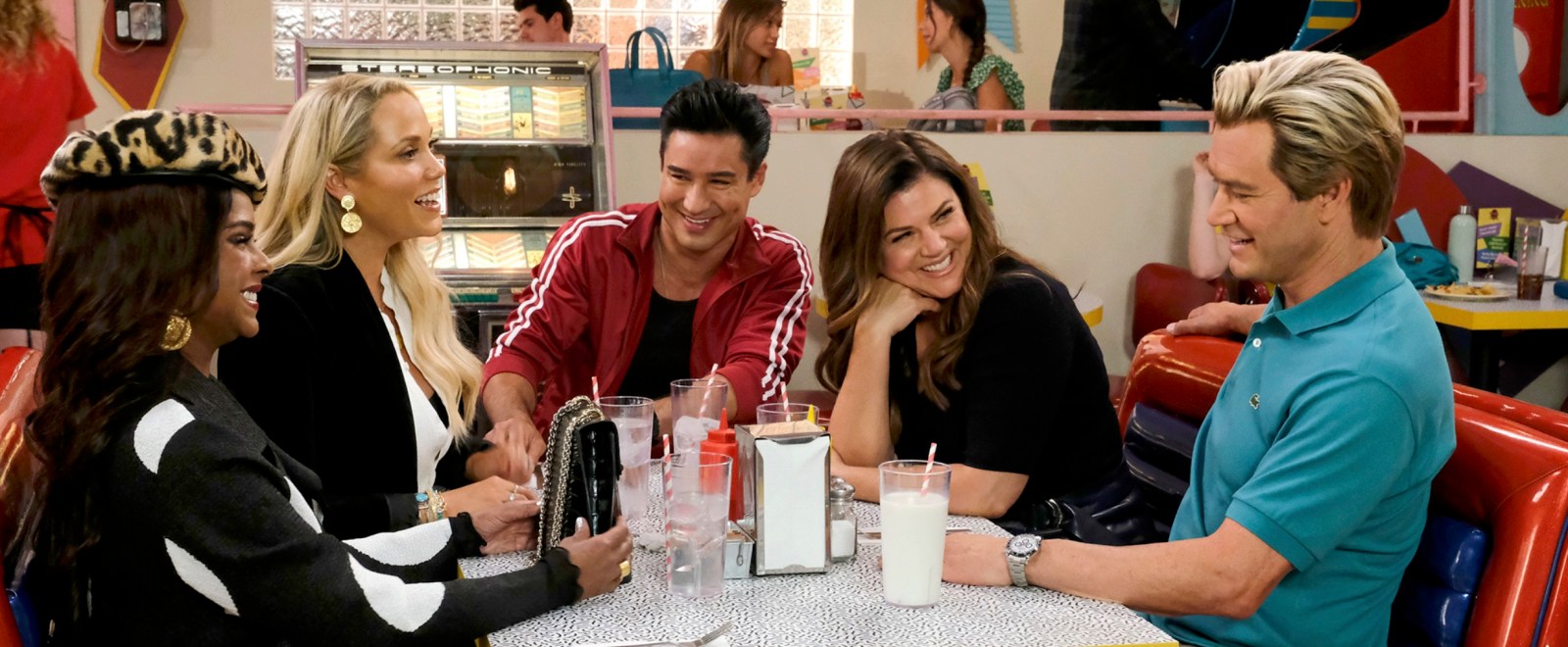
The episode begins with the students and teachers of Bayside High returning to school for the first time since the pandemic started. Slater (Mario Lopez) refuses to attend “the thing at The Max,” or even explain why, until he changes his mind and joins his friends, Jessie (Elizabeth Berkley), Zach (Mark-Paul Gosselaar), Kelly (Tiffani Thiessen), and Lisa (Lark Voorhies). They bond over the new addition to the restaurant’s menu, Screech’s Spaghetti Burger (it’s a fun throwback), and reminisce about their friend.
Zack: Do you guys remember the time that he got struck by lightning and was psychic for a week?
Jessie: And then you used his powers to cheat on a midterm?
Zack: Yeah! Why didn’t we go to, like, Vegas? Or… stop the Gulf War?
[Awkward silence]
Lisa: Hey, you know, I was still mad that that little dweeb beat me at becoming Miss Bayside.
Kelly: Yeah, me too!
Jessie: He was so funny.
Slater: Yeah…
Zack: To Screech!
Although it is never revealed how Screech died (or even if he did in the universe of the show; it’s only heavily implied), his pals remember the old days with a montage of some of his most memorable moments. Executive producer Tracey Wigfield explained that “it would have been wrong to not acknowledge [Diamond’s death] in a real way and to not have our OG characters mourning this character that we’ll never get to see again.”
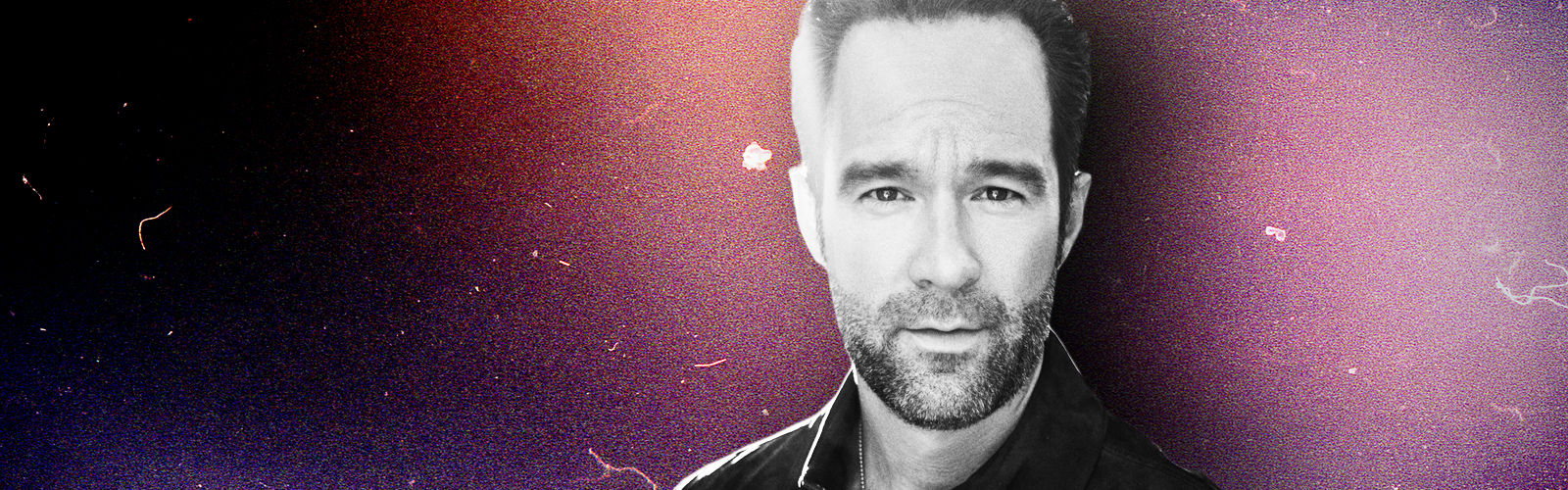
It’s been 30 years since big and small screen “that guy” character actor Chris Diamantopoulos got his start as a Canadian child actor in commercials. Before, as he says, puberty wreaked havoc on him.
Theater and the prospect of walking in the footsteps of his personal hero and old school song and dance man Danny Kaye (White Christmas) re-lit the lamp and Broadway opportunities soon popped up. Then came voicework (which also offered a chance to sing here and there, such as in his role as the voice of Mickey Mouse) and an on-screen career purposely focused on avoiding typecasting while playing Moe Howard, Robin Williams, everyone’s favorite fictional VC douchebag Russ Hanneman on Silicon Valley, and a would-be homewrecker on The Office.
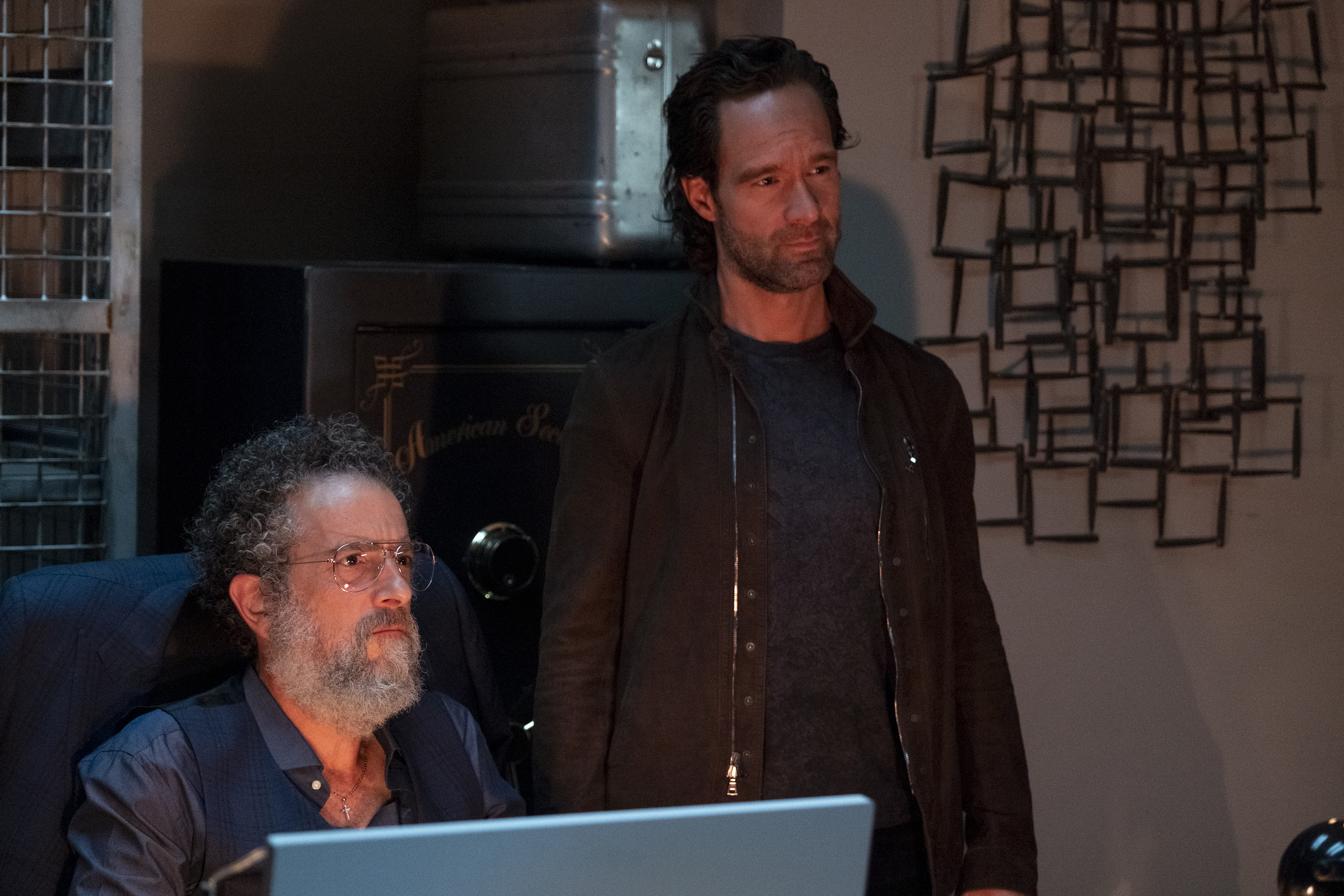
Now Diamantopoulos is popping up as villains of decidedly different flavors in Red Notice and True Story(dropping November 24 on Netflix) while lending his voice talents to Inside Job and the upcoming Diary Of A Wimpy Kid. The man is busy, he might also be the most “happy to be here interview” I’ve ever had, talking with boundless exuberance and a genuine affection for his craft, the history that surrounds him, and the chance to play with the biggest stars on the planet. Between those moments and him falling into tremendous impressions of Kaye, Sean Connery, and Mickey Mouse where he delivered full sections of dialogue lifted from various projects, there’s plenty of conversation about those two distinct projects (specifically the tonal changeup with his brooding True Story character), the pressure of playing Robin Williams, and that time everyone blamed him for almost wrecking The Office.
With Red Notice and True Story, obviously, these are both villainous characters where you’re trying to find shades and flavors within that same kind of role, so that you don’t get bored and so that you feel like you’re contributing something unique each time and don’t get pigeonholed. Can you talk a little about that?
So I mean, I’ve made a career of trying to avoid that as best I could. I did Silicon Valley, before that show I hadn’t really done a lot of comedy. I mean, I did Three Stooges, but I was on 24, I was more a dramatic actor. Silicon Valley hit and then all of a sudden everyone wants me to play a prototypical douchebag, which is fine, but you got to write it as well as it’s going to be written with Silicon Valley, and that was about as good of TV writing as you could get.
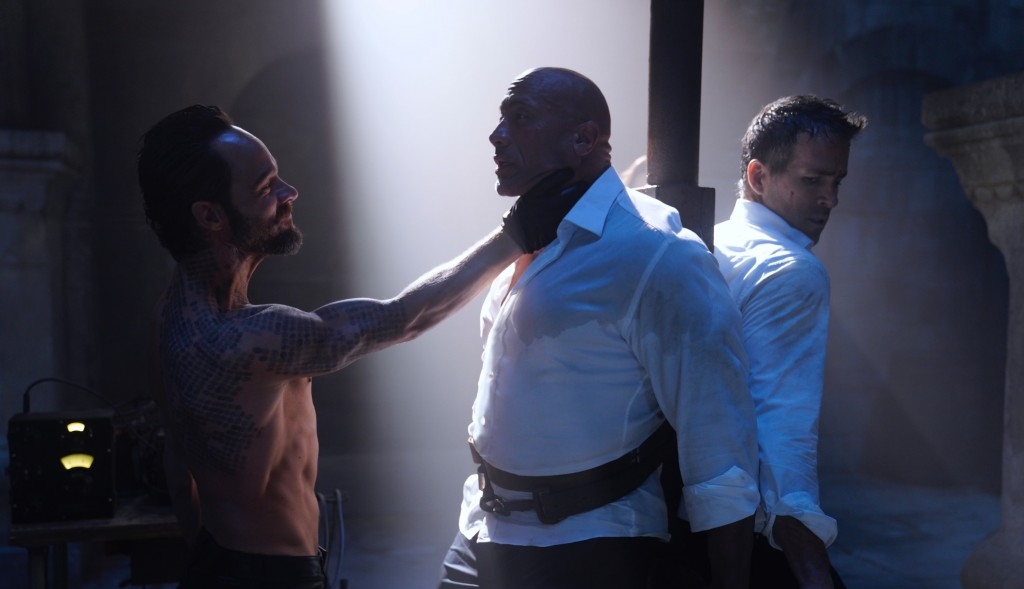
Now, that’s not to say that I don’t want to play a role that I’ve played before, but with Red Notice and True Story, I will say, yes, they are both villains, but that’s really where it ends because Red Notice is larger than life, it’s a fantasy, it’s a 90s action-comedy romp that requires a little bit of a tongue in cheek, nefarious sort of quality. A mustache twirl if you were. It was an opportunity to work with the three biggest movie stars in the world, a terrific filmmaker, and to try my hand at that sort of Bond-ian trope. True Story is very, very rooted, very grounded, very Scorsese-esque. The character says very little, and only engages physically and quite brutally.
Oh, he’s like a human bullet, it’s great.
I appreciate that, and that was really the intention. I wanted the character to be like a lion in the prairie where it’s like, “Oh, so placid and he’s not really doing anything. He’s just kind of chewing.” And then when the gazelle shows, it’s just fucking on and nothing is going to stop him. And I love that idea. I love that notion. And that’s what excited me about that role. For an actor that’s as facile with words as I am and as verbose as I can be, it was a great opportunity to just turn all that off and put it all just into physicality and into the face.
NETFLIX
In terms of the physicality, it’s interesting because Wesley Snipes would appear to me to be larger than you. And obviously, comes with a reputation of just kicking ass in Passenger 57 and Blade and everything like that. In Red Notice, obviously, you’re going up against Dwayne Johnson, who is a human mountain. How do you take on that challenge with the physicality of going up against guys that are, no offense, but if I were to do a tale of the tape, I’m probably giving them the edge in a fight.
That’s a great question and no offense taken. I mean, look, one of the great things about what I do for a living is the level of fantasy that I can allow an audience into and I can also allow myself that freedom to have the fantasy that… so what would it be like if I could pose a threat to these people? Right? And so it really just begins with the backstory of the characters. In each instance, as funny as this may sound, it’s not the size, it’s the quality. And it really is. Because I may be physically slightly smaller than Wesley and I may be physically much smaller than DJ, but in the instances that I am posing a threat to each of them, there’s no chance that they’re going to get out of it. Both of them are at the risk of losing their lives because my character has been either more clever or more vicious than them. So actually, there was something quite freeing about it. I didn’t need to peacock to pretend to be bigger than either of them, I was just going to be scarier.
A thing that I loved about the character [in True Story], is that Wesley was a window for the audience. Wesley showed our level of disgust and fear, and my character would look at him like, “What the fuck? What? You’re disgusted by this?” The amount of torture that my character in True Story inflicts, it’s like he’s taking a fast-food order. There’s nothing to it. That’s the true sociopathic nature, which I think actually makes for a good villain. And in that sense, I would love Hollywood to come calling with more villainous roles because there are so many ways to be a villain.
You’ve been a villain in a few different places. People could say you were a villain in The Office.
Okay. And people do. Sometimes people will scream at me and say, “I can’t believe what you tried to do to Jim and Pam!”
Walking up to that situation, knowing how beloved those characters were and that you were going to present a blockade to the happy ending that I think everybody was envisioning — what’s it like to go into that situation?
I was petrified because I loved the show and I loved Jim and Pam and it was an ever-evolving storyline as it was pitched to me, and Greg [Daniels, show creator] and John [Krasinski] and Jenna [Fisher] were so deeply engaged, and at times not necessarily in agreement as to how it should wrap up. And so it made for some tenuous moments for me because typically, I want to collaborate on a set. You know what I mean? I want to be able to add my input, but in this instance I knew my place, right? I mean, these people spent a decade crafting these characters, and for me to just come in and throw a monkey wrench in, I didn’t really have the currency to say, “Oh well, what if Brian did this?” You know what I mean?
I knew better to sit back and let them figure it out. To their credit, I think they did a good job, but we ended up shooting a bunch of stuff that didn’t end up in the show. I know Jenna had some ideas that were different than John’s originally, and I know that Greg had some ideas that were different than both of theirs as well, but there was a real collaborative spirit. And you could tell that all of them wanted this to go the right way. I think that there was also just that notion of, “There might be a couple of right ways. Let’s see.”
Netflix
I want to get back to something you were saying about working with the three biggest movie stars in the world. Despite your experience, there has to be a level of intimidation, right? Tell me a little bit about how that’s changed in your career and just how you still deal with it?
Of course. And I get goosebumps and I get butterflies on every sound stage set and stage that I step on, partially because, as corny as it sounds, I still fucking love it and it still feels like the first time I get to do it. I mean I drive by Paramount and I’m like, “There’s Paramount.” I mean, I still do that. I don’t know why.
Is there an Imposter Syndrome aspect to it? Do you feel like somebody’s going to tap you on the shoulder one day and tell you it’s over?
Yes, for sure. Every job I do I think is going to be the last job I’m going to do. Not because I think I’ve done something horrible, but because I just think, I can’t be this lucky. At a certain point, my luck’s going to run out. And I love what I do so much that I don’t want it to run out.
Does that help to push your interest in staving off complacency with the roles you choose?
If it’s going to be my last one, I might as well go for it. That’s part of it. The other part of it is that I got into this because I enjoyed playing as a kid, pretending as a kid. And so when I show up in the room and there’s DJ and Ryan and Gal, for me to not play even more would be a disservice to myself and to my 10-year-old self. It’s like, yes, I mean it was hugely challenging for me to be in the room with those three and not be intimidated, and then I took that intimidation and just put it into my exuberance for being there.
In terms of, still speaking to that intimidation factor and that factor of trying to pay service to your 10-year-old self, you were familiar with the Three Stooges growing up, but when you’re playing a character like Moe Howard, or Sinatra, or Robin Williams what’s the intimidation factor to get that right? Especially with Robin Williams where it’s someone who was alive at the time.
So in that project, the challenge was that I was such a fan of Robin Williams. He was such a hero of mine, but I was a young working actor that was hungry to work. And so when I auditioned for this and I got it, I wasn’t going to say, “Oh, I can’t do this because it’s material about…” I had to do it. The other challenge was when I got the script, I realized that all the impressions in the script, we weren’t allowed to do them because it wasn’t an authorized biography and he wasn’t going to allow us to do any. So I had to go through and find impressions of characters that he’d never done before and make it seem like he’d done them.
So there was that challenge, and then the last challenge was that whole thing, for me, was an homage to him. And I’m sure, I’m not sure if he saw it, he probably didn’t, and if he did, if I were to be in his shoes, he probably wouldn’t have seen it as an homage. You know what I mean? Because it was invasive by virtue of what it was, but it was an homage. It was a love letter. So the challenge for me was to allow myself to get over that and to really just try and tell an honest story. To be frank, I love when I’ve had the opportunity to play a character that comes from history that I might have heard or seen, because it gives me a really fully loaded arsenal as an actor. If I know the voice, if I know the physical stature, if I know the cadence, if I know the gait, that eliminates so many variables that I don’t have to create, I can use those. I can mold my body, my voice, my face, my being into that.
With Silicon Valley and Russ Hanneman, have you had any interactions with actual tech bros and gotten any feedback? I would imagine, just based on the lack of self-awareness, that they fucking love it.
Well, let me tell you, as I… Hang on. First let me fill my cup with… [raises a “This Guy Fucks” mug]
There it is. Wow.
The VC startup bro billionaire world seems to have adopted Russ as their unofficial Patron Saint.
That must feel great.
I mean, look, what’s great about it is talk about a liberty and a freedom as an actor. When you’re playing the most reviled douchebag of a human being, when you’re playing the worst man on earth, well what can you be afraid of? If you’re already universally loathed, well, then you’re kind of impervious, then it’s like you’re from Krypton.
History has proven that out over the last few years, I’ll say.
But really there was something so liberating about not needing to be… Look, every character I play, I want to make sure that people like this or that or that it… With Russ, it didn’t fucking matter. It really didn’t matter. I mean, add to that the fact that I was given such tremendous writing, but really I could just go for it. I think that the community really embraced Russ very, very well, and it’s been a hoot for me. People yell, “This guy fucks,” at me all the time when I walk down the street. It’s not great when I’m with my children, though.
Not the best timing.
No.
‘Red Notice’ and ‘Inside Job’ are streaming on Netflix. ‘True Story’ drops on Netflix November 24
Jimmy Kimmel seems to have a sort of soft spot (for lack of a better term) for Mike Lindell, which at this point is kind of understandable. In many ways, the MyPillow man seems to be Donald Trump’s biggest champion, perhaps even more so than Trump himself.
While the former president will likely spend the upcoming holiday playing golf, stuffing his face, and possibly exchanging texts with Kyle Rittenhouse—“U up?”—Lindell will continue spending his time, energy, and money trying to prove that the 2020 presidential election was rigged. And, as he admitted on Tuesday night’s show, Kimmel wants to be a part of it.
“The MyPillow Man Mike Lindell… has quite a weekend planned. He’s hosting a 96-hour-long ‘Thanksathon’ on his website. He’ll be doing his greatest hits about election fraud and whatnot. He announced today that he planning to bring his case to the Supreme Court in order to ‘do a new election.’ I’m sure they’ll get right on that.
I mentioned last night: Mike Lindell invited me to call into his Delusia-Palooza this weekend, which honestly I would enjoy doing. I’d probably let him come over for Thanksgiving dinner. He goes on and on about the election, my father tells us about his knee surgery—I think they could cancel each other out. But my wife isn’t as excited about me getting on a Zoom with a bunch of conspiracy theorists over Thanksgiving as I am.”
Though Kimmel probably won’t be able to make it, Lindell saw that coming. So is suggesting that just as Kimmel has a guy who plays a Fake Mike Lindell, Lindell has decided to get a Fake Jimmy Kimmel to come on his marathon of lies. Kimmel shared a clip of Lindell, who decided that if Kimmel won’t commit to being a part of his Thanksgiving festivities, he will work on finding a Fake Jimmy—and Kimmel couldn’t be more thrilled by the idea.
“Ok, well now I’m not going to commit,” he told viewers, “because I’m dying to see who the fake Jimmy is going to be. That would be fun, right? What are they going to come up with?”
Only time will tell whether Lindell features Real or Fake Jimmy. Whichever the case, we’re sure you’ll be able to catch the highlights online. Then again, sitting through all 96 hours of Lindell spouting off looney conspiracy theories and suggesting we melt down voter machines to make prison bars isn’t that much different than what Thanksgiving will be for most of us.
You can watch the full clip above. The Lindell conversation begins around the 3:00 mark.
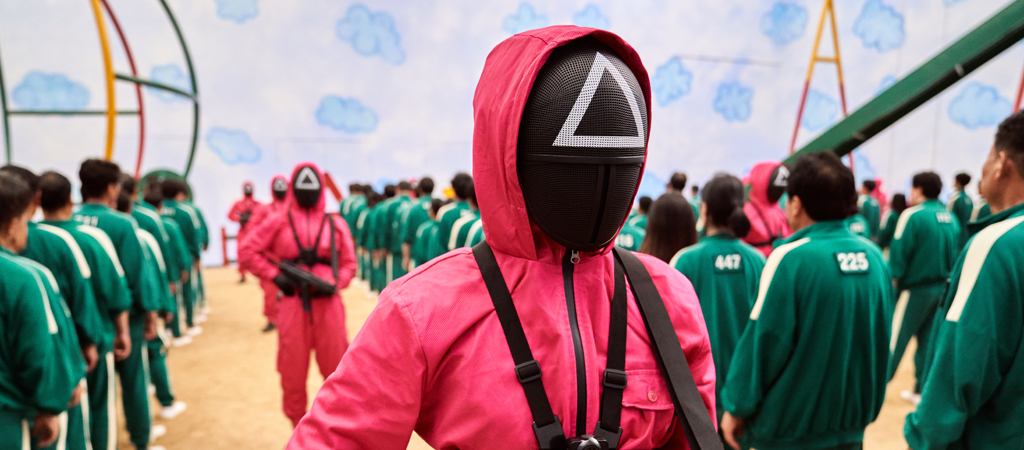
Due to its dystopian setting involving poverty-stricken contestants playing children’s games to the death, Squid Game has reportedly found a receptive audience in North Korea, where the show has to be literally smuggled in by USB flash drives. Unfortunately, such an act violates the government’s newly passed Elimination of Reactionary Thought and Culture law, which has already reportedly doomed a man to death by firing squad for selling copies of the Netflix series to high school students, who are also facing severe punishments.
Even their teachers are feeling the brunt of it. Via Radio Free Asia:
“The government is taking this incident very seriously, saying that the students’ education was being neglected. The Central Committee dismissed the school principal, their youth secretary, and their homeroom teacher,” the source said.
“They were also expelled from the party. It is certain that they will be sent to toil in coal mines or exiled to rural parts of the country, so other school teachers are all worrying that it could happen to them too if one of their students is also caught up in the investigation,” said the source.
According to sources, the government is relentlessly pursuing how the copies of Squid Game were abled to be smuggled in despite border restrictions, and from the sound of things, the process won’t be pretty.
“It means that the bloody winds of investigation and punishment will soon blow,” a source told Radio Free Asia, which also reports that at least one of the students’ wealthy parents have been able to bribe officials and spare their child punishment. It’s almost like a scenario straight out of Squid Game, so no wonder the show is hitting so hard with anyone who’s willing to risk watching it in North Korea.
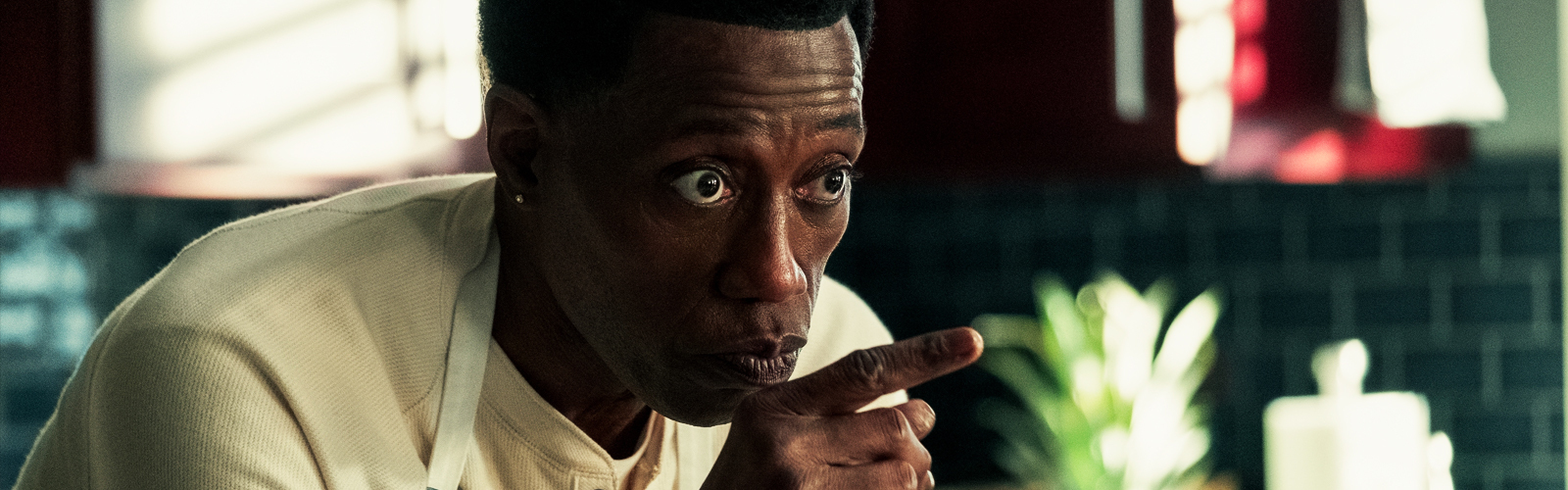
Stop me if you’ve heard this one: Wesley Snipes stands out in a supporting role, supplying gravitas, charm, and/or energy, causing people to remember that this dude is one of the true movie stars of the last 30 years with a run of classics across comedy, action, and drama that’s hard to best. That’s been the narrative surrounding Snipes’ performances in Dolemite Is My Name and Coming 2 America, and so it shall be in True Story, a tense slow-burn tale about family, fame, lies, and what we’re capable of when we feel like someone is trying to take everything from us.
In the seven-episode Netflix series from former Narcosshowrunner Eric Newman, Wesley Snipes plays Carlton, a prideful drain on his famous comedian brother’s bank account and an impediment to him getting some distance from his bad habits. Kevin Hart is the star of the show as The Kid, and he’s never been better as his character is pushed deeper and deeper in a hole with the aid of Carlton. But Hart feeds off of Snipes’ layered and wildly compelling portrait of a conman trying to work the angles no matter the heaving danger in front of him or the evidence against him, navigating these moments with a mix of bluster, charm, and pitty.
We spoke with Snipes and Newman about building this character, how Snipes set the tone and Hart had something to prove, comeback kid labels, how True Story definitely isn’t Curb Your Enthusiasm, and more.
How did this story come to be?
Eric Newman: Kevin [Hart] called me sometime during, I think, the fifth season of Narcos. Kevin called me out of the blue, and he said he wanted to kill someone. He said he wanted to do something dark and different and get his hands dirty. And I thought about it a bit and came up with a version of it that worked for me. I kept coming back to this character of his brother, the betrayer. In all great stories and perhaps in even not great stories, each person is a victim or hero in their own story. And in Kid’s brother Carlton, we needed a little bit of both. And for this whole exercise to work, that part became essential.
I remember having a conversation. I’ve been a fan of Wesley’s forever. And I tried to put him into Narcos at one point. We met, and that didn’t work out. But I said to Kevin, “The guy that should be your brother is Wesley.” And we got on the phone with Wesley, and he either thought we were insane or that we were going to fail spectacularly. And he wanted a front-row seat to that. Or perhaps more likely, he saw that we were serious, and he joined us. And I think he tied the whole thing together.
Wesley, is that your memory of it? Were you just trying to get a front-row seat?
Wesley Snipes: That’s not the memory I have of it at all! [Laughs] Actually, I thought it was going to be like Curb Your Enthusiasm. And if you remember, Eric, I said that on our first Zoom meeting, and the whole conference call went silent. Everybody went quiet. Not Curb Your Enthusiasm. I don’t know. Like some other comedy? They were like, “No, no, this is serious. Very serious.”
Maybe on the next season of Curb Your Enthusiasm, they make a hard turn. Larry kills somebody. You never know.
Snipes: I gotta get Eric a commission off of that.
Wesley, did I hear a little Charlie Murphy in the voice that you use for Carlton? Is that just me?
Snipes: Very good! Very good. I did draw a little bit from Charlie Murphy. And me and Charlie knew each other. Rest in peace, my brother. Oh, man. Yeah. We knew each other very well. We used to go to the same places to get our hair trimmed, our lines and stuff. And I always thought Charlie’s way of talking was very unique. You know? Trying to look at how the Philly guys talk and what that tone is like and how they use their fingers and then use their hands and talk with their hands and all of this kind of stuff. I said, “Okay, let me try to bring a little bit of this into it, to give it some authenticity.” My training is to go and find those pieces of personality that people recognize or are familiar with and try to make it organic and authentic. And yeah, I looked at a lot of tapes and listened to a lot of Roots music. You know who The Roots are?
Yes, I do.
Neo-soul, and how these cats talk and try to bring some of that to it.
This is really a different look for Kevin Hart in a lot of ways. Did he just completely blow away your expectations?
Snipes: Definitely. He did more than I expected. He was much more committed than I anticipated. And he recognized that to be someone else and to create a narrative that’s not you, you got to go in deep, you got to be focused. You got to be emotionally committed to it. And he went there. Yeah. I was most pleased with it. But for me, the best thing is the process. While we’re doing it, I’m enjoying it… I’m like a pig in slop, baby. I am enjoying myself. You know what I’m saying? The magic that emerges from one of those moments where the fire is really there and it really connects, I get off on that. I love it.
Eric, same question to you about Kevin’s performance.
Newman: I credit Kevin’s determination and ambition, but I think Wesley raised the bar for everybody. You don’t show up to set if you’re in a scene with Wesley Snipes where you are not prepared, and you’re not willing to rise to the challenge. And I think it set a great bar. To be honest, some of the most complicated stuff we did in the first five days of shooting, Kevin and Wesley together, Kevin’s big scene with Billy Zane, all of these scenes were… You try to set a tone. And the hope is you have a schedule that allows you to kind of get into it a bit and everyone to get comfortable. We didn’t have that, but we had Wesley. And when Wesley walked on set, you felt it, you felt it for the whole crew. I have so much respect for what actors do. Great actors. And so, we didn’t cast this show because of the way anyone looked, though, they all look great. It was, who’s the best person for this part who understands the part, and who can deliver? And truthfully, and Kevin will admit this, Kevin was the one that had to grow into this. Kevin was the one with something to prove. And I think that this cast came through for him, and he came through for it. And as I said, and Wesley knows this, because I’ve said it to him a million times, I’m so grateful to have Wesley in this show. And part of me still can’t believe that I have Wesley in this show.
Wesley, I can see the future and see what the reviews are going to be. And it’s kind of along what Eric was saying. So often in your most recent projects you stand out and everyone calls it a comeback. You’ve been doing this for a long time, and you’ve been amazing for a long time. How do you take that praise?
Snipes: Yeah. I take it with a grain of salt, you know? For us, it’s about learning to master the craft, similar to a martial artist or a boxer, an athlete, learning to really be a master of the craft and being able to demonstrate your proficiency in any circumstances, regardless of what it is. The show must go on. So, COVID protocols, no COVID protocols, 12 weeks, 30 weeks to film? The goal is to be ready for all of it and still push the envelope of your talent and your skills and make it believable and hopefully entertaining it at the same time.
Last question, and it’s a silly one, but it’s on my mind. Demolition Man era, the hair. When you see Dennis Rodman with the same hair back in the ’90s, does that make you feel good? Or are you like, “This man’s ripping off my look?”
Snipes: [in mock anger] Hell no, I’m mad! You owe me money! All of them cats, man. Black guy with blonde hair. [Laughs]
Should have trademarked it. Should’ve trademarked that and that three seashells thing.
Yeah. Next time. Next time. I got new hairdos I’m coming up with, so I’ll get another shot at it.
‘True Story’ will be available to stream on Netflix starting November 24
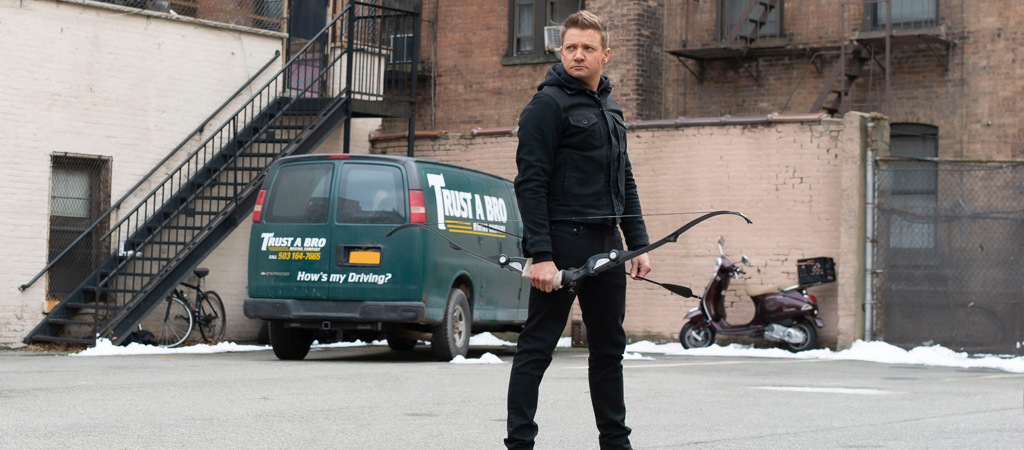
Hawkeye (for the holidays) premiered two episodes on this pre-Thanksgiving Wednesday, and the show’s surprisingly (to me) engaging. Hailee Steinfeld rocks her Kate Bishop role while wearing a suit and roasting Clint Barton for needing a good rebranding. For his part, Hawkeye only wants to go home and retire again, so he is overall miserable, but he should be able to pass the bow and arrow on soon. And not only will his successor be worthy, but she’ll also enjoy what she’s doing.
Yep, Kate grew up in the shadow of the Avengers’ global introduction during the Attack on New York, and fans are (of course) looking forward to seeing Florence Pugh’s Yelena Belova come for Hawkeye after Valentina blamed him for Natasha’s death. However, the premiere episodes revealed a few other new MCU characters, and one of them could capture the hardest of hearts. That would be Lucky, a.k.a. “Pizza Dog.” He is one of the goodest of boys, and because of that, he got his own poster.
Lucky, of course, took a fancy to Kate, and he’s got quite an action-packed history in the comics. Dating back to 2012, the comics painted him as a dog (previously named Arrow) owned by a Tracksuit Gang member. He lost an eye while saving Hawkeye’s butt, and Clint changed his name to Lucky. And as Marvel has previously demonstrated with Goose from Captain Marvel, Alligator Loki (from Loki, obv), and Morris from Shang-Chi and the Legend of the Ten Rings, Kevin Feige sure knows how to do mascots well.
And then there was the villainous reveal at the end, which will undoubtedly see followup in the coming weeks. Echo will get her own Disney+ MCU show, but in the meantime, she’s coming for Hawkeye. She’s the orphaned daughter of Kingpin/William Fisk and a previous adversary of Daredevil/Matt Murdock. The decision to introduce her as the head of the Tracksuit Gang (before she later switches sides and becomes heroic) is a telling one, so watch out for next week, Hawkeye and Kate.
Recording Academy CEO Harvey Mason Jr. was asked specifically about Manson’s nomination by TheWrap and he responded:
“We won’t restrict the people who can submit their material for consideration. We won’t look back at people’s history, we won’t look at their criminal record, we won’t look at anything other than the legality within our rules of, is this recording for this work eligible based on date and other criteria. If it is, they can submit for consideration.
What we will control is our stages, our shows, our events, our red carpets. We’ll take a look at anyone who is asking to be a part of that, asking to be in attendance, and we’ll make our decisions at that point. But we’re not going to be in the business of restricting people from submitting their work for our voters to decide on.”
At the previous Grammys, the rules for Album Of The Year stated that the “award credited artists, features artists, songwriters, producers, mixers, engineers with 33 percent playing time of the album.” For the 2022 Grammys, though, the “33 percent” part of the rule has been removed, which means Manson is included as part of Donda‘s nomination.
Find the full list of 2022 Grammy nominations here.
How To With John Wilson hit with a lingering blow when it dropped in October of 2020, right before the winter COVID surge and a time of crushed holiday plans that deepened the despair and disconnection felt by millions who had sheltered in place and socially distanced in the months prior. For me, personally, it was a reminder of the joys of people watching and the charming weirdness so many of us put out into the world in our daily actions. But as season 2 nears its launch, the world is a bit different. How will that impact our collective reaction to the show? That remains to be seen, but there is no shortage of endearing, relatable, fascinating, and odd threads spun into the quilt of this new season.
In the following conversation with Wilson that touches on the vibe and composition of these new six episodes (which launch on Friday at 10PM on HBO), getting more personal about his own life in the show (with a couple of, “wait, what?” moments that we won’t spoil), and the response from some of the first season’s standouts (foreskin guy!), he matter of factly reconfirms the truth about the show: “this is the world we live in.” So true, so simple. What we take from it says a lot about us and where we are, which isn’t something Wilson can control. He’s just out there reminding us of how fascinating people can be when we actually look at them. Especially through his lens.
Last year, I wrote about how the show made me believe in humanity again. Praise like that… I know the show got such a great reception and so much praise. How does that kind of get into the gears of your creative process?
I really try not to let it get to my head and my day-to-day, honestly, hasn’t really changed that much. I am still just in my apartment. Like if I’m filming sausages in a frying pan, that usually doesn’t change. But I don’t know. I mean people that I talk to in season two; some of them have definitely seen season one. And it actually helped a lot of the time, because there’s almost like this proof of concept now and they understand what the tone is in a way that they didn’t in season one. Like in season one, I think some people were kind of suspicious sometimes because they were only familiar with the kind of Sascha Baron Cohen [style], you know? And even though Nathan [Felder, show producer] is a genius and involved, his show is tonally different than mine, so it’s like when they look that up, they just don’t really understand how they’re going to be treated. Yeah, [that familiarity] opened more doors this season than I ever thought it would.
Is there any concern about that ever flipping over the other way, where people start to be a little bit more performative and start trying to lean into the pieces, jeopardizing the authenticity? Like Real World back in the day, where you saw it change eventually to where people realized it was a chance to get famous.
That’s the producer’s fault that they chose people that performed. I’m extremely sensitive to stuff like that and I don’t like to feature people that are at all performing. I know what that looks like and it just takes the life out of it for me. There are way more real people in the world than there are performers and I… so I don’t think there’ll ever be a shortage of that. Is there anyone in season two… stuff you’ve seen from season two, that you feel like would fit that bill?
I’m still trying to wrap my head around the energy drink guy and what that was about.
[Laughs] Well, okay, that’s a good example, right? So it’s like he is just naturally an exhibitionist. I think a lot of people are in the show. Whether it’s the foreskin guy [from last season] or whoever. And that’s like a point of entry for that person and you… like of course he’s trying to sell his energy drink.
Oh yeah, I mean he basically treats the episode like it’s an episode of MTV Cribs.
Yeah. But also at the same time, it is within this larger framework that kind of tells a much larger story, that is not just about his drink. And that’s the kind of performance that I’m okay with. Just because… I understand that he is trying to use this as a commercial, while I’m personally looking for something much deeper there. And the relationship is what’s interesting about a scene like that.
Did you hear from anyone from season one with any negative feelings from their portrayals?
Not really. I was worried about one or two people, but like the circumcision guy loves it. He is promoting the show constantly. The Mandela Effect people love it, like the international Mandela Effect community; they’re constantly tweeting about the show and how to find it. It’s like the circumcision guy; he sends me photos of people watching the show on planes, you know? He’s really proud of it and that’s the thing, it’s like… context aside, everyone that I feature, I like to keep their messaging intact. No pun intended. [Laughs]
So if you wanted to lift a segment out of it, that is like a true platform for whoever is featured.
Going back to what I was saying at the start, with how much the show connected with people at a very specific time, is there pressure on you going into season two, to have that same connection when things are a bit different?
That’s just the default, you know? I really don’t feel as much pressure to have the same kind of imagery, because that’s just all the show is. And here’s more imagery like that, there’s more interesting imagery now than there was when we shot the first season. It made it so much easier. I mean we shot the first season mostly during the winter of 2019. And this season, we shot all during the summer, which was such a dream; everybody’s out, and a lot of it was in that sweet spot. Like when the vaccine was administered and before Delta, it was like when people had this kind of weird confidence to kind of bloom in the streets. I don’t know. I mean there’s always pressure because you’re not sure how much lightning in a bottle you’re really going to be able to capture. But if you just spend enough time and have enough people working, doing the thing that you need to do, it just yields so much amazing stuff. And that’s just like part of the experiment.
That space between winter ’19 when you filmed season one [including the finale, which focused on the early days of the pandemic in 2020] and summer ’21 when you filmed this season… There isn’t a lot of COVID in this season. Was there a choice made to not really show some of the heavier moments? I assume you documented all of that in-between time. Is that going to live someplace?
Yeah, I mean I have like an overwhelming amount of material from the empty streets kind of phase of the pandemic. You may not notice it, but a lot of it is in episodes one through five. But like a lot of times when I’m filming someone on the street, it’s just like an isolated person, so it doesn’t have the kind of panoramic effect that the season one finale did. I wanted to just have this be almost like a relief for the audience to not have to stare directly in the face… You say that it doesn’t have as much of the pandemic in it… That specific period of the pandemic doesn’t seem like it’s the key focus. Not that season one was dripping with it. It’s not a disappointment. I understand what you’re saying and I honestly feel everyone’s doing this. No one is wanting to go back and focus on stories showing that. I think I had an expectation when I turned it on, based on our conversation last year, because I know you had footage.
Like indirectly, it’s like if the pandemic didn’t happen, I don’t think my landlord would have moved to Las Vegas, you know? I think that was like a direct kind of cause or something that you can definitely point at that happened because of the pandemic, but I just didn’t want to like, acknowledge it in that way, you know?
It would also date it quite a bit, wouldn’t it?
Exactly. Like even when I watch the finale from the first season now; I watched it again recently and I started to cringe at points, being like this almost feels too dated to me, now. Like I almost wish I even talked about what was happening, less. I don’t know. But I never want to George Lucas my shit, you know? [Laughs]
Correct me if I’m wrong on this but is the show a little bit more of a personal story this season?
Yeah, totally. It’s like when you make a new friend. You begin to learn just a little about them at first, and then like after a few months, they might start to tell you all these stories that they wouldn’t tell an acquaintance. I wanted to get people comfortable and familiar with the format and just me as like a narrator who has a personal history that I dip in and out of. And the fact that people responded positively to that, I felt comfortable kind of putting all this other stuff in that I really wanted to put in the first season. So it feels very much like the evolution that I created and I can finally put all of this stuff from my personal history that I think that people would maybe care a bit more about now.
Season 2 of ‘How To With John Wilson’ premieres on Friday November 26 on HBO at 10PM ET
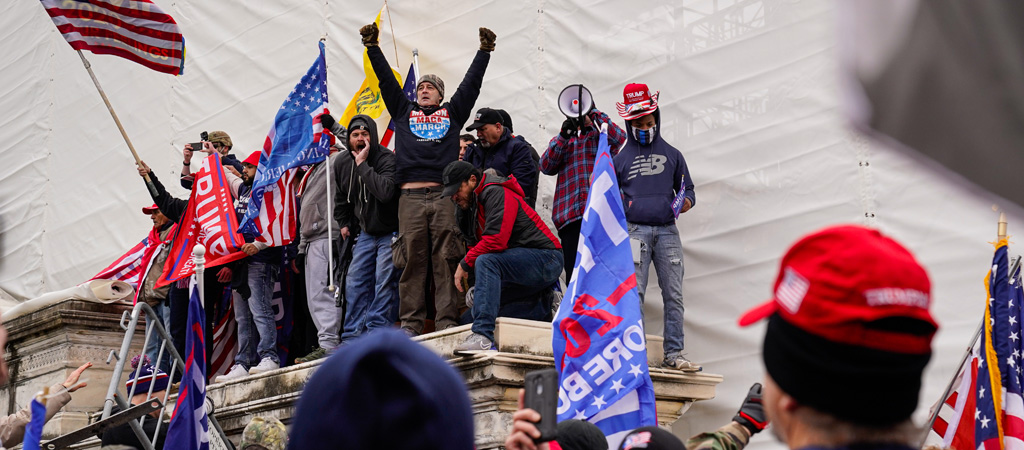
Anyone who has ever watched The Wire(and, side note: if you haven’t, you should) knows that you only use a burner phone when you’re up to some no-good shenanigans and want to eliminate any possible trail of your shady-ass activities linking back to you. While the folks who stormed the Capitol on January 6th didn’t seem to be nearly as organized as the Barksdale Organization, it appears they took a hint from Stringer Bell when they planned out how the organizers of the day’s events would communicate with White House higher-ups.
According to a new report in Rolling Stone, which was confirmed by three different sources who worked with the March for Trump group, say that the group’s leader had three burner phones purchases—one of which she kept for herself—to speak with White House staffers and members of Trump’s inner circle (including family members) while planning for the events of January 6th.
Kylie Kremer, a top official in the “March for Trump” group that helped plan the Ellipse rally, directed an aide to pick up three burner phones days before Jan. 6, according to three sources who were involved in the event. One of the sources, a member of the “March for Trump” team, says Kremer insisted the phones be purchased using cash and described this as being “of the utmost importance.”
The three sources said Kylie Kremer took one of the phones and used it to communicate with top White House and Trump campaign officials, including Eric Trump, the president’s second-oldest son, who leads the family’s real-estate business; Lara Trump, Eric’s wife and a former senior Trump campaign consultant; Mark Meadows, the former White House chief of staff; and Katrina Pierson, a Trump surrogate and campaign consultant.
While Kylie had one of the phones and her mother/fellow organizer, Amy Kremer, kept another, it is not yet known who received the third phone.
A March for Trump team member, whose claims were confirmed by two others, said that Kylie “said she needed burner phones in order to communicate with high-level people” and that “any conversation she had with the White House or Trump family took place on those phones.” No one on Team Trump—including Trump himself, his former chief of staff Mark Meadows, or his family members—responded to Rolling Stone’s request for comment.
Rolling Stone was able to review some of the Kremers’ group messages and other communications, and did not find evidence of planning for any sort of violence, though Walker writes that:
There could still be some evidence of direct communications between Kylie Kremer and the White House in more traditional phone records. The team member says that there were rare exceptions in which Kylie Kremer used her regular phone to communicate with Trump officials. “She talked with Mark Meadows on her personal phone once, but mainly on the burner phone,” the team member says.
But the conversations on those phones were not just limited to the MAGA riots of January 6th. One source recalled that around December 2020, just as the “March for Trump” tour began its journey in Las Vegas, the group stayed at the Trump International Hotel Las Vegas, which is co-owned and managed by Trump’s former real estate company. When the group asked to park their bus—which was decked out with ginormous pictures of the then-president and divisive messaging about the 2020 presidential election results—in front of the property, hotel management said no… unless they could get a Trump family member to approve it. Photos from that event show the bus parked front and center, with the Rolling Stone source noting that “Amy and Kylie got Eric and Lara on the phone right away.”
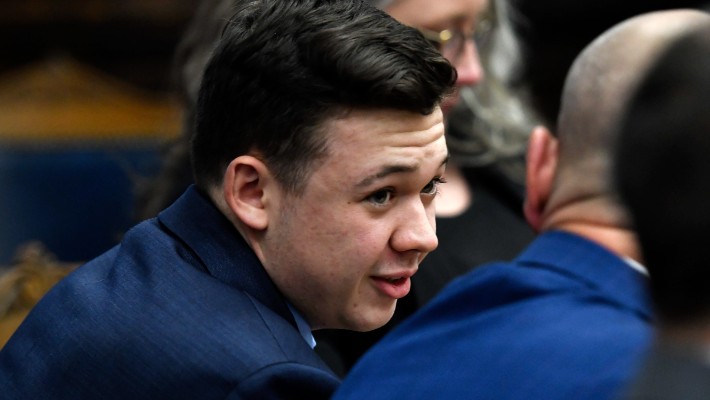
For someone who Tucker Carlson says is “not particularly political,” Kyle Rittenhouse sure does seem to have a type. It has been just five days since the 18-year-old was acquitted of all charges after fatally shooting two men, and wounding another, with an AR-style semi-automatic rifle in Kenosha, Wisconsin in August of 2020. And already he has managed to sit down with Carlson for an exclusive—and lengthy—one-on-one with the Fox News host, then apparently made his way to Mar-a-Lago in Palm Beach, Florida, where he caught up with a certain former president who has yet to concede the 2020 election.
According to Politico, Donald Trump held a press conference (really?) on Tuesday during which he shared the news that Rittenhouse had just left Mar-a-Lago. Exactly how did that meeting come to be? Flattery.
“He called,” Trump told Sean Hannity during an hour-long interview that aired on Tuesday. “He wanted to know if he could come over, say hello, because he was a fan.”
“He came over with his mother. Really a nice young man,” Trump—echoing Carlson’s description of Rittenhouse as a “sweet kid”—continued. “What he went through… that was prosecutorial misconduct,” Trump said, according to Politico. “He should not have had to suffer through a trial for that. He was going to be dead. If he didn’t pull that trigger, that guy that put the gun to his head, in one quarter of a second, he was going to pull the trigger—Kyle would’ve been dead.”
Trump, of course, was nowhere near the scene of the incident.
Donald Trump Jr. shared a picture of his pops with the freshly acquitted teen, which he cringingly captioned “GOATs.”
Though Rittenhouse himself has stressed that “No matter what your opinion is or where you stand, this wasn’t a political case,” the teen seems to be embracing the hero status he has gained amongst some of the GOP’s most controversial members; Matt Gaetz, Paul Gosar, Madison Cawthorn, and Lauren Boebert are among the loose cannons currently engaged in a friendly battle to prove who loves Rittenhouse the most. While Paul Gosar has challenged Matt Gaetz to an arm-wrestling match to decide who’ll get to offer Rittenhouse an internship first, Lauren Boebert went one step further (as she often does) by suggesting that she and Madison Cawthorn, who uses a wheelchair, have a foot race to determine who gets the kid.
Justice was served for #KyleRittenhouse and he is fully exonerated. As I said last year, obviously self-defense.
Meanwhile, as Reuters reported, the family of Anthony Huber, one of Rittenhouse’s victims, issued a statement noting that the not guilty verdict “means there is no accountability for the person who murdered our son. It sends the unacceptable message that armed civilians can show up in any town, incite violence, and then use the danger they have created to justify shooting people in the street. We hope that decent people will join us in forcefully rejecting that message and demanding more of our laws, our officials, and our justice system.”
This website uses cookies to improve your experience. We'll assume you're ok with this, but you can opt-out if you wish. Cookie settingsACCEPT
Privacy & Cookies Policy
Privacy Overview
This website uses cookies to improve your experience while you navigate through the website. Out of these cookies, the cookies that are categorized as necessary are stored on your browser as they are essential for the working of basic functionalities of the website. We also use third-party cookies that help us analyze and understand how you use this website. These cookies will be stored in your browser only with your consent. You also have the option to opt-out of these cookies. But opting out of some of these cookies may have an effect on your browsing experience.
Necessary cookies are absolutely essential for the website to function properly. This category only includes cookies that ensures basic functionalities and security features of the website. These cookies do not store any personal information.
Any cookies that may not be particularly necessary for the website to function and is used specifically to collect user personal data via analytics, ads, other embedded contents are termed as non-necessary cookies. It is mandatory to procure user consent prior to running these cookies on your website.

 Hawkeye
  (@LadyLokiHiddles)
 (@asgardianangelx)
  (@BorkEternal)

 (@FandomCrunch)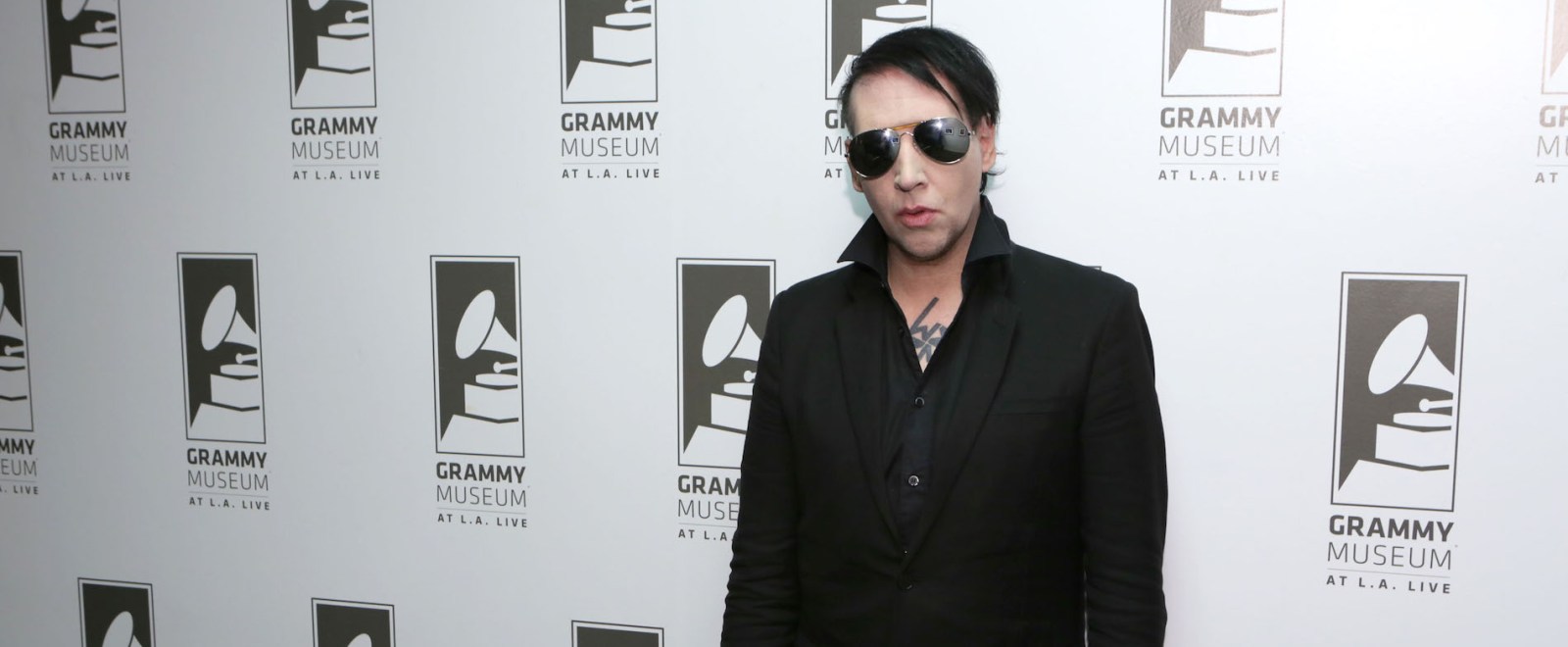

 (@mtgreenee)