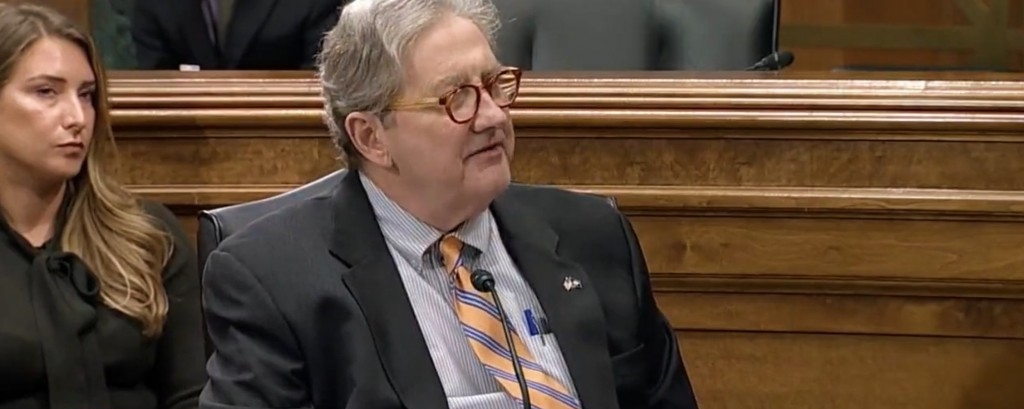
A hearing for the Senate Banking Committee should be a fairly drama-free affair unless you’ve got a senator like Republican John Kennedy on hand ready to embarrass himself with some tasteless remarks, which is exactly what happened earlier today.
Kennedy shocked a room full of lawmakers and members of the press while questioning Saule Omarova, Joe Biden’s appointee to lead the Office of the Comptroller of the Currency (OCC). Omarova is a law professor at Cornell University who previously served under the George W. Bush administration, but her nomination has angered some GOP members like Kennedy who seem more concerned with her childhood than her track record. Omarova was born in the former Soviet republic of Kazakhstan before she came to the States and became an American citizen. She’s also been critical of the U.S. banking system. Apparently, those two facts seem to be enough for Senator Kennedy to insult her during what should’ve been a routine hearing.
“I don’t mean any disrespect,” Kennedy began. “I don’t know whether to call you professor or comrade.”
Sen. John Kennedy implies that Russian-born Saule Omarova is a “communist” because she was born in Russia.
In 2018, Kennedy spent the 4th of July in Moscow meeting with Kremlin officials as Russia continued attacking U.S. elections as in 2016 when Putin worked to help Trump win. https://t.co/CMw8SXP0Jr
The insinuation came after Kennedy spent an inordinate amount of time questioning why Omarova was part of a communist youth group when she lived in Soviet-controlled Kazakhstan — because she was living under a communist regime that forced her to, obviously — and was met with audible gasps by those in the room. Unfortunately for Kennedy, Omarova took the opportunity to calmly mop the floor with him.
“Senator, I’m not a communist,” a visibly annoyed Omarova responded. “I do not subscribe to that ideology. I could not choose where I was born. I would never knowingly join any such group.”
Because Ghostbusters has been so successfully franchised over the years, it’s hard to know what to expect from a new iteration. Maybe I’m dumb, but I didn’t expect Ghostbusters: Afterlife it to be what it is — which is, essentially, an 80s-style kids movie in the vein of TheGoonies.
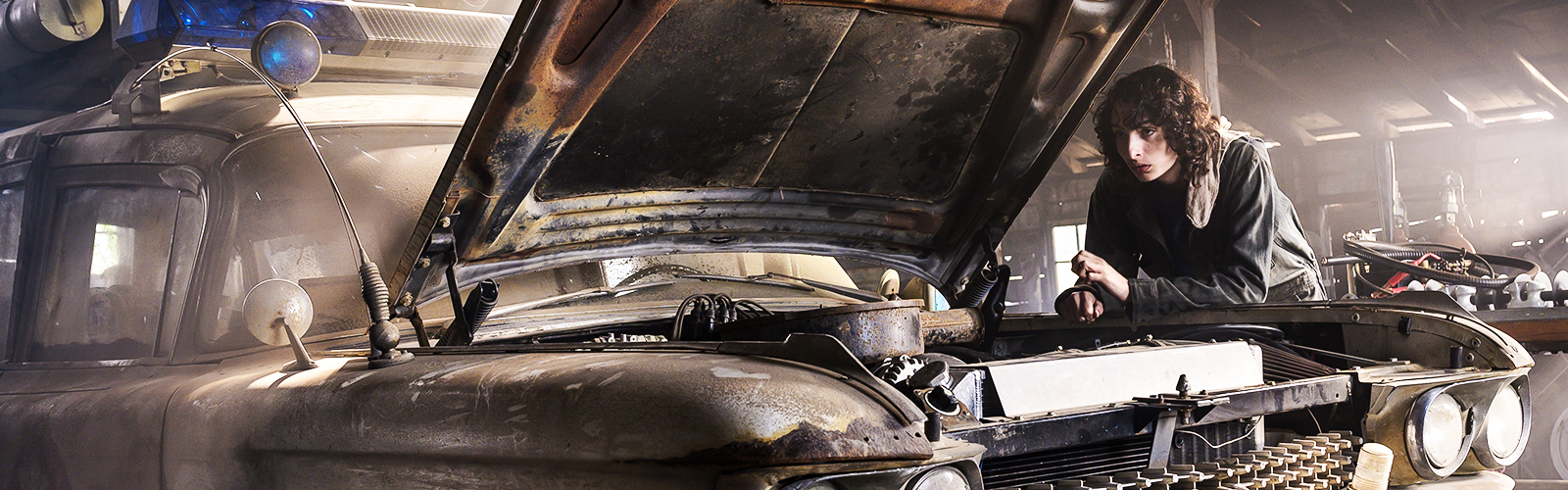
In retrospect, Finn Wolfhard from Stranger Things joining the cast should’ve been a tipoff. Ghostbusters: Afterlife, directed by Jason Reitman, whose dad directed the original, is more of a Muppet Babies take on the material, attempting to restart the franchise with both a younger cast and a younger audience. Reitman, the seemingly overqualified director of Juno, Up In The Air, Young Adult, etc., turns out to have a knack for 80s-style Amblin Entertainment-style filmmaking. Afterlifelooks great, and I can imagine loving it if I was 9. As an adult it’s merely so-so, something you’d happily sit through with your kid and probably forget the next day.
Ghostbusters began, of course, as a strange, “supernatural comedy,” starring Dan Aykroyd, Harold Ramis, Bill Murray, Ernie Hudson, and the gang. Aykroyd has always been a little kooky, and Ghostbusters felt a bit like his buddies all got together to humor him, partly indulging his obsession with the supernatural, partly just having fun with it even if they didn’t entirely buy-in. The resulting movie is very strange, but just amiable enough to work, a zany take on demons and ancient myth stapled together with wry smirks and, I assume, lots of cocaine. It was 1984 after all, and the climax of the movie involved a possessed marshmallow destroying New York City.
Yet it was kooky and fun, and because it was so easy to brand, with a catchy theme song and a perfect logo, it almost instantly became a phenomenon. So it was we got the sequel, the cartoon, 2016’s gender-swapped version, etc. Which naturally raises the question: what is Ghostbusters now? A comedy franchise? A Halloween costume? Teenage Mutant Ninja Turtles? Is it still in some way an eccentric Canadian’s drug-addled fever dream?
Before 2016 there was at least a decade of various people working on sequel ideas. Sony spent millions going to increasingly elaborate lengths just to cajole an apathetic and notoriously aloof Bill Murray into reading a script. At some point, he seems to have signed off, and with Murray, Aykroyd, and Hudson featuring prominently in the advertising for Ghostbusters: Afterlife, I guess I assumed it was going to be more of a direct sequel to the original, closer to the movie Dan Aykroyd probably wanted before he got talked into Ghostbusters 2016. Instead, Afterlife is more like a kids adventure film, beautifully crafted but also a bit confused.
The plot concerns Egon Spengler, who has died as a recluse on a ramshackle farm in the fictional village of Summerville, Oklahoma (it was actually shot in Alberta). He has bequeathed his crumbling house full of wacky ghost gadgets to his estranged heirs — daughter Callie, played by the luminescent Carrie Coon, grandson Trevor, played by Finn Wolfhard, and granddaughter Phoebe, a budding scientist and spitting image of the old man (by which I mean they wear the same glasses) played by McKenna Grace.
Evicted from their apartment, the Spengler heirs are forced to try to make a new life in this podunk town on the plains where strange doings seem afoot. Nerdy Phoebe soon makes a friend, in the form of “Podcast” (Logan Kim), an obnoxious kid with bouffant hair and too many layers of clothes whose shtick is constantly recording a podcast. Podcast seems like he escaped from one of those insufferable Nickelodeon sitcoms where the kids are all wildly overstyled and loudly snarky, like an OshKosh B’Gosh showroom possessed by the ghost of Joss Whedon. (85% of kids shows are like this now, please make it stop.)
Phoebe finds a mentor in her Summer school teacher, Mr. Grooberson, played by Paul Rudd. Meanwhile, Trevor — all sharp angles and shaggy hair, like Wiley Wiggins from Dazed and Confused crossed with a young Freddy Mercury — meets his crush while working at the local drive-in: Lucky, played by Celeste O’Connor.
The picturesque setting is a fresh twist and the best thing about Ghostbusters: Afterlife is probably Reitman’s flair for texture and tone. The ’80s gave us a bounty of goofy kids adventures shot with the care of seventies auteur cinema, and, at least texturally, Afterlife is a worthy homage. It has that Earth-toned analog tape deck sensibility that so many contemporary movies lack, where you can feel the dirt on your skin and the breeze on your face when you watch it.
Yet pretty quickly, Reitman slams headlong into The Child Actor Problem. Someday we’re going to replace most actors under 18 with older actors with glandular disorders and Andy Serkis in his mo-cap ballsuit, and then we’ll look back on headshots like this as strange curios from a barbaric age. Until then, we must suffer, pretending this is normal.
McKenna Grace, it should be said, is fantastic, and Celeste O’Connor is solid in a lesser role. but the rest of the young actors just aren’t quite up to the task. And can you really expect them to be? The original worked partly because it starred some of 1984’s most skilled comedic improvisors. You just can’t recreate that with a handful of little kids. The kids in the audience probably won’t mind, but their parents will groan a little on the inside.
With Reitman’s direction, Carrie Coon, Paul Rudd, JK Simmons in a blink-and-you’ll miss-it role, and even Coon’s real-life husband, Tracy Letts in a cameo, it’s hard not to fantasize about how good an adult version of Ghostbusters: Afterlife could’ve been. But why work hard to create a better one-off when your true goal is a long-running franchise and ancillary revenue streams?
Therefore Afterlife is mostly about the kids, and like virtually all iterations of Ghostbusters since 1984, it ends up slightly adrift in the swirling tides of corporate fashion. Whereas 2016 Ghostbusters got caught up in the gender-swap craze, Afterlife feels like an attempt at a kids-ified Bill and Ted: Face The Music meets the Marvel Universe.
It relies heavily on our familiarity with the material, never seeming to notice or attempt to explain just how damn weird that source material is. Again, maybe I’m dumb, but what the hell actually is Slimer? Afterlife never attempts to answer, skipping straight to Slimer’s successor, Muncher, a gluttonous ghost who eats metal and is apparently voiced by Josh Gad, though I don’t remember him using any English words. Is Muncher a demon? Is he the spirit of a dead fat guy? Why does he eat metal? Ditto Afterlife‘s army of vaguely demonic mini-marshmallow men. Which Ghostbusters would I need to rewatch in order to understand this?
Reviewing these modern franchise movies, I always feel a little like being asked to rate the phone support technician at the end of a call with my cable company. I just endured a Kafkaesque hell, screaming “OPERATOR” at a voice recognition system that only works in theory and waiting on hold for 40 minutes just to troubleshoot some software glitch, and now you want me to rate it all based on the politeness level of an individual Bangladeshi? That human isn’t the problem. The problem is the absurdist farce competing market forces have made out of something that used to seem fairly simple.
Did Jason Reitman do a good job directing Ghostbusters: Afterlife? Yes, he performed wonderfully. The problem is the contradictory corporate whims he’s been asked to satisfy here, asking him to create something that is simultaneously an homage, a sequel, an adult comedy, a kids adventure, a teaser for future movies, and a requiem for Harold Ramis. Is this even really the best way to make money nowadays? What if we just gave creative people money to tell stories, rather than forcing them to try to reanimate the ghost of dead IP?
Anyway, three and a quarter stars, solid B+.
‘Ghostbusters: Afterlife’ hits theaters November 19th. Vince Mancini is on Twitter. You can check out his film review archive here.
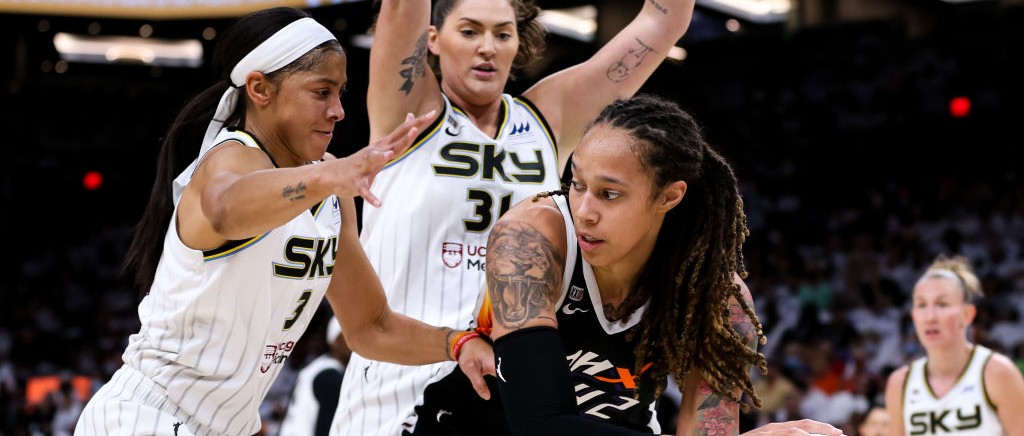
For years, players around the WNBA have been calling for the playoff format to be changed, as the single elimination format for the first two rounds, while exciting, has not exactly been a favorite of the players themselves. The 1-1-5-5 format, with best of five series for the semifinals and finals after two straight single elimination rounds, with the top-2 seeds earning double byes and the 3rd and 4th seeds earning single byes, will finally be changed for the 2022 season.
The league announced the changes on Thursday, as seeding will continue to be done regardless of conference affiliation, with the top 8 teams in the league earning playoff appearances, but no longer will top seeds earn byes. Instead, a traditional bracket style playoffs will be introduced, with the first round being a best of three series, followed by a best of five semifinals and a best of five Finals.
Rather than reseeding after each round, teams will be locked into their bracket, with 1 v. 8 and 4 v. 5 on once side and 2 v. 7 and 3 v. 6 on the other. It’ll be interesting to see what the overall reaction from fans is, as there have been some calling for a change like this, while others have grown fond of the chaos of single elimination. Players, though, will likely be pleased by the changes to have a series format for each round and while single elimination is gone, fans should be excited about getting to see the best teams in action from the start of the playoffs rather than sitting out with byes.
The new format also seems to create a structure that could more easily support breaking seeding into conferences once expansion arrives, as there is plenty of interest and hope for expansion in the near future, and if the league jumps from 12 teams to 16, it would stand to reason that they might weight conference affiliation more in the future for seeding should the schedule no longer be balanced the way it is.
The Eye is a video series that brings music’s finest up-and-comers into a simple studio space for performances that put the artist and their songs front and center. The latest talent to take part in the series is Welsh singer-songwriter Jamie Miller, who offered renditions of “Here’s Your Perfect” and “Hold On ‘Til We’re Old.”
Miller is actually already a familiar face for multiple reasons. He appeared on The Voice UK when he was just a teenager and was one of his season’s last contestants standing. After his run on the show, he got a co-sign from Khloé Kardashian, who was so impressed with his vocal abilities that she shared a video of him to her followers in 2017 (she had about 68 million of them at the time). That seemed to have caught the attention of Atlantic Records, as the label went ahead and signed him not long after that major bit of exposure.
Now, Miller finds himself on The Eye. He doesn’t have a huge pool of released songs to draw from yet, as his first singles just came out in 2020, but he still has some quality tunes under his belt already. He performed a couple of them here, including “Here’s Your Perfect” (which found top-five chart success in Malaysia and Singapore this year). The original recording is a grand and emotional ballad, and while the acoustic guitar-led instrumental takes on a more intimate energy, Miller still sings his heart out.
He also sang another one of his 2021 singles, “Hold You ‘Til We’re Old.” The performance takes on a similar energy as Miller keeps his vocal intensity sky-high to stand out over the sparse arrangement. It’s obvious he’s really feeling it as he sings, “Kiss me like the first time / Even at the worst times / Even whеn it hurts, I swear you keep me young / I’ll hold you ’til we’rе old.”
In an interview with Songkick, Miller speaks about his journey towards recording his debut album, saying, “It’s been three years of hard work and I feel like along the way, you just learn who you want to be, what you want to say. I feel like I’m finally at the point where I’m ready to tell my story. The story that I want to tell on my album… the songs I listen to are the heartbreak songs, and I feel like I had to get my heart broken, unfortunately, to write the music that I’ve always wanted to make. Now I listen to my music and I just can’t wait for the world to hear it, because I feel like I’m writing stuff that everybody can relate to.”
Watch Miller perform “Here’s Your Perfect” and “Hold You ‘Til We’re Old” for The Eye above.
Jamie Miller is a Warner Music artist. Uproxx is an independent subsidiary of Warner Music Group.
Some UPROXX Sessions performances are upbeat and fun, while others are somber and reflective. Then, there are those that go for a different vibe entirely. KenTheMan’s performance of her threatening song “No Name” falls into that category, as the Houston-bred lyricist steps to the mic like a seasoned slugger, looming and leering while she menaces her foes and asserts her impending dominance over the rap game.
Last year, Ken generated some significant buzz with her debut EP 4 da 304’s, telling Uproxx’s Cherise Johnson that she switched to writing more raunchy raps because “Sex been selling. Trina, Kim, Foxy, all them, they real grimy with they words and they really sell sex. I just don’t see why it’s such a shocker that people still selling sex… I just feel like power to us, power to the pussy right now.”
She followed up that project this year with “What’s My Name?” expanding the range of her writing with tracks like “I’m Perfect” and the motivational “Love Yourself,” as well as, of course, “No Name.” Now signed to Asylum and with her buzz building by the day, Ken is in prime position to live up to her name and become “the man” in hip-hop — as in the boss, the leader, the number-one. Stay tuned.
Watch KenTheMan’s UPROXX Sessions performance of “No Name” above.
UPROXX Sessions is Uproxx’s performance show featuring the hottest up-and-coming acts you should keep an eye on. Featuring creative direction from LA promotion collective, Ham On Everything, and taking place on our “bathroom” set designed and painted by Julian Gross, UPROXX Sessions is a showcase of some of our favorite performers, who just might soon be yours, too.
KenTheMan is a Warner Music artist. Uproxx is an independent subsidiary of Warner Music Group.
Those rumors turned out to be true. On Thursday, Warner Bros. revealed to everyone their crossover platform fighting game, MultiVersus. It looks and sounds like Super Smash Bros., but it does have a few details that give it the potential to be something unique. While there haven’t been too many people publicly clamoring for a WB fighting game, there is a potential for this to be a hit thanks to the deep roster of characters at the company’s disposal.
The initial roster features a wide variety of characters across a variety of WB-owned licenses: Bugs Bunny from Looney Tunes, Batman from DC Comics, Jake from Cartoon Network’s Adventure Time, and Shaggy from Scooby-Doo all appear on the roster. It’s already an interesting cast of characters and one that has the potential to grow even further.
A lot of games are constantly seeking ways to stay in the news cycle and create interest. What Nintendo found over the last few years of Super Smash Bros. Ultimate is that fans love to discuss roster decisions. There’s an expectation that the game will have DLC additions to the roster, and we can hope the developers of the game will look to generate excitement over their DLC additions. If this time next year we’re all discussing what character should join the MultiVersus roster next, we’ll know they were successful.
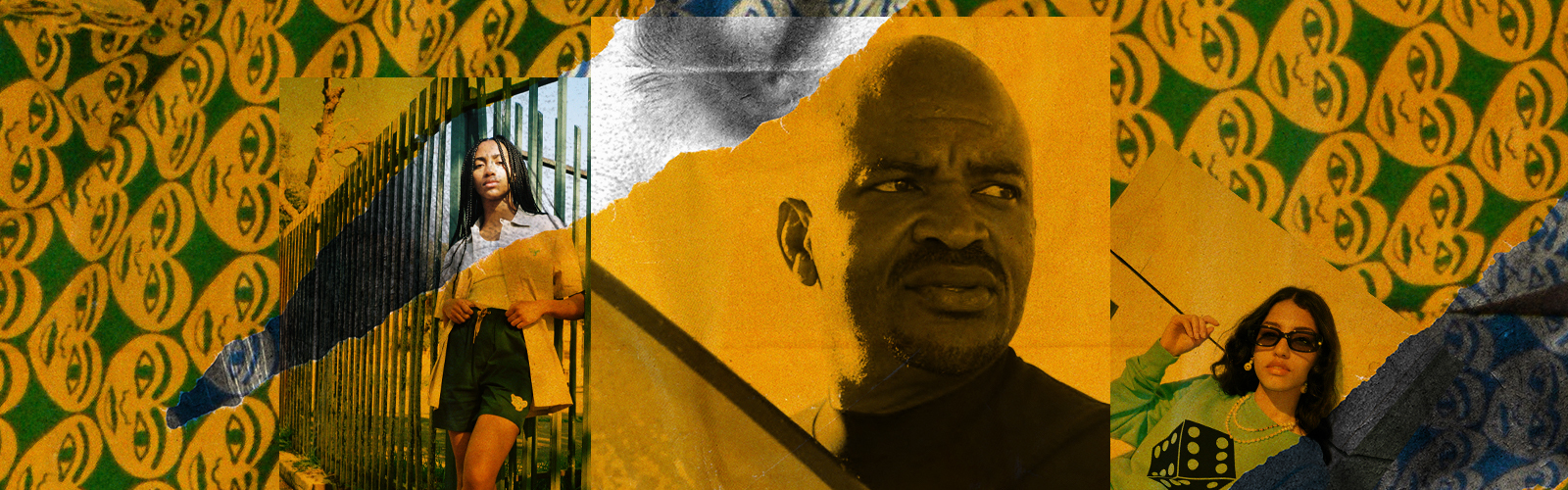
If ever there was a non-hater on this planet, it’s Selema Masekela. The longtime TV host is famous for using his various platforms to highlight people ripping, flipping, shredding, and just generally being awesome. He geeks out on boardsports like a kid and embodies Anthony Bourdain’s idea of living life as an enthusiast.
So you’d think that when Masekela — who’s been a respected voice in the action sports world for nearly 30 years — finally opened up about problems he’s seen with diversity, inclusion, and representation in the sports he loves so much, he’d get listened to. Not the case. In fact, he’s felt a wave of opposition from followers, some longtime friends, and many of the “dictators of what it all looks and feels like” at the corporate level.
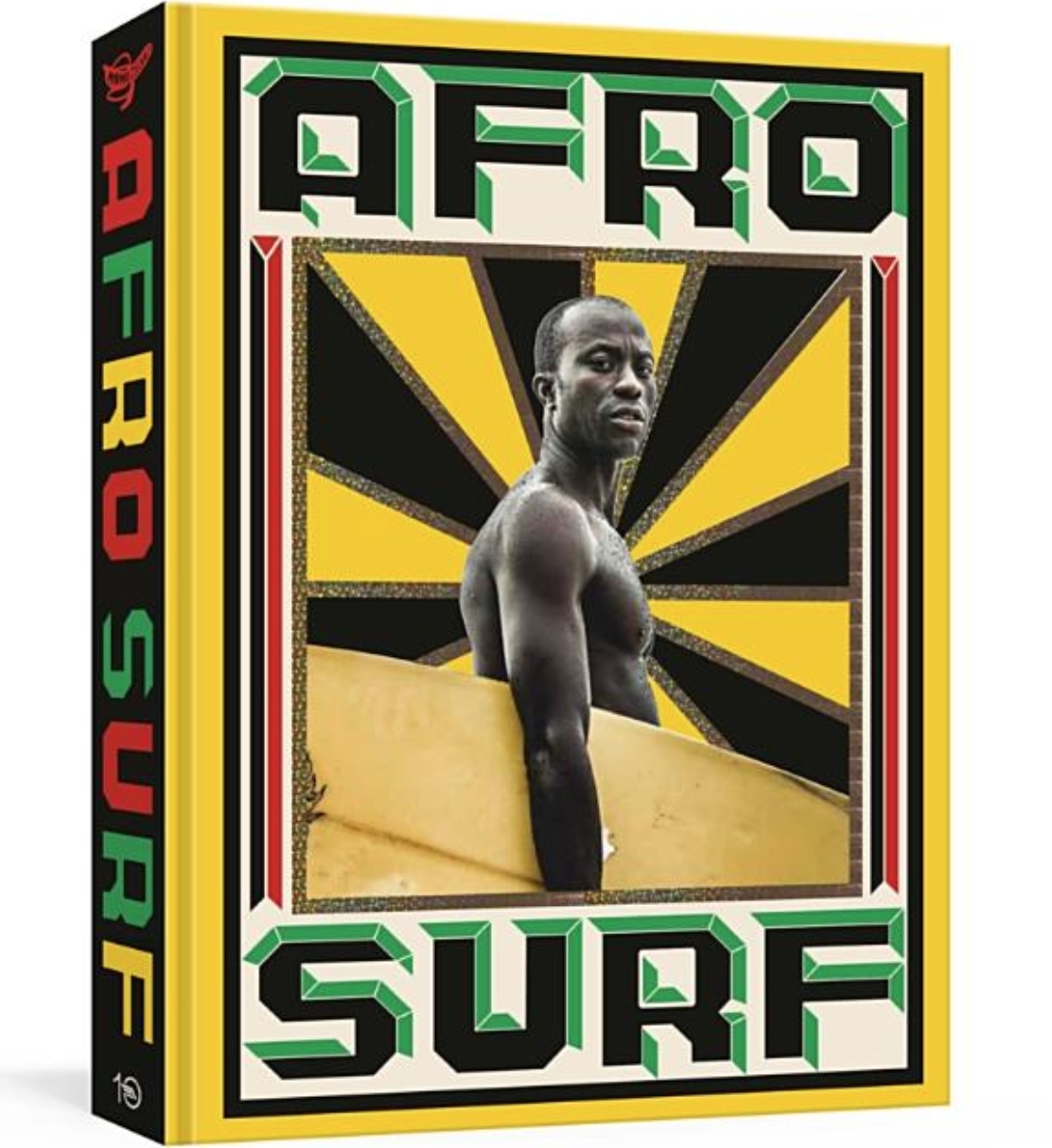
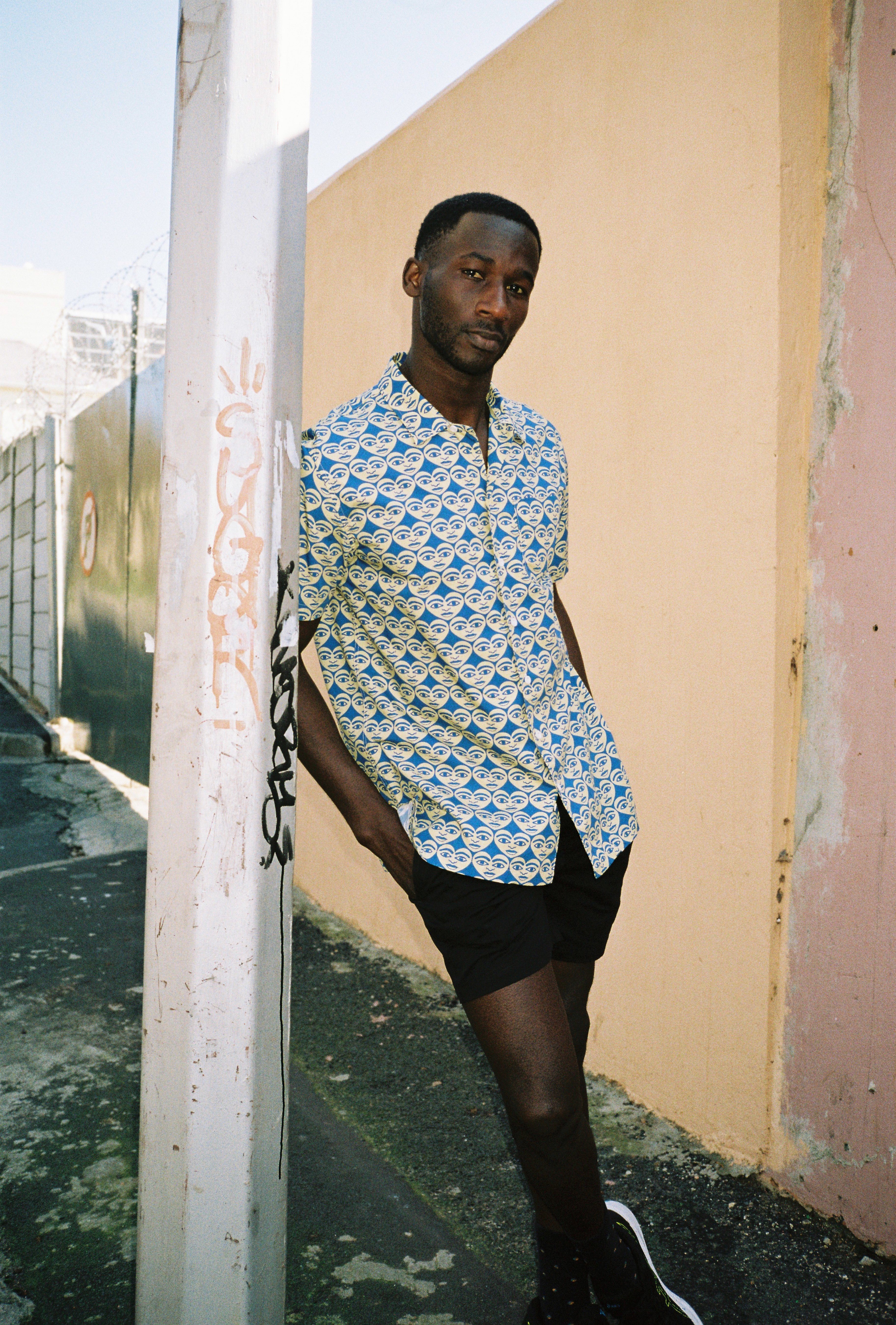
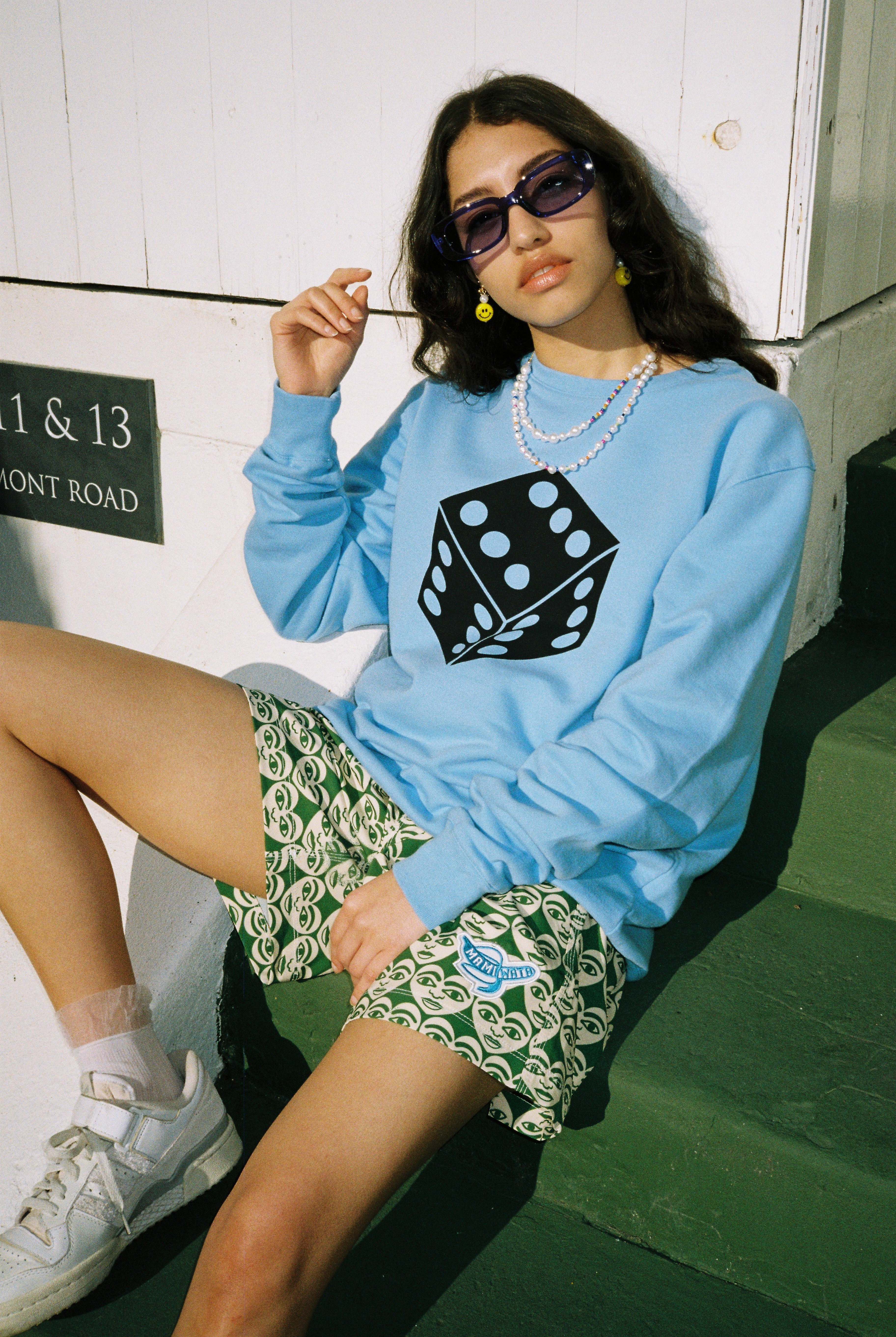
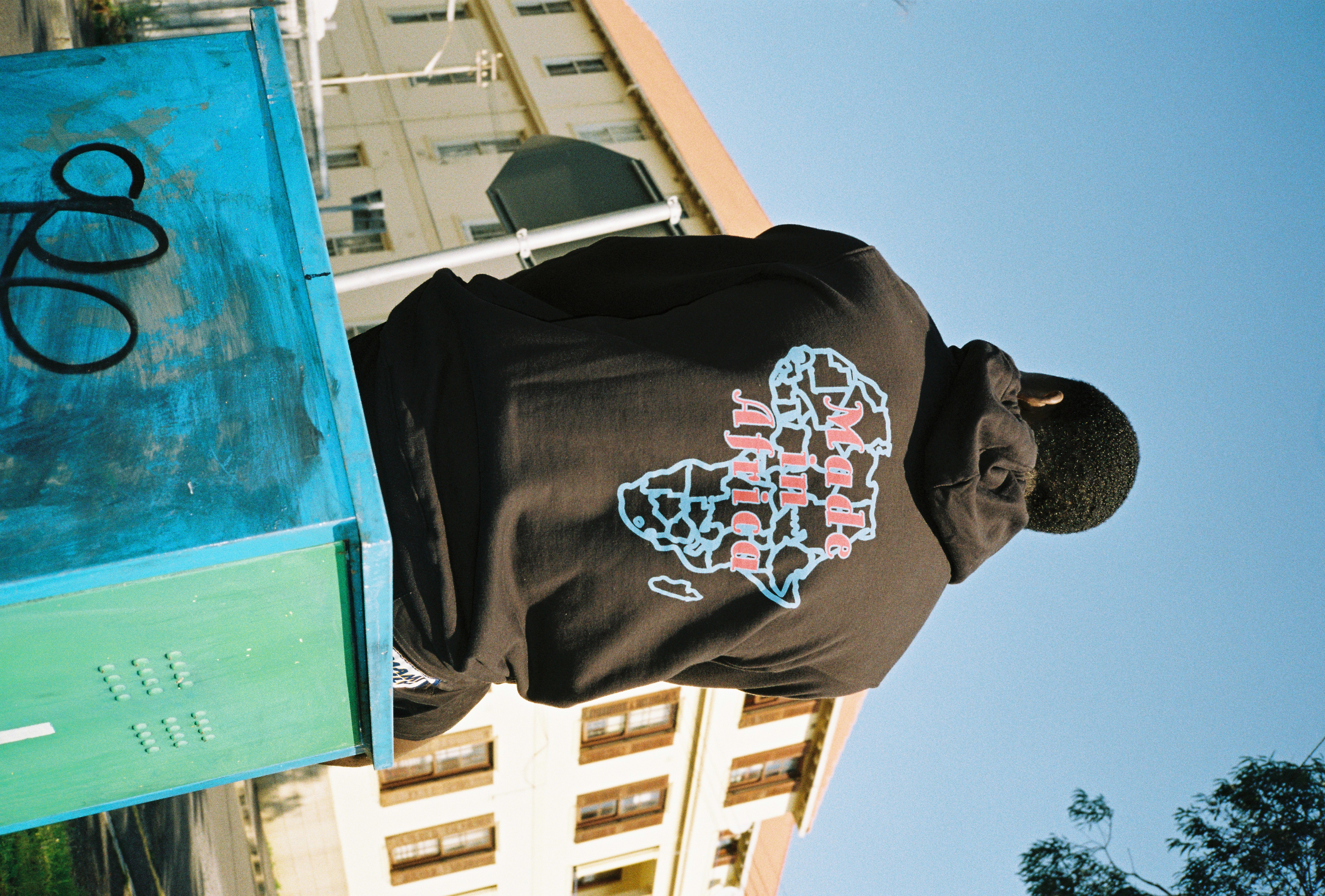
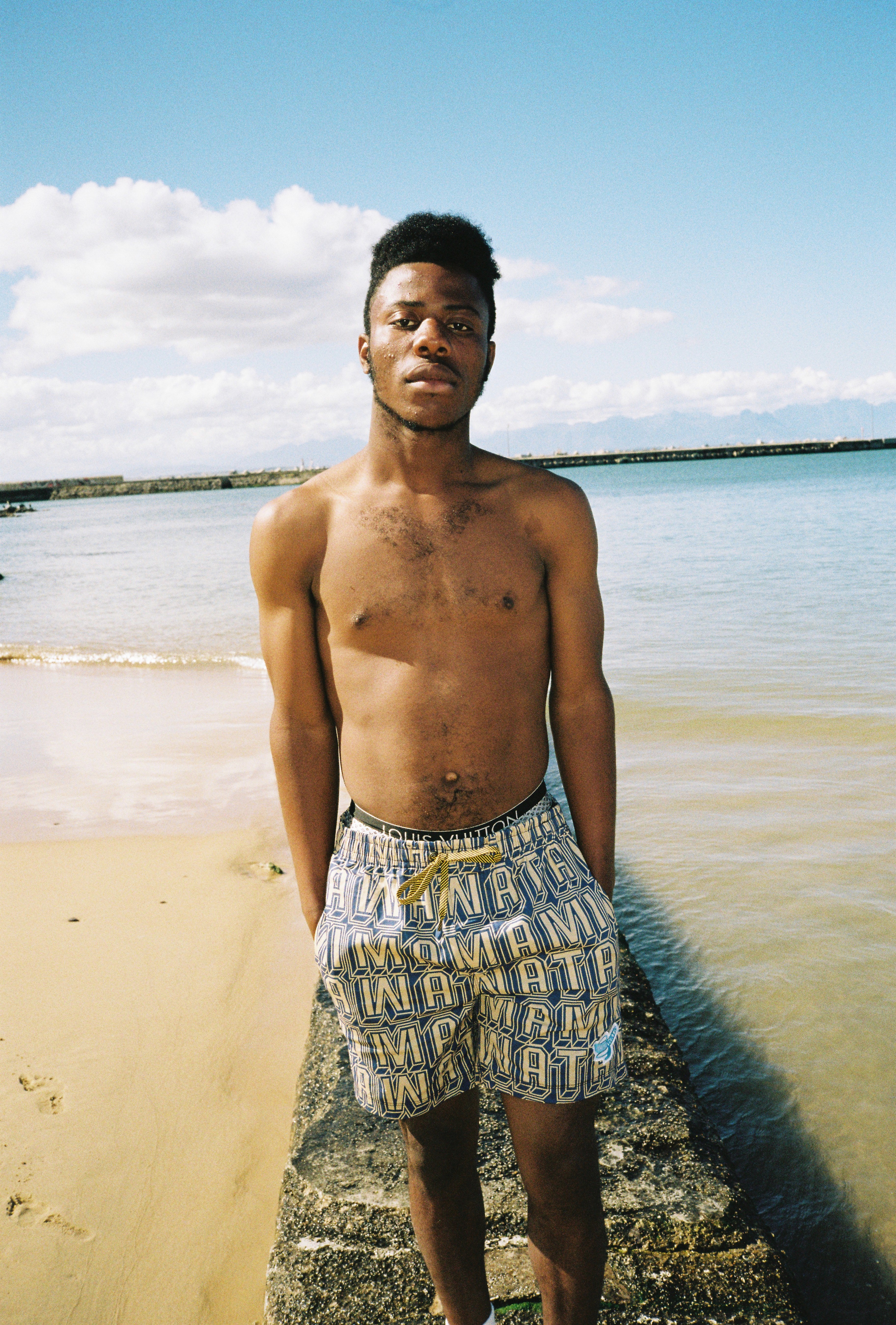
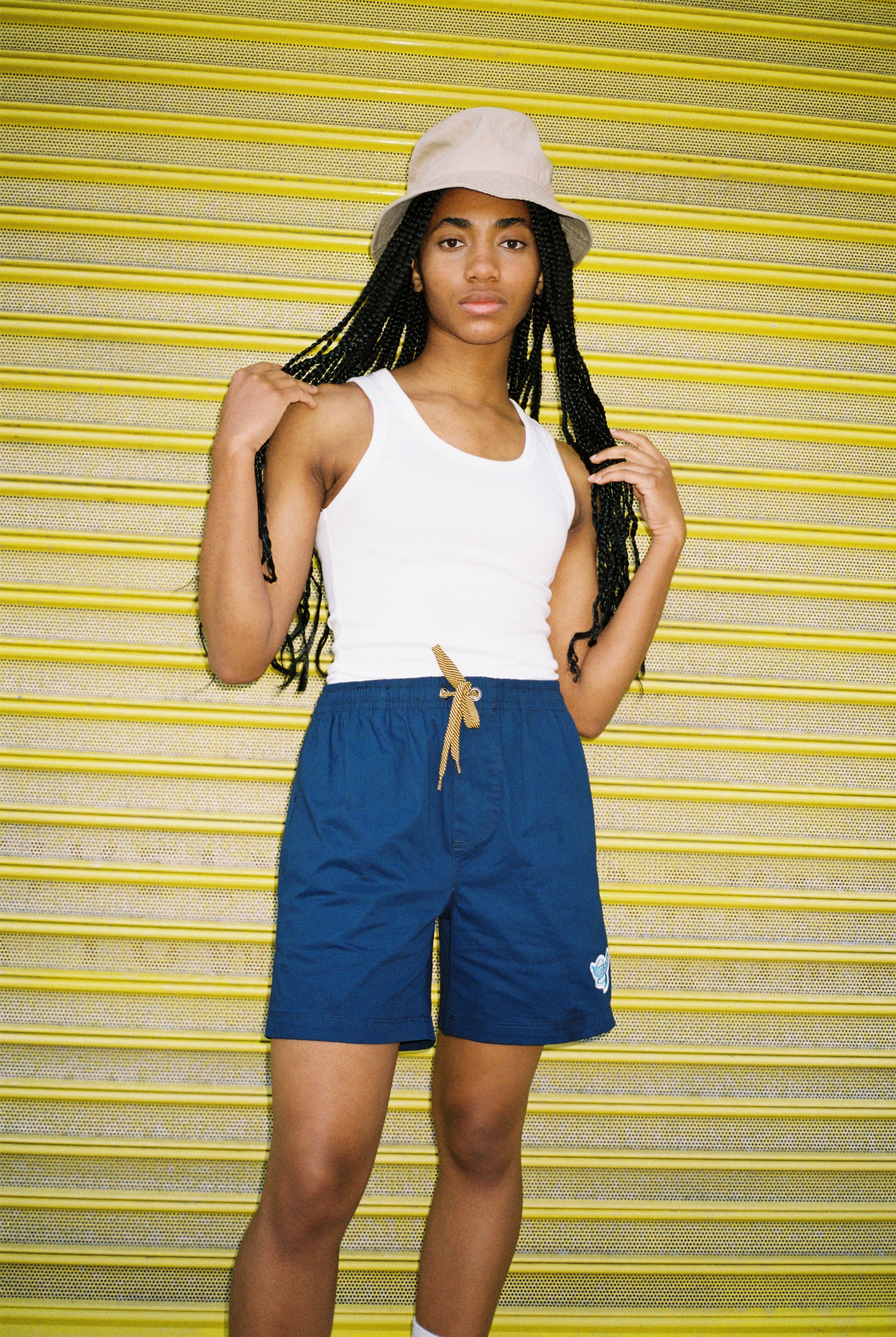
How to battle against that sort of pushback? For Masekela, the answer is always kinetic. “Do something” could serve both as his mantra for exploring the outdoors and his method of problem-solving. The something, in this case, started with co-founding a South Africa-based surf-clothing brand, Mami Wata, in 2017. In 2019, came a goal-shattering Kickstarter for his book Afrosurf. A 3,000 copy print run for the project dropped in 2020 before it found a traditional publisher (Ten Speed Press) and relaunched in June of this year. Then, just last month, Masekela brought Mami Wata stateside with a drop of boardshorts, tees, hoodies, and button-ups that’s been covered everywhere from Variety to Cool Hunting to Afar.
As the chaos of launching his brand’s first US line mellowed just a little (mostly because everything had sold out in spectacular fashion), I spoke with Masekela about the Black surf movement, the African surf scene, and his goals for Mami Wata. Check out our full conversation below.
I’ve been tracking the Black surf movement with excitement. Obviously, it got that big profile in the New York Times over the summer. How has the conversation shifted over the past decade — and especially these past couple years — from when you were one of the only super visible Black faces in the board sports conversation?
I mean, it shifted a lot. When I take it back to the beginning for me — in the late ’80s, early ’90s — it shifted to a whole other solar system. I was very much used to just being an “only” 99.9% of the time. Even still, we’re down from like 99.9% of the time to like 85% of the time. But it sure feels like a whole lot more.
It’s great because I remember when I started having these conversations and being more vocal seven, eight years ago, I remember how very, very, very uncomfortable people felt when I would bring up the fact that, “Isn’t it weird that it’s just me?” And the ease with which people would say, “Well, you’re different. You’re a different kind of Black guy. You’re more like us. You do our things.”
Wow.
So, I’ve got a lot of my existence in an industry where, yes, a lot of people have come to respect what I do, and the storytelling, and the context that I put some of the big moments in these sports into. And they respected that I’m an active participant. But it was always hard to get people to understand how much different doing the thing is for me than it is for them.
One of the things that’s nice now is that I’m not the only one talking. And there were others that came before me, but we didn’t have social media. We didn’t have ways in which … I think if Tony Corley and Rick Blocker, who founded the BSA [Black Surfing Association] had done so, not in the ’80s. And done so in the aughts or the earlier part of this last decade, I think we’d be in a much different space and place because they were doing the grassroots work.
They were literally collecting people that would come down from San Francisco, and Central California, and San Diego, and Los Angeles to have these events where 50, 60 people would be together. It felt amazing that you’re on a beach with everybody that looks like you and then everybody goes off to their different ways. No way to really storytell that to the world. I think that what social media has done has allowed people that I like to call “onlys” to find each other so that they’re not “onlys” anymore. You’re able to create community, and shared experience, and storytelling via social media in a way where people don’t have any choice but to pay attention.
So, I do feel like we have come a long way. If you look at Textured Waves, and Color The Water, and City Surf up in San Francisco. At what Brick and Gage are doing with Black Sand, Un Mar de Colores. All these different folks that are doing a really beautiful job of storytelling experience and what it’s like in this shared commonality that everyone has in their stories of what it’s like to go and do a thing where you are the uncommon denominator.
It feels good. It feels really, really good. I dreamt of this day, but I never thought that this day would occur. So, it felt really nice to be a part of that New York Times piece, but not to have to be the focal point.
The “only,” as you say.
The only. To no longer be an only. If that piece happened without me, I would also have been fine and thrilled that our stories are being told in these kinds of places. I think it’s a larger conversation for the outdoors in general. I think, whether it’s mountain climbing, or trail running and hiking, or adventuring, obviously, the winter sports. In all these places, people are realizing, “Oh, there are definitive reasons why the only people who have been marketed to do these things or advertised to do these things look a certain way.” By addressing it, and helping to realize that there are barriers that have existed, and helping to create what access looks like, and opportunity going a long way, people are getting excited about, “Oh, we can expand this landscape and repopulate it in a way that’s far more reflective of what we look like as a society.”
I think people are also learning that for years and years and years, the idea of being able to find peace and joy in the outdoors, in the ocean, et cetera, has been an idea that white people have been very comfortable thinking it was just for them. So when they see Black or Brown and Indigenous people out there, they could be like, “Oh, we saw a such and such today. That was interesting.”As opposed to, “They were out in our space.” People have always felt really comfortable in coming up to me and saying, “Oh, that’s interesting that you’re here. That’s so cool. You do what we do. That you’re doing our thing.” And that’s what I’m hoping this whole time can be representative of ending, that being a thing.
Well, it’s interesting in the sense that surfing … I think that we think of ourselves in the community of surfers as very welcoming. There’s this hippie-ish bent. There’s loving nature. But there’s also, as you and I both know, a lot of territorialism in surfing. A lot of ego in surfing.
All this to say, have you felt like the surf community has welcomed this movement in the way that you’d like to see?
No, I don’t. I feel like elements of the community have, but the vast majority, especially when it comes to the front-facing core of the Orange County sort of “dictators of what it all looks and feels like” have not been very welcoming at all. And I think it makes them very uncomfortable that we’re having the conversation. It’s interesting, as you said, the individual experience of surfing is pure, spiritual, all the things that we already know. But the collective, and all the weird shit from land that leaks into the water that makes people feel like they have a sense of entitlement to be able to regulate who comes and goes. “And because I live up the street, I get to tell you what to do out here.”
We live in a country of stolen land and some dorks like to think they own a random Malibu surf break just because their parents live nearby.
Exactly. The shit is highly built around colonialism. While people would say, “Well, that’s not inherently racist.” Well, yeah, it might not be racism in its definition. But it sure as hell does plagiarize the playbook.
It’s definitely a shitty behavior that really smacks of a lot of bigger, very problematic attitudes.
The ease with which people practice it in water is because they know how to also do that on land. But everyone likes to pretend surf culture is super welcoming and a collective of free-thinking ideas. Sadly, it’s super, super tribal, wildly conservative in America, and has been for a very, very, very long time, dating all the way back to the ’60s.
I’m not surprised at all that the surf community’s response to diversity and inclusion is much like the triggered right-wing things that we’re hearing at school board meetings where, “My white child feels oppressed because all the other kids being made to be seen. Now my kids not seen anymore.” Which is wild, right? But that’s what the surf community is.
Everyone rushes to say, “The ocean doesn’t care. I’ve never seen it happen, so it’s not happening.” And it’s like, well, how many of us need to tell you what our experiences are for it to continue not to matter? Clearly, everyone around you in the water looks like you for a reason. Some of those reasons are because of shit we haven’t had access to.
Learning about redlining and learning how your community was kept from people who didn’t look like you getting to live there. That shit might be really hard for you to digest, but it doesn’t make it any less true. Learning the manner in which people can be aggressive towards people of color in the water, and specifically call out their race or color or gender as a way to try and dominate somebody. The idea that, hey, that shit has to change, that makes a lot of people uncomfortable because, for a lot of people in the surf community, that their whole identity is in being the person who runs shit in the water.
And there’s a history… You talked about Orange County. Board sports are entwined with Orange County’s neo-Nazi history. Board sports are entwined with, as you said, colonialism. There’s stuff that we need to be cognizant of, especially me as a white surfer, not saying “Well, it’s all good in the water, bro,” then dismissing someone’s concerns.
It’s hard because in a culture that looks at Duke as a golden God… Duke died penniless and a janitor. Most of what Duke was going out and doing was promoting surfing to the world, was based far more in the people who were leveraging him as the icon for tourism and business back home. Those people who were doing that were not Native and Indigenous. They were the people who had gotten there and set the shit up to make money. It’s very interesting that once surfing became cool in SoCal, the whole, “We’re going to lose the Indigenous Hawaiian story and just make it about Malibu and SoCal.” That’s how the story became told, as well as the Southern Coast of Australia, and I wanted to be like, “Are you motherfuckers crazy?” we will beat your whole entire asses, right?
It was this very interesting point where the Hawaiians said, “No, no more. If you’re going to come here, you’re going to come here and you’re going to walk with respect, because we are not going to have this last thing that we have also just be trampled over.” I think when you look at the resistance to even the Brazilian storm in the last 10 years. These guys had to go and win fucking four of the last world championships. Four out of six world championships in order for people to finally be like, “Okay, I guess it’s not a fluke and it’s not luck,” right? So, coming full circle, I have no surprise that a part of the surf community still feels very comfortable in keeping their heads in the ground.
And also taking very right-wing nationalistic perspectives in avoiding any sort of quote, unquote woke talk when it comes to surfing, like, “None of that shit’s going to take place here,” and we’re like, “Cool, you don’t have to participate.” But also like, “We’re here. We’re going to be loud. We’re going to enjoy this. And enjoy our ownership of the space just as much as you do.” It’s no longer going to be about you choosing to make room for us, because we’re here. And when I say we, I mean the various different forms of what “we” means other than “normal white coastal surf communities.”
I’ll cop to a classic white blind spot here — as the Black surf movement started to roll out and I spoke with people who were friends and who were in the movement, my knee jerk was like, “Oh, surfing’s kind of doing a good job with this, right guys? Right?” But I was saying that through, obviously, my very limited prism. And to hear from you that this is not the case is disappointing — though it also makes sense, for all the reasons we just listed.
If you saw my DMs, Steve…
Yeah?
The people who tell me how this is all a grift and how ungrateful I am, “Because it was, we — white people — who put you in the position that you are in. And this is how you repay us?”
It’s so wild for me to hear that is all being said to you, a man who has contributed so very much to surf culture.
The idea that I have friendships and deep relationships with white folk, yet I still speak out against white supremacy, infuriates people. There’s still such this idea that if I say “racism” or “white supremacy,” that I’m talking about all white people. That I’m talking to you. So obviously these people are so triggered that it’s like, “Well, it’s so clear that this is a hustle that ‘you people’ are on, because I see you with white people all the time.”
And I’m like, “God, what a fucked-up existence you must have in order to come to that deduction. That lets me know how many people who don’t look like you, that you do hang out with.” I realize for many people — because they say this in their messages — feel like, “I loved you, you were my guy, and now you’re not. You were ours. Now, you’re saying that you’re Black. I felt good because you were the one Black guy that I knew that I don’t even actually know. But I felt like you were ours. Now, I know I’ve lost you to… ” “Reality.”
Mami Wata
Mami Wata along with your book, Afrosurf, is rooted in South Africa. In that way, feels like it ties up some connections between you and your dad [legendary jazz musician Hugh Masekela]. I remember crying tears of joy in Namibia as I worked my way up the Skeleton Coast surfing certain breaks alone for hours — surfing alone or in an uncrowded lineup brings the emotion out of surfers. Besides the J-Bay and maybe Durban, do you have some African surf memories that you’ve made that feel iconic or any spots there that you’ve just fallen in love with?
Obviously, there are breaks that are going to get, I don’t want to use the word “discovered” but certainly looked at as surf breaks for the first time in the years to come.
I have a list of places that I’m trying to go to because of getting invites from local Indigenous people there, who are like, “Oh, yo, you think you like going over there. Well, wait till you come to here.” So, I’m excited about engaging in more surf discovery in Africa that has to do with actual Africans showing me these breaks and their respective surf culture.
That’s different than the way it was always sold to us, which is, “it requires the best people in the world from X place or X place to go, discover, everyone gather on the beach, cheer and clap for these people.” And they came, they left, and, “Oh, by the way, we left a couple of surfboards there for the Natives.” I’m excited for an end to that. Listen, the coastline up both sides [of the African continent]. I mean, we haven’t even scratched the surface of what’s possible.
I remember being in Madagascar and seeing waves peeling out. And just thinking like, “Holy shit, some surfer better than me is going to ride some barrels alone for days.”
Yeah, I was in Kenya last March on the farthest and eastern end of the islands. I saw some setups and some waves that blew my face off. There was just no one around. Then, I started asking questions and one of our boat guys was like, “Oh, if you come here between X and X, and we get these wind swells from such and such, these points will light up for 50 miles.”
I was just like, “Wait, what?” I mean, I remember the first time that I paddled out in East London [South Africa]. I was on tour with my dad, and surfed Nahoon Reef and some places in PE [Port Elizabeth, also in South Africa]. And obviously, I have a very, very powerful relationship with the Durban Beach breaks because that’s the first place I ever surfed in South Africa. It was during a very, very volatile time as apartheid was in the midst of being dismantled. It wasn’t an all-positive experience for me. After a few days, the cops literally set up a sting operation to try and bust me for jumping off of the jetty at North Beach. Because they reached into their books for three days and tried to figure out, “How could we get this Negro to stop showing us what the future of South Africa will look like?”
So, they found an old antiquated law that said, “You’re not allowed to jump off the jetty,” when that’s how people have just been getting into the water for years and years and years. They accosted me. They assaulted me. And they found out what I was doing there, who my father was, and they let me go.
But the irony was that this was the first time I’d been to South Africa. My dad’s been in political exile for 30 years. I’m here with him on his homecoming tour, finally getting to discover my full heritage and family in what’s supposed to be the wake of apartheid. The same thing that caused him to have to leave for his life. I find myself in with surfing, which was essentially my music.
So, it was every time I go back there, to be able to see now what it is, where on any given day, the lineup is just filled with young Black South African kids ripping at every level. I mean, the last time I was there was in 2019 and I went surfing with the Surfers Not Street Children kids. I couldn’t wipe the smile off my face for days. I just couldn’t believe I was in the same place where, 30 years earlier, I didn’t have any power without my name. If it didn’t hold the weight that it did in South Africa, it could’ve been a far a different situation.
That’s a fascinating story, and thank you for sharing it. As far as the lineup of clothes goes, you’ve got some fly stuff here. This banana button-up is fly. Sold out already. These board shorts are fire.
That’s nothing, man. Wait till you see this next shit in the next week. You’re going to flip your lid.
Mami Wata
How involved have you been in the process of looking at samples, of talking about styles?
Oh, I’ve been in it for the last three and a half, almost four years, with Nick and Peet. Peet was just an incredible designer, graphic artist, and creative director. So yeah, I’ve gotten to be in it at the core. I’ve gotten spend a lot of time in South Africa and in Cape Town with my team. I’ve also had Nick, my main partner, here. We went and did all of, “Okay, here’s Los Angeles. Here’s what America looks like. Here’s what streetwear looks like. Here’s where the intersection of active sports culture and streetwear looks like. Here are all the things that we don’t want to do. Here are all the things that make us unique, coming from where we do, that we can bring to the table here.”
So, staying true to the genuine nature. Being in a position where you don’t have to invent and you don’t have to try to mimic anybody is fun in an industry, especially when you look at surf lifestyle. For the most part, everybody is doing a different version of the same thing. Insert logo here. And that is something that we look to definitely disrupt a bit. Hopefully, offer clothing that feels like an opportunity for self-expression and communicating a little bit more.
I just love this idea of African wearability because, think about it, man. People really just think of Africa as Discovery Channel, and Mount Kilimanjaro, and a couple of little things in between. But for the most part, people are not checking for the music, and the art, and the culture, and the history, and the ingenuity, and all the things that make these places so rich, and that make the continent so diverse. Which is why it’s so absurd that most people really think of Africa as a country.
It’s so funny, and just have no scope of the size of this continent, right? If you walk to the average person on the street and you say, “How many times do you think you could fit the United States inside the African continent?” I would predict that 90% of people would be way off. [Three.]
They’d be way off. I guarantee you, the number of people who would tell you that there are 10 or fewer countries on the continent would be overwhelming. So it’s nice to be able to have an opportunity with this brand to build a bit of a Trojan horse that builds genuine curiosity about the continent and what it’s given us, is giving us, and still has yet to give.
To do so through this uncertain lens that nobody would really see coming in surf culture. That’s my favorite thing about getting to be a part of Mami Wata at this base level. Look, a lot of it comes back to what we discussed earlier about my heritage. My dad fought for 30 years to get home. When he finally did get home, the thing that I think that dismayed him the most was that everyone on the continent was doing their best to be their best version of the West.
Like that’s the cool thing is to sound as American or be as down with American and Western culture as possible in a lot of parts of Africa. It’s only now, that with this big renaissance, especially from the electronic side of African music, that people are really beginning to understand like, “Oh, shit, there’s so much popping off.”
I’ve met so many people who talk about his music as an awakening.
My dad was just like, “Look, I love the rest of the world.” My dad wasn’t a cultural chauvinist. He was wildly passionate about Cuban and Brazilian culture, and all of South America and Southeast Asia. He could explain to you the socioeconomic history, the culture, and the politics of anywhere in the world. What made their music special and their food special. He just wanted Africa to play on the same level. He wanted people to be just as curious, and to have that bucket-list desire to touch, and feel, and taste, and take pictures with. Show off that these are the places that they’ve been to, as they have the rest of the world. That was the thing that he was advocating for the hardest, Africa taking pride in the fact that it influences the world harder than it thinks.
After I lost my dad, and you think about legacy. I found myself very, very lost, and being like, “Well, how do I even help to uphold that a little bit?” I came to realize that I didn’t need to invent anything. I had a natural pipeline where my passions already lie with surfing and with action sports culture as a whole. Why not try and help contribute to a bridge that’s already being built on so many fronts with tech, and art, and music, et cetera, to help join and get to work in continuing to build that bridge, so that there’s this natural flow and exchange between the West and the most exciting continent on the planet, in Africa?
Mami Wata
Man, I love this. My temptation and my gut instinct is just to keep going for hours because, like the best interviews for me as a writer, you’ve shifted my own thinking. And pivoted any notions that I had, which I appreciate so much. Last thing, these surfboards you guys are making — I’ve seen some designs hit social media — are just incredible looking. Are those coming to the US ever?
Yes. The surfboards will come more in drops and small collections. But yeah, man.
I’m so excited. I mean, the way my email and phone have been blowing up in the last 24 hours from the biggest brands in surfing to be like, “Yo, how can we get down?” is really, really crazy. It’s further proof to me that, whenever I think that there’s no hope, and it’s very easy to lose hope in a country that is trying to … We’re in a vehicle that’s going down the freeway at like 90 miles an hour.
Every once in a while, not even every once in a while, every day, they’re trying to literally throw the thing into reverse while we’re going 120-miles-an-hour forward, right? You’re like, “Is the transmission just going to drop out of this thing?” because if that’s what happens, we’re all done. But it just reminds me that people … Well, as long as people don’t know something, it’s easy for them to brush it off and choose to not be curious. What they don’t know is good for them. Then it becomes undeniable, and they see it, and they can’t look away. Then everything they thought they knew is different now. Now they’re engaged.
That’s what it’s felt like just this the last three months or so. Or even going all the way back to when we launched a Kickstarter for the book. Which, for sure, never thought that we’d end up in a Penguin and 10 Speed distribution deal. We were very happy with the 1400 copies that we were able to make from the Kickstarter in the middle of a global pandemic.
We felt like, “Wow, we’ve achieved something we only could’ve dreamt of and probably wouldn’t have been able to achieve as well if we weren’t in the middle of a pandemic, because it forced us to really create it in a way that was super collaborative. Without any sort of highfalutin ideas of control.”
Then we enter into this partnership where the book gets to get real distribution. I love that my kids are going to grow up with surfing from a perspective of knowing that this is always what it is. Or for someone who is isn’t even in the surf community to be like, “This changes the way I look at the world now. I didn’t know that this was even a thing. What else are you doing?” That excites me because it’s just a matter of being able to share and offer something that this … The book is something that you can’t look away from. I think it makes you want to learn and know more. I hope that we’re able to create more of the same in this dialogue with the brand.
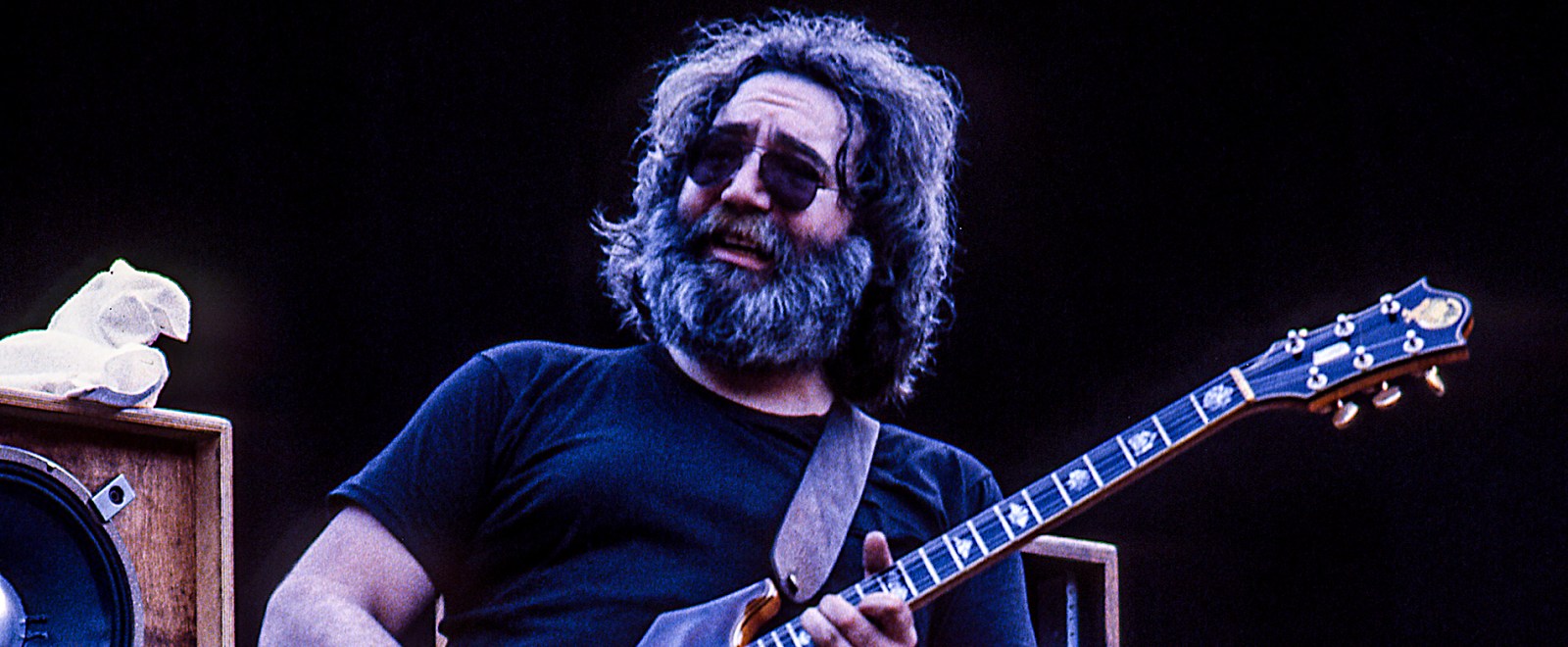
Today brings great news for Deadhead cinephiles: Martin Scorsese (who turned 79 years old yesterday, by the way) is apparently “on board” to direct a Grateful Dead biopic with Jonah Hill playing the band’s famed leader Jerry Garcia. Scott Alexander and Larry Karaszewski, the duo behind American Crime Story, are writing the script, but beyond that, not much else is known about the project at the moment.
This lack of information leaves a lot of space for imaginations to run wild, and indeed, since the news was revealed, they have all over Twitter. Building off the Hill casting, fans have been taking to social media to declare who they think should play other Grateful Dead members.
People threw out all kinds of picks for Bob Weir, even including his Dead & Company bandmate John Mayer, as well as Timothée Chalamet and Kurt Russell (for younger and older Weir, respectively).
Plenty of picks were made beyond those, even some involving other folks from the music world playing Dead members, so check out some more fan casting tweets below.
stop complaining or you’re gonna get Chris Pratt as Bob Weir
Ryan Reynolds stars as wisecracking sidekick Phil Lesh alongside Hill’s Garcia. Kumail Nanjiani will be cast as Bob Weir and will have 4 minutes of screen time.
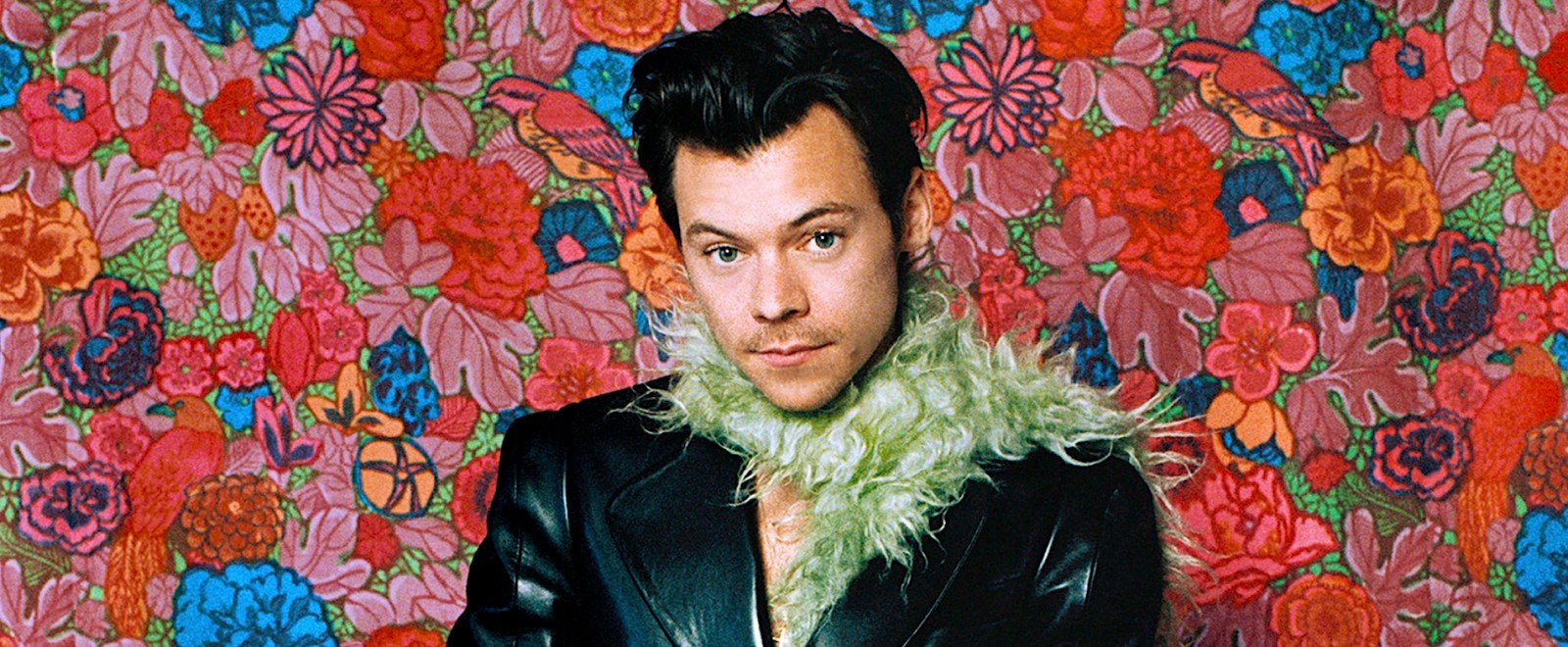
It’s been three weeks since Eternals theatrical release and, subsequently, three weeks of Marvel hanging on to perhaps their worst-kept secret yet: Harry Styles (yes, that Harry Styles) has joined the MCU. While Marvel played it just as smooth as Styles himself while speculation, stills, and clips of the singer-turned-actor circulated all across the internet, at long last the studio is acknowledging his role in the film, and has released a poster alongside a short character bio filled with his long list of accolades.
Meet the Royal Prince of Titan, brother of Thanos, the Knave of Hearts, defeater of Black Roger, the great adventurer, Starfox
In Eternals, Styles, ever-so-briefly, plays Eros, “the Royal Prince of Titan, brother of Thanos, the Knave of Hearts, defeater of Black Roger,” and “the great adventurer, Starfox.” First appearing in Iron Man #5 back in 1972, Eros is a long-time staple in the Marvel Universe and is known for his carefree demeanor and womanizing ways, making Styles an apt casting choice for the son of Eternals A’Lars and Sui-San. By and large, it seems like the internet (well, okay, Twitter) feels the same way about the casting choice, with several positive (and hilarious) tweets surfacing following the announcement.
Honestly people need to actually think before they complain about this. Dude looks the part and he’s a genuine good actor. Looking forward to seeing more of him
However, perhaps the best tweets to come from Marvel’s big reveal are the ones drawing attention to Eros’ already existing connection to the Marvel Universe as Thanos’ baby brother. However, if that relationship has you feeling a bit on edge, rest assured that Eros does not share the same power-hunger tendencies as his brother, and is far more likely to break hearts rather than bones. He also, as the internet was quick to point out, it just a whole lot prettier than the purple, planet destroyer.
i just can’t imagine this guy standing next to thanos
However, some folks feel that even three weeks later, it was still far too soon for Marvel to reveal Styles’ poster — even if both Styles and Eternals director Zhao have already spoken out about the casting.
Marvel gives you two to three weeks before they say everything is free game. https://t.co/AjJuiP1JBn
Last but certainly not least, a few tweets joked about how Styles was now the latest of Taylor Swift‘s exes to wind up cast in the MCU. Styles joins Loki star Tom Hiddleston and Spider-Man: Far From Home‘s Jake Gyllenhaal (who really can’t catch a break right now) to become the singer’s third old flame to appear in a Marvel movie, just proving that this really is Swift’s world and we’re just living in it.
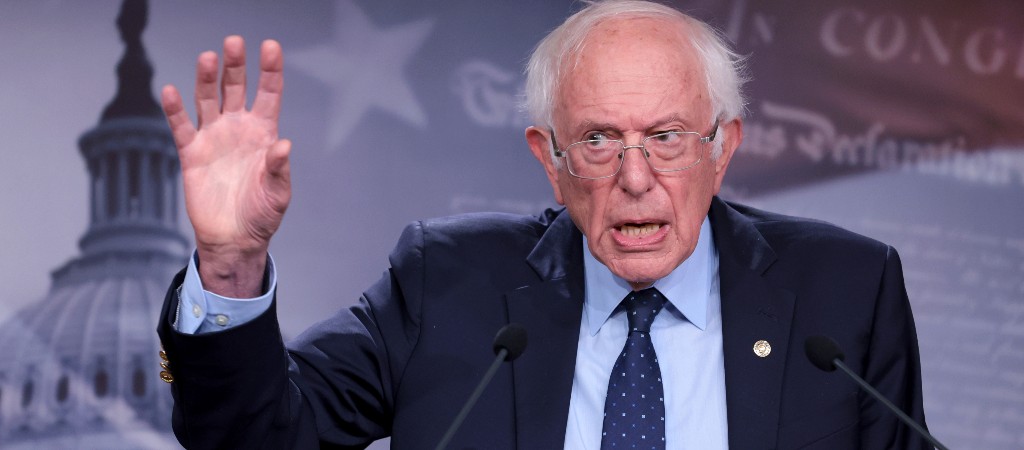
After learning that a new bill would put billions in the pocket of Elon Musk and Jeff Bezos, Bernie Sanders came out swinging on Wednesday as blasted the wealthy tech moguls and their decadent space race that has been playing out in the press. While addressing the Senate floor, Sanders voiced his criticism of the 2022 National Defense Authorization Act, which would include a massive subsidy for the already wealthy Bezos.
“This bill would provide and authorize $10 billion in taxpayer money to Jeff Bezos, the second wealthiest person in America, for his space race with Elon Musk, the wealthiest person in America,” Sanders said. “This is beyond laughable.”
At issue is Musk and Bezos essentially taking control of space exploration for their own private enterprise instead of directly benefiting the American people, who Sanders believes should be at the helm. Via Mediaite:
“It is not acceptable that the two wealthiest people in this country… take control of our space efforts to return to the moon, and maybe even the extraordinary accomplishment of getting to the moon,” he added, presumably with the intention of saying “Mars” in his second reference to the moon. “This is not something for two billionaires to be directing. This is something for the American people to be determining.”
Sanders’ remarks notably arrive not long after Musk taunted the senator on Twitter. After Sanders sent a broad, non-specific tweet about the extremely wealthy should “pay their fair share of taxes,” Musk hopped in the replies and wrote, “I keep forgetting that you’re still alive.” As someone who uses social media quite frequently, Musk should’ve been aware that Sanders is well loved on Twitter, and the Tesla CEO spent the next several hours being roasted for his swipe at Bernie.
This website uses cookies to improve your experience. We'll assume you're ok with this, but you can opt-out if you wish. Cookie settingsACCEPT
Privacy & Cookies Policy
Privacy Overview
This website uses cookies to improve your experience while you navigate through the website. Out of these cookies, the cookies that are categorized as necessary are stored on your browser as they are essential for the working of basic functionalities of the website. We also use third-party cookies that help us analyze and understand how you use this website. These cookies will be stored in your browser only with your consent. You also have the option to opt-out of these cookies. But opting out of some of these cookies may have an effect on your browsing experience.
Necessary cookies are absolutely essential for the website to function properly. This category only includes cookies that ensures basic functionalities and security features of the website. These cookies do not store any personal information.
Any cookies that may not be particularly necessary for the website to function and is used specifically to collect user personal data via analytics, ads, other embedded contents are termed as non-necessary cookies. It is mandatory to procure user consent prior to running these cookies on your website.

 New
New 


 ︎ (@CamzHS1)
 is pleased (@VictoriaPalms_)

 (@SeptemberRains)
  AnimeNYC (@NewTSage)


 ⁽ᵀᵃʸˡᵒʳ’ˢ ⱽᵉʳˢⁱᵒⁿ⁾ (@cottoncakendy)

 (@iyakintwt)