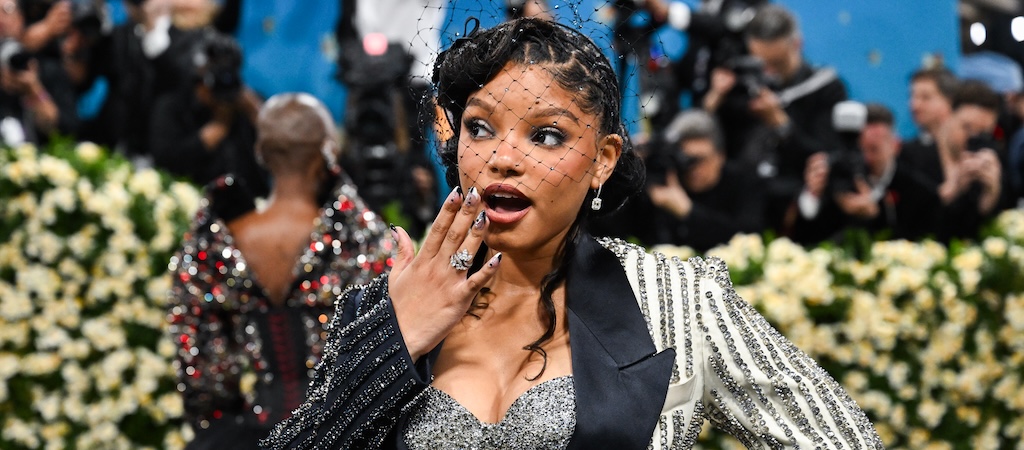
Halle Bailey has been in the music business since she was a pre-teen, experiencing tremendous success as part of the duo Chloe X Halle with her sister, so it feels odd to point that she still hasn’t actually released a debut album of her own yet. But that will soon change with the release of Love? Or Something Like It, her solo debut, which she announced today. Alongside a moody trailer for the album previewing some of its music, Bailey called the project on Instagram, “A story of first love, heartbreak, and everything that comes after. Out 10/24. This one means everything to me.”
Meanwhile, Halle’s sister, Chloe, had released two albums to date, In Pieces and in 2023 and Trouble In Paradise last year. In the meantime, she also became a mother to a child with DDG, although the relationship didn’t last.
Love? Or Something Like It is due on 10/24 via Parkwood and Columbia. You can find more info here.
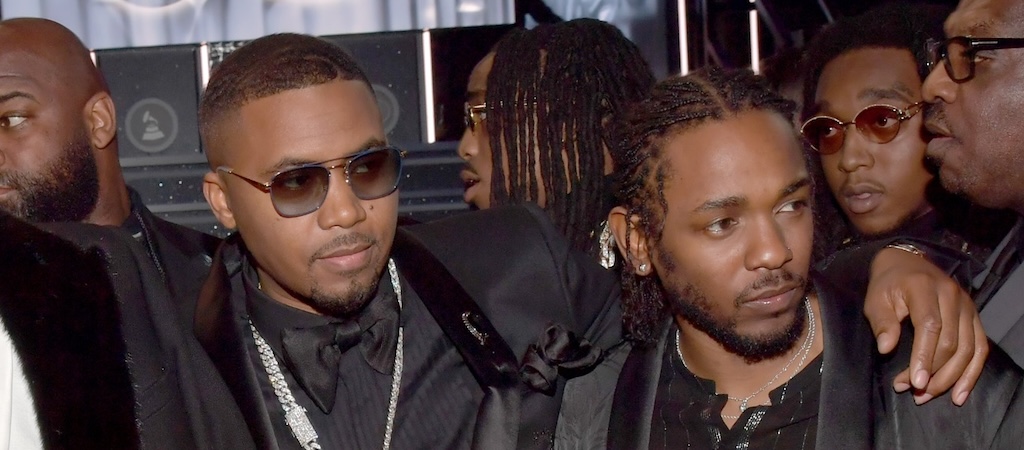
After Rolling Stone‘s Andre Gee (who we miss a lot here at Uproxx) compared the title track “Hip-Hop Is Dead” with Kendrick Lamar’s 2024 song “Watch the Party Die,” Nas called Kendrick the “North Star” of hip-hop. “Kendrick is one of the brightest stars we’ve ever seen, and I don’t only mean superstar, I mean like the North Star — I think he’s one of those,” he said. “Out of all of the artists in this business, there’s some that’s not here for the art. When we see those people that are not here for the art damaging it, you’re hurting the future of the art. So I think artists like Kendrick are going to speak out.”
“It’s just been in the conversation naturally, like any sport you want to thrive,” he continued. “You don’t want the NBA to start slowing down. You want it to thrive. The ball players want it to thrive. We’re going to call out anytime we see it. Sometimes the rest of us won’t see it. Sometimes it’ll take Kendrick to remind us where we are lacking.”
In addition, Nas gave a status update on his long-awaited album with DJ Premier, insights on the label’s Legend Has It… initiative, and his thoughts on fans’ responses to his and Jay-Z’s competing New York casino bids.
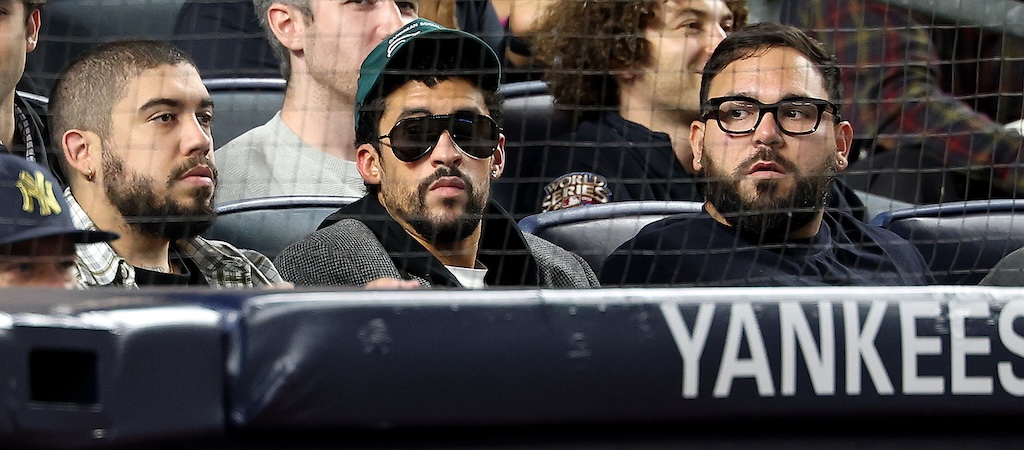
Bad Bunny is slowly but surely collecting sports-related accomplishments like Infinity Stones. He started in 2021, when he competed at Wrestlemania, following up a couple of years later with another WWE premium event, Backlash, in his native Puerto Rico. That one left him with some pretty bad injuries, so for now, it looks like he’s sticking to the sidelines — and the stage. A few weeks ago, he was announced as the performer for the next Super Bowl Halftime Show, and now, he’s added unofficial infielder to his growing resume, collecting a fly foul ball at the Yankees playoff game against the Toronto Blue Jays last night.
MLB posted a video of the beaming Benito to its official social media accounts shortly after, putting a circle on the reggaeton hero as he sat behind the plate and suddenly found himself part of the action. As Jays outfielder Anthony Santander clips the ball back over the netting, you can see Bad Bunny duck down a throw a protective arm up to block the impact. The ball manages to miss him, landing on the seat next to him, and after he retrieves it, he holds it up with a cheeky grin. At this point, it probably wouldn’t surprise anyone if he popped out at the Winter Olympics next year alongside Snoop Dogg to try his hand at curling or something. Watch Bad Bunny’s foul ball retrieval below.
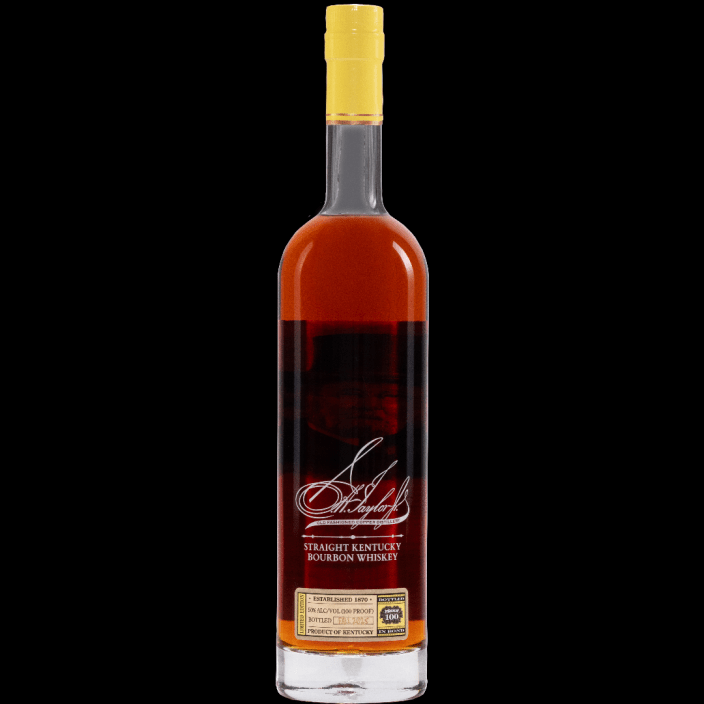
Colonel E.H. Taylor Bottled In Bond is joining the Buffalo Trace Antique Collection!
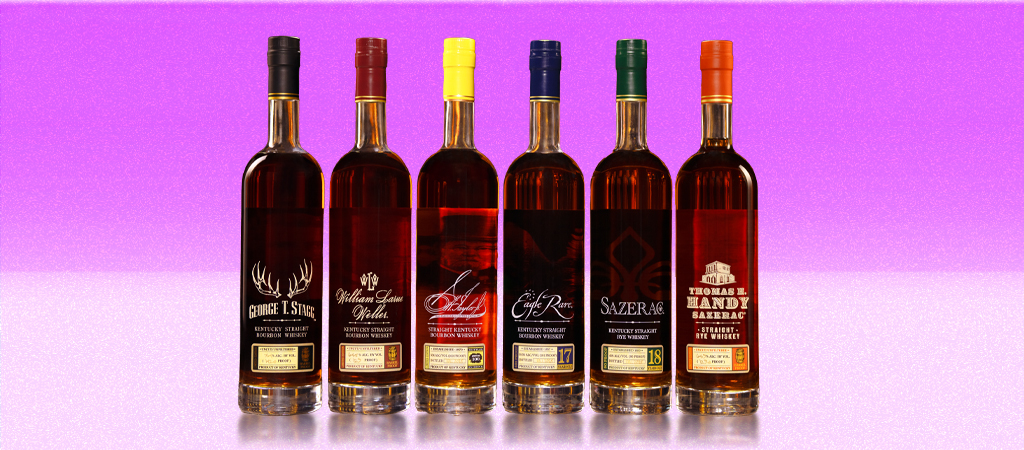
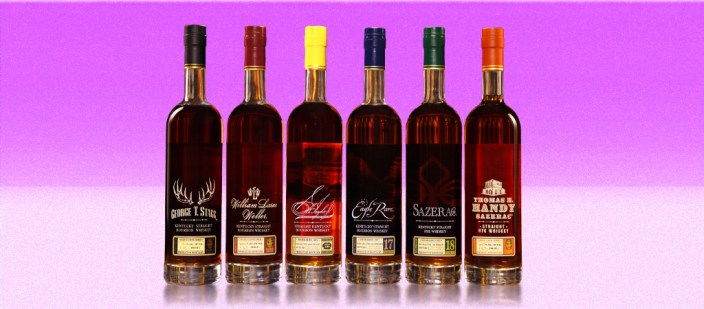
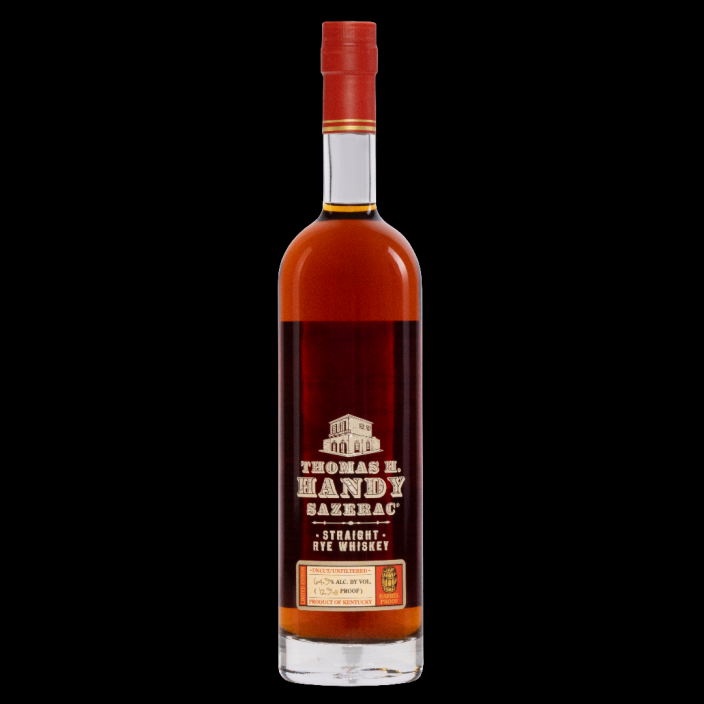
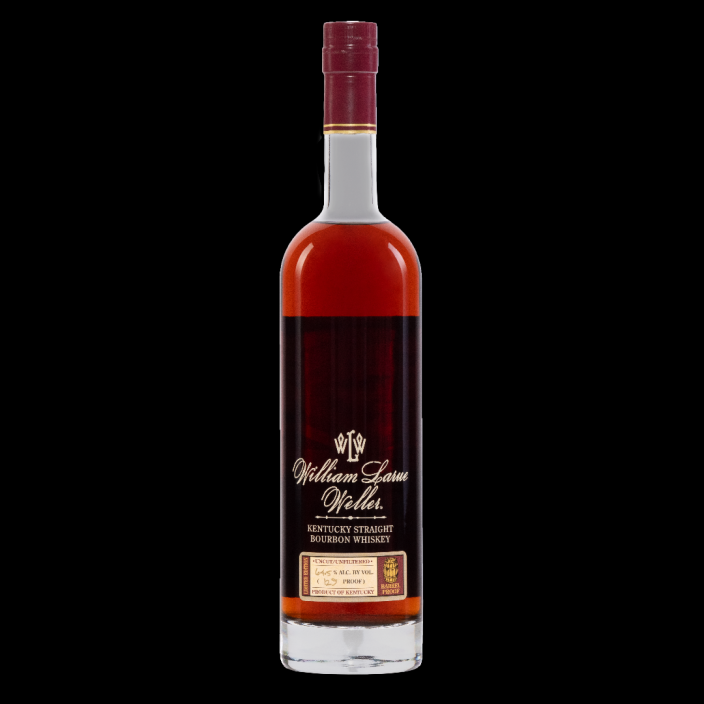
The new expression is now the 6th member of the highly sought-after Buffalo Trace Antique Collection, joining five celebrated staples – Eagle Rare 17-Year Bourbon, George T. Stagg Kentucky Straight Bourbon, Thomas H. Handy Sazerac Kentucky Straight Rye Whiskey, Sazerac 18-Year Kentucky Straight Rye Whiskey, and William Larue Weller Kentucky Straight Bourbon.
Here at Uproxx, we always make sure to secure an early taste so we can provide you with a full review of the vaunted lineup, and this year is no different.
First introduced in 2000, the Antique Collection was created to honor some of Buffalo Trace Distillery’s most iconic brands and the virtuosos behind them. During an exclusive media tasting of the collection, Master Distiller Harlen Wheatley joked that he may have to wait 155 years before a bottle bearing his name joins the lineup (E.H. Taylor purchased what we now call the Buffalo Trace Distillery in 1896), but regarding the addition of a new Bottled In Bond bourbon he remarked that Taylor’s inclusion was one they saw as necessary.
Colonel E.H. Taylor, in so many ways, is considered the “father of modern bourbon,” having played a pivotal role in the passing of the Bottled in Bond Act of 1897 and innovating with a first-of-its-kind steam heating system that remains in use in the distillery’s barrel warehouses today. Buffalo Trace’s Global Brand Director, Andrew Duncan, echoed these sentiments by saying, “Created in his honor, every sip of E.H. Taylor Bottled-in-Bond Bourbon offers more than exceptional flavor – it’s a taste of history and a reminder of his strict tenets that have safeguarded America’s world-leading whiskey quality standards for nearly 150 years.”
The proof ranges for this year’s collection run the gamut, from Sazerac 18’s 90-proof Kentucky Straight Rye Whiskey all the way up to George T. Stagg’s 142.8 proof (the fourth-highest proof in the brand’s history).
Bourbon enthusiasts know to expect excellence from this highly-regarded, award-winning collection each autumn, but which whiskey in the 2025 lineup is the best? I tasted them all side by side to give you a full breakdown of each bottle and determine which of this year’s offerings is most deserving of praise.
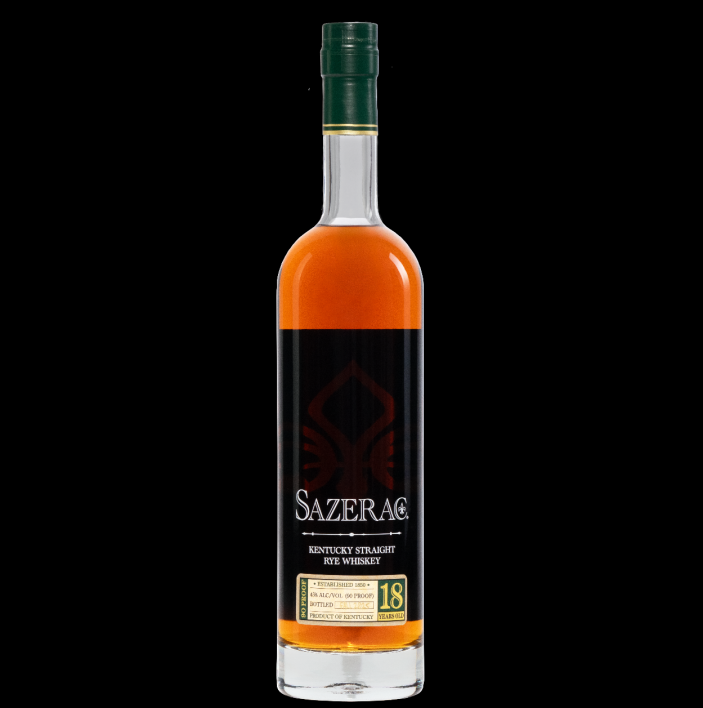
Sazerac 18-Year Rye Whiskey was named after the historic Sazerac House in New Orleans, the birthplace of the iconic Sazerac cocktail. This year’s expression was aged for 18 years and 5 months before being bottled at its typical 45% ABV or 90-proof.
Tasting Notes:
Nose: The aroma profile on this whiskey leads with over-steeped mint tea, Manuka honey, and sweet green apples. After that initial wave, some vanilla and soy candle notes begin to waft out of the glass. Faintly vegetal notes reminiscent of rhum agricole close things out.
Palate: On the palate, the whiskey feels just a bit thin, but it has a minty base with that faint vegetal rhum agricole note cropping up again, but without much sweetness or depth to balance it out. It does, however, get progressively stronger as the tame front palate experience picks up at midpalate and as it transitions to the finish.
Finish: The finish is brief, but flavorful, and welcomes some barrel char, dark chocolate, and faint honey notes, which definitely elevate the overall experience.
Bottom Line:
It’s worth acknowledging this has never been my preferred flavor profile, but this one remains true to the profile that fans of Sazerac 18 have come to expect over the years. It’s a balanced whiskey with a few fun notes to pull from, but it’s just not really for me.
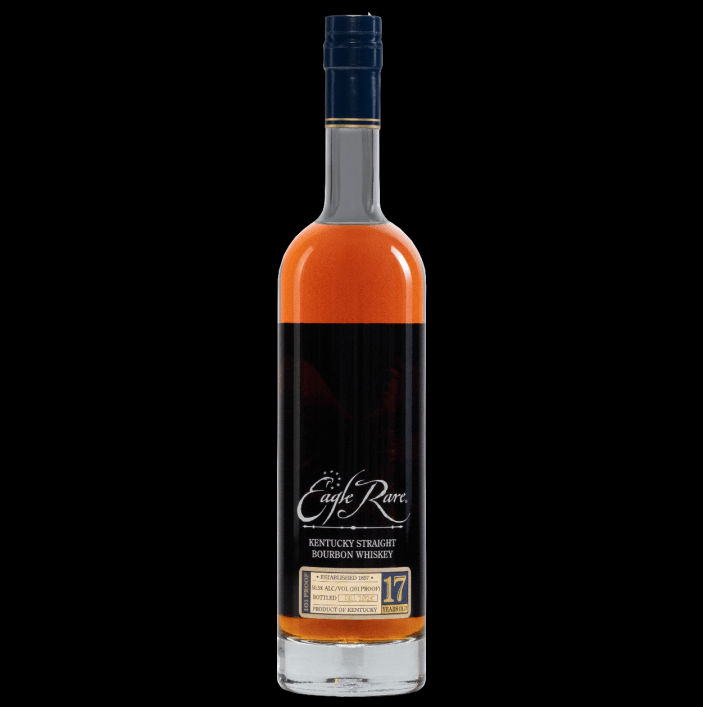
Bottled at 101-proof as a nod to the original bottling of Eagle Rare back in 1975, this year’s Eagle Rare 17 actually features bourbon that was matured for 18 years and 4 months, making it one of the oldest expressions in the brand’s history. It’s also the second-oldest whiskey in the 2025 Buffalo Trace Antique Collection, trailing only behind Sazerac 18.
Tasting Notes:
Nose: On the first whiff, this whiskey is loaded with apple leather and dried black cherry notes with manuka honey, very faint oak, and some caramel. It’s a wonderful bouquet of aromas, albeit a bit restrained.
Palate: On the palate, this whiskey is more demure, but still full of flavor. It doesn’t have any punch or brashness at the tip of the tongue, instead leading you to the midpalate before the flavors blossom with dried black cherries, peppercorns, sweet leather, and honeyed black tea notes. The mouthfeel is lovely, but overall it’s just a bit tame, texturally.
Finish: The finish is a bit drying, but the sweet notes of black cherries and vanilla pod keep it interesting, with some freshly cracked black pepper notes closing things out.
Bottom Line:
This is an undeniably delicious whiskey, one that represents its age well and presents all of the flavors one expects from Eagle Rare 17. That said, it’s surprisingly sparse on the front end, and a bit disappointing on the finish, leaving only the stellar midpalate experience as its standout quality.
I’d gladly drink this all day long, but in a newly crowded lineup, Eagle Rare 17 is slightly left behind this year.
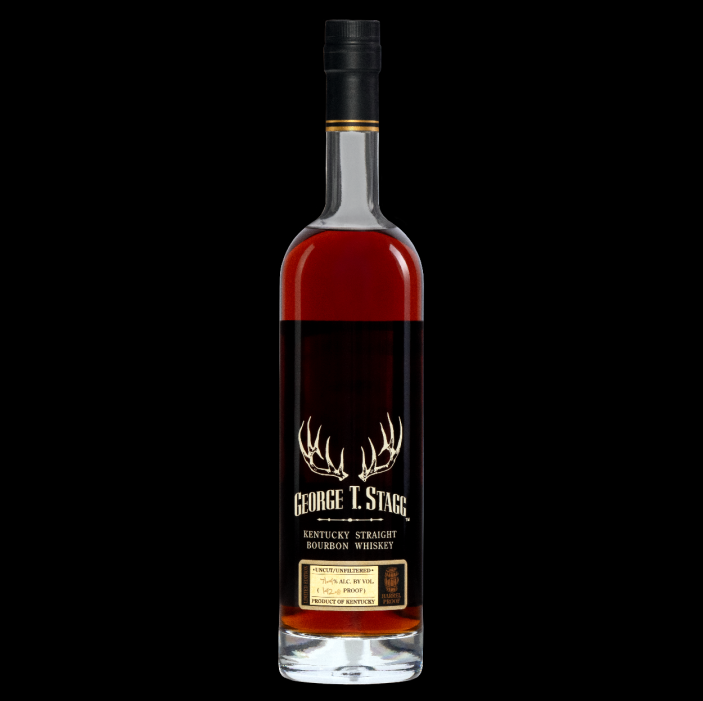
Named in honor of the man who acquired the historic O.F.C. Distillery from Colonel E.H. Taylor in 1878, George T. Stagg Bourbon is often regarded as the boldest bourbon on the market. First introduced in 2002, the opening salvo in the bourbon boom’s insatiable thirst for uncut, unfiltered bourbon, this year’s George T. Stagg was aged for at least 15 years and 4 months. Bottled at 142.8 proof, this year’s release is tied for the 4th strongest ever at 142.8 proof. For those curious, the highest ever George T. Stagg Bourbon was released in 2007 and clocked in at a whopping 144.8 proof.
Tasting Notes:
Nose: The nose on this year’s George T. Stagg Bourbon begins with some strong caramel apple notes, which open the door for hints of plum and clove, while the aroma of torched green peppers and eucalyptus flits in the background. This is fun stuff!
Palate: Very bold at first, with torched red peppers leading the charge before caramel and tobacco leaf notes kick in with some dark chocolate tamping down the heat. At midpalate, those bold flavors really blossom before the heat creeps up the roof of your mouth and causes you to salivate in search of relief. Thankfully, some nutmeg, brown sugar, and barrel notes offer that respite.
Finish: The finish is incredibly lengthy, and it has notes of hazelnut spread, Aleppo red pepper flakes, and sweet caramel. The heat continues to pulse throughout the finish, reminding you that this is a bourbon for the bold.
Bottom Line:
This is where the collection takes a turn from “really good” to great. Make no mistake, the Eagle Rare 17 Bourbon from this year is stellar, but cast against the rest of the lineup, it has some bold and balanced whiskeys to compete with. George T. Stagg is most definitely the latter, and while it’ll send proof hounds in a tizzy, it lacks the balance and approachability to send it to the top of this year’s collection.
In some ways, the star of the show, E.H. Taylor Bottled-In-Bond Bourbon, is the first new addition to the BTAC lineup since Thomas H. Handy first joined the portfolio in 2006. This inaugural release of the expression was matured for 15 years and 4 months and adheres to all of the standards of the Bottled in Bond Act, which its namesake helped to establish back in 1897.
Tasting Notes:
Nose: The nose initially smells like an Arnold Palmer with peach tea, accented by a touch of sage and menthol. It’s a fruity and effusive bouquet with an impressive touch of citrus and oak to round things out.
Palate: In the mouth, it’s all peach tea up front with some honey and black pepper accents as it eases into the mid-palate. This whiskey has a nice, robust mouthfeel that’s medium-bodied but states its case well, holding place on your palate for the flavors of butterscotch and white flowers as it gently coats your tongue.
Finish: The finish is medium-length with some good cling and plenty of that peach tea note with vanilla and some white pepper along for the ride. It does get a touch tannic at the end, but only in the faintest way. This is honestly a revelation.
Bottom Line:
This is an eye-opening whiskey. While many bourbon fans were initially disappointed to discover that this bourbon would only be 100-proof, those concerns have proven to be unwarranted. At 50% ABV, E.H. Taylor Bottled-In-Bond Bourbon is perfectly proofed, flavorful, and balanced in a way that’s evocative of vintage whiskey from the golden age.
Buffalo Trace came out swinging with the first edition of this one, and it fits right in with the rest of the premium collection.
2. Thomas H. Handy Sazerac Kentucky Straight Rye Whiskey
Thomas H. Handy takes its name from the New Orleans businessman and owner of the legendary Sazerac Coffee House, honoring the legacy of rye whiskey’s use in the classic Sazerac cocktail. Uncut and unfiltered, this whiskey was drawn from barrels aged for at least six years before being bottled at 129.8 proof, a slight uptick from last year’s 127.2 proof.
Tasting Notes:
Nose: The aroma profile opens with notes of fried green apple pie and honeyed toast. A flash of pepper and mesquite BBQ with mint and caramel. There’s a sturdy oak backbone as well.
Palate: On the palate, there are gobs of mint tea and caramel notes, while a wave of green apples, toasted coconuts, plum skin, and cherry tarts, which comes crashing in to join the party. Lots of honey can be found at midpalate, and that sweetness is very balanced with a sturdy oak backbone. Finally, some pineapple and clove cigarette flavors can be detected as it transitions to the finish.
Finish: It has an impressively lengthy finish that’s full of dark chocolate, rye spice, green apples, and youthful oak.
Bottom Line:
Thomas H. Handy, often one of the more overlooked members of the collection, is having its moment in the sun this year. The 2025 edition is absolutely packed with flavor that both defies and leans into its status as the youngest member of the collection. There’s a brashness to the whiskey, accompanied by an underripe stone fruit note that’s well-balanced with gooey caramel and gentle rye spice, making for an outstanding expression overall.
This was definitely the most surprising whiskey in the entire lineup.
The Buffalo Trace team filled barrels for this year’s release at 114 proof, and after 14 years of aging, the end whiskey was bottled uncut and unfiltered at a stout 129 proof. William Larue Weller is the only wheated-bourbon in the collection and has previously been awarded a Gold Medal at the prestigious San Francisco World Spirits Competition, regarded as one of the best bourbons in the world.
Tasting Notes:
Nose: The nosing notes open with Mexican hot chocolate, peanut brittle, and a touch of cola nut. It has a delicious, slightly nutty and caramel-laden base with apple pie spice and hazelnut spread also present.
Palate: Wow! This is really delicious right off the bat, with a gooey caramel note leading the way that then morphs into salted toffee, accompanied by notes of Chelan cherries, pie crust, and cloves. This tastes exactly like what you want in a sweet, well-rounded, faintly funky hyper-aged wheated bourbon. This really delivers.
Finish: The finish is lengthy on this one and welcomes some faint oak notes and nutmeg before the sweet cherry and salted toffee notes come rumbling back.
Bottom Line:
William Larue Weller is back on top! This is easily the most balanced whiskey in the entire lineup, and it adds to that with a bevy of well-developed flavors that wheated-bourbon fans will immediately fall in love with. This year’s Buffalo Trace Antique Collection lineup is loaded with heavy hitters, and it’d be easy to place almost any of these in the top spot, but William Larue Weller has the most substantial claim to the throne of them all.
Geese’sGetting Killed is the best indie album of 2025, per Uproxx’s Steven Hyden. Well, that album will possibly be hitting a stage near you soon, as the band is gearing up to launch a tour this weekend.
Ahead of that, though, they’ve shared a video for “Au Pays Du Cocaine.” It’s very, very simple: Cameron Winter sits across a table from a cute baby. While the baby is full of youthful energy, Winter seems worn down. By the end, Winter retreats to an upstairs bedroom, climbs in the baby’s crib, and goes to sleep.
In a recent Interview interview, the band’s Max Bassin said, “I’m excited for the cycle to be over and for the record to have been out. I’m excited to have it not be shrouded in mystery anymore.” He also said of the band’s increased profile lately, “It’s cool. I feel like I still have a decent amount of anonymity. I show up to the Geese show and nobody recognizes me, which is kind of dope. I’m doing exactly what I want to do: I get to play drums and get left alone.”
Watch the “Au Pays Du Cocaine” video above and find the band’s upcoming tour dates below.
Geese’s 2025 Tour Dates: Getting Killed
10/10 — South Burlington, VT @ Higher Ground Ballroom*
10/11 — Toronto, ON @ Opera House*
10/13 — Detroit, MI @ El Club*
10/15 — Chicago, IL @ Thalia Hall*
10/16 — Chicago, IL @ Thalia Hall*
10/17 — Madison, WI @ Majestic Theatre*
10/18 — St. Paul, MN @ Amsterdam Bar & Hall*
10/20 — Denver, CO @ Gothic Theatre*
10/24 — Seattle, WA @ Neumos*
10/25 — Vancouver, BC @ Hollywood Theatre*
10/26 — Portland, OR @ Wonder Ballroom*
10/28 — San Francisco, CA @ The Fillmore*
10/30 — Los Angeles, CA @ The Fonda Theatre*
10/31 — San Diego, CA @ Quartyard^
11/01 — Phoenix, AZ @ Crescent Ballroom^
11/04 — Fort Worth, TX @ Tulips^
11/05 — Austin, TX @ Scoot Inn^
11/06 — Houston, TX @ White Oak Music Hall^
11/08 — Atlanta, GA @ Terminal West^
11/09 — Asheville, NC @ The Grey Eagle Music Hall^
11/10 — Carrboro, NC @ Cat’s Cradle^
11/12 — Washington, DC @ 9:30 Club^
11/13 — Philadelphia, PA @ Union Transfer^
11/14 — Boston, MA @ Paradise Rock Club^
11/15 — Woodstock, NY @ Levon Helm Studios^
11/20 — Brooklyn, NY @ Brooklyn Paramount
11/21 — Brooklyn, NY @ Brooklyn Paramount*^
* with Racing Mount Pleasant
^ with Dove Ellis
Getting Killed is out now via Partisan Records. Find more information here.
The last time fans of R&B were as spoiled for choice as they are now, Ne-Yo was two-stepping across stages in his fedora singing “Closer.”
On Tuesday night at the Greek Theatre in Los Angeles, nearly 6,000 fans packed the outdoor venue for the first night of Long Beach crooner Giveon’s sold-out, two-night hometown tour stop, singing along every word. A few miles south, his Texas-bred fellow baritone Khalid was hosting the listening experience for his upcoming album After The Sun Goes Down, which drops this Friday, October 10. That event also had fans lining up down the block to get into the Arts District warehouse in which it was hosted.
The night before, at the Grammy Museum, I had the privilege of attending the Grammy Museum’s Spotlight series concert with child-actor-turned-funk-soul-icon Leon Thomas at that venue’s rooftop Ray Charles Terrace. That’s where Thomas joked about Ne-Yo’s heyday as the “golden era of R&B.” Then, on the way home, as the radio played one of the seemingly dozens of covers of Kehlani’s latest inescapable hit, “Folded” (both nights!), I mused that Thomas might have been mistaken; If ever R&B has had a “golden era,” it’s now. R&B is officially “back” — even though it never really left.
Just a couple of years ago, this didn’t appear to be the case. In 2020, Billboard ran a cover feature with Jhené Aiko, Kehlani, Summer Walker, and Teyana Taylor bemoaning the state of R&B, while in 2022, Bad Boy impresario Sean “Diddy” Combs caught a backlash over declaring that “R&B is dead,” forcing him to walk back his statement a few days later. At the same time, Uproxx Wongo Okon maintained his weekly “Best Of R&B” column, highlighting hundreds of artists flourishing in the space, apparently just out of public view.
Then, last year, it seemed that the supposedly dormant genre had a massive resurgence, thanks in large part to breakout performances such as Usher’s Super Bowl Halftime Show and Victoria Monét’s Best New Artist win at the Grammys. After years of major labels downplaying R&B in favor of SoundCloud rap, trap-accented pop music, and heartland country, a shift has occurred at the mainstream level. So, what happened?
In short, the only thing that changed was the music industry establishment’s attitude toward Black music being made by Black people. In my review of Doja Cat’s new album Vie, I recounted how the conventions of 1980s R&B and boogie were subsumed into the umbrella of pop, while the artists who made such music were filtered out. Those sounds continued to crop up in upbeat pop hits in recent years, but music publications either overlooked, ignored, or were unaware of those influences, downplaying them in favor of generic references to ’80s styles without naming the artists who pioneered them.
And, as the singers in Billboard‘s 2020 story pointed out, R&B artists were often shunted away from mainline charts and playlists into the dreaded “urban” category, limiting their reach and putting a paper ceiling on promotional budgets and marketing opportunities. As Living Legends Foundation chairman David Linton pointed out then, “The public doesn’t know the difference — only those at the labels who control the budgets.” Likewise, Aiko called the spade what it was, saying, “Now there are traditionally pop artists doing R&B albums, but it’s called pop.”
However, the R&B artists leading this resurgence figured out a crafty strategy for sidestepping this tendency. As pop hijacked contemporary sounds, R&B artists looked further back, bringing back foundational elements such as live instrumentation and big band sounds. In July, as Giveon prepared to release his new album Beloved, he told me in an interview that he intentionally wanted to pull from past decades like the ’60s and ’70s because, in his words, “even though my fan base is still the younger group, they’re not even going to know where that’s from. I feel honored to be able to introduce them to that world and that sound.”
And that juke is the key to the overall resurgence of R&B: Everything old is new again, especially for generations that get lightly joshed on social media for constantly “discovering” things that precede them by decades. It’s like watching a favorite childhood movie with a much younger relative. For them, it’s a mind-blowing new experience, while for you, it’s a nostalgic one, bridging that gap between generations.
Giveon’s show at the Greek exemplified this effect to a tee. While live bands are more or less old hat at this level, even for artists of Giveon’s generation and younger, he wasn’t content simply to present a five-piece with backup singers. Instead, the band sprawled across the stage with at least ten pieces, generating a lush soundscape that differentiated him from even the veteran R&B stars who kept the torch alight during the genre’s mainstream fallow period over the past decade and a half.
He’s not the only one to go this route, either; At last year’s Camp Flog Gnaw Carnival, British soul revivalist Raye also brought the big-band vibes, including a brass trio in her boisterous, full-bodied set. Her fellow Brit, burgeoning vocal star Sasha Keable, opened for Giveon at the Greek (her first-ever Los Angeles show, and certainly not her last), and you could almost hear how magnificent she’ll sound when she’s able to follow their example in a few years.
If the jam-packed past few days are proof of anything, it’s that it’s up to recording artists to stay the course, rather than chase trends. By staying true to their sound and the roots of the genre, today’s R&B artists laid the groundwork for the fickle industry’s eventual return as it sought more fertile soil to cultivate. And maybe there’s a lesson for the industry in there, too: Giving equitable opportunities for all artists, not just the “trendy” few, means more chances for the stars that are already around to shine.
The last time fans of R&B were as spoiled for choice as they are now, Ne-Yo was two-stepping across stages in his fedora singing “Closer.”
On Tuesday night at the Greek Theatre in Los Angeles, nearly 6,000 fans packed the outdoor venue for the first night of Long Beach crooner Giveon’s sold-out, two-night hometown tour stop, singing along every word. A few miles south, his Texas-bred fellow baritone Khalid was hosting the listening experience for his upcoming album After The Sun Goes Down, which drops this Friday, October 10. That event also had fans lining up down the block to get into the Arts District warehouse in which it was hosted.
The night before, at the Grammy Museum, I had the privilege of attending the Grammy Museum’s Spotlight series concert with child-actor-turned-funk-soul-icon Leon Thomas at that venue’s rooftop Ray Charles Terrace. That’s where Thomas joked about Ne-Yo’s heyday as the “golden era of R&B.” Then, on the way home, as the radio played one of the seemingly dozens of covers of Kehlani’s latest inescapable hit, “Folded” (both nights!), I mused that Thomas might have been mistaken; If ever R&B has had a “golden era,” it’s now. R&B is officially “back” — even though it never really left.
Just a couple of years ago, this didn’t appear to be the case. In 2020, Billboard ran a cover feature with Jhené Aiko, Kehlani, Summer Walker, and Teyana Taylor bemoaning the state of R&B, while in 2022, Bad Boy impresario Sean “Diddy” Combs caught a backlash over declaring that “R&B is dead,” forcing him to walk back his statement a few days later. At the same time, Uproxx Wongo Okon maintained his weekly “Best Of R&B” column, highlighting hundreds of artists flourishing in the space, apparently just out of public view.
Then, last year, it seemed that the supposedly dormant genre had a massive resurgence, thanks in large part to breakout performances such as Usher’s Super Bowl Halftime Show and Victoria Monét’s Best New Artist win at the Grammys. After years of major labels downplaying R&B in favor of SoundCloud rap, trap-accented pop music, and heartland country, a shift has occurred at the mainstream level. So, what happened?
In short, the only thing that changed was the music industry establishment’s attitude toward Black music being made by Black people. In my review of Doja Cat’s new album Vie, I recounted how the conventions of 1980s R&B and boogie were subsumed into the umbrella of pop, while the artists who made such music were filtered out. Those sounds continued to crop up in upbeat pop hits in recent years, but music publications either overlooked, ignored, or were unaware of those influences, downplaying them in favor of generic references to ’80s styles without naming the artists who pioneered them.
And, as the singers in Billboard‘s 2020 story pointed out, R&B artists were often shunted away from mainline charts and playlists into the dreaded “urban” category, limiting their reach and putting a paper ceiling on promotional budgets and marketing opportunities. As Living Legends Foundation chairman David Linton pointed out then, “The public doesn’t know the difference — only those at the labels who control the budgets.” Likewise, Aiko called the spade what it was, saying, “Now there are traditionally pop artists doing R&B albums, but it’s called pop.”
However, the R&B artists leading this resurgence figured out a crafty strategy for sidestepping this tendency. As pop hijacked contemporary sounds, R&B artists looked further back, bringing back foundational elements such as live instrumentation and big band sounds. In July, as Giveon prepared to release his new album Beloved, he told me in an interview that he intentionally wanted to pull from past decades like the ’60s and ’70s because, in his words, “even though my fan base is still the younger group, they’re not even going to know where that’s from. I feel honored to be able to introduce them to that world and that sound.”
And that juke is the key to the overall resurgence of R&B: Everything old is new again, especially for generations that get lightly joshed on social media for constantly “discovering” things that precede them by decades. It’s like watching a favorite childhood movie with a much younger relative. For them, it’s a mind-blowing new experience, while for you, it’s a nostalgic one, bridging that gap between generations.
Giveon’s show at the Greek exemplified this effect to a tee. While live bands are more or less old hat at this level, even for artists of Giveon’s generation and younger, he wasn’t content simply to present a five-piece with backup singers. Instead, the band sprawled across the stage with at least ten pieces, generating a lush soundscape that differentiated him from even the veteran R&B stars who kept the torch alight during the genre’s mainstream fallow period over the past decade and a half.
He’s not the only one to go this route, either; At last year’s Camp Flog Gnaw Carnival, British soul revivalist Raye also brought the big-band vibes, including a brass trio in her boisterous, full-bodied set. Her fellow Brit, burgeoning vocal star Sasha Keable, opened for Giveon at the Greek (her first-ever Los Angeles show, and certainly not her last), and you could almost hear how magnificent she’ll sound when she’s able to follow their example in a few years.
If the jam-packed past few days are proof of anything, it’s that it’s up to recording artists to stay the course, rather than chase trends. By staying true to their sound and the roots of the genre, today’s R&B artists laid the groundwork for the fickle industry’s eventual return as it sought more fertile soil to cultivate. And maybe there’s a lesson for the industry in there, too: Giving equitable opportunities for all artists, not just the “trendy” few, means more chances for the stars that are already around to shine.
They say the revolution will not be televised, but Black Thought and Danger Mouse‘s video for their new single “Up” would like to raise an objection. The clip features a stack of television sets flashing imagery from news stories cover protests and documentaries about community leaders as Black Thought and guest vocalist Rag’n’Bone Man appearing in static-ridden closeups to perform their parts.
“Up” is the first single from the reunited Black Thought and Danger Mouse’s upcoming follow-up to their critically acclaimed 2022 project Cheat Codes. The best rapper alive first teamed up with the MF DOOM collaborator in 2005, when they recorded their first records together, but the album really began to come together in earnest in 2017 and 2018, when they first had the idea for it and recorded the bulk of its material. The project landed in multiple publications’ Best of 2022 lists and peaked at No. 43 on the Billboard 200.
The news that the two veteran artists are making another album will undoubtedly be met with some adulation, but frustratingly, there’s no release date or even a title, beyond a rumored Cheat Codes 2. Fortunately, we probably won’t have to wait another five years for it to drop.
Watch Black Thought and Danger Mouse’s “Up” video featuring Rag’n’Bone Man above.
Gorillaz have always been a collaborative band, but they’ve been especially leaning into it over the past few years. On their upcoming album The Mountain, for example, there’s at least one featured artist on every track, with most songs having two or more guests.
The latest advance single, shared today (October 8), is “The Manifesto.” For this one, they recruited Argentinian rapper Trueno and Detroit rapper Proof, the latter contributing posthumously following his death in 2006. The verse is a freestyle recorded during an early recording session, as a press release notes.
Beyond this song, the album features contributions from people like Bobby Womack, Black Thought, Tony Allen, Idles, Johnny Marr, Yasiin Bey, and more.
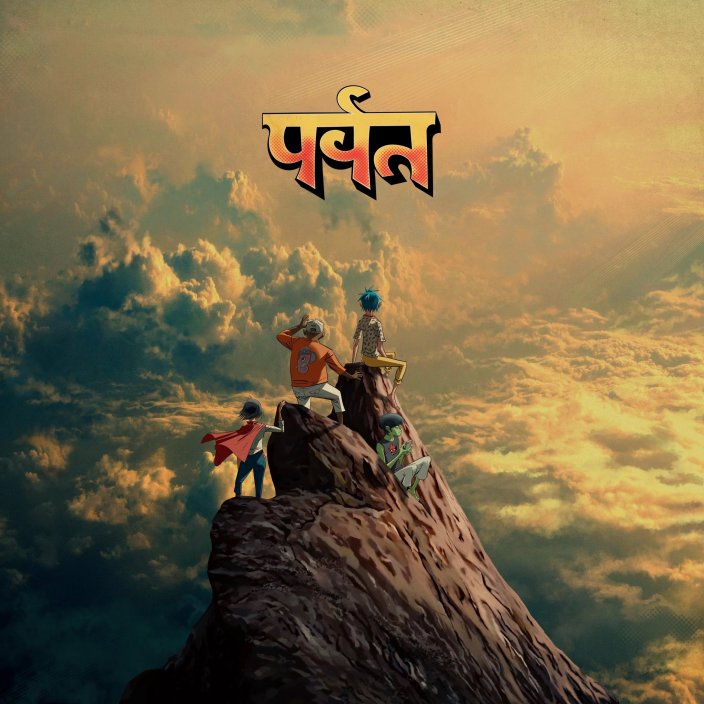
Listen to “The Manifesto” above. Find the The Mountain cover art and tracklist below,
Gorillaz’s The Mountain Album Cover Artwork
Kong
Gorillaz’s The Mountain Tracklist
1. “The Mountain” Feat. Dennis Hopper, Ajay Prasanna, Anoushka Shankar, Amaan Ali Bangash, and Ayaan Ali Bangash
2. “The Moon Cave” Feat. Asha Puthli, Bobby Womack, Dave Jolicoeur, Jalen Ngonda, and Black Thought
3. “The Happy Dictator” Feat. Sparks
4. “The Hardest Thing” Feat. Tony Allen
5. “Orange County” Feat. Bizarrap, Kara Jackson, and Anoushka Shankar
6. “The God Of Lying” Feat. Idles
7. “The Empty Dream Machine” Feat. Black Thought, Johnny Marr, and Anoushka Shankar
8. “The Manifesto” Feat. Trueno and Proof
9. “The Plastic Guru” Feat. Johnny Marr and Anoushka Shankar
10. “Delirium” Feat. Mark E. Smith
11. “Damascus” Feat. Omar Souleyman and Yasiin Bey
12. “The Shadowy Light” Feat. Asha Bhosle, Gruff Rhys, Ajay Prasanna, Amaan Ali Bangash, and Ayaan Ali Bangash
13. “Casablanca” Feat. Paul Simonon and Johnny Marr
14. “The Sweet Prince” Feat. Ajay Prasanna, Johnny Marr, and Anoushka Shankar
15. “The Sad God” Feat. Black Thought, Ajay Prasanna, and Anoushka Shankar
Gorillaz’s 2026 Tour Dates: The Mountain Tour
03/20/2026 — Manchester, UK @ Co-Op Live
03/21/2026 — Manchester, UK @ Co-Op Live
03/22/2026 — Birmingham, UK @ Bp Pulse Live
03/24/2026 — Glasgow, UK @ Ovo Hydro *
03/25/2026 — Leeds, UK @ First Direct Arena *
03/27/2026 — Cardiff, UK @ Utilita Arena *
03/28/2026 — Nottingham, UK @ Motorpoint Arena *
03/29/2026 — Liverpool, UK @ M&S Bank Arena *
03/31/2026 — Belfast, IRE @ Sse Arena *
04/01/2026 — Dublin, IRE @ 3Arena *
04/02/2026 — Dublin, IRE @ 3Arena *
06/20/2026 — London, UK @ Tottenham Hotspur Stadium *#
* with Trueno
# with Sparks
The Mountain is out 3/20/2026 via Kong. Find more information here.
We do now, because 2025 has been a banner year for rap music, but it’s also quietly been an incredible year for new whiskey releases, even in the face of cooling sales. The real secret is that whiskey has not only become better than ever in terms of quality, but it’s also being appreciated with greater intention. The ritual of spinning your favorite vinyl or hearing new music at an event is always enhanced with something high-quality in your glass, but the key is to choose your libations like you choose your tunes — play nothing but the hits.
Since this is our first spin on blending new music with new whiskey, I’ll draw inspiration from some of the best rap songs of 2025 and pair them with some of the best bottles in the same span. The stories behind these songs and spirits are aligned in one way or another, but the real key is that the mood set by each song syncs perfectly with the vibes evoked by every flavor in your drink.
They say music is how we decorate time, and with these whiskeys on deck, you’ll want to savor every moment.
Enjoy some sound sipping with ten of the best rap songs and whiskeys to enjoy together right now.
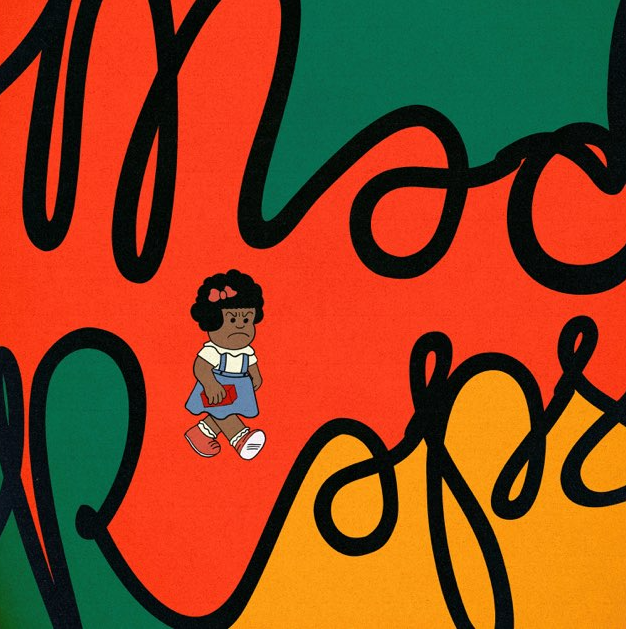
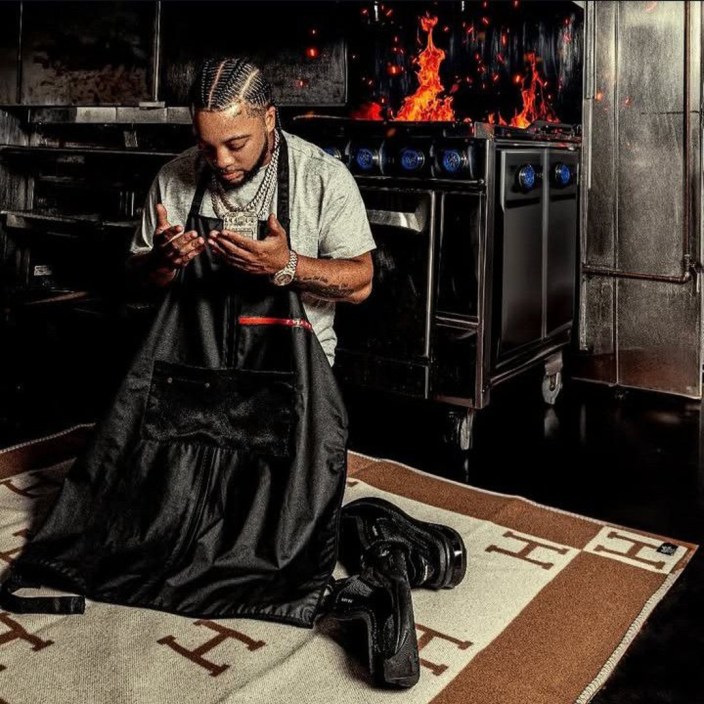
The Pairing: “I still ain’t got my roses, I’m waiting, I bought vases!” It’s true that Rapsody too frequently gets overlooked as one of the best lyricists alive today, but her twin collaborations with Madlib mark a perfect time to give the North Carolina rhymer her flowers. Of the two, it’s “Daddy’s Girl” with its lush soundscape that lends itself to laid-back listening enjoyment over a glass of whiskey.
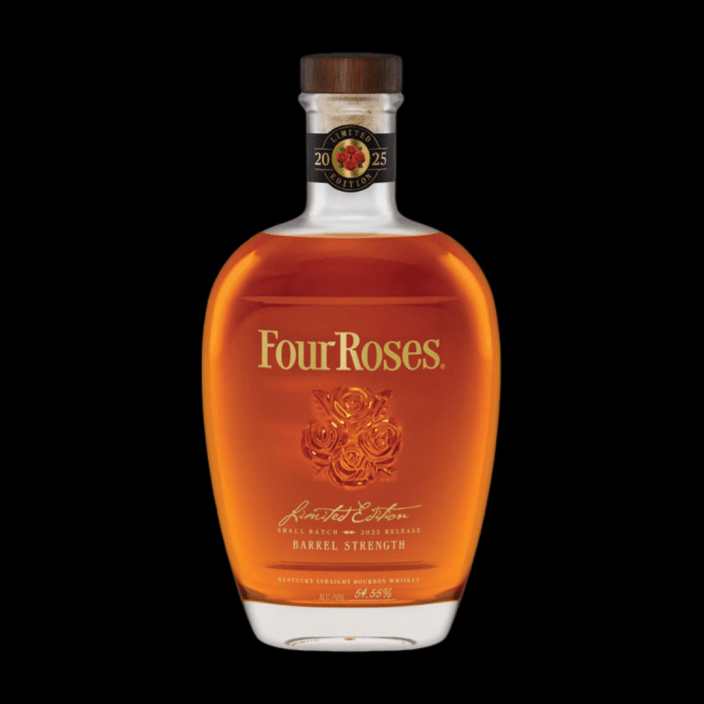
That brings us to the 2025 expression of Four Roses Limited Edition Small Batch Bourbon. The highly sought-after bourbon in 2025’s release already has a spot reserved on our annual best-of-the-year list, blending rich, sweet notes with plenty of punch to remind you that this is, after all, an adult beverage. Where the delicious, faintly peppery finish on the Four Roses lingers long after each sip, you’ll want to play “Daddy’s Girl” again and again, as it’s a potent track that always seems to end all too soon.
Better make that drink a double.
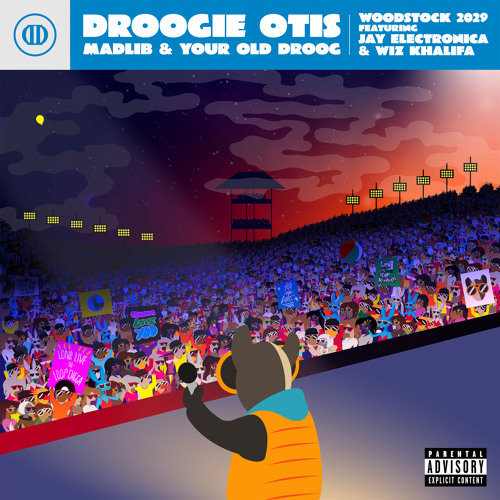
The Song: Your Old Droog & Madlib feat. Wiz Khalifa & Jay Electronica “Woodstock 2029”
Beat Konducta LLC
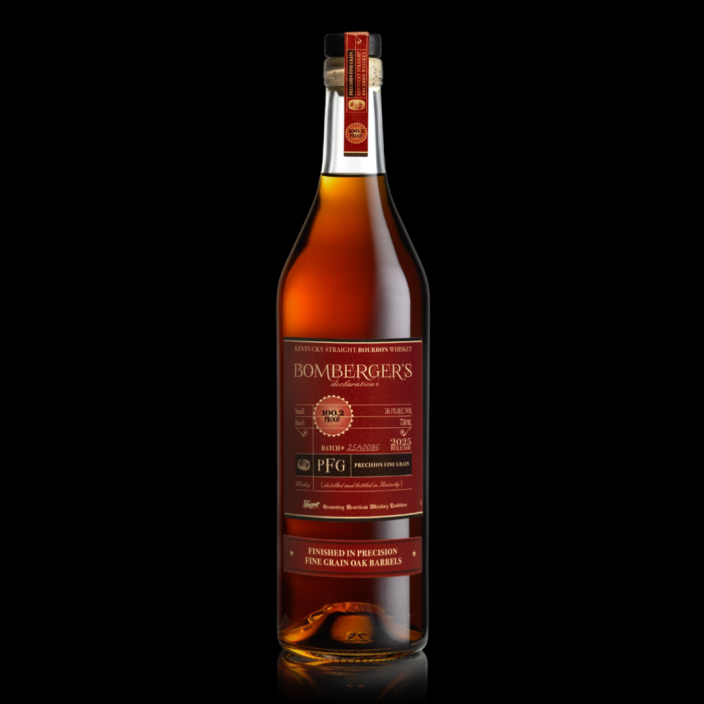
The Drink: Michter’s Bomberger’s Declaration PFG (Precision Fine Grain)
The Pairing: In one of the more unexpected, yet incredible, collaborations of the year, the team of Your Old Droog and Madlib is joined by Jay Electronica and Wiz Khalifa for a mesmerizing track that sees each of the rappers at his respective best. While Jay Elect kicks things off with a prototypically pensive 16, YOD follows with a sharply penned verse that instantly made me wonder aloud whose contribution was better. Not to be outdone, Wiz follows suit with a performance that his hardcore fans will applaud, as he extols his commitment to three of his greatest loves: counting cash, working out, and rolling up.
The perfect drink to go with this song is a nice pour of Michter’s Bomberger’s Declaration PFG. While Bomberger’s has been an ongoing release from the brand for a few years now, this PFG edition is a totally new and unexpected riff on the modern classic. The whiskey is first fully matured in an American oak barrel and then transferred to a second new French fine grain oak barrel, which undergoes proprietary toasting and a uniquely specified char level to fine-tune the flavor. The French oak in that second barrel comes from a variety of old-growth forests, including the Tronçais, Allier, Nevers, and Vosges. Simply put, the trees harvested for those barrels are typically at least 200 years old before being used to store and mature the whiskey in your glass.
It’s that blend of trees and rich history that accompanies them that gives you a lot to savor (and think about) while sipping Bomberger’s PFG. It’s a complex dark horse for whiskey of the year that perfectly complements the unexpected greatness of this track.
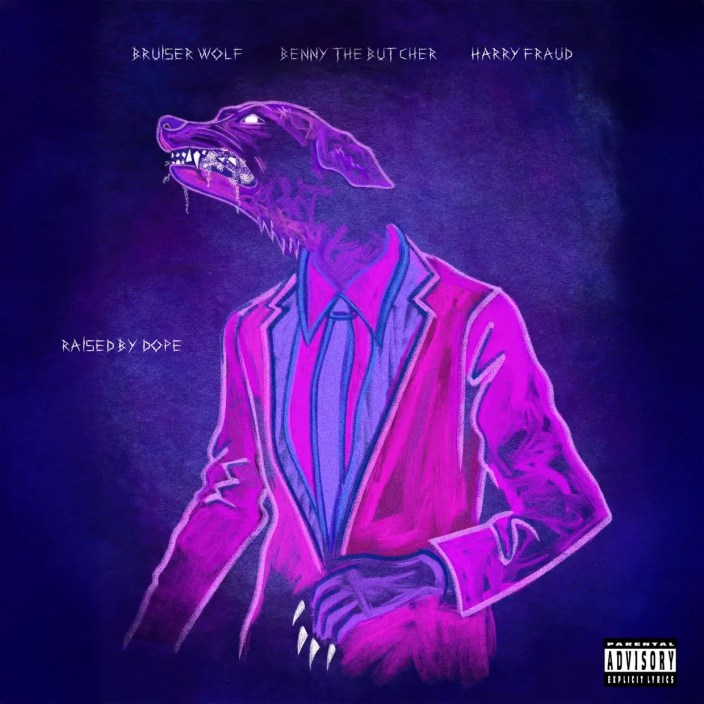
The Song: Bruiser Wolf, Benny The Butcher & Harry Fraud “Raised By Dope”
The Pairing: Bruiser Wolf’s hypnotic stop-and-start cadence flows a bit more swiftly on his new single with Benny The Butcher and Harry Fraud, perfectly keeping pace with Fraud’s luxurious beat. By the time Big Butch steps to the plate, the song is already great, but his unique brand of bragodocious, been-there-done-there bars takes things to the next level. Benny always raps with a self-assured air of confidence, and he sounds perfectly at home on this one. These repeat collaborators are really hitting their stride.
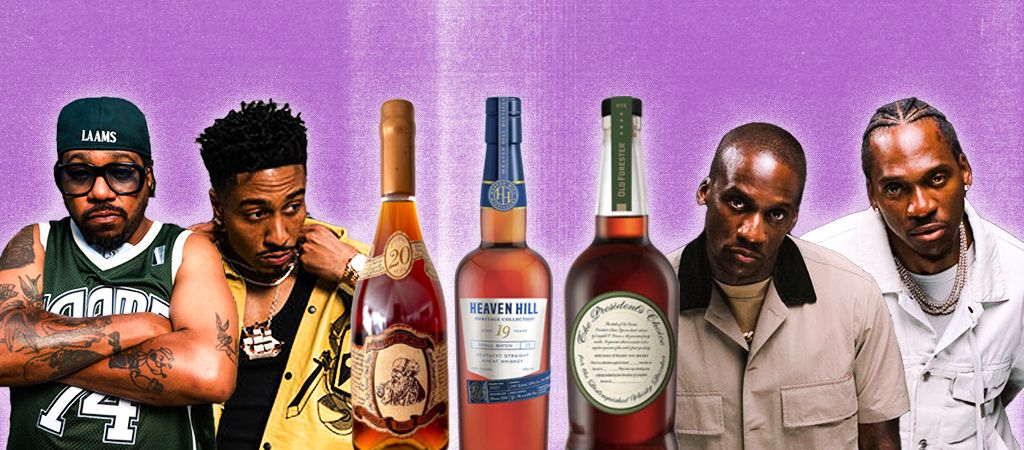
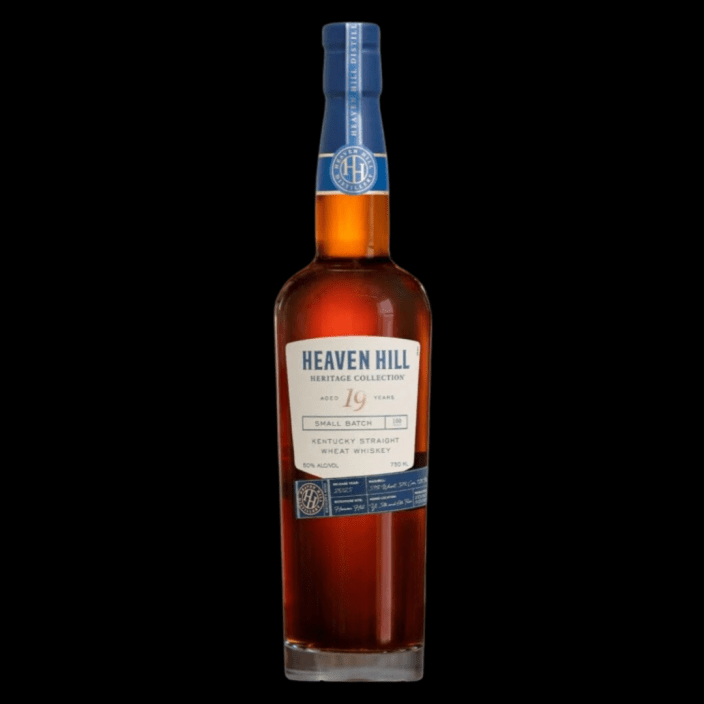
When it comes to Heaven Hill, they hit their stride sometime in the early 2000s after recovering from a catastrophic fire, and they haven’t looked back ever since. Case in point, this mind-blowing 19-year-old wheat whiskey. It’s pretty atypical to see wheat whiskey on the market these days, but even more so when you consider the ample age on this one. Heaven Hill’s experience is on full display with this incredibly mature wheat whiskey, producing one of the year’s best releases seemingly out of thin air.
Bruiser and Benny have given us a banger already this year, but this song really lends a lot of weight to their track record in the same way Heaven Hill’s illustrious reputation is only bolstered by unexpected expressions like this one. It’s only right that you enjoy them together.
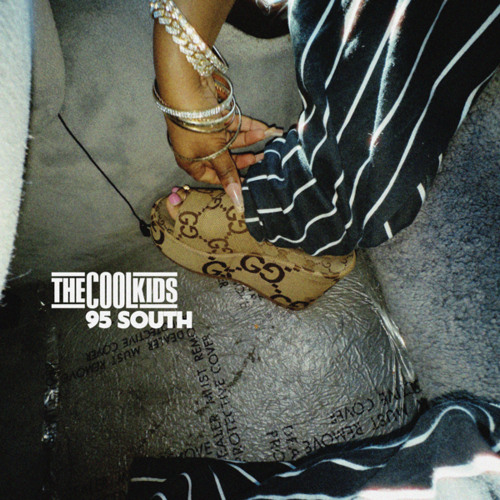
The Song: The Cool Kids, A-Trak & Sango “95-South“
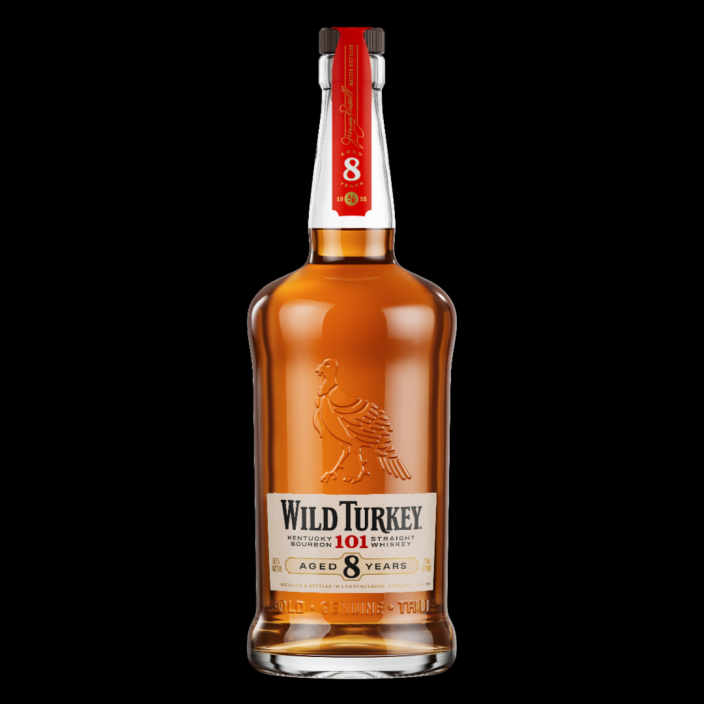
The Pairing: When Chuck Inglish exclaimed, “Bring another bottle, that’s that potion!” over this up-tempo beat, seemingly ripped out of Miami in 1991 and Miami in 2091 at the same time, I knew precisely which whiskey to pair it with: Wild Turkey 8-Year 101 Bourbon. It’s a song that marks The Cool Kids’ triumphant return to their classic sound in the same way that Wild Turkey 8-Year 101 is a return to the specs of the bourbon the brand was producing in the early ’90s.
That said, neither this song nor the bourbon paired with it is trapped in the past. The whiskey is a real party starter and a glimpse into the future of Wild Turkey, which anticipates making this an ongoing age-stated offering that bourbon enthusiasts can grab year after year. Similarly, The Cool Kids’ newest single blows the doors off what we’ve seen so far from the rap game in 2025, providing a fresh twist on their typical nostalgia-twinged formula that’s poised to make Mikey and Chuck two of rap’s biggest fourth-quarter winners.
Not content with drawing inspiration from the classic bass beats and bourbon of the past, or offering a glimpse into the future, both this standout single and this whiskey serve as reminders that living in the moment is the best gateway to timeless enjoyment.
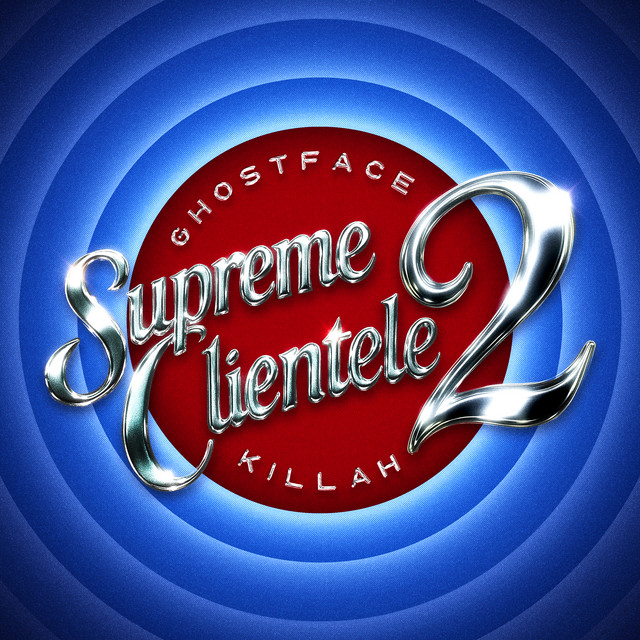
The Pairing: The beauty of Ghostface Killah’s new “Supreme Clientele 2” album is that you can tell how carefully it was constructed. It takes time to create a work of art so steeped with nostalgia in today’s age that maintains all of the authenticity that made the original album such an unassailable classic. On “Rap Kingpin”, Ghost flips two of the most legendary beats in hip-hop history, combining them with his usual vivid lyrical display where he nods to his length in the game, rapping that he’s holding “Old money, old 20s” while admiring a statue of himself in the projects. It isn’t vanity, it’s self-appreciation. After over 30 years in the rap game, there’s still no one who can do what Pretty Tony does.
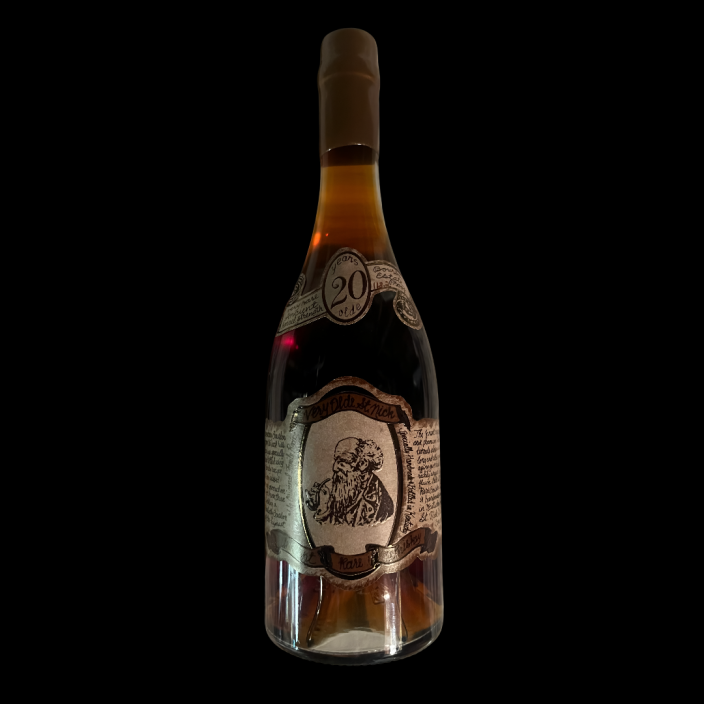
Channeling the past is likewise one of Preservation Distillery’s more impressive feats, as they semi-regularly break out hyper-aged bourbons from a bygone era that show how prescient and selective its founder, Marci Palatella, was and is. American whiskey at the 20-year mark is incredibly rare, in part because it has a tendency to deteriorate in quality, and also because so few brands and distilleries had the forethought to carefully age bourbon for so long. With this particular release, not only is the liquid’s quality indicative of forward thinking, but it’s a flex in itself, as one of the best bourbons to be released in the last 5 years.
It’s been 25 years since Ghostface released the original Supreme Clientele, and for the lion’s share of that span, this whiskey was getting better with time. Suppose you want to pause and appreciate, not just Ghostface’s latest single but also his legendary career. In that case, you’d do well to enjoy it alongside a mature bourbon like this— one with remarkable flavor that tastefully brings the past into the present.
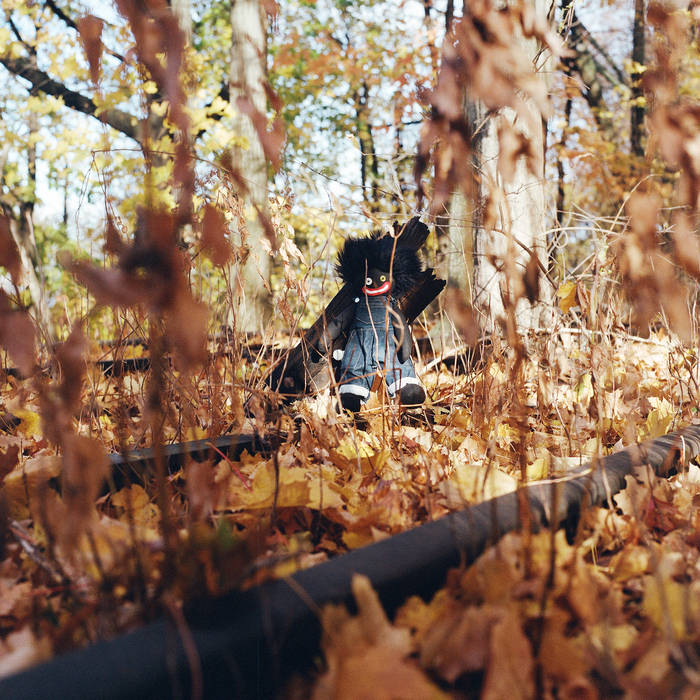
The Pairing: This song from underground virtuoso billy woods’ fantastic “Golliwog” album isn’t all that new, but it sounds that way every time I hear it. Buried 2/3rds of the way through the dense, dark album like a black truffle, this song finds woods recounting some of his most harrowing nightmares (enduring Math Hoffa’s homophobia and living on W 86th St. with two kids by his ex, among them) before the song takes a fully comedic twist and takes the perspective of his landlord.
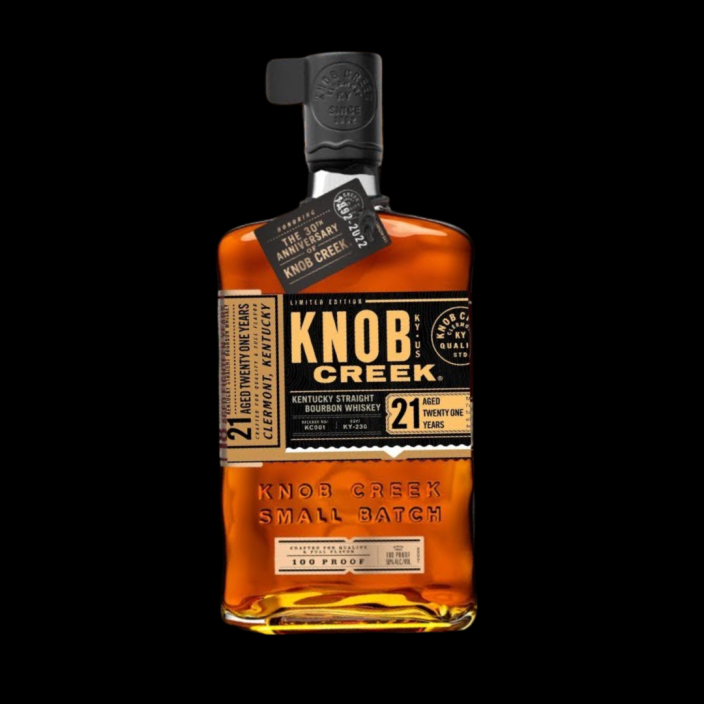
The link here is that as bourbon matures past a certain point, producers almost invariably expect the liquid to deteriorate significantly. Defying those expectations, Knob Creek 21 is one of the rare bourbons-of-a-certain-age that actually appear to have improved over the 20-year mark. While there are many hallmark flavors you expect from hyper-aged bourbon, there’s a lively texture and a bevy of sugary flavor notes that demonstrate this whiskey has literally and figuratively hit the sweet spot.
Just as woods’ song gets better and better (for the protagonist), the longer it goes on, Knob Creek 21-Year Bourbon takes a similar track. Stick it out with both of them until the end.
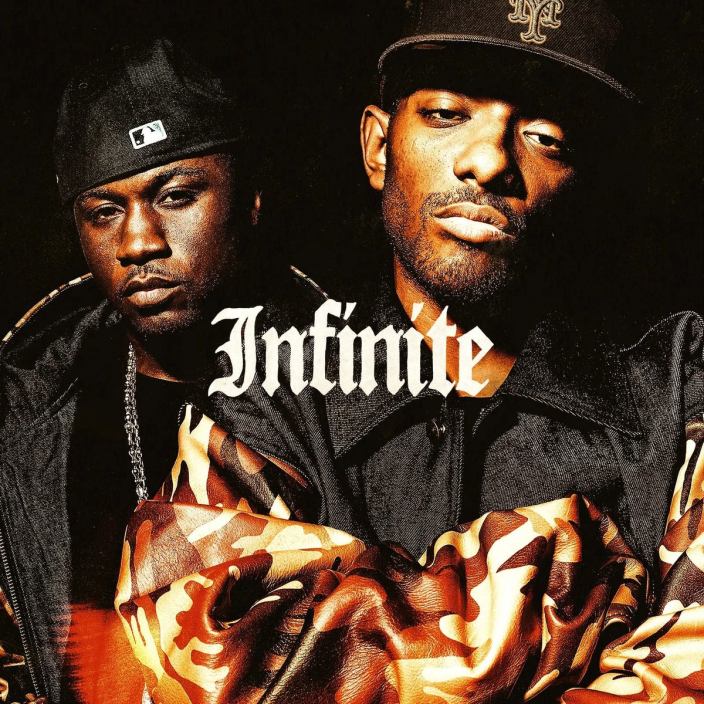
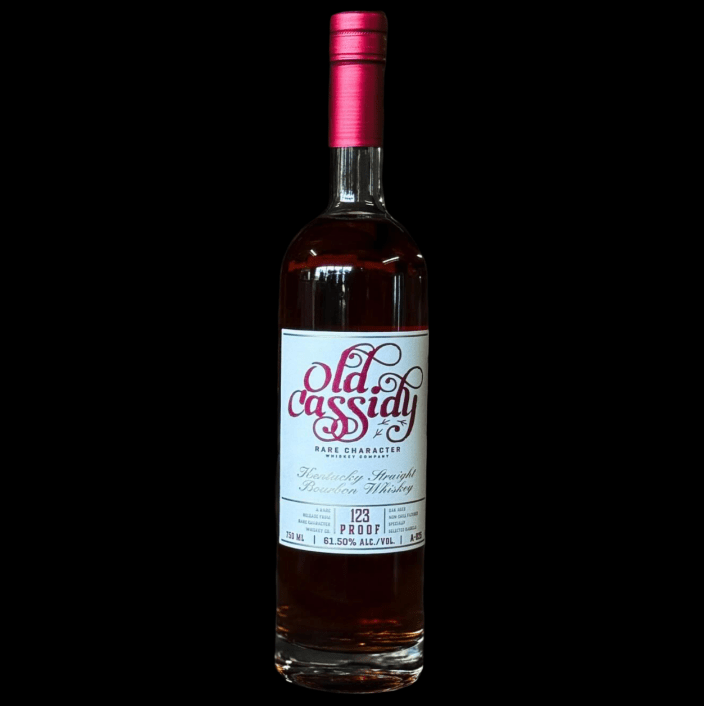
The Pairing: When the late/great Prodigy opens this song with “Stronger than ever…I’m back!” it sent a chill down my spine, and sent my thoughts instantly racing to Rare Character’s brand-new Old Cassidy Small Batch Bourbon. Rare Character’s founder, Pablo Moix, confirmed that there’s a significant percentage of well-aged whiskey in this blend, which builds on the impeccable reputation of Old Cassidy’s inaugural single-barrel release, selected by yours truly in late 2023.
That’s not unlike the way “Against The World”, the intro to Mobb Deep’s new album Infinite, perfectly sets the tone for the record by recapturing the legendary group’s gritty mid-’90s energy while taking it in a new direction with both rappers’ more seasoned and polished vocal texture. The added dimension of this being the group’s first album to feature a posthumous member makes the song even more haunting yet alluring, as Havoc shows he can remain in lockstep with his fallen partner in rhyme all these years later.
It’s hard not to be mesmerized by the mere prospect of Mobb Deep and Old Cassidy returning in 2025, but the fact that they both deliver on that promise in such a significant way is a credit to the masters who worked on both, making it an ideal pairing.
The Pairing: Stove God Cooks’ viral song Marvin Ye only at first seems like the crescendo of a slowly building hype train, but with rumors of a big-budget album looming, it’s more likely this is just the start of another hot streak. It’s that specious trajectory that calls to mind New York’s Kings County Distillery, which just released one of its best whiskeys yet after 15 years in operation.
While it’s true that this song was released late last year, predating his current streak, the fact that it gained traction this year only adds gravity to his impressive momentum. Similarly, Kings County has previously released barrel proof Empire Rye single-barrels, but this nationwide release marks the first time a lot of people have access to it. Those folks are learning what New York already knew: Kings County can rival any brand in the country.
While 2025 feels like Stove God Cooks’ arrival on rap’s big stage, all signs point to things getting even greater later.
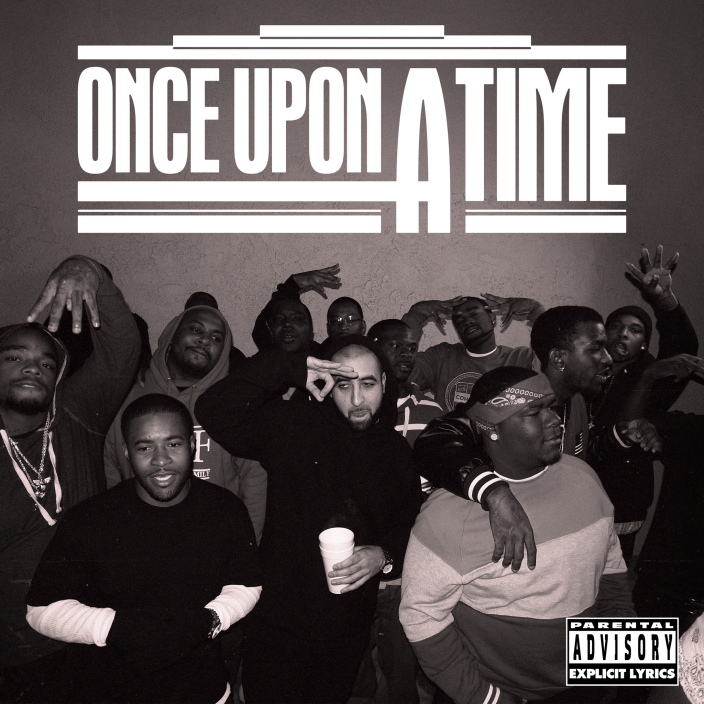
The Pairing: The production on the lead single of Jay Worthy’s stellar “Once Upon A Time” is smooth as butter and perfectly built to show off his velvet glove approach to rapping. Spinning a web silkier than a spider, it’s no surprise to find his verse has you hanging on his every word by the end. When Boldy finally saunters over the beat with his signature reserved precision, he spells out one of the keys to his success, “I ain’t have to catch up with my crowd, my crowd caught up with me.”
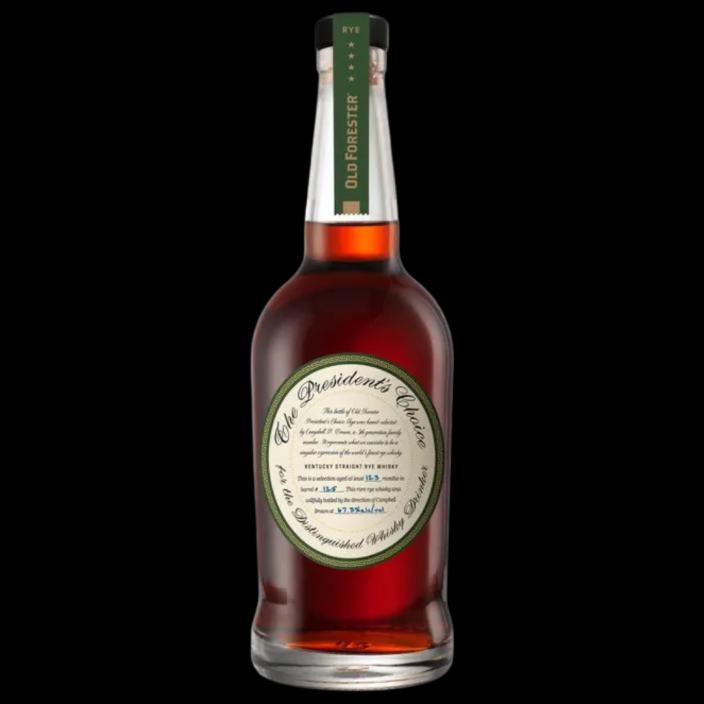
It’s that commitment to staying the course that has afforded Old Forester a loyal fanbase throughout whiskey’s rising popularity, and sees them marching to the beat of its own drum with this intriguing new rye. While many other brands were chasing the so-called rye resurgence, Old Forester took its time and delivered a show-stopper when fans least expected it.
Jay Worthy has spent more than a decade defying disbelievers, and though he’s put together an impressive career already, you can’t help but feel he’s charting new territory on his latest album. Moving at your own pace ensures you’re always in the right place at the right time. It’s a secret you’d be wise to appreciate while sipping a glass of President’s Choice Rye Whiskey.
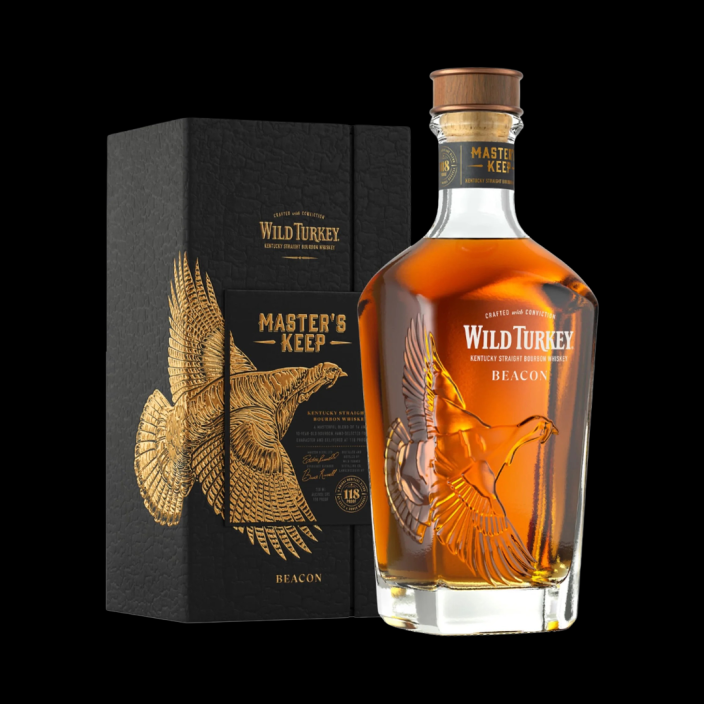
The Pairing: The most heartfelt song of the year is a thoughtful celebration of life, and a fitting tribute to the late parents of 2025’s most celebrated rap group, Clipse. A similar celebration finds two generations of the Russell family joining forces to create Master’s Keep Beacon, which marks the final chapter in the limited edition lineup that Master Distiller Eddie Russell began and now welcomes his son, Bruce, into the fold.
Though “The Birds Don’t Sing”, the intro to Clipse’s tour de force rap album of the year frontrunner Let God Sort ‘Em Out, has been out for a while, the recent release of its music video on the heels of an electric performance at the Vatican have given the track new life, which is why it warrants an inclusion here. Intros are typically a distant memory by the time an album reaches its conclusion, but this particular song undergirds the entire album, serving as its beating heart, and will likely persevere as one of the group’s greatest songs ever.
For its part, Master’s Keep Beacon is already considered one of the best whiskeys in the critically acclaimed series, featuring 10-year-old bourbon distilled by Bruce Russell, which is then blended with 16-year-old bourbon distilled by his father, Eddie. The results are a multi-generational masterpiece that serves as a fitting closing chapter to the premium lineup.
This is luxury whiskey, and Clipse represents luxury rap better than anyone on the planet. Still, the layers of family history that produced these works of art are the lifeblood of their substance, making them ideal for enjoying together.
I’d highly encourage you to enjoy them together with a loved one.
This website uses cookies to improve your experience. We'll assume you're ok with this, but you can opt-out if you wish. Cookie settingsACCEPT
Privacy & Cookies Policy
Privacy Overview
This website uses cookies to improve your experience while you navigate through the website. Out of these cookies, the cookies that are categorized as necessary are stored on your browser as they are essential for the working of basic functionalities of the website. We also use third-party cookies that help us analyze and understand how you use this website. These cookies will be stored in your browser only with your consent. You also have the option to opt-out of these cookies. But opting out of some of these cookies may have an effect on your browsing experience.
Necessary cookies are absolutely essential for the website to function properly. This category only includes cookies that ensures basic functionalities and security features of the website. These cookies do not store any personal information.
Any cookies that may not be particularly necessary for the website to function and is used specifically to collect user personal data via analytics, ads, other embedded contents are termed as non-necessary cookies. It is mandatory to procure user consent prior to running these cookies on your website.