After many months of anticipation and uncertainty, the 2020 NBA Draft kicked off on Wednesday night with a virtual format, and as always, it was a good opportunity to learn more about the talented young men who will comprise the incoming class and their long and often arduous and emotional journeys to achieve their basketball dreams.
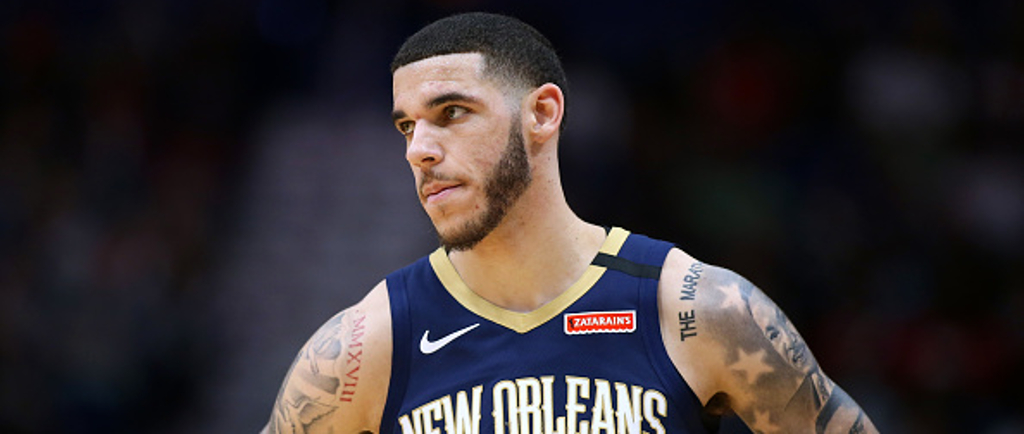
It was a big night for the Ball family in particular, as LaMelo Ball was selected with the No. 3 overall pick by the Charlotte Hornets, making him the second Ball brother, behind his older brother Lonzo, to be taken as a top five lottery pick in the last four years. And not to be out-shined, Lonzo had a little something up his sleeve for his brother’s big night.
On Wednesday night’s episode of The Masked Singer, #WhatchamacallitMask took the stage to do a version of Terror Squad’s “Lean Back,” with some lyrical edits that dropped a few hints about who might be behind the mask, before it was revealed to be Lonzo.
Our own mock draft had LaMelo going No. 1 overall to Minnesota, but he’ll make a good addition in Charlotte. Of course, there’s the added layer of father LaVar’s many outlandish boasts about his basketball abilities and his son now playing for the team owned by Michael Jordan, the world’s most maniacal competitor and nurturer of petty slights. Regardless, the Ball family legacy continues to grown, both on court and in prime time.
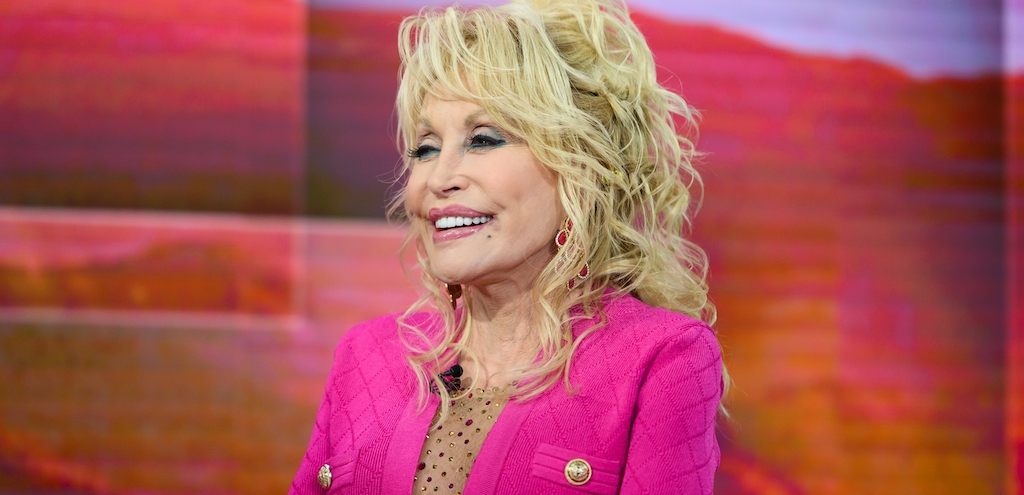
Ok, so the year is 2020 and Dolly Parton is responsible for funding a vaccine for a deadly disease that the sitting American president has all but ignored. Strange sci-fi short story plot or real life? Who in the hell would choose the latter if given that sentence any time before March of this year? Yet here we are, that’s all true. Parton’s well-known benevolence has apparently drifted into the medical world, and a lot of us have Dolly to thank for that.
But the situation is just strange and surreal enough, and everyone stuck at home during the pandemic are just bored enough, that the internet is really showing out when it comes to jokes and commentary about the matter. They’ve had me cackling all day, so I’m collecting a few of the best here to entertain you.
Joining in the fray are the likes of Steve Martin:
I imagine Dolly Parton sitting in a quiet room, manipulating RNA while writing a hit song.
Which is, of course, referencing this classic Dolly moment:
Dolly Parton not only funds public health endeavors like the Covid vaccine, has given away 100 Million books, and has been willing to take flack to speak out for BLM, BUT she can also do this!pic.twitter.com/vIftlnVHmI
The NBA Draft is a life-changing event in so many young men’s lives each year. Even though it’s being conducted virtually this time around, we still get to watch all of the emotional moments with the draftees and their family members as they hear their names called and find out where their NBA journey will begin.
But for some players, it’s not always so clear how things are going to pan out. Take R.J. Hampton, for instance. Hampton opted to forego college last season and in favor of playing professionally in New Zealand, and after struggling somewhat overseas saw his draft stock fall.
So when the Bucks selected him with the No. 24 pick, it was with the understanding that he would be heading to New Orleans, who would subsequently trade him to the Denver Nuggets. Confused yet? Don’t worry. You’re not alone. When ESPN cut to Hampton’s live feed, they still hadn’t figured out which hat to use, and in the commotion, the elder Hampton tossed one across the room.
It appeared to be the Bucks hat that went sailing, before they realized that was the one they actually needed for the purposes of the live spot. One of the more interesting developments for the virtual format was that each player was sent all 30 hats just to be sure that all their bases were covered, although in this case, the complex mechanisms of the draft and trade and trade again scenario were still too much to overcome in the moment.
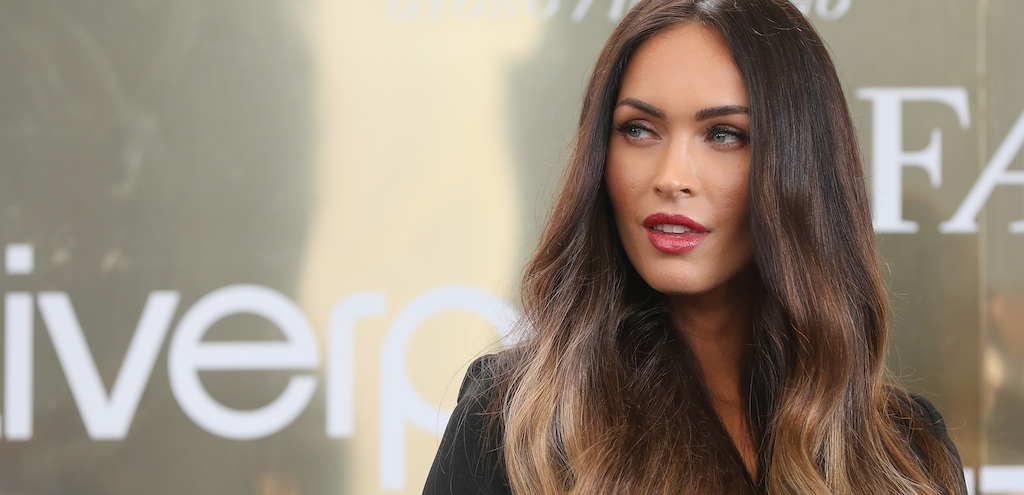
Though 2020 has been chock full of decidedly surprising and even mind-blowing things, it’s safe to say that many people who formerly thought they disliked Machine Gun Kelly have been proven wrong by his new album, Tickets To My Downfall. The album even went No. 1, a solid benchmark for commercial success. Former haters have morphed into fans, and MGK has become the kind of pop-punk star (rapper?) that’s cool enough to grace the cover of ultra-cool mag Nylon. Nice.
If that wasn’t enough, he’s profiled by none other than Naomi Fry, New Yorker staff writer and definitely one of the funniest and best culture writers in the game right now. You should read her piece on MGK in full, but well, if your brain is short circuited from election drama, fake recounts, a pandemic, unemployment, and the men who insist on wearing masks below their noses, then let me pull out the most choice quote for you right here in this blog post. As first called out by Tyler McCall on Twitter, Fox compares their relationship to… a tsunami.
Describing her relationship with MGK as a “once in a lifetime thing” and a connection of “mythic proportions,” Fox went on: “Loving him is like being in love with a tsunami or a forest fire. The intensity of merging with him is just overwhelming, and the threat it poses is so powerful but so beautiful that you have no choice to surrender with reverence and with gratitude.”
There you have it, that’s what dating MGK is like. And my gratitude, Megan, for that description. Anyway, here’s my favorite song off Tickets To My Downfall:
The 2020 NBA Draft went down on Wednesday night and while fans had a decent list of prospects who they expected to get picked by teams across the league, there was one name who came up hours before the draft that surprised a lot of people. GOOD Music rapper Sheck Wes took to Instagram to announce that he would be entering the 2020 NBA Draft. The rapper shared the news with some pictures that found him working on his game in the gym. He also shared a lengthy caption that detailed his excitement towards declaring for the draft.
“Damn… it’s really real , The 2020 NBA DRAFT , all my life I always wanted to follow my passion for music and basketball,” he said in the caption of the post. “Playing basketball and going to play pro in the @nba is something that I always strived for. Tonight that dream comes true! I want to thank the @nba for their hard work with the growing the game and every team that gave me an opportunity to work out and talk with them. I also want to thank my team and my fans for always being there !”
The rapper used to play Amateur Athletic Union (AAU) basketball before he switched into the music and fashion lanes prior to the former taking off for him back in 2018. He is also good friends with Orlando Magic’s Mo Bamba, who helped his announce the release date of his Mudboy debut album.
After hearing news of his declaration to the NBA Draft, fans took to Twitter to share their reactions to the announcement.
To be clear here: to actually get picked in the draft you have to formally declare well before, you know, the day of the draft. But you can read Sheck Wes’ “announcement” in the post above.
With David Fincher’s latest, Mank, hitting Netflix next month (Dec. 4), we thought it was high time to celebrate the auteur’s indelible imprint on the cinematic art by ranking his complex films quantitatively — that is, by turning his body of work into cheap trinkets, to be priced and haggled over like so many hags outside a vegetable cart. Ranking art is a dumb thing to do that we’re going to do anyway. Fighting to the bitter end over unquantifiable intangibles is just how the internet shows affection.
And I have great affection for David Fincher. While he has a few tics here and there (rewatching his movies this week I noticed how much he seems to love rain and taxi cabs), Fincher’s style isn’t nearly so easily parodied as virtually any other “name” director. It’s not that Fincher is some chameleon who never draws attention to himself. On the contrary, his films tend to be conspicuously “directorly.” Yet his conspicuous touches seem to change from film to film. He loves to play within a theme, but repeating them. Certainly not as often as other famous directors tend to do. Sorkin, Christopher Nolan, Terrence Malick, Quentin Tarantino — most moviegoers have a pretty good idea what a parody of those guys would look like. The hallmarks of a David Fincher film are more abstract — dry wit, commitment to a plan, visual panache, a sense of glee.
Fincher famously doesn’t like the word “auteur” and doesn’t take writing credit on any of his films. It’s this kind of no-nonsense humility that might be his defining characteristic. In his interviews and commentaries, he gives off the aura of a guy who doesn’t have time for your bullshit, which makes me think I’d like him. His work often reflects that termite-like single-mindedness. He doesn’t shy away from schlock, and loves adapting a mass-market paperback. Almost all of his movies have pulpy, straightforward conceits — the guy who ages backwards, the movie set entirely inside a house, cops chasing a serial killer. He’s the rare director who seems neither schmaltzy nor pompous, a deft storyteller who doesn’t cut corners and isn’t given to puffery.
In a world of auteurs who aspire to film, Fincher makes unapologetic “movies,” embracing the bullshit and artifice inherent to moviemaking, and in so doing, often reminding us why those conceits exist. Frequently throughout his career he’s given us the very best version of what we’d normally consider a fairly trivial thing. He tends to embrace the corniness of the gesture. There’s probably a life lesson in that.
I ranked these films pretty simply in terms of which ones I most want to watch, and which were the most memorable. Fincher is unique in that I don’t know that I wholeheartedly love any one of his films without reservation, but they’re all, basically without exception, interesting and worth arguing over.
11. The Girl With The Dragon Tattoo (2011)
Being an adaptation of hot-at-the-time, mass-market fiction, The Girl With The Dragon Tattoo fits firmly into the Fincher canon, though it’s also a sort-of remake (Fincher’s only), with the Swedish version having been released two years earlier. Rooney Mara’s Lisbeth Salander, a role for which she was nominated for an Academy Award — a bisexual, computer-hacking avenging angel of the anti-patriarchy who rode zoomy motorcycles and had a photographic memory — was a thoroughly memorable character. Everything else about the film… not so much.
I saw it and liked it okay at the time, but in retrospect, it’s the Fincher film I find myself least wanting to rewatch. Which may have something to do with the fact that it’s almost two hours and 40 minutes long. The bigger issue is that it’s the rare Fincher film that never quite transcends the pitch. It’s essentially three dudes (author Stieg Larsson, writer Steve Zaillian, and Fincher) trying to tell the story of one comically badass woman trying to stick it to one comically evil dude. In retrospect, it sort of smacks of trying too hard.
10. Alien 3 (1992)
This was the prison planet Alien, remember that one? David Fincher was 28 when he started shooting Alien 3, “without a finished script and after $7 million had already been spent.” Said Fincher, “It was an absurd and obscene daily battle to do anything interesting with what we were allowed to do.”
Keep in mind, this was the third installment of a franchise previously helmed by Ridley Scott and James Cameron, being handed to an unknown 20-something music video director. It was basically a lose-lose situation. Watching it now, Alien 3 is an interesting concept, Ridley having crash-landed along with an alien now running amok on a prison foundry planet with no weapons. The set up hooks you immediately, and the cast — Sigourney Weaver opposite Charles S. Dutton and Charles Dance, future Tywin Lannister — is wonderful. Once all the pieces are in place though, Alien 3 turns into a middling action thriller. Alien 3 isn’t a bad film, but I think even Fincher would agree that it’s not his best.
9. Seven (aka SE7EN) (1995)
Seven is so firmly established in the cultural imagination (what’s in the box, what’s in the boooxxxxx!) that it’s easy to forget how goofy it is. Seven is exactly as corny as you might expect a movie with a number in the middle of the title to be, and yet so much more. On one level, yes, it’s a movie about two cops — the snot-nosed punk and the soon-to-be-retired salt — hunting a serial killer who is committing themed murders based on the seven deadly sins. On paper, Seven is almost the exact movie Charlie Kaufman was making fun of in Adaptation.
CHARLIE KAUFMAN: The only idea more overused than serial killers is multiple personality. On top of that, you explore the notion that cop and criminal are really two aspects of the same person. See every cop movie ever made for other examples of this.
DONALD KAUFMAN: Mom called it “psychologically taut.”
Yet in practice, it’s impossible to deny that David Fincher directs the absolute shit out of this movie. He takes what is essentially a middling episode of Law & Order, gives it a clear and consistent tone, a coherent visual style, and makes us care about every character, to the point that it feels almost like an arthouse movie. It’s quite an achievement.
Still, it’s hard not to wonder, on some level, why this movie? The villain, Kevin Spacey’s “John Doe” (sure, yeah, okay) has dedicated his life to punishing a wicked world for their sins. Fincher seems to justify Doe’s worldview, to some extent, depicting the setting as a crumbling, vice-ridden cesspool where it’s virtually always raining. The setting is ostensibly New York, and Andrew Kevin Walker’s screenplay was said to be inspired by time he spent living in New York, where he was working at Tower Records. There’s more than a little Taxi Driver/Death Wish/Dr. Manhattan in Seven, where the city itself is a sinful place in need of cleansing. Which is sort of funny coming out in 1995, when New York was already becoming the Starbucks-friendly mecca for yuppies we know it as today. Hell, Friends premiered in ’94. It’s funny to imagine Detective Somerset walking by Central Perk muttering about man’s inherent wickedness.
Of course, they never actually say New York in the film. It’s only strongly implied, and at one point there’s a cameo by a pizza joint called “New York Pizza.” Meanwhile, the famous finale was very clearly shot somewhere in Southern California. Specifically Lancaster, but it’s obvious to anyone who has driven through California that it takes place somewhere in California.
Geographical vagueness is something that trips up a lot of filmmakers, but Fincher uses this contradictory setting to his advantage, giving us a place we can imagine but can’t quite pin down. He pulls a similar trick in Fight Club.
8. Panic Room (2002)
Panic Room stands out as arguably Fincher’s most slight concept, a film in which a wealthy divorcee played by Jodie Foster holes up in the (*air quotes*) “panic room” of her weird new apartment with her diabetic daughter played by Kristen Stewart while some thieves played by Forest Whitaker, Dwight Yoakam, and Jared Leto try to rob them. Fincher somehow has to make us care about the rich lady, believe (and to some extent commiserate) with the thieves, make a single-setting story feel dynamic, and breathe humanity into this dime novel concept.
Panic Room is far, far more entertaining than a movie starring Jared Leto as a burglar in cornrows has any right to be. That Fincher seems to love nothing more than to give Jared Leto a stupid hairstyle and then beat the shit out of him is one of his most endearing qualities as a storyteller. Fincher does some of the best directing work of his career just to get us to buy into this goofy concept, that largely works because of its goofiness rather than in spite of it. Forrest Whitaker and Dwight Yoakam, with Jodie Foster and Kristen Stewart is one of those truly bizarre flavor combinations that sounds insane but ends up feeling inspired.
Yet in the end, Panic Room has a bit of a Jurassic Park problem, where David Fincher was so preoccupied with whether he could that he didn’t stop to think about whether he should. This is weirdly true of a lot of David Fincher projects, but the better ones make you forget.
7. The Social Network (2010)
Between the 10-year retrospective and last week’s Aaron Sorkin ranking, I’ve already written plenty (read: too much) about The Social Network. Suffice it to say, it wouldn’t be nearly so well remembered without David Fincher, who probably made Aaron Sorkin’s dialogue seem intense, where in another director’s hands it would’ve merely been smug.
Fincher himself called The Social Network “as close to a John Hughes movie as I can make,” by which I think he means that at its heart, The Social Network is a story about teen and post-teen drama. If you ignore the fact that it doesn’t seem that close the facts, the portrayals of real people aren’t that accurate, and it doesn’t say much about the thing that was invented in it (2010 may have just been too early to know), The Social Network IS a wildly entertaining movie about post-teen drama.
David Fincher makes slick movies. In having a slick director with a slick screenwriter based on a slick book, The Social Network polishes down reality until there isn’t much left but shine. That works a lot better in an adaptation of airport fiction than it does in an origin story for a real guy who 10 years later is still testifying in front of congress.
6. The Curious Case Of Benjamin Button (2008)
Yes, I will be one of the last people on the internet to defend Benjamin Button. A few years after it came out, the public seemed to collectively decide that Eric Roth’s spiritual sequel to Forrest Gump (so similar in structure that it practically qualifies as self-plagiarism) was an overrated hunk of shit. Maybe it was the awards? Nothing sours the public on a kind-of-okay movie like too much awards consideration. Take awards out of the equation and Green Book is an above-average Farrelly Brothers movie. Give it a best picture and it’s a travesty.
This seems less fair in the case of Benjamin Button, given that the actual best picture that year was Slumdog Millionaire, one of the most excruciatingly lame movies ever made. The Wrestler was better than all of them that year, but that’s a story for another time.
My take is that David Fincher is brilliant at having his finger on the pulse of the zeitgeist at the exact moment his movies are released, and a lot of times we look back at what we liked in, say, December 2008, and we’re thoroughly ashamed of ourselves. Not that he’s blameless — Fincher and Roth should’ve known that a movie that ends just before Hurricane Katrina (with no reason for it other than cheap name dropping) would age about as well as that rom-com starring Robert Pattinson and the obnoxious Lost girl that ended with planes hitting the building on 9/11 (which was called, fittingly, Remember Me). Ditto Cate Blanchett hacking up a hairball hamming it up as an old woman. We get it, Cate, you’re supposed to be old.
I digress, but my point is that the things that are hateable about The Curious Case of Benjamin Button are very hateable. That aside, Roth and Fincher seem to be using this kooky story of a man who ages backwards as a meditation on the act of storytelling. Lived forward, everything seems so random and arbitrary. Recounted backwards, every tiny event becomes freighted with meaning, such that it could only happen just that one way. That simple act of recounting seems to justify all our most romantic notions. Benjamin Button is about the human drive to tell stories so that we don’t go crazy. In that way, Benjamin Button actually has a lot more depth to it than Forrest Gump, which only seems to get half the amount of hate.
5. The Game (1997)
The Game is similar to Seven in that it’s an example of Fincher taking a very, let’s say, commercial concept and directing it so well that it feels like art. The Game is maybe Fincher’s most movie-movie, one of his least introspective and most viscerally exciting. Starring Michael Douglas as a wealthy executive who gets drawn into an elaborate role-playing game who eventually becomes unable to discern the game from reality, The Game is a little like an experiment to see if a movie could do Total Recall without the sci-fi and with a businessman instead of a bodybuilder. It works shockingly well, and then it’s over.
The Game doesn’t necessarily stick in your mind, but it is one of the more thrilling thrillers ever made, which is its own kind of achievement.
4. Gone Girl (2014)
David Fincher is one of the only directors around who can take an already-hot bestseller and turn it into a movie that’s even more memorable. Gone Girl fits firmly into the canon of other Fincher fiction adaptations, a mass-market potboiler, guilty pleasure kind of read that Fincher does justice to by not treating it like something that needs to be “elevated.” Fincher does pulp because he loves pulp. He justifies genre by committing to it.
In a lot of ways, Gone Girl is the much more successful mirror image of The Girl With The Dragon Tattoo. He works with the actual author, Gillian Flynn, an actual woman, for another story with a meaty female role. (To be fair to Dragon Tattoo, the author was long dead by the time the movie was in production). True, the woman in this case, played by Rosamund Pike, turns out to be a murderous sociopath, but the fact that it’s written by a female screenwriter gives it some veracity (can you imagine if Aaron Sorkin had adapted this one? it’d probably look like Malice). And much like The Sopranos, the beauty of Gone Girl is that every character in it is kind of shitty in their own special way. Except maybe Carrie Coon’s character, but that could just be my love of Carrie Coon talking. Also, Neil Patrick Harris hangs dong.
3. Mank (2020)
Like Benjamin Button, Mank is another love letter to the act of storytelling. In this case, telling the story of Herman Mankiewicz (played by Gary Oldman), the 40-something screenwriter who battled alcoholism and the effects of a car accident to write the script for Citizen Kane, and its 25-year-old “wunderkind” director Orson Welles.
The Kane character is, of course, a stand-in for William Randolph Hearst, played by that old Fincher standby, the great Charles Dance. Mank uses a flashback structure to explain why the humanistic old drunk Mankiewicz had it in for Hearst, who had once upon a time had used Mank as something of a personal court jester. As Mank tells it, it all goes back to the 1934 gubernatorial race in California, in which Hearst and his cat’s paw, Louis B. Mayer, used their media might to crush the candidacy of Upton Sinclair, the famous author and avowed socialist who had steamrolled the Democratic primary.
The story of a disillusioned writer turning to alcohol after his socialist hero gets rat-fucked by the forces of entrenched wealth did, perhaps, hit a little close to home. And yes, Fincher, in shooting the whole thing in contrasty black and white, with cigarette burns, wipe transitions, fake film scratches, and all manner of Kane-mimicking conceits, did maybe get a little carried away with formal experimentation. He probably could’ve shot the whole thing in color with none of the cutesy transitions and the movie would’ve been better for it.
But part of the beauty of Fincher is that he does get carried away. The best thing about him is that he gets deeply into whatever he’s shooting. And in addition to exploring the act of storytelling, Mank is also something of a love letter to the era of filmmaking that produced Herman Mankiewicz and Citizen Kane. Even as someone who groans every time I see an awards movie conspicuously shot in black and white (and don’t even get me started on “creative” aspect ratios), Mank‘s plucky dialogue (written by Fincher’s father Jack, who died in 2003) and massive sets even managed to seduce me, exactly as intended. It’s a cliché that Hollywood loves movies about Hollywood, but there’s also no story that they’re more qualified to tell.
2. Zodiac (2007)
For whatever reason, I’m imagining half the people reading this are pissed that I didn’t put Zodiac at number one. And hey, you could certainly make a case for it. Zodiac is gorgeous, beautifully-crafted, unpretentious filmmaking, easily the least warty and most timeless of any of Fincher’s films. Despite being an at times terrifying and intensely creepy film about the hunt for a famous serial killer, it also makes me intensely nostalgic for the 10 years I spent in San Francisco.
Even when I still lived in San Francisco it made me nostalgic, for the time when San Francisco was still a place that attracted oddballs, eccentrics, and counter-culture figures who seemed like they couldn’t exist anywhere else — like Robert Downey Jr’s unforgettable take on reporter Paul Avery. Sure, that all happened before I was even born, but that was the city we wanted it to be, and five or 10 years ago it still existed in certain pockets.
Avery might be Downey Jr.’s finest role, and with a cast that also included Jake Gyllenhaal, Mark Ruffalo, Brian Cox, and John Caroll Lynch, Zodiac has one of the finest ensembles ever assembled. It’s a landmark in terms of films that helped Jake Gyllenhaal transition from the sullen kid in Donnie Darko to the man who absolutely should’ve won an Oscar for Nightcrawler. Honestly, Jake Gyllenhaal should probably have a few Oscars by now.
1. Fight Club (1999)
I know, I know, Fight Club is now near the top of the list of art closely associated with toxic males and pseudo erudite fuckbois, along with Scarface and David Foster Wallace, and admitting that you love it is practically asking to be canceled. It gets derided all the time, for promoting fascism, toxic masculinity, Marxism, or Jared Leto. I can certainly concede that Fight Club is gospel for a certain subset of depressive male misanthrope who probably sleeps on a mattress directly on the floor and thinks washing his legs is ableist or whatever (insert the latest “type of dude who” Twitter meme here), but unlike Scarface, Fight Club actually is a lot more than people’s half-assed interpretation of it.
There’s certainly enough material in Fight Club to spur arguments over whether it’s fascist or anarchist or misogynist or whatever. The much easier and more obvious interpretation is that it’s anti-consumer culture. To some extent, Fight Club was very of-the-moment in 1999, when the emptiness of consumer society — “the IKEA nesting instinct” — seemed like America’s biggest problem. Not to mention it being the high-water mark of Generation X’s ongoing need to call out advertising for not telling the truth. It’s notable, watching it now, that when Tyler Durden tells his army of space monkeys “We have no Great War or Great Depression. The great war is a spiritual war. The great depression is our lives,” the same generation to whom he was speaking would have both a war and a depression in just a few short years.
It’s perfectly natural for a Zoomer, Gen Y*, or younger millennial to hear something like “there is no war or depression” and automatically flip the bird at this movie and anyone who likes it. Yet the spiritual emptiness of consumer culture and of the third way, free trade meritocracy (in which acquisitiveness is applied not just to consumer goods but to titles, degrees, and accolades as well) remains.
Yes, Fight Club is a very male-centric and mostly white-centric look at middle and working-class disaffection (the types of disaffection two white guys, author Chuck Palahniuk and David Fincher, are most qualified to explore). It’s also one of the most insightful and incisive portrayals of adult male disaffection ever made. Roger Ebert famously calledFight Club “cheerfully fascist” and a “celebration of violence” in what I consider one of the biggest whiffs of his career. Fight Club doesn’t celebrate violence; it simply depicts honestly how young men often turn to violence and vandalism as part of a larger search for human connections and an authentic experience — a kind of joy not defined by materialism. Fight Club and the rightly-revered Office Space are kissing cousins.
It’s worth noting that when the fight club guys kick the shit out of each other, they’re not celebrating winning. They’re celebrating feeling something, thanking the guy who kicked the shit out of them for this shared moment of authenticity and celebrating themselves for being willing to take a risk. Why don’t people often take risks in life, even in order to find happiness? Usually, because they’re worried about losing their stuff, their jobs, their houses, their cars. Fight Club doesn’t celebrate the fighting itself so much as the boldness to tell some efficiency consultant to f*ck off. (I love this scene intensely):
And yes, it’s very homoerotic — Chuck Palahniuk is a gay man — but that peculiarly male love of play-violence is always pretty homoerotic. See also Jackass, and pretty much any Schwarzenegger movie ever made for examples of this. Brad Pitt makes the perfect avatar for this kind of stunted white male, the guy Edward Norton’s character wants to be and kind of maybe wants to kiss. Fincher applies the “male gaze” to Brad Pitt throughout the movie — like when Tyler Durden casually puts his hand in his pocket at the soap counter, revealing his lack of underwear and offering a brief glimpse of the ripped lines leading to his groin (“cum gutters,” in gay parlance).
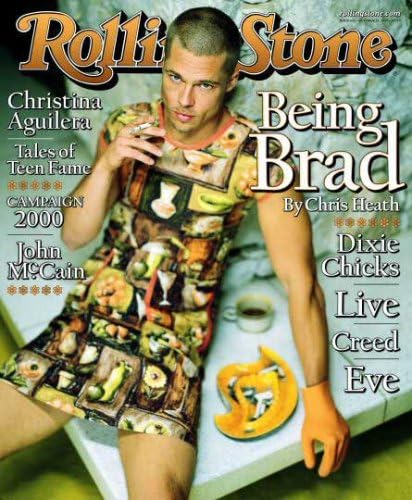
It’s funny that all the alt-right dorks online are up in arms about Harry Styles wearing a dress in Vanity Fair this week, when Brad Pitt did the same thing on the Rolling Stone cover 20 years ago.
The other thing that Fight Club depicts, which it does perfectly, is the way the violent impulses of disaffected young men can so easily be exploited by demagogues and authoritarians. Fight Club isn’t promoting fascism, it’s explaining how fascism functions. There’s a point at which Fight Club‘s relatively pure, or at least harmless form of community building turns into something dangerous. That the film is crystal clear about the exact moment when this happens puts the lie to the argument that it’s promoting it. Tyler Durden turns to the camera as he’s saying “you are not your f*cking khakis,” breaking the fourth wall as the film stock effect jiggles behind him. It’s clear just from the look on his face that this is a heel turn. After that, the fight club goes from a way to feel, to “I wanted to destroy something beautiful” (as Edward Norton’s character says to explain his brutal beating of Jared Leto). It’s the point at which their artful “self-destruction” turns outward.
The Proud Boys famously use a goofy version of a fight club as an initiation ritual (as did many street gangs, before and after Fight Club). Fight Club didn’t promote that, it simply predicted it. It was the spiritual rot of the Clinton years that spawned Fight Club that paved the way for the Trump years that spawned the Proud Boys.
As a film, Fight Club is just funny and memorable in a way that no other Fincher film, not even Zodiac, can match. Helena Bonham Carter’s entire performance is perfect, and the clever little touches, like Brad Pitt opening the door naked wearing nothing but yellow dishwashing gloves, are moments I’ll never forget. Fincher also perfectly captures, visually, the kind of punk rock grossness that defines Chuck Palahniuk’s work. Palahniuk being the author who famously had people running to their puke buckets during readings of his famous short story “Guts,” about a guy who gets his intestines sucked out his ass by a pool drain while masturbating. Likewise, who could forget that image of Tyler Durden cupping his hands to catch the fat from the liposuction bag after it snags on a barbed wire fence? The image is perfectly depraved and perfectly Palahniuk.
Which isn’t to say that Fight Club doesn’t have its faults. The film basically falls apart after the narrator realizes he and Tyler are the same person, leading to a silly, nonsensical ending that not even a Pixies song can save. It’s a flawed ending, and a sour note for an otherwise great film to go out on, but I have to give the slight edge to one of the most memorable films of an entire decade even if it’s not perfectly consistent.
*I refuse to be lumped in as an “older Millennial.” If you learned to masturbate before internet porn, you’re not a Millennial.
‘Mank’ is currently in select theaters, and hits Netflix on December 4th. Vince Mancini is on Twitter. You can access his archive of reviews here.
What’s that photo up there? Why, it’s a pic of Lady Gaga accepting a Grammy back in 2010, the Best Pop Vocal Album award for The Fame Monster, one of three she picked up that night out of six nominations. Yes, long before the alien landscape of Chromatica stretched out to welcome Little Monsters confused and worried about an uncertain pandemic, and well before Ariana Grande and our Mother Monster begged the rain to come down upon them, a different monster existed.
This was, none other than The Fame Monster, released on November 18, 2009, technically a reissue of Gaga’s 2008 debut, The Fame, yes, but also so much more. This was the record that introduced us to the “Bad Romance” that Gaga would lead us all into, and so much more, including “Telephone” which eventually spawned one of the greatest collaborations of all time when Beyonce hopped on board a remix.
All this to say, it’s no surprise that longtime Gaga fans, reinvigorated by her return to form this year with the sticky dance-pop of Chromatica, are more than eager to celebrate the album’s birthday. I mean, it seems like everything is happening at the speed of light right now, and more than half of what every single person on the internet says right now is about politics, why not take a moment to remember a simpler time?
Consider, first of all, just how impactful this record was for Gaga’ career:
Today is the 11th anniversary of The Fame Monster. This 5x multi platinum album received universal acclaim with 5M certified units, 3 Grammys, and 8 VMAs. Lady Gaga was just 23 years old when she released it. pic.twitter.com/4dsm8Gsyii
11 years ago today, @ladygaga released her Grammy-winning album/EP, “The Fame Monster”. It’s one of the most acclaimed and successful projects of all time and change her career and pop culture forever.
11 years ago, @ladygaga released “The Fame Monster”. It is one of the best selling EPs this century.
Sales – 2.13 m. Singles (30.6 m. / 6.67) = 4.59 m. Spotify (1.172 b. / 1500) = 0.78 m. YouTube (2.272 b. / 1500) = 1.52 m. Others (809 m. / 1500) = 0.54 m.
HBD to The Fame Monster~* Here’s a photobooth pic of moi, freshman year, after picking up my copy from the Union Square Barnes & Noble where the music seller behind the counter had no idea what I was talking about when I asked for Lady Gaga’s new album lol anyway pic.twitter.com/RJnI7qK0NA
since today is Lady Gaga’s The Fame Monster’s 11th anniversary let me bless your timeline with these legendary pictures from its booklet pic.twitter.com/FKTDfJjml6
Happy 11th birthday to The Fame Monster! This album is an absolute masterpiece it really did change the music industry, every single song in this could have been released as a single and it would have done well! I can’t believe its been 11 years already, wow time has flown by pic.twitter.com/IiHShoYqqd
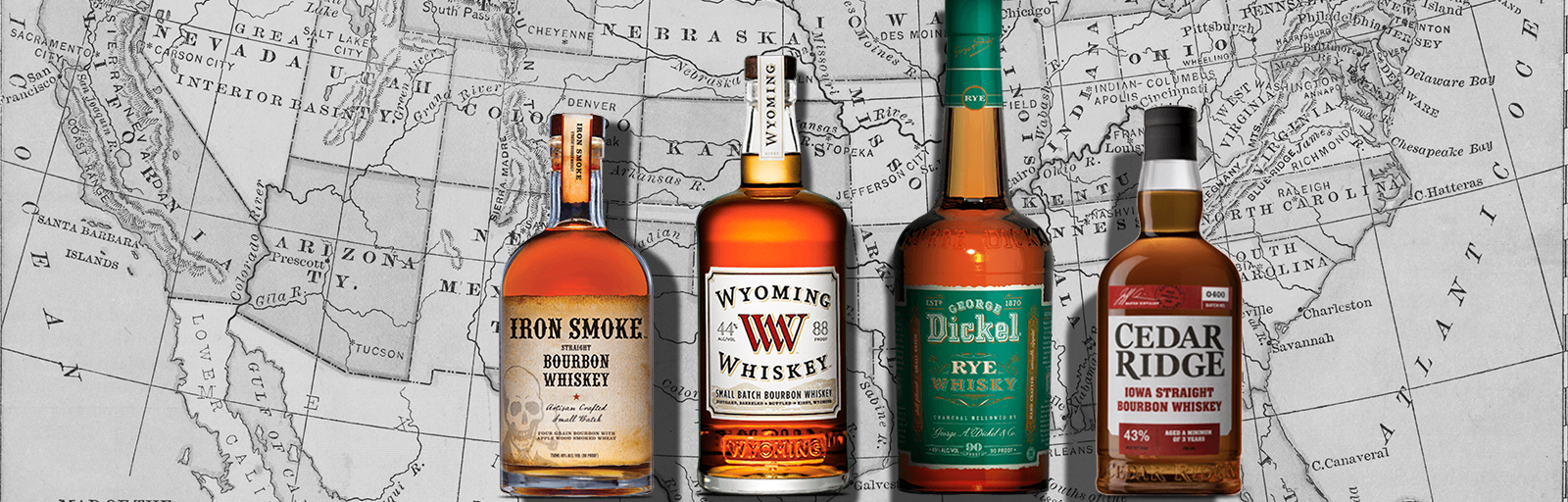
Iron Smoke/Wyoming/George Dickel/Cedar Ridge/istock/Uproxx
Christopher Osburn has spent the past fifteen years in search of “the best” — or at least his very favorite — sips of whisk(e)y on earth. In the process, he’s enjoyed more whisk(e)y drams than his doctor would dare feel comfortable with, traveled to over 20 countries testing local spirits, and visited more than fifty distilleries around the globe.
America is a wildly varied country — in topography, culture, climate, and people. The mountain folk of Colorado live a whole different sort of existence than the people residing in the Florida Everglades. The same goes for the citizens of dusty, southwestern cities like El Paso and those who own second homes on Cape Cod. So it should come as no surprise that America’s whiskey distilleries are equally diverse.
That being said, there are over 2,000 craft distilleries in the US (barring some COVID closures). So picking one whiskey from each state is quite the epic task. Seriously. And agonizing too, in the case of certain distillery-rich states (I see you, KY).
I’m going to attempt to do it anyway.
Just to be clear, though. These are my picks for the absolute best bottle of whiskey from every state. Not Uproxx’s. Each choice is calibrated to my unique palate, which is cultured but probably not perfect. Knowing that, feel free to let me know in the comments exactly where I went wrong.
This American single malt is the first non-moonshine whiskey to be produced in Alabama in 100 years. It’s made using malted barley and smoked with pecan and peach wood.
Tasting Notes:
The result of this unique process is a whiskey with a subtle nose of dried fruits, charred oak, campfire smoke, and flavors of brown sugar, dried orange peel, and spicy cinnamon.
The finish is long, mellow, and ends with a final flourish of spice.
Alaska Outlaw Whiskey is produced in the hometown of Sarah Palin, but don’t hold that against the brand. Aged for three years in charred, American oak casks, this small-batch whiskey is surprisingly mellow.
Tasting Notes:
It starts with a nose of sweet cherries, toasted oak, and sweet vanilla. From the first sip, your palate will be met with spicy cinnamon, dried apricots, caramel, and charred wood. The finish is medium in length, warming, and filled with more caramel sweetness.
Whiskey Del Bac has quickly become one of the most popular whiskey brands in Arizona. Its flagship Del Bac Dorado is its “must-try.” The Scottish-style single malt is made from 100% malted barley that’s dried over mesquite wood.
Tasting Notes:
This is a whiskey with a pleasing nose, filled with campfire smoke, toasted marshmallows, and subtle hints of maple syrup. The first sip is filled with rich caramel, sweet vanilla, and a solid kick of wood smoke.
The finish is medium in length, smooth, and ends with a lovely hit of sweet smoke.
This grain-to-glass whiskey has won numerous awards and is undeniably the best whiskey coming out of Arkansas. It’s made in small batches with a super high corn content (82%). It’s aged in new, charred oak barrels and has the designation as the first-ever bourbon distilled in Arkansas.
Tasting Notes:
This award-winner begins with aromas of caramel corn, rich vanilla, nutty almonds, and subtle toasted oak. Flavors of cocoa, more caramel, subtle cinnamon spice, and candied fruits are prevalent in each sip. The finish is long, warm, and filled with indulgent chocolate and spicy pepper.
This is truly a unique whiskey. It begins as an American single malt that’s matured for three years. Then it finds its way into a French oak vat, littered with red oak, grape wood, hickory, and maple staves.
Tasting Notes:
The addition of resting on the staves gives this whiskey a well-balanced, very complex flavor with initial aromas of cracked black pepper and Christmas spices before moving on to the dried cherries and sweet caramel. The first sip is filled with charred oak, butterscotch, clover honey, and creamy vanilla. The finish is medium, very warming, and ends with a nice dash of pepper.
Colorado (Stranahan’s Snowflake Whiskey)
ABV: 47%
Price: $99
The Story:
Stranahan’s Snowflake Whiskey is truly a limited edition. It’s only available for one day every December. This very special whiskey is first aged in charred, white American oak casks before finishing in wine, sherry, cognac, rum, and tequila barrels. The result is a complex, very different whiskey that you’ll never forget (if you get a chance to try it).
Tasting Notes:
While every batch is a little different, I tried the 2019 version. The first aromas I’m met with are those of sweet sherry, dried orange peels, and subtle cinnamon. The first sip is bursting with hints of caramelized sugar, rich honey, and sweet cherries. The finish is medium in length, warming, and ends with a final kick of spice.
Litchfield’s straight bourbon whiskey has won numerous awards and for good reason. It’s aged to perfection in charred American oak casks. This expression ramps up the flavor by aging it an extra year in port wine barrels. You’ve probably seen it done by the likes of Angel’s Envy and others.
Tasting Notes:
Aging in port wine barrels has given the nose supremely sweet aromas of dried fruits, vanilla, and toffee. The first sip yields even more sweetness with honeyed cream, charred oak, and caramelized sugar up front, followed by candied fruits and subtle cinnamon. The finish is long, dry, and ends with a tannic hit of port wine sweetness.
Dogfish Head’s Sam Calagione has been known to push the boundaries in the beer world. Recently, he’s branched out into spirits, specifically whiskey. His best offering to date is Alternative Takes: Vol. 2. It’s distilled with a mash bill of malted barley and applewood smoked malt. It’s first aged in charred, American oak cask before finishing in casks the held Dogfish Head’s Palo Santo Marron brown ale.
Tasting Notes:
If you give this whiskey a proper nosing, you’ll be welcomed with clover honey, subtle spices, and malty ales scents. The palate delivers salted caramel, sweet vanilla, and dried fruits. The finish is long, warming, and ends with hints of sticky toffee and more vanilla sweetness.
You’ve probably never heard of Florida Straight Bourbon. In the simplest terms, it’s a bourbon made in Florida. The base is a mash bill of 60% Florida corn. The other ingredients are barley and wheat. There’s no rye in this whiskey and it’s aged for three years in charred oak casks.
This mashbill creates a much mellower, soft bourbon.
Tasting Note:
Like all good whiskeys, this offering should be nosed before taking a sip. Your nostrils will fill with the scents of cinnamon sugar, toasted marshmallows, and dried apricots. The first sip will bring you cooking spices, sweet toffee cookies, dark chocolate, nutty almonds, and rich caramel.
The finish is mellow, long, and ends with a final punch of sweet cream.
Old Fourth Distillery is cranking out some great whiskey in Atlanta, but it’s bottled in bond bourbon is its best offering. This award-winning, unfiltered 100 proof whiskey is made using a traditional mash bill and was limited to only 75 barrels. It’s a truly limited-edition bourbon that’s 100% worth seeking out.
Tasting Notes:
The nose begins with the scent of the barrelhouse itself. It then dives into sweet corn, velvety vanilla, caramel, and subtle cinnamon. The first sip is filled with maple syrup, grass, cocoa powder, and butterscotch. The finish is long, very warm, and ends with one last hint of brown sugar.
Named for the mountains where, according to legend, the gods live, Ko’olau is a Hawaiian whiskey that’s starting to make waves in the spirits world. Made from local corn and blended with water filtered through volcanic rock, this small-batch whiskey is limited to 1,800 bottles.
Tasting Notes:
The nose is very sweet and light, with hints of butterscotch and honey. The first sip is highlighted with a nutty sweetness followed by sweet vanilla and brown sugar. The finish is long, warming, and ends with notes of almonds, cream, and caramelized sugar.
This award-winning whiskey from Koenig Distillery in Caldwell, Idaho should immediately be on your radar. It gets its name because the water source for this bourbon is the Seven Devils Mountains. Aged between two and five years in new, charred, American oak casks, this small-batch whiskey is the best the Gem state has to offer.
Tasting Notes:
The first aromas to fill your nostrils are candied orange peel, maple syrup, and caramel corn. The first sip brings you sweet milk chocolate, clover honey, sweet vanilla, and subtle, spicy cinnamon. The finish is long, warming, and ends with an extra punch of nutty sweetness.
While Koval is making some great offerings, my absolute favorite Illinois whiskey is FEW Straight Bourbon. This three-grain bourbon is a mix of southern style and northern rye. Made in small batches in new, charred, American oak barrels, this award-winning bourbon will make you rethink your assumptions about the style when it comes from distilleries outside of Kentucky.
Tasting Notes:
One of the unique aspects of this whiskey is the fact that it’s fermented with a yeast normally used to make saison beer. This adds a subtle peppery scent to the nose that works well with the other aromas of cinnamon, caramel, and brown sugar. The first sip will blow you away with the level of mellow drinkability and hints of charred oak, caramel corn, sweet honey, and nougat.
The finish is long, subtly warm, and ends with a wisp of caramel apple.
For years, Indiana’s MGP was simply a rye whiskey distiller that made juice for George Dickel, Angel’s Envy, Bulleit, and others. But releases this high rye bourbon every fall. The fourth iteration, this limited-edition whiskey gets its flavor from two different mash bills. 77% of the blend consists of a bourbon made with 21% rye and the other is made up of a bourbon with 36% rye.
It’s spicy, sweet, and perfectly rounded.
Tasting Notes:
Take time to give this whiskey a proper nosing. You’ll find hints of cracked black pepper, dried fruits, and charred oak. The first sip yields caramelized sugar, butterscotch, baking spice, and vanilla beans. The finish is long, warming, and ends with a nice kick of toasted wood and spice.
Templeton Rye would have made the list for Iowa, but it’s made at MGP in Indiana now. That bumps up Cedar Ridge and its Iowa Bourbon to the top spot. This award-winning whiskey is Iowa’s first bourbon since prohibition and is made using corn from founder Jeff Quint’s farm.
It doesn’t get more grain-to-glass than that.
Tasting Notes:
The flavor experience starts with the nose. Aromas of sweet corn, toffee, dried cherries, and caramel cake fill your nostrils. Sipping this whiskey brings you nutty almonds, rich vanilla, toasted caramel, and charred oak. The finish is mellow, long, and ends with hints of dried fruits and cinnamon.
This award-winning whiskey is a blend of straight bourbon, light corn, and straight rye. All whiskeys in this blend have been aged for at least four years in American oak casks before finishing in 15-year-old Oloroso sherry butts. The result is a remarkably mellow whiskey, perfect for mixing or slow sipping.
Tasting Notes:
Your first experience with Kansas City whiskey is its nose. You’ll find aromas of sweet sherry, dried fruits, cinnamon, and caramelized sugar. The first sip brings you hints of buttered popcorn, toffee, cloves, sweet cherries, and subtle charred oak. The finish is long, warm, and ends with a final flourish of sweet heat.
I could easily write a list of the fifty best whiskeys in Kentucky alone. But if I had to pick one (and I’m not talking about the ridiculously hard to find unicorn bottles), I’d have to go with the tried and true Booker’s Bourbon. It’s unfiltered, uncut, warming, and perfectly suited for sipping neat or on the rocks.
Tasting Notes:
Take a whiff of this award-winning whiskey before taking a sip and you’ll be met with strong hints of caramelized sugar, hot cinnamon, and toasted wood. The first sip is filled with charred vanilla, marshmallows, espresso, cocoa powders, and caramel.
The finish is long, very warm (the Kentucky hug!), and ends with a final hint of peppery spice.
This Louisiana whiskey gets its name (LA1) because it’s the first aged whiskey in the state since prohibition. Made with a mash bill of corn, rye, barley, and rice, this small-batch whiskey is 94 proof and supremely drinkable. It’s also great for mixing into a boulevardier or your favorite whiskey cocktail.
Tasting Notes:
On the nose, you’ll find sweet brown sugar, spicy rye, and honey. The first sip brings you flavors of fruit cake, chocolate, sweet vanilla, and cracked back pepper. The finish is long, warm, and ends with even more of that spicy rye.
Maine (Fifty Stone Single Malt Whiskey)
ABV: 45%
Price: $44.99
The Story:
This whiskey from Maine Craft Distilling in Portland is made in the Scottish style. It starts with barley from Maine. But it ramps up the Scotch vibe even more by using local peat and seaweed to smoke the malts. It’s aged in new, charred, American oak barrels.
The result is a taste of Scotland made in the heart of New England.
Tasting Notes:
On the nose, you’ll find scents of campfire smoke, ocean brine, sweet caramel, and cinnamon. Rich vanilla, dried fruits, and brown sugar flavors are tempered by a subtle smoky backbone. The finish is long, warming, and ends with a final kick of peaty smoke.
Sagamore gets its name from Sagamore Farm and the spring house that was built in 1909 where the distillery still gets the limestone-filtered spring water used to make its whiskeys. While the distillery has multiple award-winning offerings, it’s hard to top its flagship straight rye. A blend of MGP rye and its own house distilled rye, it’s spicy, sweet, and perfectly mellow.
Tasting Notes:
The nose is filled with cooking spices, brown sugar, and sweet cream. Sipping it, you’ll be treated to cinnamon, cloves, peppery rye spice, nutty almonds, and caramel. The finish is medium in length, warm, and ends with a final hint of butterscotch.
This award-winning small-batch bourbon is made up of 72% corn that’s sourced from farms within miles of the distillery. It’s triple-distilled before being aged in charred, American oak barrels. It’s proofed using the area’s famous spring water.
Tasting Notes:
The nose is filled with hints of caramel corn, subtle cinnamon, and peppery rye. Sipping this whiskey, your palate will fill with flavors of pecans, rich caramel, and Christmas spices. The finish is long, smooth, and ends in a final crescendo of creamy vanilla.
This highly regarded bourbon is made to pay homage to the whiskey of the same name that was distilled on the same sight before prohibition. Made with 70% corn, this 90 proof bold, complex whiskey is perfect for anyone looking for a throwback to a bygone era of spirits production.
Tasting Notes:
If you spend time nosing it, you’ll reveal aromas of dried orange peel, cinnamon, sweet corn, and brown sugar. The first sip brings up flavors of rich caramel, dried fruits, more spicy cinnamon, honey, and creamy vanilla. The finish is medium, subtly warm, and ends with a final kick of citrus and cinnamon.
Minnesota (Crooked Water Old Hell Roaring Bourbon)
Heather Manley founded Crooked Water back in 2013. Since then, the distillery has been cranking out high-quality spirits. One of its best is Old Hell Roaring Bourbon, a double-barreled, high-proof whiskey that gets added flavor from a proprietary toasting and smoking regiment.
Tasting Notes:
Enjoy a healthy dose of charred wood, subtle smoke, and sweet cream on the nose. Then take a sip and enjoy more subtle campfire smoke paired with cinnamon apples, honey, caramel, and fruit cake. The finish is long, full of pleasurable heat, and ends with a final flourish of woodsmoke.
Old Soul is a blend of high-rye bourbons. 55% is a straight bourbon aged for 4 years, 8 months. 35% is a straight bourbon aged for 4 years, 3 months. The final bourbon was aged for over 2 years. The whiskeys are distilled in Indiana and Mississippi. It’s made in limited-edition, hand-selected batches.
Tasting Notes:
On the nose, you’ll smell hints of yellow cake, sweet vanilla, and charred oak. The first sip yields sticky toffee, subtly spicy rye, sweet honey, and creamy vanilla. The finish is long, warming, and ends with a healthy dose of cracked black pepper.
This rye is a mixture of spicy and smooth. It’s uncut, unfiltered, and high proof. But even at 90 proof, this St. Louis-made rye whiskey is well suited for old fashioneds, whiskey sours, or slow sipping on its own.
Tasting Notes:
Your nose will be met with aromas of sweet cream, sugary vanilla, and just a kiss of peppery rye. The first sip is filled with caramelized sugar, dried fruits, soft leather, and white pepper. The finish is long, mellow, and ends with a nice combination of butterscotch and spice.
There are two keys to the success of Five Drops Bourbon. The first is the use of pure Montana spring water. The second is the fact that this whiskey is matured in smaller-than-normal charred, white oak barrels in a rickhouse that has no temperature controls. The distillers believe that the massive swings in temperatures throughout the years give this bourbon a unique flavor profile.
Tasting Notes:
The nose is full of fresh wood scents as well as sweet caramel and brown sugar. The first sip is filled with the flavors of caramel corn, rich vanilla, and subtle smoke. The finish is medium, warming, and ends with a nice final kick of charred oak and toffee.
Many distilleries have attempted to make Scottish style whiskeys in American. Many of them barely resemble Scotch. Cut Spike is one that works. Surprisingly only aged for two years, this single malt whiskey is made using malted barley in Scottish-made pot stills.
Tasting Notes:
The nose is spicy with hints of cinnamon, cloves, and subtle pepper. This moves into scents of vanilla beans and brown sugar. The first sip is brimming with hints of dried fruits, candied orange peels, caramel apples, rich vanilla, and subtle charred oak. The finish is long, full of warmth, and ends with a great mixture of cinnamon and vanilla.
It doesn’t get much more grain-to-bottle than Frey Ranch Straight Bourbon. This “whiskey farm” literally grows the ingredients that go into each bottle. Made from a combination of corn, rye, wheat, and malted barley, this offering was aged to perfection for four years.
Tasting Notes:
If you give this whiskey a nosing, you’ll find hints of candied orange peel, dried apricots, charred wood, and sweet vanilla. Sipping it yields herbal hints along with sweet corn, grass, dried wood, toasted caramel, and subtle cracked black pepper. The finish is long, full of warming heat, and ends with more spicy rye pepper.
New Hampshire might not be known for its rye whiskey. Chocorua is about to change that. Made by Tamworth Distilling, this complex and smooth whiskey is made using only one crop of organic rye farmed in Maine. It’s distilled in the Tennessee sour mash style to give it a unique flavor profile you won’t soon forget.
Tasting Notes:
The first time you nose this whiskey, you’ll be surprised at the natural, outdoor scents of grass and hay that are followed by dried cherries and a slight hint of cinnamon. The first sip yields hints of spicy rye, sweet caramel, spiced apples, and fresh mint. The finish is medium, warm, and ends with a final kick of peppery spice.
This four-grain bourbon (the same mash bill as its Barnegat White Whiskey) is the first to be made in New Jersey since prohibition. It was distilled at least three times to 140 proof before being matured in new, charred, American oak casks.
Tasting Notes:
The nose is filled with hints of charred oak, sweet corn, and spicy cinnamon. The first sip is full of flavors like rich vanilla, subtle peppery rye, crème Brulee, and dried cherries. The finish is long, warming, and ends with a nice final hint of vanilla and spice.
New Mexico (Santa Fe Colkegan Single Malt Whiskey)
If you crack open a bottle of Colkegan and you don’t know anything about it, you’d assume you’re sipping on a Scotch whisky. Little do you know that you’re enjoying an American single malt that was made in New Mexico. But, like many of your favorite Scotch whiskies, this unique offering was made with peat-smoked malted barley.
Tasting Notes:
Crack this one open and you’ll be sure it’s an Islay single malt. The nose is filled with hints of vanilla, sweet chocolate, and subtle peat smoke. The first sip is filled with dried fruits, toasted marshmallow, rich caramel, and just a wisp of woodsmoke. The finish is medium, mellow, and ends with a final flourish of peaty smoke.
This award-winning bourbon is a little different than what you’d expect and that’s not such a bad thing. This small-batch whiskey produced in Fairport, New York is a four-grain bourbon made using applewood smoked wheat to give it a unique, sweet, and smoky flavor not usually associated with bourbons.
Tasting Notes:
Your nose will be greeted with the expected flavors of brown sugar, caramel, and vanilla. But, behind that is subtle, sweet smoke. The first sip yields peppery spice, charred oak, sweet vanilla, and a backbone of woodsmoke. The finish is medium in length, dry, and ends with more sweet smoke.
The first bourbon made in North Carolina since prohibition, Seventeen Twelve Bourbon is made with corn, rye, and barley from Carolina farmers. It’s distilled twice and aged for a minimum of two years in a new, charred, American oak cask that is also filled with toasted yellow birch wood. It’s unfiltered, bold, and unforgettable.
Tasting Notes:
This whiskey begins with a nose of spicy cinnamon, baking spices, and charred oak. The first sip is full of creamy vanilla, clover honey, and brown sugar. The finish is long, full of warming heat, and ends with a nice kick of white pepper.
Proof Artisan Distillers crafted the first single malt whiskey produced in North Dakota since prohibition. Made from 100% non-GMO malted barley, it’s matured in new, charred, American oak casks before finishing in ex-bourbon barrels.
Tasting Notes:
The aroma is filled with rich malty scents as well as charred oak and caramelized sugar. Once you take a sip, the flavors you’ll find include spicy cinnamon, crème Brulee, sticky toffee, and honey. The finish is short, subtly warm, and ends with a final hit of sweet caramel.
Made by Middle West in Columbus, Ohio, Oyo Oloroso Wheat Whiskey is first aged in lightly toasted, American white oak casks for several years. It’s then finished in Oloroso sherry butts. The result is a highly complex, soft, super sippable whiskey.
Tasting Notes:
Your nose will first fill with the scents of cinnamon, almonds, and sweet sherry. The first sip brings forth dried cherries, velvety vanilla, bitter chocolate, and subtle peppery spice. The finish is long, warming, and ends with more caramel sweetness.
Top of its class when it comes to American single malts, Westward’s offering is made using locally sourced malted barley and ale yeast. It’s matured in charred, new American oak casks in a barrelhouse that sees the highs and lows of every season. The result is a refined, well-balanced whiskey worth stocking up on.
Tasting Notes:
Like a great Scotch, the aromas your nose is first met with include creamy vanilla, caramelized sugar, and cooking spices. The first sip is filled with dried fruits, rich malts, and brown sugar. The finish is long, warming, and ends with a hit of dark chocolate and cinnamon.
Aged between two and four years, this organic rye whiskey was made in the traditional Monongahela style. Made in a traditional pot still using 68% locally sourced rye, it’s a great whiskey for rye novices as it’s lighter, softer, and smoother than some of the spicier varieties on the market.
Tasting Notes:
Your nostrils will be filled with the spicy scent of cracked pepper along with dried apricots, sweet vanilla, and rich honey. The first sip is full of spicy cinnamon, almond cookies, various herbs, and a spicy rye backbone. The finish is medium, supremely mellow, and ends with a spicy kick.
Rhode Island (Sons of Liberty Uprising American Single Malt Whiskey)
Like all single malts, this offering was made using 100% malted barley. But, unlike many other single malts, Uprising includes dark malts that are often used to brew stout beers. This and aging in charred, American oak barrels as well as toasted French oak, give this whiskey a unique, complex flavor profile.
Tasting Notes:
On the nose, you’ll find hints of dark, roasted malts, coffee, and caramel. The first sip yields flavors of sweet vanilla, espresso, dark chocolate, and butterscotch. The finish is long, warming, and ends with a final kick of bitter chocolate.
This whiskey from High Wire Distilling in Charleston, South Carolina is a throwback to the classic, easy-drinking bourbons of yore. The grains (heirloom white corn, red winter wheat, malted barley, and Carolina Gold rice bran) are all sourced from southern farms. Without the addition of spicy rye, this bourbon is extra mellow, soft, and highly drinkable.
Tasting Notes:
The nose is filled with subtle wood smoke, charred oak, and nutty sweetness. The first sip is filled with sour cherries, sweet caramel, toasted vanilla beans, and brown sugar. The finish is medium, warm, and ends with a mellow hint of caramelized sugar.
South Dakota (Badlands Iron Hill Bourbon)
ABV: 40%
Price: $30
The Story:
Unsurprisingly, South Dakota isn’t home to a ton of distilleries. The best of the lot is Badlands and its Iron Hill Bourbon. Made with corn that’s grown on the family-owned ranch, it’s made in small, limited-edition batches and is only available to purchase at the distillery in Kadoka, South Dakota.
Tasting Notes:
The nose is filled with sweet corn, rich caramel, and subtle cinnamon. The first sip is an immersion of caramelized sugar, subtle pepper, and clover honey. The finish is medium in length, warming, and ends with a final kick of cinnamon sugar.
Normally, rye whiskey isn’t chilled charcoal mellowed. But, like all of George Dickel’s whiskeys, its rye gets this treatment. This super high rye whiskey (95%) is supremely spicy and well suited for all of your favorite rye-based cocktails or slow sipping.
Tasting Notes:
If you nose this whiskey, you’ll be met with hints of toasted marshmallows, toasted oak, and spicy, peppery rye. The first sip will bring you hints of dried fruits, caramel, sticky toffee, and cracked black pepper. The finish is long and full of spicy heat.
By now, you probably know that I enjoy smoky, Islay Scotches. That’s why I love this corn-based whiskey that’s smoked using Texas scrub oak. It’s smoky, sweet, and perfect for mixing and sipping. Try it instead of your favorite Islay Scotch for a unique dram.
Tasting Notes:
With the obvious reference to smoke, it’s surprising that the first aromas are those of brown sugar and spicy cinnamon. This is followed quickly by woodsmoke and vanilla. The first sip is filled with flavors like tobacco, dried orange peel, caramelized sugar, and more smoke. The finish is long, warm, and ends with a final kiss of barbecue smoke.
Named for “A Midsummer Night’s Dream” by William Shakespeare, this complex whiskey is a limited-release version of High West Rendezvous Rye that’s finished in French oak port barrels. This gives it a more nuanced, rich flavor that pairs perfectly with the spicy, sweet original rye.
Tasting Notes:
The nose is comprised of sweet chocolate, charred oak, toasted vanilla, and cinnamon. The first sip is chocked full of dried cherries, caramelized sugar, sweet honey, toffee, and subtle peppery rye. The finish is long, warming, and ends with a combination of fruity sweetness and spicy cracked black pepper.
This whiskey originated in Alberta, Canada. It was being used as a blending whiskey and was “rescued” by WhistlePig to be a standalone rye. It was aged in new, charred, American oak casks and then bottled in Vermont. It’s currently the most awarded rye whiskey in the world.
Tasting Notes:
There are a lot of scents on the nose. First, there’s the candied orange peel. This is quickly followed by toasted oak, peppery spice, and sweet brown sugar. The first sip is filled with caramel, honey, and black pepper. The finish is long, surprisingly mellow, and ends with a final hint of toffee.
Virginia (Virginia Distillery Port Cask Finished Virginia Highland Whiskey)
What begins at a 100% malted barley-based whiskey made in the traditional Scottish style is blended with actual Scotch whisky before being finished in port wine casks. The result is a very unique, global whiskey that should appeal to drinkers from both sides of the pond.
Tasting Notes:
You’ll first be met with aromas of English toffee, cinnamon, cloves, and charred oak. Then when you take a sip, you’ll be greeted with hints of cereal, dark chocolate, dried orange peels, and sweet caramel. The finish is medium in length, full of warmth, and ends with a nice hint of brown sugar.
If you’re a fan of spicy rye whiskey, you can’t miss Woodinville with its 100% rye mash bill that’s sourced from Washington State farms. Distilled in copper pot stills and aged for at least five years, this is a banger of a spicy rye bomb at any price.
Tasting Notes:
Right away, your nose is filled with the aromas of peppery rye, fresh mint, and charred oak. The first sip is full of sticky toffee, vanilla beans, almond cookies, and cracked black pepper. The finish is long, smooth, and ends with a final kick of pepper mixed with sweet milk chocolate.
This wheated bourbon was mashed, distilled, aged, proofed, and bottled at the Smooth Ambler Distillery in West Virginia. This is important because some of the brand’s other whiskeys are made by MGP in Indiana. It’s aged in charred, American oak barrels for five years to give it a soft, sweet, mellow flavor profile.
Tasting Notes:
If you nose this whiskey, you’ll be met with hints of caramelized sugar, almonds, and cooking spices. The first sip is filled with hints of sweet vanilla, anise, and cinnamon. The finish is medium in length, full of warmth, and ends with a nice dash of spice.
This award-winning whiskey is higher in malts than most bourbons (22%), this gives it a smoother, mellower, richer flavor. It’s aged in new, charred, American oak barrels and made in very small batches using only Wisconsin- sourced grains. It’s uncut, unfiltered, and underappreciated.
Tasting Notes:
Aromas of cocoa powder, apple pie, sweet almonds, and sandalwood fill your nostrils. Upon taking a sip, you’ll notice charred oak, creamy vanilla, dried cherry, and leather flavors. The finish is long, full of heat, and ends with a pleasing hit of spicy cinnamon.
This small-batch bourbon was distilled, barreled, and bottled proudly in Wyoming (hence the name). It’s a highly palatable 88 proof and has won numerous awards over the years. If you’re looking for a bourbon to try that’s not from Kentucky, you can do much worse than this one.
Tasting Notes:
Surprisingly, there a large floral presence in the nose that quickly moves into more recognizable scents of toasted vanilla, charred oak, and English toffee. The first sip is full of creamy caramel, spicy cinnamon, and sweet cake. The finish is medium and filled with spices with a final hint of sweet cream.
Rudy Giuliani’s lawyering has been the talk of the political world in recent weeks, as he does his best to keep Donald Trump’s fledgling attempt to win an election he lost going through the American legal system.
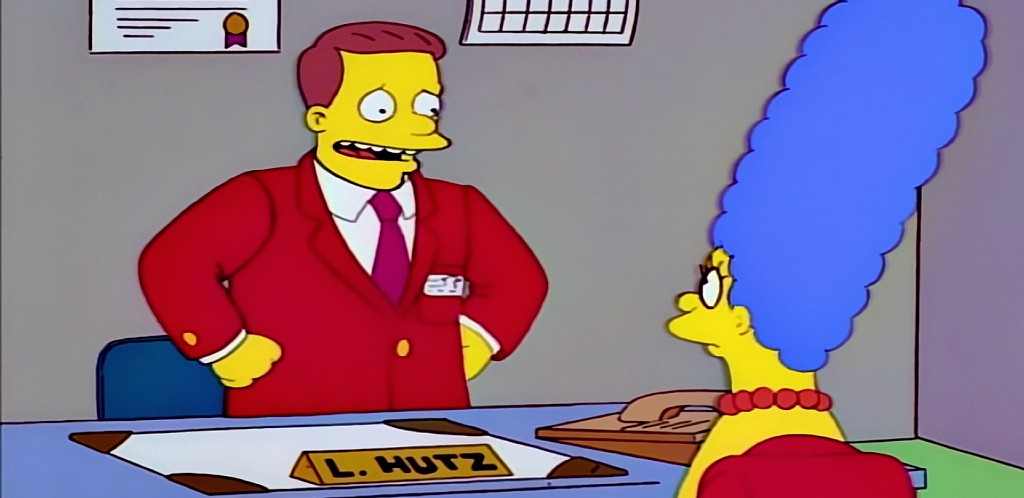
While his press conference at Four Seasons Total Landscaping in Philadelphia may be the most notable of his gaffes while in charge of Trump’s legal challenges to the election, there have been plenty of laughable legal moments over the last few weeks. Each one makes Giuliani’s slapdash legal work viral once more, and some have equated the work to a fictional lawyer from The Simpsons. But one former writer on the show says that’s not fair. Not to Giuliani, but the fictional lawyer, Lionel Hutz.
Hutz was a character on the early seasons of the show that often appeared to represent clients and, well, just not be a very good lawyer. But while The Simpsons has a long history of poking fun at Trump, writer Bill Oakley would prefer you not compare Giuliani to Hutz.
I am dubious of any comparison between Rudy Giuliani and Lionel Hutz because although they are both inept and unscrupulous, Mr. Hutz is essentially a good-hearted soul who doesn’t actively work to harm people or the nation
“I am dubious of any comparison between Rudy Giuliani and Lionel Hutz,” Oakley tweeted. “Because although they are both inept and unscrupulous, Mr. Hutz is essentially a good-hearted soul who doesn’t actively work to harm people or the nation
Hutz was retired from the show after the death of Phil Hartman, who voiced him. So don’t expect to see any direct comparisons on the new episodes of The Simpsons, either. And Oakley does make a good point here: while both are clearly not very good lawyers, only one of them can further damage the fabric of democracy in America. And the other one is a cartoon character.
Bobby Brown’s family has unfortunately suffered another loss in the family as TMZ reported on Wednesday that his son, Bobby Brown Jr., was found dead in his Los Angeles area home.
A source close to the family tells TMZ Bobby Jr. was found dead Wednesday in his home in the L.A. area. Police are still at the house, and our sources tell us, at this point, they do not believe there was foul play involved.
Bobby Brown Jr. is one of the singer’s seven children which he had during his on-again-off-again relationship with Kim Ward, whom the singer dated in the decade before his marriage with the late singer Whitney Houston.
Brown’s son’s death comes just five years after his half-sister, Bobbi Kristina, passed away. Kristina was found unresponsive in a bathtub at just the age of 22 and remained in a coma for almost six months. An autopsy report also showed that while her cause of death was due to drowning in the tub, she did have toxic levels of cocaine and alcohol in her body. Her mother, the late singer Whitney Houston, died three years prior to Kristina’s death in an unfortunately similar way.
Houston’s death rocked the world as the legendary singer was taken from the music world much earlier than most expected. Bobby Brown has yet to address the reported death of his 28-year-old son.
This website uses cookies to improve your experience. We'll assume you're ok with this, but you can opt-out if you wish. Cookie settingsACCEPT
Privacy & Cookies Policy
Privacy Overview
This website uses cookies to improve your experience while you navigate through the website. Out of these cookies, the cookies that are categorized as necessary are stored on your browser as they are essential for the working of basic functionalities of the website. We also use third-party cookies that help us analyze and understand how you use this website. These cookies will be stored in your browser only with your consent. You also have the option to opt-out of these cookies. But opting out of some of these cookies may have an effect on your browsing experience.
Necessary cookies are absolutely essential for the website to function properly. This category only includes cookies that ensures basic functionalities and security features of the website. These cookies do not store any personal information.
Any cookies that may not be particularly necessary for the website to function and is used specifically to collect user personal data via analytics, ads, other embedded contents are termed as non-necessary cookies. It is mandatory to procure user consent prior to running these cookies on your website.

SPOILER ALERT




 (@HoodieIsaiah)
  (@PrimeLindsay)
  (@conjonclem)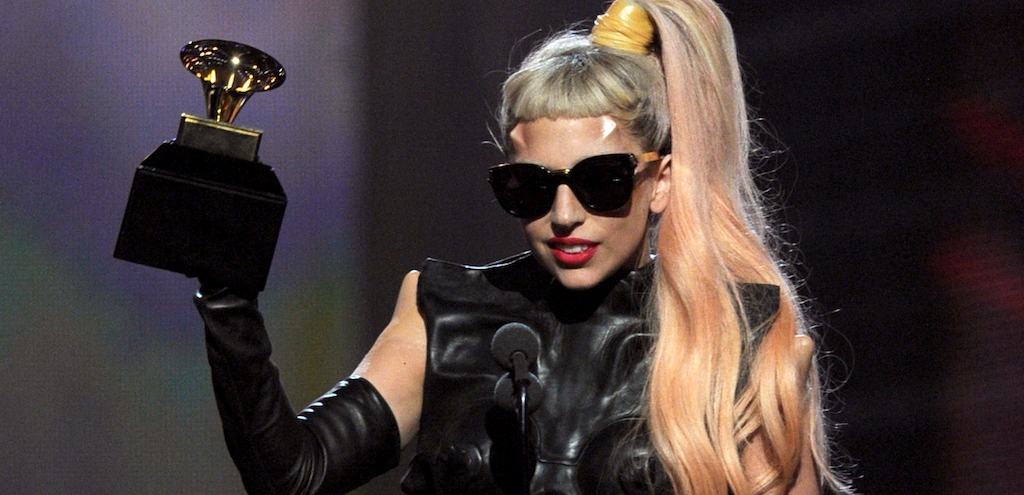


 like/follow limit (@godgatheist28)
  it really did change the music industry, every single song in this could have been released as a single and it would have done well! I can’t believe its been 11 years already, wow time has flown by

 Gagavirus
 (@GagavirusByMM)

 Ryan | Lady Gaga
  (@ryanleejohnson)