The race to get new consoles was one accomplished by Microsoft and Sony, at least in getting their next-gen video game systems to market in the first place. Actually buying Microsoft’s Xbox Series S or X, or Sony’s pair of PlayStation 5 devices, however, is proving to be a much more challenging feat in the first week of the next-gen console war.
Initial preorders for devices saw some early fan frustrations, but launch day sales and subsequent drops from other retailers have seen frustrations grow from players unable to see Assassin’s Creed Valhalla or Spider-Man: Miles Morales in crisp next-gen detail.
If the frustrations of OUT OF STOCK warnings and empty avenues to ray tracing seems like you’re suddenly battling thousands of others on Nike’s SNKRS app, well, that’s because in a way you are.
According to some analysts who spoke to CNN, the scarcity of next-gen Xboxes and PS5 may be about more than just high demand for the consoles. Some think current console scarcity is a combination of a few things, including more demand than may have been expected and a decision not to “overproduce” costly consoles ahead of an uncertain holiday season.
Profit margins on the new PS5 and Xbox Series X are probably “thin or even outright in the red,” according to IDC’s research director of gaming Lewis Ward, so it made sense to set production limits. Sony and Microsoft likely considered production levels that wouldn’t put huge stress on the manufacturers and the supply chain and that could help them limit any revenue losses, he said.
Sony isn’t making much money on the PS5 and didn’t want to overproduce the console heading into a recession, said Michael Pachter, a Wedbush analyst. This theory lines up with an April report from Bloomberg that said Sony was planning to limit output of the PS5 in its first year. The company did not respond to a request for comment.
In other words, for one reason or another Sony and Microsoft may not have made as many consoles in time for launch. And those reasons may not be as nefarious as they may seem. Manufacturing anything in a pandemic has proven difficult, especially when it’s moving across continents to reach consumers. There have been countless markets impacted by supply shortages, manufacturing shutdowns and logistical issues that have limited the quantities of countless appliances and other devices in 2020.
All that said, while the debut of each console was delayed for multiple reasons, both Microsoft and Sony insisted they would not have any hardware delays in getting consoles to market. That’s something Microsoft reiterated to CNN in a statement.
Microsoft told CNN Business that its new Xbox hardware production wasn’t affected by the pandemic and that it “set out to produce as many new consoles as it could.” The company added that the consoles, including a cheaper Series S, launched in 40 countries and it “will sell every new Xbox” it is able to produce this year.
“We’re building new Xbox consoles as fast as we can to meet demand,” Microsoft said.
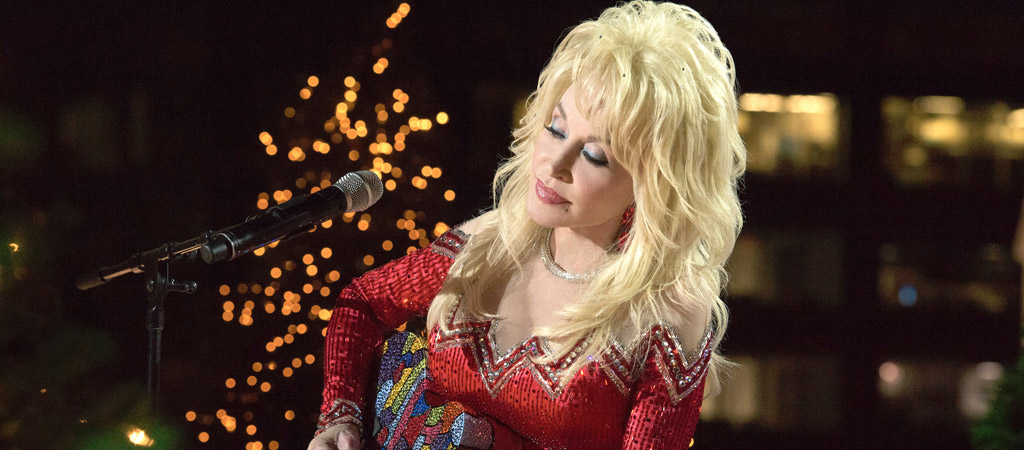
Dolly Parton’s Christmas on the Square (Netflix film) — Everyone loves Dolly (who helped fund a promising COVID vaccine), so at least there’s one thing that you won’t be arguing about with your relatives (over Zoom) this holiday season. Featuring an album full of original Dolly music, this film (which co-stars Christine Baranski) revolves around how the coldest of hearts can melt in the face of family, love, and the enduring Christmas spirit of a small town.
Small Axe (Amazon film collection) — Five Steve McQueen-directed movies will drop each Friday over the course of five weeks. The stories, set in London’s West Indian community, will explore the endurance of the human spirit despite setbacks from discrimination and rampant racism, all set from the late 1960s to the 1980s.
Run (Hulu film) — Starring Sarah Paulson and directed by Aneesh Chaganty, this suspense film might be the perfect distraction. Paulson plays an obsessive mother who controls her daughter in total isolation, and her daughter’s now only beginning to grasp the secretive (and unnatural, possibly sinister) reasons for this behavior.
The Mandalorian: Chapter 11 (Disney+ series) — This week, Baby Yoda eats macaroons, and things get dark. For kicks, we ranked Cobb Vanth actor Timothy Olyphant in his lawman roles, including his turn as the galaxy’s coolest marshal.
The Pack (Amazon series) — This reality competition show, hosted by Lindsey Vonn, hopes to celebrate the unbreakable bonds between dogs and humans. In the process, 12 dog-human teams will complete challenges on the race for a $500,000 price in addition to $250,000 for charity.
The Right Stuff: Episode 8 (NatGeo series on Disney+) – It’s series finale time. An underwhelmed Shepard’s sorting out his space voyage while turning toward family gratitude because he’s somehow still married. Meanwhile, Gordo and Trudy aren’t faring so well, and JFK throws down the gauntlet with NASA.
Here’s the rest of this weekend’s notable programming:
How To With John Wilson (Friday, HBO 11:00 p.m.) — This week, Wilson dives into the murky waters of how to split the check, with all the fairness and drama that comes along with the practice. Wilson also spoke with us about capturing the intimacy and absurdity of life in New York.
2020 American Music Awards (Sunday, ABC 8:00 p.m.) — This pandemic-set awards ceremony includes performances from Megan Thee Stallion, Machine Gun Kelly, Billie Eilish, Katy Perry, Bad Bunny and Jhay Cortez, BTS, Jennifer Lopez and Maluma, Shawn Mendes, and Justin Bieber.
Belushi (Sunday, Showtime 8:00 p.m.) — This documentary explores the life of the late legendary comedian John Belushi by digging into his most iconic characters both of the movie and SNL front, interspersed with home movies and words from friends and family.
The Undoing (Sunday, HBO 9:00 p.m.) — Hugh Grant’s fascinating turn as a possibly shady dude (and it’s about time) returns with Jonathan Fraser’s case taking a turn at trial while Grace and Henry discuss a secret.
Fear The Walking Dead (Sunday, AMC 9:00 p.m.) — Somehow, this atypically good season has already reached its midpoint with Alicia and Charlie looking for Dakota at the behest of Strand.
Murder On Middle Beach (Sunday, HBO 10:00 p.m.) — First-time director Madison Hamburg (who we spoke with) reveals his nearly decade-long journey to investigate who murdered his mother, Barbara, in a still-unsolved case out of Connecticut. The four-part series takes many twists and turns, including an exploration of the “Gifting Tables” Ponzi scheme, as well as interviews with friends, family members, and the law enforcement figures who let the case go cold. It’s a heck of a watch that will keep you guessing.
Fargo (Sunday, FX 10:00 p.m.) — The Chris Rock-led season finale sees Loy joining an uneasy alliance while Oraetta’s spoked, Josto is settling a score, Ethelrida gets risky, and Odis gets peaceful.
The Walking Dead: World Beyond (Sunday, AMC 10:00 p.m.) — The newest spinoff in this universe has the teens revisiting the group’s past following a horrific discovery.
Moonbase 8 (Sunday, Showtime 11:00 p.m. EST and streaming) — Fred Armisen, Tim Heidecker, and John C. Reilly are here to make space funny as astronauts working toward a lunar mission. This week, Cap and Skip have very different quarantine experiences, which leaves Rook and a few female team member alone with each other.
Voices of Fire (Netflix Film) — Pharrell Williams’ hometown community gets the spotlight as his uncle joins forces with Bishop Ezekiel Williams and other gospel leaders to build an inspiring choir. Together, they strike out in search of undiscovered talent to amass a collective voice with a greater, and more diverse meaning.
The Princess Switch: Switched Again (Netflix film) — Once again, Vanessa Hudgens is dealing with a switcheroo as Duchess Margaret. She’s unexpectedly inherited the Montenaro throne while having relationship troubles, so it’s time for the lookalike(s) to help sort things out. Clearly, people love these movies, so one might as well roll with it.
Alien Xmas (Netflix Film) — Only Christmas can save the world from kleptomaniac aliens, who are attempting to steal Earth’s gravity. Also, a cute alien named X is involved, hopefully on the good side.
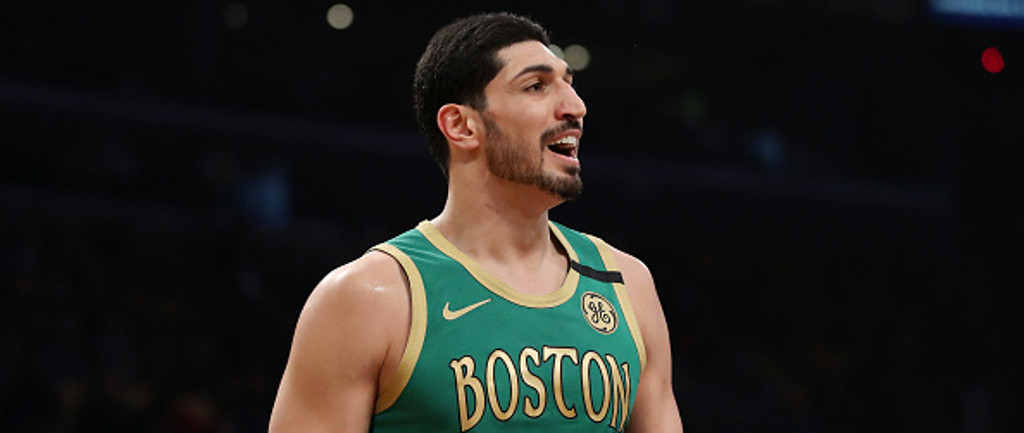
Enes Kanter is on his way back to the Portland Trail Blazers. According to Adrian Wojnarowski of ESPN, the Boston Celtics, the Memphis Grizzlies, and the Blazers have agreed to terms on a three-team trade involving a collection of picks — both in the future and retroactive to Wednesday night’s Draft — and players.
The two veteran players involved in the deal are Kanter, who Boston will send to Portland, and Mario Hezonja, who is headed to Memphis from the pacific northwest. Boston will also net a future pick from the Grizzlies, and in a move that was previously announced, TCU sharpshooter Desmond Bane will take his talents to Memphis.
Portland is acquiring Boston’s Enes Kanter in a three-way deal with Memphis, sources tell ESPN. Memphis gets Mario Hezonjia and 30th pick (Desmond Bane) from draft night deal as part of trade too. Celtics get a future Memphis draft consideration.
As Wojnarowski pointed out, Kanter previously had a cup of coffee with Portland during the 2018-19 season, joining the franchise following a buyout from the New York Knicks and adding some frontcourt production.
Kanter returns to the Blazers, where he had a terrific stretch after signing as a buyout free agent in 2019: 13 points, 8.6 rebounds in 23 games. https://t.co/2bK5jvWE3F
Kanter should provide some frontcourt reinforcements following Hassan Whiteside hitting unrestricted free agency this summer and while Zach Collins rehabs offseason ankle surgery. Hezonja and Bane give the Grizzlies a pair of wings, and while the former has struggled to consistently provide a scoring punch during his time in the league, the latter brings a sweet jumper — he hit 43.3 percent of his triples in college. It is unclear what pick Boston is getting back in the trade, but this is the latest in what has been a hectic day for them, as Gordon Hayward opted to not pick up the final year of his player option and is an unrestricted free agent.
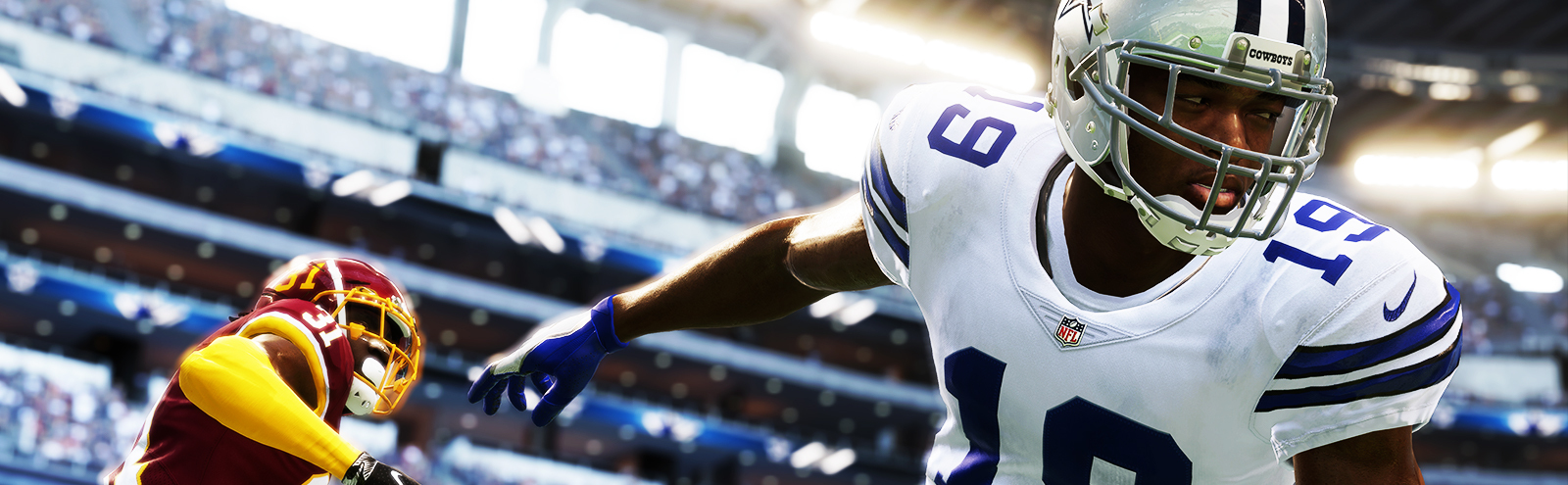
Connor Dougan knows games need something big when Madden NFL 21 drops for next generation consoles. Dougan, the creative director at EA Sports, has been working on this specific version of the game for about two years — “a souped up PC” made it all happen, he tells me — and on Dec. 4, things will come to fruition when the game drops for PlayStation 4 and Xbox Series X.
“One of our goals was, okay, so we’ve got next-gen for gen five coming up internally,” Dougan told Uproxx Edge over Zoom earlier this week. “And it was like, what are we going to do to reset our players expectation and really push the next console transition like it started on a strong note and change the way that the game is played and perceived? And we thought, how better to do that? I mean, we obviously did a bunch of investigation just on Next Gen Stats, but our first instinct was, okay, how do we get motion right? Player movement right?
“And then through our partnership with Next Gen Stats, we did some investigations and some initial prototyping, and then it just snowballed — captured thousands of animations, wide receiver routes, all players were driven by Next Gen Stats, movement parameters, and here we are now,” he continues.
As Dougan mentioned, Madden NFL 21 was powered in part by a partnership with Next Gen Stats, which informed the way that players move on the field in a way that is more similar to how they move in real life. Animations in the change are new — sidelines are more full, stadiums and sounds are more realistic — and changes like a new playcalling screen are coming in, but Dougan and his team were determined to make the debut version of Madden on next-gen consoles feel realistic above all else.
Dougan spoke to Uproxx Edge about the game, how Next Gen Stats played a crucial role in things, and much more.
What are some aspects of this particular version of Madden that was just not possible on current generation consoles?
Let’s start from a gameplay perspective, and then if I miss some other aspects, go ahead and just jump in. So in order to do next-gen player movement, first of all, we had to import thousands of Next Gen Stats like NFL player pass into the game, create a new padding model. And in order to do that, like a movement model, the costs on the CPU side of things is more expensive. So it makes it very difficult to import it back or to do that in gen four.
And then even more importantly, or one of the things that hold us back from doing this on gen four — or enables us to do it on gen five — is the amount of animations that we needed to make it look realistic and feel realistic and follow those NFL players’ paths at various speeds, directions of cutting. We just needed more content, more animation content variety and there’s no way we would’ve gotten the memory to do that on gen four.
And then when you talk about sidelines, having 80 players on both sidelines, crowd enhancements, better player lighting, more body types, muscle jiggle, all of those items were at near the end of the gen four console transitions and were tapped out. So in terms of performance on the GPU and CPU and in terms of overall memory, it enabled us to do a lot and we certainly couldn’t have done that on gen four.
Before we get into this game specifically, I want to ask about the reception of previous versions of Madden. I don’t think I’m saying anything controversial when I say that there have been gamers who believe there were aspects of the past games that they didn’t always enjoy. How did that feedback inform whatever you strive to accomplish in this game?
I think when we talked about Madden and what we wanted to do, moving to the next generation of consoles, is we wanted to — and this is from our core players — we wanted to build the most authentic representation of NFL football. And that sounds like very, I don’t know, press-y, but that’s what we wanted to do. We wanted to create a true NFL simulations and really driven from what our players want, from a core game play perspective. That’s where my skillset and expertise is in. And how better to do that than using real NFL player movement data to power the experience?
And then at the same time, part of it is when I play gen four Madden — and I play it all the time and I have fun — it’s just the pacing of it is very quick, very fast, and not necessarily true to life. And when you start to play gen five, the pacing of the game is much more realistic, but at the same time, it still feels good, it looks good, and it’s almost better for a gamer like me anyway, where I can see the plays develop, watch the routes or see a hole, hit a hole, or line up to make a one-on-one tackle, because a lot of the times, the pacing of gen four Madden is so fast that it’s almost so responsive, it’s unresponsive, if that makes any sense. You know what I mean?
No, absolutely. And off of that, everything with the game is presented through the concept of “Next Level” in just all forms and fashions of it. But at the end of the day, gameplay is the big one. It can be a beautiful game, all that stuff could be great. But if the game doesn’t play great, you know as well as I do that’s what people…
It doesn’t matter, right?
Right, exactly. It seems like you guys put a ton of emphasis on that and particularly player movement. Is that fair?
Next Gen Stats = Next Gen Player Movement
Feel the most elite NFL athletes at every position move on the virtual field like they do in the real world #Madden21pic.twitter.com/n6ZxiWXInp
Yep, 100 percent. Player movement, then some of the corresponding systems that we also wanted to improve that are just, I mean, they’re kind of related, but they’re not related. So if we talk about tackling, we wanted to make tackling easier to control, look better, get you in a position where if you’re in the open field as a defender and you have to make a one-on-one tackle, you don’t just 90 percent or 80 percent of the time, at least for me, run by or let the CPU control it.
Exactly.
You want to create a game where you can put yourself in a position and didn’t feel like you were potentially putting yourself at risk for making a play on the ball. So there’s that system. And then in creating a whole new movement system, we had to almost retune and/or fix up a lot of the different core systems in terms of, okay, players move slower, our animation system is completely, not slower, but more authentic. Our animation system is now different on gen four. So our ball prediction or where the pass is going to be, pass leading, defensive player pursuit. The timing for blockers and pass rush. There’s all the timing for a quarterback, making his reads. All of that stuff had to get adjusted because of the next-gen player movement.
So what role did Next Gen Stats play in building out this entire game and how will gamers get to experience that on both sides of the ball?
So when we looked at Next Gen Stats, we started, we were like, “Okay, we have this partnership with Next Gen Stats. Then they track all of their player movement, we want our player movement to be realistic.” We took a route and then we showed all the green lines, which are representative of all the speed positional data movement facing. That was our initial look at, okay, what does real human NFL movement look like? Then we had to say, “Okay, well, if we take our animation system, our paths and our movement model was nothing like that on gen four.”
So we take a human, a very fast athletic human, going at full speed, running … I don’t know, let’s say like a deep crossing route. So how do we emulate that? How do we make it look one-to-one like that real NFL player? And so that’s how we started down the animation motion side of things to make our players look realistic. And then once we got our receivers going, we started looking at ball carriers, quarterbacks, DBs, linebackers, and then linemen, and took a new approach on how to make our players move like human beings.
I’m glad you mentioned route running because it seemed like that was the entry point into everything. So just going off of that, can you give gamers an idea of what to expect on how route running in particular will feel a little bit different and then how that ended up informing running the ball, blocking, playing defense, quarterback, all that.
So when we started on gen four Madden, on all versions of Madden, it’s like, can a receiver run from point A to point B to point C? Whatever the route was, right? It’s like, go here, go here, go here, go here. And that’s all we had.
But now we have, okay, what does Davante Adams look like on this deep post route and analyzing all the data. It looks nothing like our CPU generated paths. So we had to say, okay, because it’s like it’s very nuanced in terms of how they accelerate off the line and then how they prep for their cut move and then make their cut. They decelerate slightly before they make their breaks. And that was the piece where it’s like, “Well, couldn’t we just tie a bunch of routes to Davante Adams and using his real world routes?”
And then we figured out ultimately how to do that. And then you have this one smooth path, but then we had to get a bunch of animations, capture a bunch of animations in motion capture to make sure that it looked like an NFL receiver running around, right?
Yeah.
Because we didn’t have that variety of speeds coming off the line, different turns at different angles. So that was how route running started. And then we basically took the same approach for, let’s say, running back. We started looking at a bunch of different data for different players. Running inside, running outside, how quickly they hit the hole when they cut back. How quickly did they do it? What does their path look like when they do it? And then we modeled those paths and then again, went to go capture thousands of animations to support it and make it come into life.
And it’s interesting because at the same time, you don’t want that to be something you put all your time and energy in, because if you do, playing defense in the game becomes impossible. How were you able to find the balance between, we want the routes to feel more lifelike, we want being able to run the ball feel more life like, all that stuff, without sacrificing the ability to do much of anything on defense?
So we had to basically take that same concept. And I think one of the more challenging things throughout development is we always started with offense, for whatever reason, because you have to get an offense, and then you get a defense to play against the offense. We started with the offense, got that looking good and then, shortly thereafter, we started working on defense, and it’s very reactionary and it’s actually more of a challenging problem because they have to be so much more reactive to whatever route, whatever the ball carrier is doing.
So we wanted to make them look smooth in terms of their backpedals, their strays, how they attack the ball, how they break on ball, but we also wanted it to feel good. So it was a combination of making it look cool from a human defensive player movement, linebacker, DB standpoint. But then we started working on pursuit and how a play a pursuits the ball and then we had to figure out tackling, tackling was the big piece that was missing.
So, I got to get this player into position to make a tackle. And that’s where we built this new tech that helps us predict, start a tackle before it’s even in contact and then if things change, things change and we break it, we don’t even launch the tackle. But if all things stay the same and two players are meeting in this path, we can ensure that we can start a tackle on a defender without ever pulling the ball carry in so it doesn’t feel suction-y. And then it also makes it more consistent for a defensive player to make a tackle or get in position to make a tackle.
Just generally, what’s your favorite thing about this version of Madden? Because it seems like it’s been this gigantic labor of love that you’re seeing come to fruition — it could be something that we’ve talked about already, something we haven’t talked about, whatever.
I mean, for me personally, it’s really difficult having worked on, and I’m obviously biased. So take it with a grain of salt. Having worked on gen five, mostly. Going back to gen four is really tough because it’s just not as smooth, for lack of a better term. You don’t feel like you have as much control. It’s a little bit, for lack of a better term, twitchy. So I think overall the control and the pace of the game is what I love most about it and what I think players are going to like most about it as well.
While the rest of the nation is struggling to get rising COVID numbers under control and complete ballot recounts (so our commander-in-chief doesn’t destroy our fragile democracy), the Republican lawmakers in Pennsylvania have more pressing problems to address: flags.
News broke Friday that the state’s GOP-run Senate had snuck in a provision while passing their annual fiscal bill that directly targeted outspoken Democratic Lt. Governor John Fetterman. Fetterman’s been enjoying the spotlight lately with his pretty savage takedowns of President Trump, who hoped to seed distrust in the state’s voting process in order to win the 2020 presidential election. Fetterman refused to go along with that narrative, blasting the president and his Republican colleagues on national news, but that public rebellion seems to be the last straw in an ongoing feud between Republican members in Harrisburg and the progressive Lt. Governor.
Fetterman, a celebrated advocate for equal rights and noted supporter of marijuana legalization, ticked plenty of right-wing politicians off when he started flying Pride and weed flags from his balcony, which overlooks the city and is quoted as being a “prime piece of real estate.” Apparently, Republicans complaind about Fetterman’s decor to the press before tucking a law into a key spending bill that prohibits any flags save the American flag, the state flag, and flags honoring missing soldiers, from flying on Capitol Hill.
Fetterman clapped back on social media, seemingly suggesting he wouldn’t be removing his homage to equal rights and legalized marijuana anytime soon.
It’s kinda flattering that they changed Pennsylvania law just for me.
Speaking of changing laws…
I’ll take them down when we get:
LEGAL WEED FOR PA + EQUAL PROTECTION UNDER THE LAW for LGBTQIA+ community in PA. https://t.co/B8XMXqcVZJ
This looks to be just another grab for power by Pennsylvania’s Republican legislature. After all, Fetterman got on the GOP’s bad side long before his Trump-dragging marathon. The Lt. Governor, who presides over state Senate meetings, was blasted by Republicans for not sanctioning a Democratic lawmaker who launched a protest against a vote to strip welfare assistance from families in need. (How awful of him, right?) Still, Twitter had some fun mocking the GOP’s commitment to holding ridiculous grudges.
Maybe start swapping out the flags for even larger banners, wind socks, projections, signs and anything else that can display your messages without being considered flags.
The newest Amazon Prime Video series, The Wilds, debuts on December 11, but ahead of then, Empress Of has shared a new song she wrote for the show, “Broken.”
Empress Of sings on the driving dark pop track, “I feel broken in a thousand little secrets / I’m all the creases in my smile / I can’t lose my scent / Forget me stumbling / I’m only a little bit of hurt / I’m a little more than worse.” She shared the trailer, which features a snippet of the song, two days ago and wrote, “This is the first time I’ve worked with a TV show to write and produce an original piece of music. I got to watch the series before hand and I’M OBSESSED.”
The song features on the show’s soundtrack alongside a score from composer Cliff Martinez. He says of the soundtrack, “The Wilds is a story about the odyssey of adolescence for ten young women. Not a subject I have a lot of familiarity with and it clearly perched me on the edge of my musical comfort zone. Nonetheless, I put on my teenage girl hat and embraced the challenge. For this score, I put aside my usual preoccupation with sparse instrumentation and stark undulating textures in favor of more traditional musical food groups such as…uh…harmony and melody! The resulting score to The Wilds is probably one of my most uniquely ‘musical’ efforts.”
Meanwhile, press materials describe the show, “Part survival drama, part dystopic slumber party, The Wilds follows a group of teen girls from different backgrounds who must fight for survival after a plane crash strands them on a deserted island. The castaways both clash and bond as they learn more about each other, the secrets they keep, and the traumas they’ve all endured. There’s just one twist to this thrilling drama… these girls did not end up on this island by accident. ”
Listen to “The Wilds” above and revisit our interview with Empress Of here.
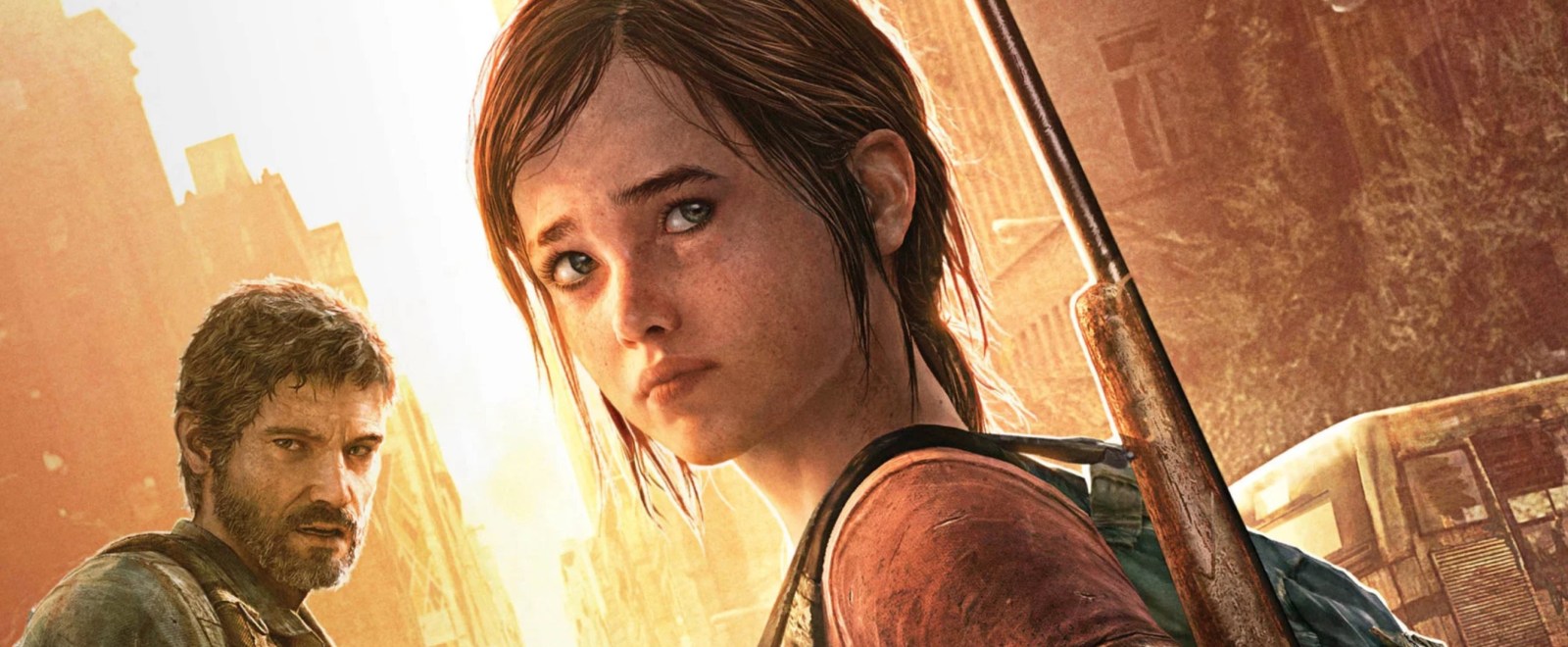
HBO has officially pressed “Play” on a live-action adaptation of the hit video game The Last of Us. News of its development was announced back in the spring, but HBO finally came through with a series order for the adaptation from Chernobyl creator Craig Mazin and Naughty Dog game developer Neil Druckmann. The Last of Us focuses on survivors Joel and Ellie as they navigate a post-apocalyptic America that’s been ravaged by a zombie pandemic.
“Craig and Neil are visionaries in a league of their own,” HBO Executive Vice President Francesca Orsi said in a statement. “With them at the helm alongside the incomparable Carolyn Strauss, this series is sure to resonate with both die-hard fans of ‘The Last of Us’ games and newcomers to this genre-defining saga. We’re delighted to partner with Naughty Dog, Word Games, Sony and PlayStation to adapt this epic, powerfully immersive story.”
While talks have centered solely on adapting the first game, its 2020 sequel The Last of Us: Part II was a critical and commercial hit, which should prove fertile ground for future seasons of the HBO zombie series.
Here’s the official synopsis:
Based on the critically acclaimed video game “The Last of Us,” developed by Naughty Dog exclusively for the PlayStation® platforms, the story takes place twenty years after modern civilization has been destroyed. Joel, a hardened survivor, is hired to smuggle Ellie, a 14-year-old girl, out of an oppressive quarantine zone. What starts as a small job soon becomes a brutal, heartbreaking journey, as they both must traverse across the U.S. and depend on each other for survival.
The Last of Us will also be available to stream on HBO Max.
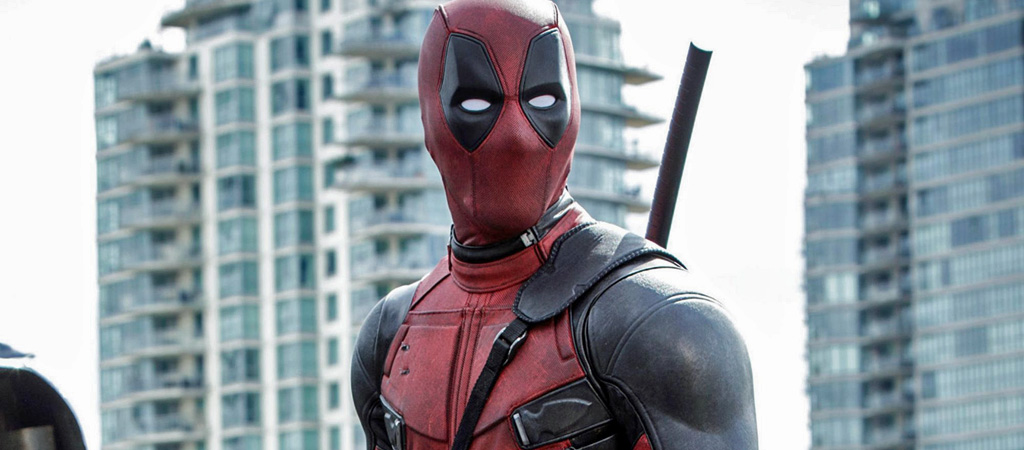
Lizzie and Wendy Molyneux have written many of the best episodes of Bob’s Burgers, including “An Indecent Thanksgiving Proposal,” “Boyz 4 Now,” and “O.T.: The Outside Toilet,” arguably the best episode of Bob’s Burgers. More shows should have episodes dedicated to a boy befriending a talking toilet voiced by Jon Hamm, I have always said this. That potty-mouth humor (sorry) will come in handy for Deadpool 3.
Deadline reports that the Molyneux sisters, who also created the upcoming The Great North animated series are writing the third Deadpool movie “with Reynolds set to reprise his role as wise-cracking superhero. Writer meetings have been taking place over the past month with Reynolds recently meeting with a handful of writers to hear their pitch for the next installment. In the end, the studio and Reynolds saw the sisters take as the perfect fit for what they wanted.” I like to imagine Reynolds heard “Oil Spill” and was like, “I got it!” This will be the first Deadpool movie since Disney acquired 20th Century Fox, and therefore, the first Deadpool movie to be overseen by Marvel Studios.
There is so many factors being worked out that include tone seeing that the previous two films were rated R and Disney’s Marvel films have been firm that they don’t want their films to have an R rating. It is also expected to have a new director since David Leitch, who helmed the second pic, has a schedule filled through 2021.
No one knows anything! But there better be at least one song, about toilets or otherwise.
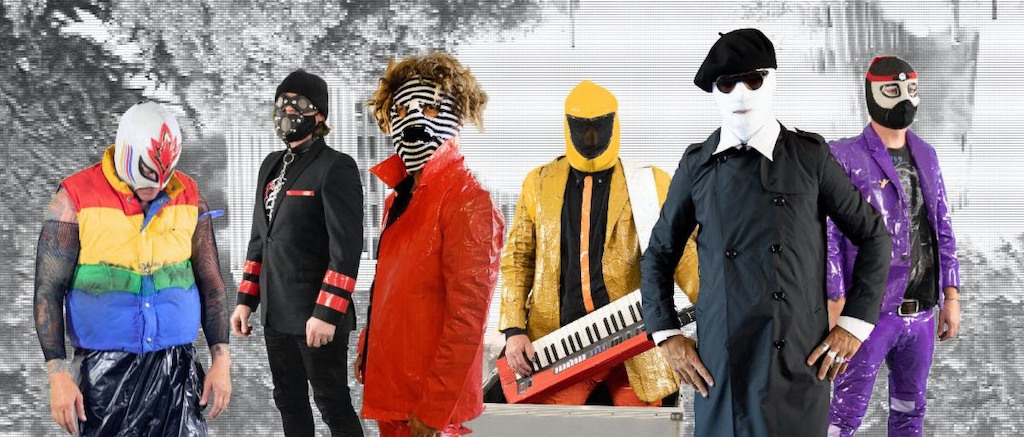
Perhaps the quirkiest chapter of Green Day’s history is The Network. For the unfamiliar, The Network was a secret side project that the band refused to officially acknowledge for years. The band released an album in 2003, Money Money 2020, the title of which makes today the perfect time for Green Day to revive the group. Now, that’s what they’re doing: The Network has released the Trans Am EP, which precedes a new album, Money Money 2020 Part II: Told Ya So!, out December 4.
The group shared an in-character statement about the album and what they’ve been up to, writing:
“The Network were formed in the year 2003, fulfilling an ancient prophecy predicting that we, its chosen members, would issue a stern warning to mankind in the form of music. Released as the album titled Money Money 2020, we shined the headlights upon the follies and vanity of mankind. Rapidly achieving fame and fortune, we had often been mistaken as the planet’s greatest rock ‘n’ roll band, Green Day. This earthly comparison is almost as comical as the humans that inhabit this dying planet!
A Time Machine & The Church of Lushotology…
After our mercurial rise and the foundation of the Church of Lushotology, we have seen riches beyond imagination, thus we abandoned the doldrums of stardom and focused our efforts on time travel and the salvation of things beyond the human grasp! Within our travels through both time and space we have seen the futures foretold in the prophecy, and it is both disastrous and hilarious! Beyond these interstellar crossroads lie parallel dimensions where the oxymorons can create their own destiny! Choose wisely, for the devolution of man has always been a choice. The release of Money Money 2020 Part II: Told Ya So! will serve as the final lesson! Within the binary codes of this album exist the keys to our past, present, and future DNA! The Gods are laughing & it’s up to you to prove them wrong… You’re welcome…
-The Network “
Green Day is keeping up the bit on social media is well. At the top of the month, Warner Records tweeted, “We are excited to welcome @wearethenetwork to our esteemed roster. It’s not everyday you have the honor of signing @greenday’s biggest nemesis,” to which Green Day responded, “WTF?!” The Network also staged a takeover of Green Day’s Twitter while declaring that they are definitely not Green Day.
All of us have friends or family members who struggle with the simple concept of knowing themselves. It’s a frustratingly difficult thing for all of us, to be reasonable about our own strengths and weaknesses as people and make decisions that reflect that in our lives. The same is true for those who make up the brain-trusts of NBA teams, and in some cases it can really bite them.
Think about how the Cleveland Cavaliers early in LeBron James’ career believed aging star big men were the answer when in actuality another elite perimeter player brought his game to another level in Miami. The Philadelphia 76ers struggled to build around their own talent for years in the interim between the Sam Hinkie era and the recent Daryl Morey hiring and subsequent overhaul of the roster this week. Even the Kevin Durant-era Thunder had an overly hard time acquiring wing shooters to surround him, Russell Westbrook, and Serge Ibaka.
As Luka Doncic heads into his third season and betting odds have him as a co-favorite for the 2021 NBA MVP, the Dallas Mavericks are wasting no time piecing together a roster that will maximize his talent right away. That has been true since Dallas made a gutsy move to acquire Kristaps Porzingis as he came off a significant knee injury, but it became even more clear this week, as the Mavericks made multiple moves that should allow Doncic to be even better than he was in a close-fought six-game series against the Clippers in the 2020 playoffs.
Despite Doncic’s brilliance in that series, the Mavericks often had players like Tim Hardaway Jr. or Seth Curry defending Kawhi Leonard and Paul George. Of course, you want to keep players like them around for their shooting, but Dallas this week decided to split the difference and find athletic wing players who can fit more of the Dorian Finney-Smith mold than the Hardaway/Curry mold. That should help them dramatically.
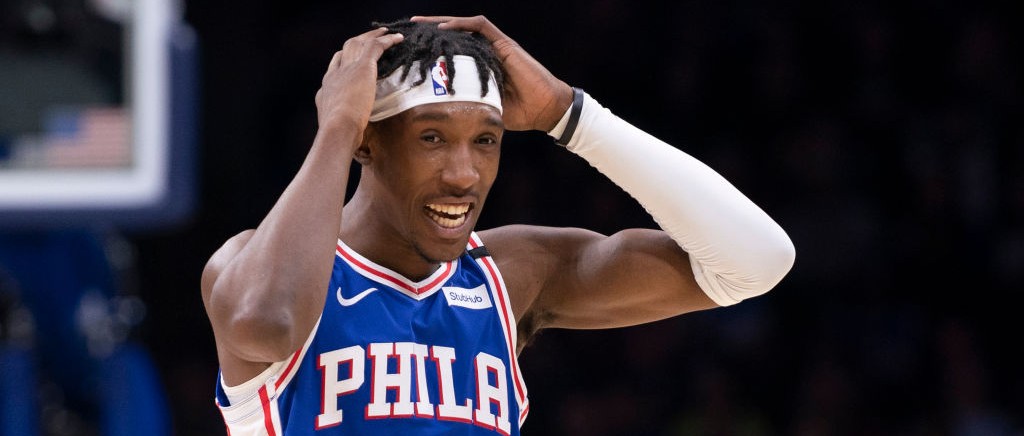
To start things off, Dallas drafted Josh Green, who is an absolute handful on defense and a great overall athlete (though he has significant questions on offense). The Mavs followed up by giving up Curry, one of the best shooters in basketball, for Josh Richardson, one of the best perimeter defenders in basketball, as well as the 36th overall pick. To fill the Curry role, they took internet darling Tyrell Terry of Stanford with the first pick of the second round. They drafted Colorado forward Tyler Bey at No. 36, seizing another elite athlete who has a chance to be a special defender.
All these guys may take a bit to develop, but they fill more necessary roles next to Doncic than the players they’ll replace. In the coming years, with Curry now gone and Hardaway in the final year of his contract, the roster will be more young, athletic, and big.
Getty Image
Not only were the Mavericks just 18th in defensive efficiency in 2019-20, Doncic was in the fifth percentile when it came to perimeter defensive lineup talent, according to BBall-Index’s player profile. Doncic also, like many do-it-all play-makers, often defended lesser players. Specifically, he defended “starter” level players most often, including 15 percent more than the league average, as opposed to “core” level players. Doncic most often defended secondary play-makers in the fourth tier of usage rate in the NBA. The problem was he didn’t have enough help.
The Mavericks did what they could to limit what Doncic had to do on defense so that he could anchor their historically great offense. Going into this offseason, it’s clear they trust Doncic to keep up that MVP level on offense but knew they had to do more to shift the balance of the roster toward defense. To do that, they went all in on wing defense on Draft night, and it will be interesting to see if they do the same in free agency.
In a vacuum, the players Dallas drafted would pose pretty big questions about how they stay on an NBA court. Just don’t forget about the Mavs’ cheat code. The presence of Doncic (and to a lesser extent Porzingis) means they have the luxury of playing defensive role players in a way few other teams can. As an example, Dallas was able to put Michael Kidd-Gilchrist on the floor in the playoffs and fell to a minus-14.3 net rating in his minutes, which while ugly was not the worst mark on the team, and came in a series Dallas lost fairly definitively in the end. Because of Doncic’s ability to create efficient offense for himself and others in nearly any context, Dallas is betting that it can veer further toward defense on the margins and still improve the team.
There’s also reason to believe Doncic can actually help the development of such players on offense. Finney-Smith went from a 31.1 percent three-point shooter in 2018-19 to a 37.6 percent three-point shooter last year in large part because of Doncic’s ability to set the table for him in the corner. Green and Bey have technical issues to work out, but when Doncic is serving up wide open shots all the time, it’s a lot easier than fitting into crummy Pac-12 offenses. It’s not just the rookies, either — Richardson should look far better as a role player on offense than when he was asked to handle the ball in Philadelphia and his turnovers jumped.
What began with an effort to reorganize the frontcourt with Porzingis, Dwight Powell, and Maxi Kleber — three versatile offensive screen-and-roll partners for Doncic — has now transitioned to a remodeling of the perimeter group. Head coach Rick Carlisle still loves multiple ball-handler lineups, which means Jalen Brunson and Trey Burke probably aren’t going anywhere, yet the roster will nevertheless strike a better balance.
Even if Porzingis misses games to the start of the year, as is expected, the Mavs are operating firmly with Doncic’s strengths and weaknesses in mind. By doing so, they are getting ahead in the project of building Dallas into a championship contender again.



 (@__RUGGS)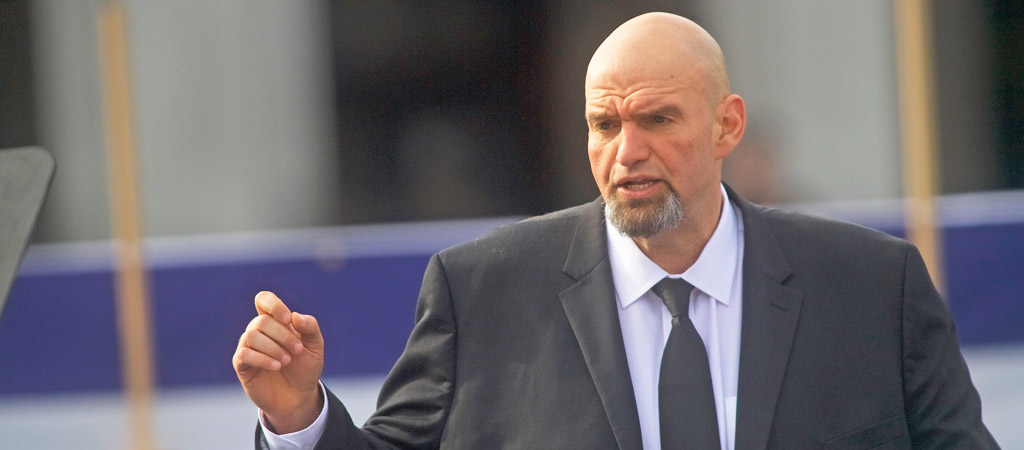


 FOR PA + EQUAL PROTECTION UNDER THE LAW for LGBTQIA+ community in PA.