Saweetie has had a busy 2020 so far. After finding herself at the center of some Harley Quinn-related uproar, she has dropped new music here and there. In March, she guested (as did Trina) on Mulatto’s remix of “B*tch From Da Souf,” which she followed by sampling Too Short on “Tap In” and dropping a homemade “Pretty B*tch Freestyle” video. Now she is closing out July by giving an assist to an up-and-comer: Saweetie joins Dallas rapper Tay Money on “Bussin 2.0.”
The new version of “Bussin,” from Tay’s 2019 album Hurricane Tay, sees both rappers flexing all over the track. On her verse, Saweetie boasts about her desirability and the success she has achieved at a young age, saying, “Pretty and thick so get what I want / He wanna know how I look in a thong,” and, “Fresh out of the college, making millions of dollars / That sh*t turn me into / A whole brand new b*tch.”
Tay, meanwhile, brags about her large posterior — “Ass busting out the frame / Ain’t nobody else in my lane” — and artistry — “They thought this was a gimmick / It’s too catchy to forget it.”
Saweetie isn’t the first big-time collaborator Tay has bagged, as DaBaby and YNW Melly both featured on Hurricane Tay.
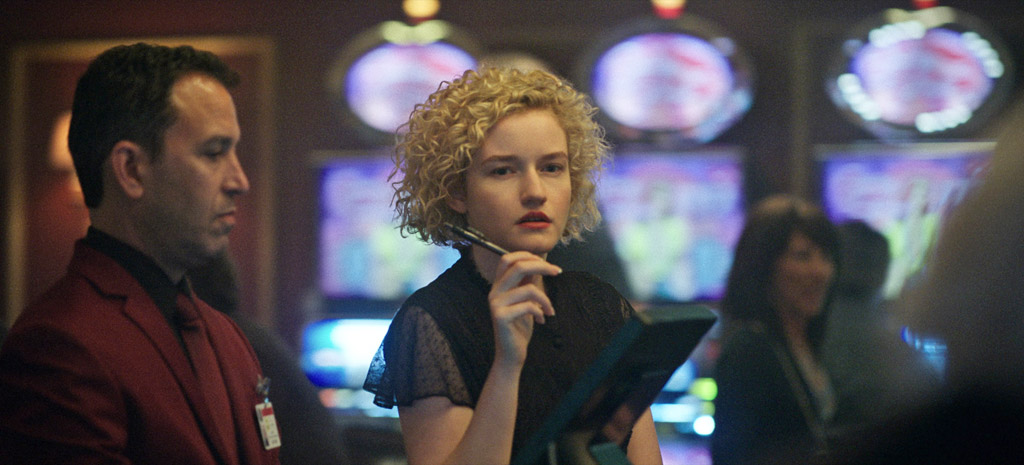
Your Netflix may have just been shortened considerably if you like to Sonic The Hedgehog your way through TV shows and movies with playback features that will let users control the speed with which their content is played. Playback features have long been available on audiobooks and some podcast apps, and even YouTube allows videos to be slowed down or sped up using similar features. But Netflix had held off until recently, when it appears to have added some features for one of its many ways to watch the service’s streaming properties.
According to The Verge, Netflix introduced new features for Android phone users who have the Netflix app, making good on a news item from back in 2019 about potential new playback speeds coming to the streaming service:
Netflix will allow anyone on an Android mobile device to stream at either 0.5x or 0.75x speeds for slowed-down viewing and 1.25x or 1.5x speeds for faster watching. Those are slightly fewer options than YouTube, which allows people to slow all the way down to 0.25x speeds, and speed up by twice the normal playback speed. Playback speed options are also available on downloaded titles that people have saved for offline viewing.
The Verge also quotes a Netflix spokesperson, who said the company has “been mindful of the concerns of some creators … It’s why we have capped the range of playback speeds and require members to vary the speed each time they watch something new — versus fixing their settings based on the last speed they used.”
There are a lot of caveats here, obviously, starting with the fact that it’s a mobile-only option for downloaded content. It’s also currently an Android-only feature, but it does prove that it’s possible and likely to become available on other platforms as the kinks get worked out. The feature reportedly rolls out starting tomorrow and will be available globally shortly after that, and Judd Apatow and Aaron Paul probably still won’t be thrilled with the news. It’s unclear how many people will use the technology, or even know that it’s possible, but for some who have longed to watch Ozark‘s slow burn play out a lot faster, they now have their chance.
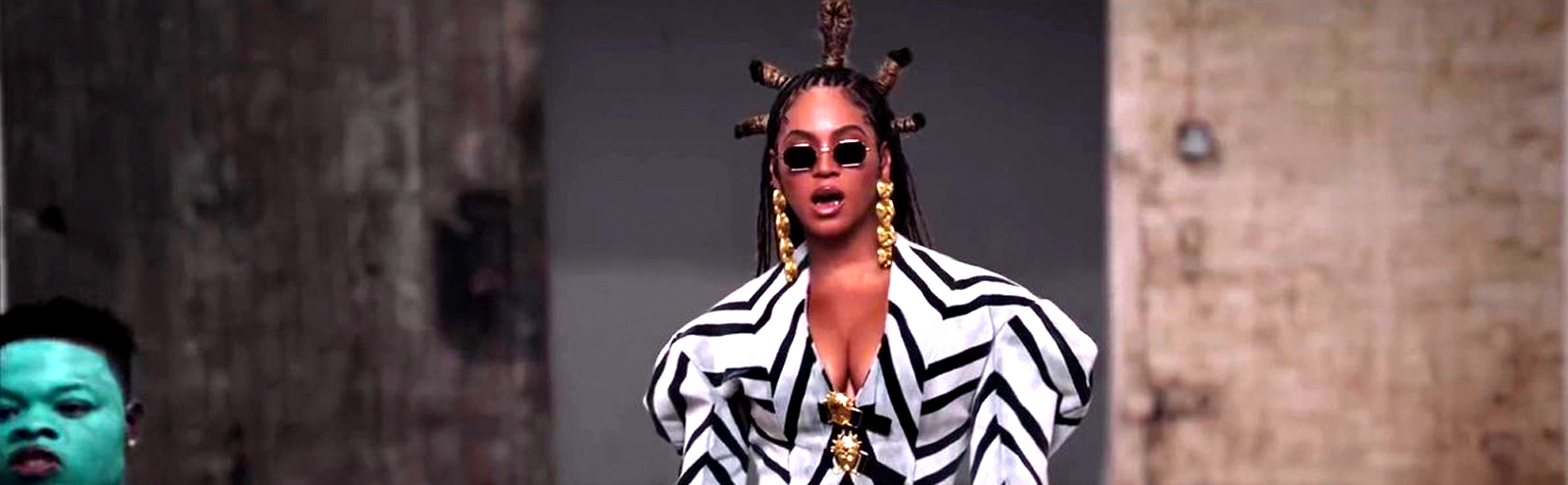
Beyonce’s highly-anticipated visual album Black Is King debuted on Disney+ in the wee hours of the morning today, bringing with it a deluge of praise and adulation for the Houston-bred star. The project, which was inspired and accompanied by the deluxe edition of Beyonce’s The Lion King: The Gift companion album, took about a year to complete. About three months of that was probably just spent on doing Beyonce’s hair.
Beyonce has previously had tremendous success with the visual album format, going all the way back to her 2007 release of B’Day Anthology Video Album, which contained 13 videos from her second album B’Day. She evolved the concept in 2017 with Lemonade, the first time all of the videos from one of her albums were presented altogether as a “film.” Black Is King follows this format, with the addition of a simple storyline paralleling that of The Lion King, thanks to choice quotes taken from the live-action remake of the Disney classic.
The film has a lot on its mind, combining stunning imagery shot on-location throughout the African continent with spoken word clips from poets, activists, and orators on the subject of Blackness and how it relates to a world that rarely embraces everything Blackness means. It contains cameos from Beyonce’s close family and friends, including her mother, her children, her husband Jay-Z, her former Destiny’s Child musical partner Kelly Rowland, and a plethora of collaborators from The Gift album, from African stars like Shatta Wale and Busiswa to contemporaries Pharrell Williams and Jessie Reyez (although it looks like not even Beyonce can get Kendrick to leave Manhattan Beach these days).
Here are five observations from Black Is King.
“Africa” Is More Of An Idea Than A Place In Black Is King
Ahead of the release of Black Is King, some observers voiced concerns that its imagery exploited and exoticized the many, many cultures and traditions of the continent, flattening them into a Wakanda-esque ideal. Watching the film, it was hard to shake that sense, as the scene jumped from country to country — there were shots of soccer stadiums in South Africa juxtaposed with Nigerian streets — without any sense that they were different places with disparate cultures and histories and complicated relationships, even with each other.
Without any words or throughline to contextualize the Pan-Africanism movement, seeing all these cultures mashed together to celebrate a supposed shared origin made it hard to take it seriously as a statement on the drive toward one united Africa. As a Black person in America, it can be difficult to struggle with the sense of disconnect from our culture and our history. I don’t know if that means we can gumbo together other folks’ unique and rich traditions and slather them on as a remedy for our stolen lineage.
However, it was wonderful to see the beauty and wonder of the Motherland, both natural and manmade. The camera highlights architecture, art, fashion, progress, and tradition, lingering on glorious panoramas of the windswept countryside and looking up at statues of prominent leaders. Beyonce highlights the wealth that the continent contains, shooting the “Mood 4 Eva” video in a palatial estate, and on “My Power,” shares her platform with female African artists who would otherwise be overlooked by the American mainstream and even patriarchal African societies.
Black Is King Connects Africa To Freedom And America To Bondage
Despite being shot in Africa, Black Is King has plenty to say about America. The speaking clips throughout the film directly address the plight of Black Americans, from toxic masculinity to the exhaustion of existing under oppressing stereotypes. A Black debutante ball, a tradition of the Southern United States, is highlighted in the clip for “Brown Skin Girl,” highlighting America’s fraught relationship with Black beauty.
It’s in these moments that Black Is King most effectively connects its messaging with its imagery. Black Americans often take inspiration from African heritage, even when the connection is hazy, wistful, or barely there, because it’s the one place we see our skin colors — which come is a very broad variety — hailed as beautiful, meaningful, or worthwhile. America has to be forced, coerced, and shamed into acknowledging us, while many traditions in Africa, so opposite to Westernized ideals, value the very things America demeans.
One voice in the film speaks to the narrow range of boxes or boundaries Black people can fit into in America. While the country is never explicitly mentioned, it’s easy to recognize in the rhetoric. By juxtaposing those words with the astonishing array of diversity — even within Africa and Black people specifically — Black Is King dismisses those boxes. There is so much more to us than that.
Beyonce Is The Highlight Of The Film
Let’s face it: Beyonce projects are, primarily, about Beyonce. That’s why we like them.
Pardon me while I diverge for a second, but… you know those articles about scientists putting together algorithms to discover the ideal human face? Listen, every time one of those things churns out anything that is not just Beyonce, throw all the research in the trash. Somebody forgot to carry the one or something. There was a glitch in the matrix. Beyonce is the ideal human. It’s truly unfair. Did her parents sacrifice a cat at midnight or something?
Anyway, Black Is King is at its best whenever Beyonce is doing something. For all my complaints about the form not quite serving the stated function, Beyonce herself is magnetic and engaging and charismatic anytime she’s on screen, which makes the few times she’s not the focus the only moments the energy seems to flag (more on this later). This includes the songs in which she’s just doing background vocals or something.
Beyonce puts her concerns at the forefront; this is essentially why Black Is King exists. Beyonce, like much of the country, has gone through something of an awakening in the past few years, searching for a connection back to the Motherland. While for me, it may seem clunky (I had that moment well over 20 years ago and remember it as something of a cringe point in my life), it’s meaningful to her and to her legions of fans, as are the characters she stocks the film with: her husband, her daughter, her mother. Everything revolves around Beyonce; this is her universe and Black Is King is her way of inviting us in — and keeping us at a safe distance, as she has done on prior projects.
The Film Is A Celebration Of Blackness
The foundation of the film, truly, is a celebration of something that it often feels isn’t celebrated enough. The timing of its release seems critical, maybe even coincidental, but really, it would have been regardless of when it was released. All across the globe, darker-skinned people suffer terrible discrimination and oppression. That’s why there were Black Lives Matter protests in places like the UK, in the Middle East, and even in Africa. Being Black is being condemned to second-class treatment the world over, for no reason other than the color of your skin, the shape of your nose, the size of lips, or the curls of your hair.
Which is why Black Is King occupies itself primarily with the power of Black bodies in motion, of Black expressions of joy and resilience and everyday labor. There are closeups of Black folks looking austere and of them smiling. Beyonce flexes and struts through the videos for “My Power” and “Find Your Way Back” (which may be singlehandedly keeping the Swarovski company in business), looking glamorous and detached and ferocious. Black people are used as a human chess set, probably my favorite shot in the whole thing. There’s a Black synchronized swimming team, which checks so many “you don’t see that every day” boxes and contains so many layers of meaning, I could write an entirely separate essay on it.
There’s even a nod to the Biblical story of Moses, which feels like it’s at odds with literally everything else the film is trying to say, but makes sense because of how closely tied to Black identity the Christian religion is. The film is about Black families (I can’t tell if Jay-Z is a hostage or having the time of his life, but I suspect that’s the realest depiction of fatherhood there could be) living their lives, from the capitalistic abandon of The Carters to the simple day-to-day of the average citizen of Lagos or Johannesburg.
The Lion King Connection Waters Down The Film’s Impact
Remember how I said the weakest parts of the film are the ones where Beyonce isn’t in them?
There ultimately had to be a tie-in. This thing lives on Disney+, it’s based on an album Disney probably helped pay for to promote the live-action remake of its award-winning, nostalgia-inducing movie, which also happens to star Beyonce in a role as its main character’s mother.
It was a valiant effort, but its muddled messaging (are we supposed to forego city life to return to huts in the wilderness?), sort of mediocre acting, and rote familiarity make the 90-minute runtime seem to drag. Thematically, it doesn’t really tie the videos together, leaving the sense that they’d have worked just fine as a typical anthology, a la Lemonade.
We have already sat through the story of Simba, Mufasa, Nala, and Scar twice since the ‘90s, with the remake changing the setting to make it a little more realistic. Black Is King goes a step further in anthropomorphizing its main characters, making them human and placing them in a bizarre, abstract re-telling of the narrative in fast forward, skipping ahead in great swaths that force the major plot points between the music videos we actually came to see.
With the huge trend in re-releasing albums as deluxe versions resulting in this very film, hopefully we can see the same trick work in reverse, with a pared-down version of the film minus the hacky subplot. That, I would stay up late for all over again.
Former TCU guard Desmond Bane is a top-20 prospect in this class and one that hardly receives such recognition from mainstream consensus. Whether that’s a product of NBA front offices stealthily posturing to snag him as a value pick in the second round or simply a blind spot in evaluation is unknown. Regardless, him sitting outside the top-30 on both ESPN’s and The Athletic‘s mock drafts, which incorporate intel from the league, suggests he’s a hidden commodity who’s going to provide surplus return on investment.
Across four seasons at TCU, Bane, the best shooter in the draft, nailed 43.3 percent of his 575 three-pointers and netted 80.4 percent of his free throws. This past season, he converted 44.2 percent of his 208 triples, showcasing shot diversity with deep pull-ups/spot-ups, off-balance jumpers, and well-contested looks, and was adept seamlessly decelerating from full sprint to shot.
His versatility allows for the option to slot him on or off the ball and affords teams lineup flexibility. He’s not solely boxed into an off-ball role, having developed and flashed a solid handle in recent years. But given the fact he’s slated to be a second-round pick, it’s unlikely any team entrusts him with significant on-ball reps, at least early on in his career.
This doesn’t mean he shouldn’t command usage or is unworthy of scheming any actions around his talents. Outside of the raw volume and efficiency beyond the arc, Bane is the top shooter in this class because of his off-ball craft. He’s a master of reading and manipulating screens to create space — cognizant of when to curl or flare — utilizing hesitations, constant changes of pace, subtle push-offs, and navigating via tight angles around picks. Watch Bane for a possession while he operates off of the ball and he’s likely to exhaust you as you aim to track his unrelenting movement.
Once the 22-year-old does spring free, his concise shot preparation, underscored by streamlined footwork and an easygoing release, render him a proficient off-movement shooter. As a senior, he ranked in the 62nd percentile off screens, which, honestly, might undersell his off-movement ability and NBA potential.
Beyond scripted sets, Bane regularly displays heady instincts as a relocation shooter and off-ball maestro. Whether it’s filling to an empty corner following a drive-and-kick sequence, simply drifting around the perimeter to simplify passing windows, or migrating from inside the arc to behind the arc when he spots an opening, he consistently generates shots to maintain value without the ball in his hands. It’s not just looks for himself, either. Bane can launch after a relocation or attack to create for others if the closeout eliminates his own shot attempt.
This is the type of stuff that makes high-level off-ball scorers so valuable. Bane manufactures advantages without blazing speed or overwhelming length in an on-ball role. He wields a certain amount of guile and intelligence that is rare to find in secondary wings. The effect of his elite shooting gravity is amplified when paired with such IQ and awareness. Off-ball creation is a legitimate concept and trait, one through which Bane excels. Assists can belie how a sequence played out; at times the assisted player labored to get open or enabled an easy pass to happen, a frequent occurrence in Bane’s scoring toolkit. He is someone who will tilt defenses in distinct ways to simplify offense for himself or others and serve as a means of efficient possessions when actions cater toward his elite skills.
Bane doesn’t mandate deployment solely via off-ball responsibilities. He boasts genuine aptitude as a complementary initiator, owning the handling chops to facilitate possessions through when an offensive engine is resting or being utilized in other fashions. As a pull-up shooter, he ranked in the 92nd percentile this past year and was in the 76th percentile in pick-and-rolls (85th percentile including passes). He’ll trigger step-backs or gumption-laden pull-ups; skip passes to the left corner and lofting it inside to the roller are his forte, though he’s capable of hitting the right corner on occasion as well.
Despite poor burst and body flexibility as a driver and standstill creator — at this stage, he just can’t turn the corner in half-court settings often enough — Bane bends defenses and manufactures space using hesitations, jab-steps and other crafty footwork maneuvers. He marches to his own rhythm in ball-screen actions and occupies important spots on the floor that command the attention of help defenders. From there, he can leverage that gravity into live dribble skip passes and feeds to the roller or saunter into step-back jumpers. Some of the kick-outs seem like learned reads and he has a tendency to miss weak-side shooters in the right corner, but he’s someone teams should portion on-ball opportunities for from time to time.
What restricts him from being a high-level initiator, outside of the aforementioned lack of explosiveness, is his proclivity for ending his dribble when the primary or secondary option is unavailable. Far too often, Bane will not have the roller or weak-side shooter available and he’ll pick up his dribble, pivoting around for a release valve, stalling possessions or turning it over. Pair that with ball-handling that needs improvement to be a functional weapon for consistent advantage creation and he projects best as a complementary guard who toggles on and off the ball, primarily deriving value from his versatile shooting.
The intelligence, awareness, and constant motion that define much of Bane’s offensive skill package translates to his defense as well. He’s at his best off the ball, rotating to help deter drives or draw charges and contesting shots at the rim or on the perimeter. Off-ball positioning is one of his greatest defensive strengths. He readies himself to play between two shooters on the weak-side, stunts to dissuade big men from hoisting on pick-and-pops, shifts down to the interior as a helper, and promptly recovers back to his own man after completing team defense responsibilities, all of which are habits that contribute to his 2.5 percent steal rate from the past season.
Whether it be losing shooters or cutters, ball-watching lapses surface a bit more frequently than you’d like. But IQ and an active motor coalesce to yield a positively impactful defender. His functional strength and 6’6 frame also permit him to play up at times, and he’s held his own defending post-ups against switches. While he lacks the lateral agility to contain a quicker, twitchier ball-handler, he applies his strength well to close down driving lanes. Considering he’s unlikely to act as anyone’s primary on-ball guard stopper, Bane should fare well versus his assignments and ensure he’s not someone to be exploited or who lesser talents find success against.
For any team, its offensive vision and success commences with a centerpiece. Every franchise, regardless of how creative and ingenious a scheme is, needs a primary initiator. The Dallas Mavericks have Luka Doncic. The Houston Rockets have James Harden. The Los Angeles Lakers have LeBron James. Elite offense stems from an on-ball creator who lays the foundation and shapes the personnel around him.
But there are a finite amount of guys who deserve such gaudy usage as a lead ball-handler. You need supplementary players whose value rests in their ability to thrive without the ball or in quick decision-making scenarios and how well they elevate the cornerstone pieces. Kyle Lowry has helped keep the Toronto Raptors humming for years because of how he excels in this role. Khris Middleton is in the midst of a career season with the Milwaukee Bucks because of his fit next to Giannis Antetokounmpo.
While not in the same tier as those off-ball stars, Bane resembles a similar mold. He’s a technician reading picks and toying with defenders to get open, is an elite off-movement shooter, and has textbook footwork, with that last skill serving as arguably the nucleus of this long-range prowess. Advantage creation is traditionally associated with what you do with the ball in your hands, and justifiably so. But Bane, with his screen manipulation, threatens opponents as an off-ball scorer and forces team defense rotations he can capitalize upon, whether it be as a scorer or facilitator.
As a secondary handler, he’ll deliver equity in pick-and-rolls, beating drop coverage with pull-up jumpers and spraying passes to shooters or rollers when saddled with on-ball possessions. His defensive competence, particularly off the ball, means he’ll be playable in high-leverage postseason games; his functional strength reduces the likelihood of teams finding success if they target him on the ball.
Desmond Bane checks an assortment of important boxes for a complementary guard and his skill-set is conducive to impactful basketball. It remains confusing why he hasn’t entered the first-round conversation. He’s a top-20 prospect who will seemingly last until the second round and might deliver lottery value in this class. A clever, versatile shooter with tertiary distributing tools and defensive faculty, Bane feels like a confident bet to outplay his draft slot. There is no reason he shouldn’t mandate a top-30 pick.
St. Petersburg, Florida trap crooner Rod Wave is experiencing a breakout year after the release of his April album, Pray 4 Love. The album debuted at No. 2 on the Billboard 200, giving the emerging star an enviable boost in recognition. He continues to capitalize on that newfound attention, releasing videos for numerous album standouts like “F*ck The World,” “Girl Of My Dreams,” and “Though The Wire.”
Today, he continued that streak with the release of a new video, “Freestyle.” Adopting a straightforward approach over a soft piano melody and scintillating drums, Rod rap-sings reflectively about his come-up. “Tried to tell my momma she don’t gotta work no job,” he reminisces. “But she the one who taught her baby boy to hustle hard / Said, ‘Don’t you never put your trust in men, believe in God’ / Say it’s some sh*t from way back in the day that left her scarred.”
“Freestyle” is the first single from the upcoming deluxe edition of Pray 4 Love, which contains 11 new tracks, including appearances from Lil Baby and Yo Gotti, reflecting the young rapper’s rising profile. The deluxe edition is expected to drop August 7.
Watch Rod Wave’s ‘Freestyle’ video above.
Pray 4 Love deluxe edition is due 8/7 via Alamo Records.
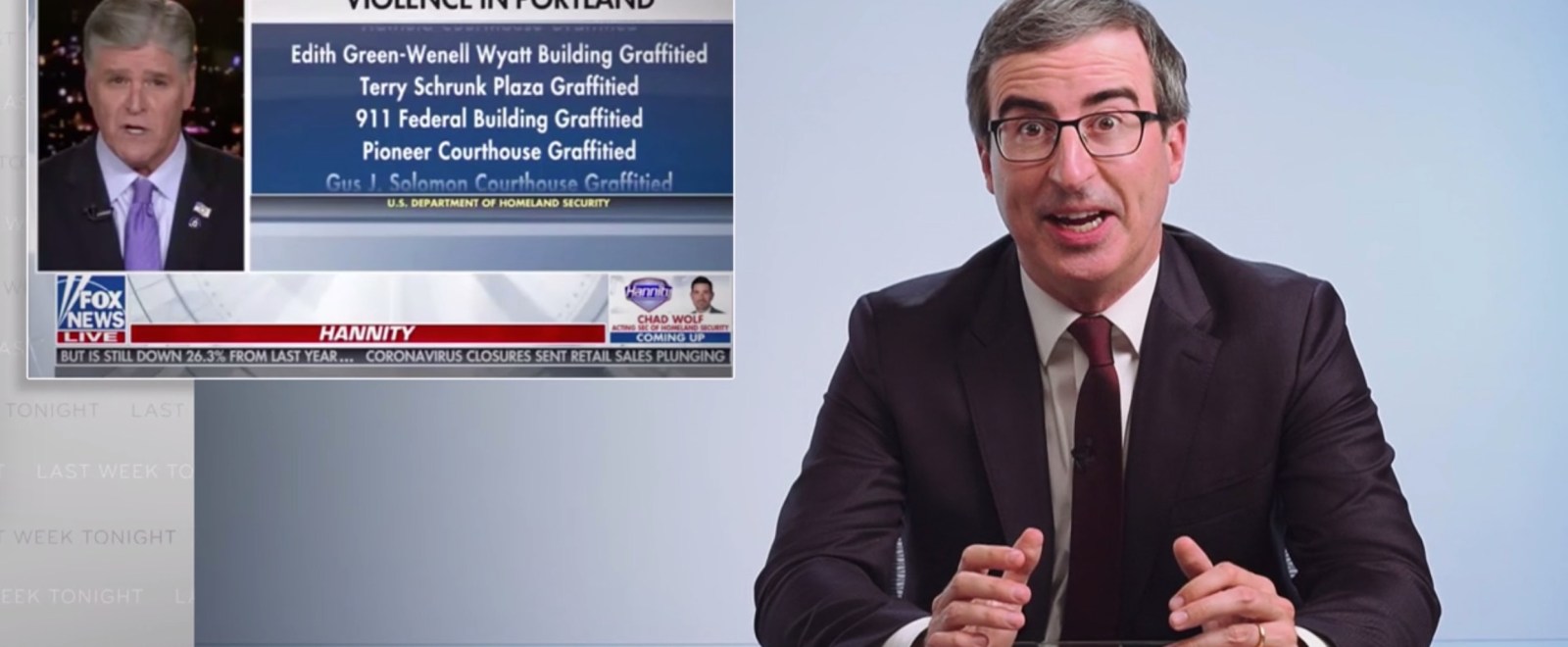
In Sunday’s episode of Emmy-nominated seriesLast Week Tonight, host John Oliver condemned Fox News for the way the “news” channel has been covering the Portland protests. In response to Sean Hannity calling the “VIOLENCE IN PORTLAND,” as an overstated graphic read, “insane,” Oliver fired back, “Yeah, it is insane — because that tone does not honestly reflect the conditions on the ground. That ‘fire-bombing,’ for instance, seems to be a reference to either a firework or a small fire that was set, which is significantly less dramatic than he’s trying to make it sound. And that rolling list next to Hannity’s head is mostly graffiti! In fact, graffiti is listed 12 times in a row there under the headline ‘VIOLENCE IN PORTLAND,’ which is a huge overstatement.”
Hannity has since responded to Oliver’s criticisms, even if he doesn’t “live my life too concerned about what John Oliver thinks.” The Fox News personality was a guest on SiriusXM’s Jim Norton & Sam Roberts radio show, where he said, “Well, John Oliver, number one, he’s got a couple of problems. His big problem is, he’s not funny. If you’re funny, I don’t care what you say.” I mean, Peabody Award-winning Last Week Tonight is no canceled-after-one-season The 1/2 Hour News Hour, but it’s pretty good.
“I don’t spend a lot of time watching comments that people make about me because I actually have a life and have better things to do. If I want to feel bad, I could always Google my name and then find out that I’m the second coming of the devil… I don’t really expect John Oliver to know facts or truths, and I’m sure he’ll selectively pick out ‘well, these are the peaceful protestors,’ and ignore the rocks, the bottles, the bricks, the Molotov cocktails, the gunshots, the fireworks, and everything else being hurled at officers around the country.”
In case you’re wondering: a new Last Week Tonight airs this Sunday.
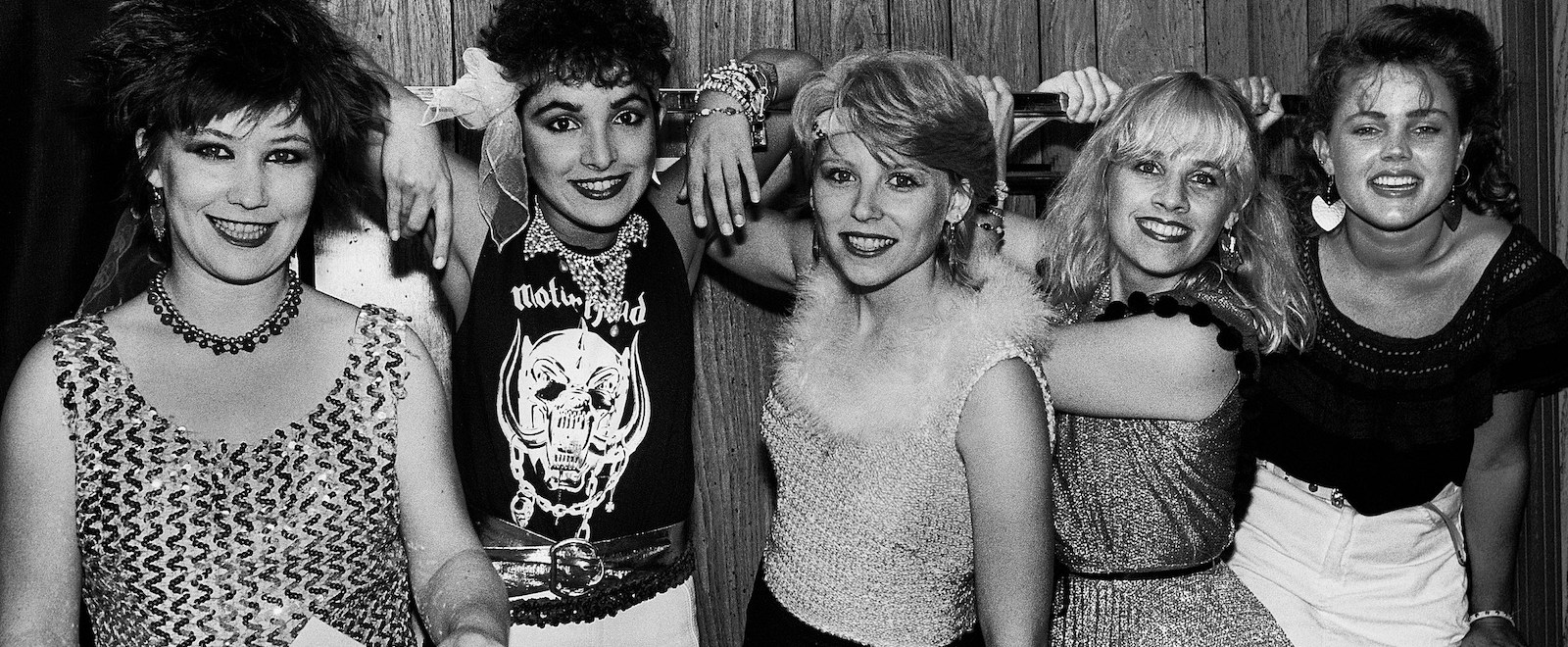
When you watch Alison Ellwood’s new documentary,The Go-Go’s (which premieres Friday on Showtime), it’s startling how, let’s say, fraught, at times, the relationship is between the five core members. Especially when The Go-Go’s are known for music that make a person just feel good. But as Ellwood’s documentary explores, The Go-Go’s were the first all-female band who wrote their own music and played their own instruments to have a number one album. But with that, like with any other band, came professional jealousy (in other words, who was making the most money, and that answer might surprise you) and came drug addiction that split the band up at the height of their fame.
Ahead, Ellwood explains why it was important to make a film about these five women – Belinda Carlisle, Jane Wiedlin, Charlotte Caffey, Gina Schock, Kathy Valentine – and why it’s a travesty they haven’t been inducted into the Rock & Roll Hall of Fame.
Why did you want to do a Go-Go’s movie? It is interesting this extremely successful band, all of a sudden, just went away.
Well, that’s the fascinating part of the story, right? That’s what it’s about. I mean artists are, by nature, very volatile, I think. But my relationship prior to that, I was a fan of the music, loved the music. But yeah, they kind of disappeared for a while. They actually approached me to make the film.
Oh really?
They had seen some of my work. And I was thrilled because I have always been a fan. When I started this before I started researching, I really didn’t know that they were so deeply rooted in the punk scene in LA. I just always assumed they were this very hip pop band from LA.
Were you surprised how, what’s a good word, fraught their relationship is on and off over the years?
I mean, they would describe their relationship as a marriage with five people. And it’s very hard to maintain a marriage with two people, much less five people. And they’re like sisters who squabble. They’re like a family, they really are. And I think there’s been some healing because of the film because they said some things that ended up in the film. And they’ve discussed it because they had a way of not confronting and dealing with stuff when it was happening, like a lot of people do. It’s not so unusual when people tend to avoid confrontation, but they really avoided it and avoided dealing with stuff as a result.
Did you know about the drug use? Or did that come as a shock to you?
I mean, I knew about it. I didn’t know the degree to which Charlotte was hiding such a serious addiction. That I learned in the process of researching. By the time I sat her down to interview her, I knew all about it, and she was very forthcoming about it. She has always been actually, because she really wants to share to let people know that there’s a way out, because it was really scary what she went through. But it was the ’80s. I knew everybody was doing drugs, so that part didn’t surprise me.
You interview Margot Olavarria, who left the band right before they got immensely popular. Was she hesitant to talk?
Yeah. She was very reticent to talk. And I went out and had dinner with her in New York, and we had a really nice long talk. And I think she was super nervous about it, but I said it’s important for her to tell her part of the story. And I think she comes off really well in the film. I love that scene where she runs into Charlotte in New York and knows what she’s up to because the others were sort of ignoring it. And she’s like, “I know what she’s doing.” It’s pretty intense.
Was there anything else that shocked you as much as that?
There’s a story that didn’t make it in the film about how they trashed their dressing room once. And they felt so badly that someone else was going to have to come in and clean it up that they cleaned it up themselves. And their road manager said, “You girls aren’t Motley Crue.” And that was a hard moment to cut out of the film because it was such a great story, but we had to get it to time. There were too many funny stories. But I think that moment and they have such heart, they genuinely do. They’re good people.
I’m assuming this is your point of view because the film brings it up a few times, that it’s a travesty they’re not in the Rock & Roll Hall of Fame. When I spoke to Kathy she was pretty diplomatic about it, but I’m guessing you don’t have to be diplomatic about it.
To be totally honest with you, in the film, I was completely prepared in October to cut those moments. There are four moments, one in the middle where Belinda makes a crack complaining about the Rolling Stone cover with why they didn’t get into the Rock & Roll Hall of Fame. And then the three comments at the end, in October, I was completely prepared to pull those because I was sure they’d be inducted this year. I was shocked when they weren’t. So we kept it in. I think people have just forgotten, to be honest. I think that they just haven’t been on the radar, and I hope this film helps put them back in the spotlight where they should be.
Why did you think this might have been the year?
I just think with the Me Too Movement, the awareness of women, I just thought maybe. And plus, I think it’s overdue. So I thought that that might’ve helped push it a little bit, but guess not. So hopefully, next year. And they try to downplay it, that it doesn’t matter to them, but I know it does. They should be there.
You said maybe people have forgotten, but I hear their songs all the time still just in daily life.
I know. I hear them all the time. But you know what I hope also happens? I hope that people discover some of the other songs that weren’t necessarily the biggest hits, but are such amazing songs. I mean, they have a lot of songs. In the three main albums that they did before they split up, those are really good songs. There’s beautiful music in there. And the lyrics, there’s less subterfuge in the lyrics because it all sounds very bubbly, but it’s subtext. There’s something boiling under there. And I hope people really come to appreciate all the other songs because you really hear the three main ones. You hear “We Got the Beat,” “Our Lips are Sealed,” and “Vacation.” Those are the ones you hear in the grocery store. You don’t hear “This Town,” and that’s a great song.
Despite recent moments of controversy, Doja Cat knows how to craft an alter ego. The singer has adopted a recognizable aesthetic: pink accessories, e-girl makeup, and, of course, her signature cat ears. But there’s more that goes into Doja’s persona than her looks alone, and the singer thinks focusing too much on her style can lead to her talent being overlooked.
Doja recently teamed up with Vevo for the mini-documentary titled The Tale Of Becoming Doja Cat. Throughout the 5-minute profile, Doja explains all that goes into creating her character. Speaking about her artistic aesthetic, the singer said her racy outfits can lead to people discrediting her creativity and intellect:
“I think if you’re sexy or if you show a great amount of skin, people will use that against you. Sometimes the way I dress or the way I talk, people think that I’m not as smart as I am or as creative as I am. I’ve always used what I’ve had, as far as my Instagram or my livestream or my Macbook or my phone or my keyboard or my looks. I use what I have. And I feel like I get discredited because of that. As Doja Cat, I want to change people’s minds about what rap or pop music can be. I’m never going to do the same thing every day, so whatever box people want to put me in, I’m always going to break out of that.”
Elsewhere in the mini-doc, the singer said she finds herself most creative when she fosters a “stir-crazy” environment for herself. “I’ve had moments in my life where I really felt crazy: being alone, being reclusive, and locking myself away,” Doja said. “Those are my most creative times. I like to drive myself to be stir crazy and restless. I like the feeling of feeling like Beethoven a little bit, and being stuck in one isolated spot. That feeling of being up and that drunken feeling of being tired and not having anything to do, it makes me want to work and it makes me to make music for some reason.”
Following allegations of a toxic workplace environment at The Ellen DeGeneres Show, WarnerMedia launched an internal investigation into accusations that managers and producers had created an environment rife with intimidation, mistreatment, and racism. On Thursday, DeGeneres issued an apology to her staff, to whom she accepted blame for losing touch on what was happening behind the scenes, especially regarding the allegations made against some producers.
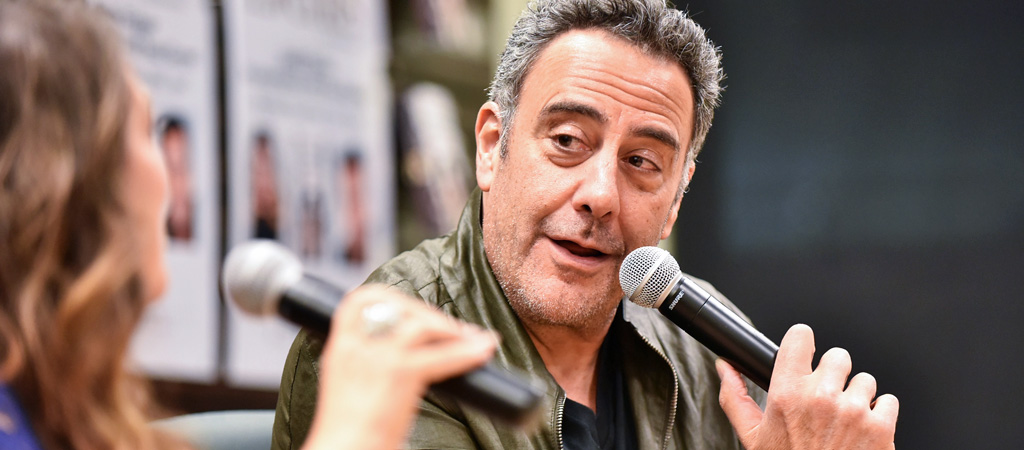
However, one person isn’t buying DeGeneres’ apology. In a blunt statement on Twitter, Everybody Loves Raymond star Brad Garrett didn’t mince words on who he believes is to blame for the toxic environment.
“Sorry but it comes from the top @TheEllenShow,” Garrett wrote. “Know more than one who were treated horribly by her. Common knowledge.”
Sorry but it comes from the top @TheEllenShow Know more than one who were treated horribly by her. Common knowledge. DeGeneres Sends Emotional Apology to Staff – Variety https://t.co/D0uxOgyyre
Garrett’s tweet also arrived on the heels of another damning report for the beleaguered talk show. Also on Thursday, BuzzFeed News published an expose on “rampant sexual misconduct,” citing dozens of former Ellen employees. While the accusations include a new list of writers and producers mistreating employees, the report also includes producer Ed Glavin, who was reportedly fired in the lead-up to DeGeneres apology:
In all, 47 former employees who spoke to BuzzFeed News said Glavin led with intimidation and fear on a daily basis. One former employee said when they turned in their notice, Glavin flipped over a table and chair while screaming.
Five former employees also said they saw Glavin use a button at his desk to remotely shut his office door “as an intimidation tactic” during reprimands. “It seemed like a power move, more than anything,” one former employee said. Ex-workers also said they were uncomfortable when Glavin used his private shower in his office bathroom.
As the reports of toxicity behind the scenes at Ellen began to mount, Glavin’s name has been consistently named in accusations. However, and despite her apology, DeGeneres’ time under the microscope doesn’t appear to be ending anytime soon.
If you were to construct the ideal basketball player for the modern era, you’d start with that coveted combination of size and agility. You’d want someone who can dribble, pass, shoot, and defend multiple positions. You’d want someone who prioritizes teamwork, who is selfless nearly to a fault, yet capable of taking over and dominating when necessary.
Many players are blessed with physical gifts. Few are able to develop the tool-set required to transcend their natural ability. Fewer still realize that — like so many evolutionary outliers — one of the early prototypes for what we’ve come to consider the contemporary stretch-four was a product of chance and circumstance.
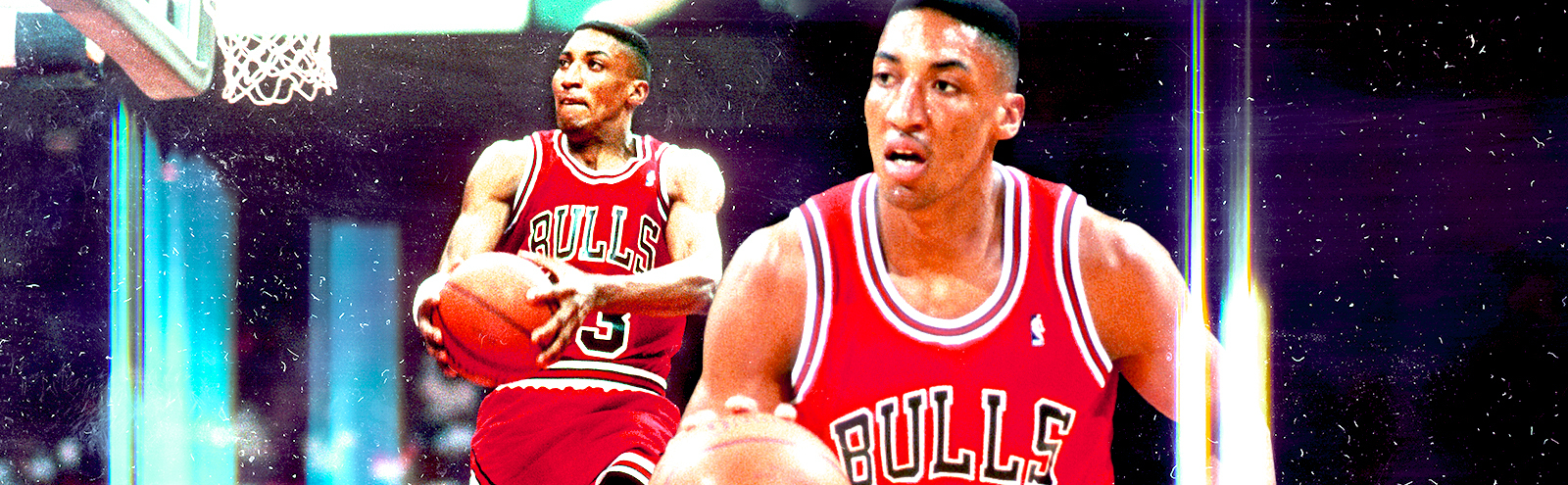
Scottie Pippen, legendary Bulls icon and arguably one of the greatest players of all time, started his basketball career as a 6’1 point guard at the University of Central Arkansas. Pippen arrived in Conway equipped with the type of speed, ball-handling, and court vision that endeared him to the coaching staff and earned him a spot as a walk-on. But beyond that, his prospects were mostly unremarkable.
That is, until a fortuitous growth spurt changed the trajectory of his life and career. Pippen grew seven inches over the course of a single summer, and armed with the point guard skills he’d been honing in obscurity, went on to become a standard bearer for future generations of do-it-all, multi-positional wing players.
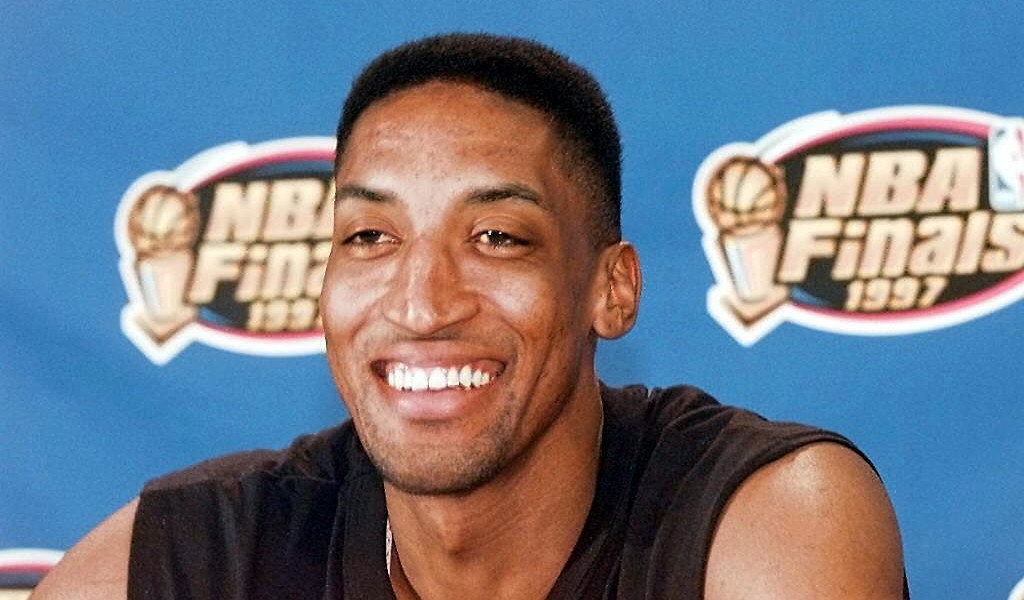
His resume is unimpeachable. Alongside Michael Jordan, Pippen comprised one of the best duos in basketball history, winning six titles in the 90s and, in the process, cementing his status as one of the all-time greats. We recently caught up with Pippen this week to talk about the NBA’s return, the toughest player he ever had to guard, his second career as a basketball commentator, and much more.
Tell us about this promotion you’re doing with Michelob to get us started.
Yeah, sure. First of all, I’m a huge fan of Michelob Ultra, and I was very excited to hear that Michelob Ultra is the official beer of the NBA now. So that was just announced. And they’re going to be bringing some joy to the fans for the return of the NBA, which is why they announced “Michelob Ultra Courtside.” It’s a digital experience that’s virtual; it brings fans inside the arena. More than 300 fans each game will be invited to appear live on screen surrounding the court, which will be seen by the players and on television. And fans can also virtually interact with one another during the game.
I was wondering how they were going to do that. That’s interesting to see how they’re going to work the fans into the mix.
We’re bringing the in-arena experience to your living room…or basement…or wherever you watch the games. Follow us to learn how you can win #ULTRACourtside virtual seats for the biggest @NBA games of the season. pic.twitter.com/rgyjoKVKym
It’s been more than four months since just about everything went on hiatus, but basketball is finally back. How have you been keeping your sanity during all this?
Well, I’m having a lot of fun. I’ve got three boys at home with me, so we’ve been training really hard. My oldest son, 19, he was a starting point guard at Vanderbilt last year. So we’ve been training for him to get back to normal life this season. And I got a 17-year-old going into his senior year. And I got a 15-year-old. He’s going to be a freshman. So we’ve just been at home preparing and trying to stay safe as much [as possible]. And just trying to stay busy. It’s been strange, obviously, with no sports on TV. But my kids have been able to manage playing a lot of video games and working out and getting outside, shooting some hoops. So it’s been pretty productive for us.
I’m always curious what it’s like for a player of your caliber who has children who also play basketball. That must create kind of a unique bonding experience. Are they impressed by your accomplishments, or are you just kind of dad to them at this point?
Well, they didn’t really have a chance to watch my career. But I think they’re impressed by my career. And if nothing else, I think having a chance to sit at home these last few months and watch the documentary helped to kind of give them an opportunity to relive my career. But for the most, I’m really just dad to them.
You’ve been on ESPN for a few years now and have kind of settled into a nice second career as a commentator. I was wondering, do you watch the game any differently now than when you were a player?
I mean, I watch it the same way. When I played the game, I kind of was more of a floor general. Very vocal, a leader out on the floor. So, I kind of see the game the same way. I’m a guy that anticipates what’s going to happen. I see plays, see the execution and things of that nature. I look at it from both sides. From the offensive side, as well as from the defensive side.
You’ve been a regular on The Jump for a while now, obviously one of the most popular NBA shows. I feel like it’s kind of distinguished itself from other sports shows in that the conversations are a little more calm, more rational discussions about hoops, more focused on what makes the league entertaining, as opposed to firing off hot takes about everything. How intentional is that? Or, what goes into maintaining that ethos?
Getty Image
Well, I mean, I would give credit probably to the producers and Rachel [Nichols]. But our show is mostly players that have played the game. And so we’re not the normal analyst who’s going to go at people…wanting to take a shot at a player because they didn’t get their chance to go play. I think players that have been in the moment or have been in the game have a better understanding, a bit more respect for what’s going on inside the game and how players handle themselves. Each situation is handled differently. You don’t have to do the same thing in each situation regarding the game, whether it’s your leadership or a decision that you make on the basketball court.
Today, we tend to talk about you as sort of an ideal player for the modern NBA, someone at your size who can shoot, pass, dribble, defend, etc. But it seems like some of it happened by chance. After developing all those point guard skills, you had a late growth spurt in college that ended up sort of defining who you became as a player and how your career turned out.
I think it has everything to do with who I became as a player. Being a kid that was 6’2, 6’3, I didn’t get a lot of respect. I had all the skills that I had, but when you put height, size, length, however you want to say it, with a person with skills, now you’re creating a whole different monster. That’s really what I was able to take away from my growth spurt is that I became real long, real range-y. It just helped me offensively. But more so, it built my confidence to the point where I felt like that I could pretty much play any position, but not only that, I could guard any position.
Talking about guarding, you’re easily one of the best defenders of all time. I wanted to ask you…obviously you have to have the physical gifts we just talked about — the length, the reach and all that. But if you had to put your finger on it, what’s that extra thing that you and other elite defenders, say, like Tony Allen or Kawhi, those types of guys, what is the mentality that separates you from everyone else?
I think we all sort of strive for the same thing. It’s the hunger. It’s that hunger, that superior confidence. And when I watch guys like Tony Allen when he played, Kawhi, they have superior confidence on both ends of the basketball court. I think that they feel like they can take the ball back from you, that they can stop you. And that’s really what it is. It’s really you becoming a complete player from a mental standpoint, as well as a physical standpoint.
When you think back on it, who is the hardest player you ever had to guard? Who’s the one guy that you feel like just really gave you fits?
Probably Dominique Wilkins.
Oh, interesting.
Yeah. He was kind of before his time. He was right there with Michael for the scoring titles, and he could come in any night and try to get 35 or 40 points on you. And dunking crazy. So he was always a bit of a freak. He could shoot the ball. And you didn’t know what shot he was going to take because he never met a shot he didn’t like.
I feel like we don’t talk about Dominique as much as we should anymore. He’s kind of been brushed to the side a little bit…
I think he’s definitely one of those guys that kind got [overshadowed]. A lot of guys that played in that Michael Jordan era sort of got overshadowed because so much attention was drawn to Michael.
I wanted to talk a little bit about the restart. You’d mentioned recently that you thought restarting the season wasn’t worth the health risks involved. How do you think we’ll look back on this decision in the future?
Well, I mean, you can’t knock anything that the NBA is doing. I mean, even though we feel like that this is a strong health issue going on globally, they’ve been excellent in terms of what they set out to do to protect the players, to protect the game, and continue to keep the game moving. So, the NBA has always been a trailblazer in terms of setting the bar high. And what they’re doing right now is pretty amazing. So this is pretty special to see this going on.
Just thinking about it from a player’s perspective, with all the weird circumstances — no fans, being cooped up all the time, etc. — how do you have to approach that? What kind of mindset do you have to have to put all that aside and still go out there and perform?
I think it’s a pretty good situation. I think people outside see that they’re in a bubble and it’s bad, but they’re in the safest place in the world, to be honest. And they’re getting the opportunity to do something that they love, they enjoy doing. And they’re hanging out with people who they love to be around. Other than them not being with their family, they’re enjoying being around their team. So I think this is a very unique situation that the league has created for them. Under these circumstance, I think they’re in a very good place.
This website uses cookies to improve your experience. We'll assume you're ok with this, but you can opt-out if you wish. Cookie settingsACCEPT
Privacy & Cookies Policy
Privacy Overview
This website uses cookies to improve your experience while you navigate through the website. Out of these cookies, the cookies that are categorized as necessary are stored on your browser as they are essential for the working of basic functionalities of the website. We also use third-party cookies that help us analyze and understand how you use this website. These cookies will be stored in your browser only with your consent. You also have the option to opt-out of these cookies. But opting out of some of these cookies may have an effect on your browsing experience.
Necessary cookies are absolutely essential for the website to function properly. This category only includes cookies that ensures basic functionalities and security features of the website. These cookies do not store any personal information.
Any cookies that may not be particularly necessary for the website to function and is used specifically to collect user personal data via analytics, ads, other embedded contents are termed as non-necessary cookies. It is mandatory to procure user consent prior to running these cookies on your website.