We don’t tend to assign comfort to NBA basketball or its ecosystem. Pressure, strain, dominance, yes; those are qualities we not only anticipate, but consider a player, team, or season to be faulty — even erroneous — without. But when we consider the basic qualities of the game, requirements like skill, conditioning, recovery, communication, team chemistry, comfort is as fundamental as footwork (also fundamental to footwork), essential to the action as a mechanic as to the desired culmination: winning.
Comfort’s been essential to the Milwaukee Bucks this season, though on the surface it may not seem that way. The team adjusted to the biggest offseason move of the summer in adding Damian Lillard to its roster, and has shifted between three head coaches in the past eight months. These moves speak to the competitive bent of the team, now one more season removed from an NBA title the franchise is keen to repeat, and to the mindset of the main person the front office trusts to get them back there. A person who understands, deeply, the value of comfort.
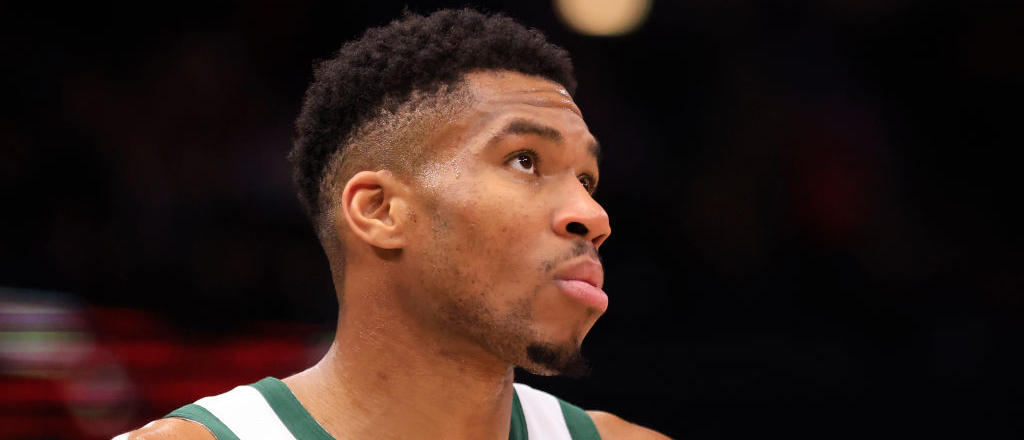
“I don’t know if you watched, a couple days ago we played in Portland and the way that they received [Lillard], how people love him there because he did so many things for that organization, literally. We use the phrase, that’s his house, or he built that house, so when he went back, everybody was ecstatic to see him,” Giannis Antetokounmpo recounts to Dime on a call from the road in early February.
Lillard’s come up because he’s been something of a barometer for the Bucks perceived success this season, and because his acclimatization in Milwaukee has been a crucial concern for Antetokounmpo. The way the Bucks competitive merit has been debated this season, without context, suggests a losing team opponents are bulldozing over night after night. The reality, an offensive juggernaut with a top five offensive rating replete with a top three effective field goal percentage, has kept the Bucks snugly in top tier contention in the East for half of the season. That in itself is a comfortable position, and is in no small part due to Lillard.
Before this season started, Antetokounmpo and Lillard sat down for an interview with Chris Haynes. In it, Antetokounmpo talked about the hard-edged qualities like sacrifice we’re most familiar with in analysis around winning, but he also made the quieter point that in order to be successful, they had to feel very comfortable. Asked whether he thinks comfort is just as important as pressure in competition, and Antetokounmpo is adamant.
“I believe…I cannot imagine putting myself in Dame’s shoes and going to a different team after 11 years. I’ve been in Milwaukee for 11 years. I know how the game’s going to look, I know how practice is going to look, I know my route to my house, my route to the arena. I have seen pretty much most of the fans, have interacted with them,” Antetokounmpo says, underscoring the familiarity of his routine as much as the parallels Lillard had, and lost. “I know every single room and area in the Fiserv Forum, all the people that work there. It’s a level of comfort.
“Obviously when the game starts, it’s unpredictable. You’re uncomfortable for those 48 minutes but you take the 23 hours, 12 minutes left, you try to make it as comfortable as possible.”
It’s worth noting the parallels between Antetokounmpo and Lillard, at least as Antetokounmpo clearly sees them when he mentions and repeats several times their shared tenure of 11 seasons (Lillard has gone through 11, while Antetokounmpo is entering his). Antetokounmpo’s ease in turning the Bucks over to Lillard is part wanting to accelerate the comfort necessary to win, and because it appears that after a decade with one team, winning a title and acquiring a star-level running mate, he not only has the material to look back on, but the necessary distance to do it. From this retrospection we’ve gotten Giannis, in multitude.
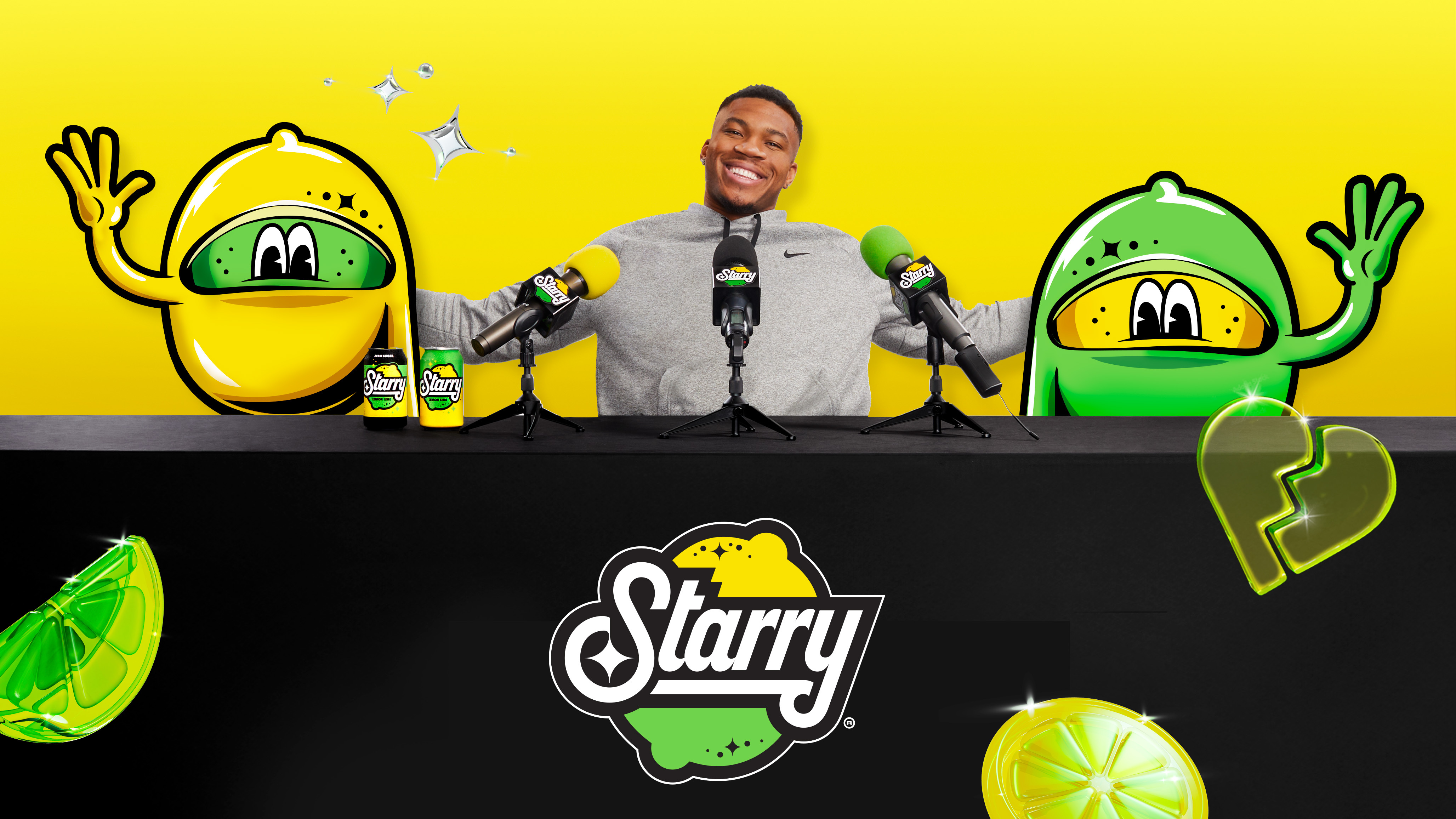
In the short span of 2024, Antetokounmpo has released UGO: A Homecoming Story with WhatsApp; launched own media production company, Improbable, that will subsequently release his documentary Giannis: The Marvelous Journey to debut on Prime following All-Star Weekend; and now, has teamed up with Starry as one of the brand’s newest ambassadors.
Starry
For a person who started his professional career as a shy, lanky kid nervous to make a misstep, Antetokounmpo’s growth into a candid, accountable, funny (there’s no one better at or more fond of dad jokes in the entire NBA, maybe present or historic) public persona has been exciting to watch. It’s also a reality of his life that he’s had to grow comfortable with.
“I started playing basketball because I love the game of basketball, and there’s a lot of things that come with playing basketball which is getting attention, having a platform,” Antetokounmpo says. “Hopefully, while I’m doing what I’m doing I can inspire people, impact other’s lives. I didn’t start playing because I wanted to be a role model in any way, but I understand that’s a responsibility that I have now.”
Where his desire to share has changed the most over time has come from being a parent. He credits it for some of his lightness as well as the partnerships he chooses, leaning into his playful side with Starry. Having kids of his own has also made him as “careful as possible” with that he shares.
“There’s kids in Greece, kids in Africa, kids in Milwaukee, there’s kids all around the world that follow every little thing that I do and they repeat everything I say. I think I understand it more with having kids now, every single day you gotta walk on tippy-toes around them because they repeat and copy every little thing you do,” he chuckles. “But I think as I grow older I’ve become more mature and more aware of the platform I have. People get inspired by my journey, and at the end of the day people will not remember my accolades, and things on the court, they will remember how I made them feel, and if I motivated them to do something great in their life.”
It takes confidence, a profound sense of comfort in oneself, to play the kind of basketball Antetokounmpo does night after night — thundering, physical, flowing — as it does to act out a pretend presser with a cartoon lemon and lime, as in his new Starry commercial. The key, for him, is to shed all expectations but his own.
“If you see my acting skills, I’ve been taking a lot of advice from Denzel Washington, and Leonardo DiCaprio, and Ryan Reynolds, so I felt comfortable. I felt in my zone,” he jokes about his succinct lines and excellent body work in the spot, pointing out how easy it was to work with the Starry team because their humor aligned with his.
“I’ll be very honest with you,” he tone switches to a notch more serious. “I set my own expectations through my whole career, through my whole life. I don’t think anybody has higher expectations than me. Nobody lives my life. There can be expectations from the media, from the organization, from your teammates, from your circle, but at the end of the day I set my goals and I always try to set realistic expectations that I believe I can achieve.”
Some of that comfort comes in the bone-deep understanding that he’s outpaced any of the expectations that were placed or projected onto him.
“Going back through my whole journey, with all the people that I’ve worked with, I feel I’ve exceeded all the expectations that anybody set for me,” he notes, almost with the verbal equivalent of an amiable shrug. “So I just keep on setting my expectations, because if I listened to their expectations, I wouldn’t be the person I am today. I don’t think anybody ever thought a skinny kid from Greece would be one of the best — not to sound arrogant, but I’m trying to speak facts — players to play this game today.”
Antetokounmpo’s singular drive to succeed for himself and his family has been well documented, and we’re lucky to watch it alchemized into small, game-sized bites. What’s been less noted is where his personal and professional extension beyond the floor, ramping up in the last few years, comes from. Antetokounmpo has a palpable curiosity for the wider world, and a burgeoning intrepid bent. His recent and larger ventures reflect it — travelling back to Nigeria and Greece for his documentary projects — but if you consider the risks and uncertainty he faced and figured out in his formative years, it was a fearlessness shaped from desire; for life and the world.
“I’m just trying to live life hard and be in every single moment, hard. From the moment I wake up to the moment I fall asleep, I try to live every single moment as hard as possible,” he says. “I’m trying to embrace all of those moments, learn from them, and live them hard. I only live those moments once — that’s pretty much it.”
The quote, in a way helpfully tidy for this story, exemplifies the duality Antetokounmpo exhibits in most of his public ventures. He can deliver a scorching game, a bluntly honest reflection of himself or his team, or a compelling ethos for living that makes you want to immediately run outside just to feel the sun on your face, and then cap it with a joke or gently effacing punctuation. It’s a handy way of drawing a parallel between him and his audience, who in some ways (such as on the floor) will never be able to relate, but in others (like in the fundamentals of life), will. It goes back, once again, to comfort.
Antetokounmpo confirmed as much at a recent presser when, asked if he was happy to stack two team wins together, told a room of reporters he didn’t mind if they stacked two or ten in a row. What’s important, he said, was the team competing, heading in the right direction. As the Bucks look to solidify their identity in the second half of the season under Doc Rivers, their determination to dig into this comfort and put outside perception aside will be key in cutthroat conference.
A big hint of whether they’ve arrived came in Antetokounmpo finishing his thoughts about accommodating Lillard: he switched from past to present tense.
“We had to make him feel as comfortable as possible on the basketball court, but also off the court. It’s hard. We knew it would be hard for him. I think everybody, the team, did a good job,” Antetokounmpo says matter-of-factly. “We supported him, and now he feels comfortable. So, our goal stays the same: to be the last team standing.”
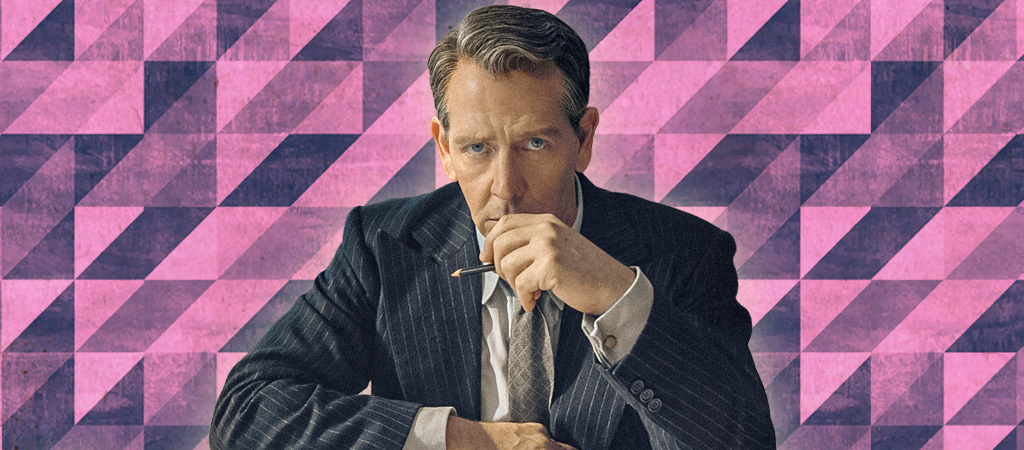
Ben Mendelsohn is unpredictable in the best of ways. One minute, he’s carefully considering a question concerning his latest on-screen gig — playing iconic French fashion designer Christian Dior in a historical drama for Apple TV+ set during the Second World War. The next, he’s belting out lyrics to a Beyonce banger. He cares deeply about his craft, and not at all for pretentious discussions on method and process. To him, too much critical praise equates a death sentence, but disappointing his audience keeps him up at night.
He’s all about the work. Not in the pompous, hollow way that sparks some deserved eye-rolling from the non-Hollywood crowd. No, Ben Mendelsohn really doesn’t give a f*ck – at least, not about things that seem unimportant. Like, for instance, too-brief junket interviews designed to fluff up his ego.
So, when we sit down over Zoom to talk about The New Look – a gorgeously shot attempt at covering Europe’s post-war fashion renaissance that sings when it lets stars, Mendelsohn, Juliette Binoche, John Malkovich, and Maisie Williams play against one another – I do my best to refrain from embarrassing us both by raving over his past works. Ben Mendelsohn is good at what he does, he doesn’t need me to tell him.
In his new series, he subverts expectations, playing a tortured artist instead of a calculating villain, anchoring a fascinating (although clumsily-paced) POV of what it was like to live under Nazi rule. Below, UPROXX chats with him about the show, acting myths, and the importance of making art accessible.
I was watching a video where you break down your most famous roles, and the comments section was full of compliments saying you’re underrated, you don’t get your due, you deserve more praise. Do you agree with all of that? Do you feel underrated at this point in your career?
No, no, no, no. I’m as fancy pants as all getup. The actors like me fine, [so] I’m good. You know what I mean? And as to the wider world … that’s the pain in the arse about this whole thing. You want to know what the guaranteed death sentence of an actor is? To be considered the greatest screen actor of their time.
You’ve worked with [showrunner] Todd Kessler before. How did he pitch this project?
He said he was reading [about] Dior, and then he spoke about Dior’s deep, uncomfortable revulsion at his private self versus his public self. And I said, ‘When do we do it?’ I’ve been wanting to work with him again on whatever was viable. I waited five years through this and that and the other. I was waiting for this one for a long time.
Just standing outside his house, waiting for him to toss you a script?
No, he was at my place making pizza. That’s how it happened. I’m not waiting outside his door. Boy, you’ve got a really funny idea of me. [Begins singing Beyonce’s 2006 hit, “Irreplaceable”] You must not know about me …
What was it that appealed to you about playing someone like Christian Dior?
It’s that thing of feeling uncomfortable about who you are and that suggests a very universal idea. When I watched him, he was a sensitive person, he was a person with a lot of anxiety and who sought certainty through tarot, through divination. He was also very Catholic. He was very set in his preferences in how he loved and lived.
It’s a story about, how you take yourself through the world — with all your crappy bits that you don’t much like or you can’t deal with — and do something? The world seems against you and hostile. How do you do it? That to me is what the story is. And then the fact that it’s about these mega [designers]. All around the world, everywhere you go, Chanel, Dior … and there’s an inaccessibility about all that hoo-ha right?
You’ve made him relatable.
I think it’s very reassuring. I think we have a lot of funny ideas about what it takes and the way it gets sold to us. Like yeah, if you remain positive and you have a certain alpha [quality] — and don’t forget, no negative thoughts, don’t get angry, that’ll tear you down, and don’t doubt yourself. It’s all, it’s a crock. It’s very antagonistic towards a person being able to be settled and go, ‘Well, you know what? Yeah, there’s a bunch of things I’ve got wrong. There’s a bunch of things I can’t do, but I just [need to put] one foot in front of the other and [try]’.
It’s just decent intention, plodding along, trying to do the best you can, and being able to put something beautiful into the world in response to a horrible situation. From little things, big things grow.
That’s all internal. Did you reckon with how living in a time of war might make him feel, about himself and his work?
No, you don’t know how people would be feeling. You offer up an idea. You offer a proposition. As soon as you think you know something, you’re jerking off. You never know. You postulate.
How do you measure your performance then? Whether you’re doing a good job?
You don’t, but it’s not important. What’s important is the audience. So the thing is, when you guys talk to us, you talk to us like it’s all about us. But any one of us that’s on the money, is not worried about what [we’re] doing. We’re worried about you guys and getting something to you that is alive and effective, you know?
How we go about doing that or building that is essentially just a bunch of myth. It’s not really the way it happens. It’s got not much to do with that at all. What it is, is a camera, an actor, another actor, a few lines, and then seeing if you can find a way to communicate that in a way that feels alive and has a feeling with it. That all gets stitched together and then you guys get it. It’s not for us. We don’t matter in that respect. It’s not important what we do or how we do it. It’s only ever the audience. And that’s why I can kick a goal sometimes because I’m not worried about how we do it or why we do it or any of that stuff. I take it on faith that we pick this up, but when it goes to you, it comes together and it means something.
Does that mean, when you’re working, you’re not in your head as much?
I’m in my head a lot. But I’m in my head about, ‘Is there a way we can make it better? Is it better if I do that here or there?’ I’m into the minutiae, right? I’m not into all the macro, all of the certainties. That stuff is dead. That doesn’t live. We’re not trying to make a historical documentary, we’re trying to take the real-life situation and go, well, here it is and can you feel it?
Personally, I enjoyed the show and its perspective, not just of Dior, but of this time period – if that was a worry.
Trust me, that is all I worry about. It’s the world to me. I love the audience. I don’t get above them. I stay below them. That’s why we bow. Because we are beneath you. We come for you not the other way around.
Sexyy Red gave birth recently, and she, Drake, and SZA decided to make that the foundation for their new “Rich Baby Daddy” video that dropped last night (February 14).
The Drake-directed clip starts with himself behind the camcorder, showing off his suburban neighborhood before heading inside to his pregnant wife, Red. The music kicks in at around 45 seconds and shows Drake, Sexyy, and SZA enjoying a holiday celebration in their humble home. The music cuts back out at 2:17 into the video, when Red shouts at Drake from across the house, letting him know that her water broke.
The music returns as the three head to the hospital, where the video shifts away from its VHS style and starts looking more modern, as Sexyy gives birth and friends and family celebrate the new arrival. Before the video ends, we see footage from after Red’s actual, real-life childbirth, as she holds her baby and on-screen text reads, “Congratulations Red!!! We Love You.”
Speaking of hospitals, at a recent St. Louis concert, Drake offered to pay for a fan’s upcoming operation, saying from the stage, “You got a sign out that says, ‘Please help me with my surgery.’ I don’t know what kind of surgery you need, sir. I really don’t, but I’ma let you know: From me to you, St. Louis love, we gonna take care of whatever the surgery is.”
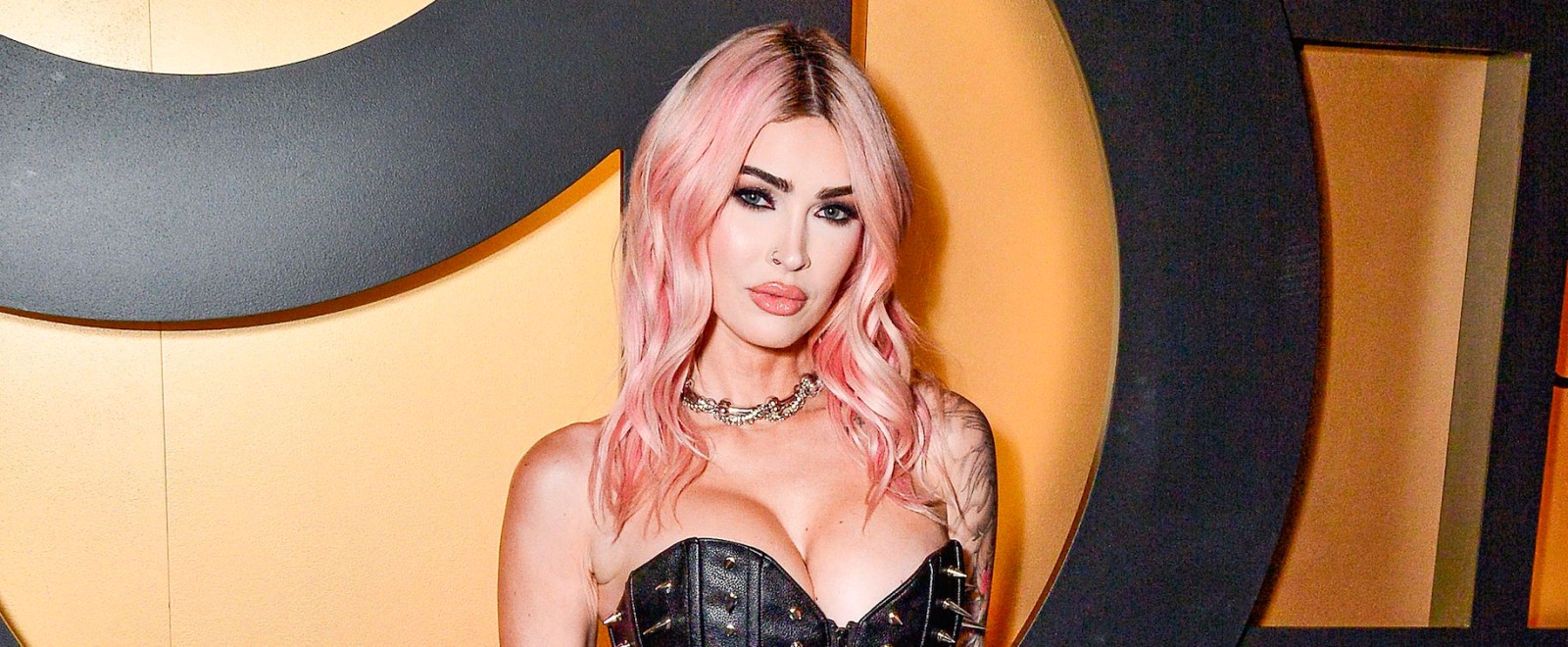
Megan Fox was spotted with Taylor Swift during Super Bowl weekend following the Kansas City Chiefs thrilling victory over the San Francisco 49ers. Makes sense. A lot of people wanted to hang out with Swift (and her boyfriend, Chiefs tight end Travis Kelce), but only the Jennifer’s Body actress made an odd “sex doll” joke about her photo with the singer.
Following criticisms about her appearance, Fox (who was there with her fiancé, Machine Gun Kelly) wrote on Instagram, “oh my god guys look how different i… dont look at all. turns out it was just a shadowy cell phone pic of me looking like a ukrainian blowup doll. when in REALITY i look like one of those super expensive silicone real sex dolls you can only get in japan.”
You can see the post below.
The snaps were taken at Resorts World Las Vegas’ Zouk nightclub following the Kansas City Chiefs’ victory over the San Francisco 49ers on Sunday. They were first shared on Tuesday by Chiefs fan Joe Oravec. After the pictures surfaced, some trolls honed in on Fox’s facial features, accusing the movie star of having plastic surgery done.
Swift and Fox don’t have much of a history (other than Swift calling Paramore’s Hayley Williams “the jennifer’s body version of yourself,” whatever that means), but Kelce and MGK do. A Redditor pointed out, “Travis and MGK actually grew up near each other. They went to rival high schools and knew each other since then. There’s an episode of New Heights where MGK calls in and they talk about growing up in Cleveland.” Maybe Machine Gun Kelly can help launch Kelce’s music career? Or, on second thought, maybe not.
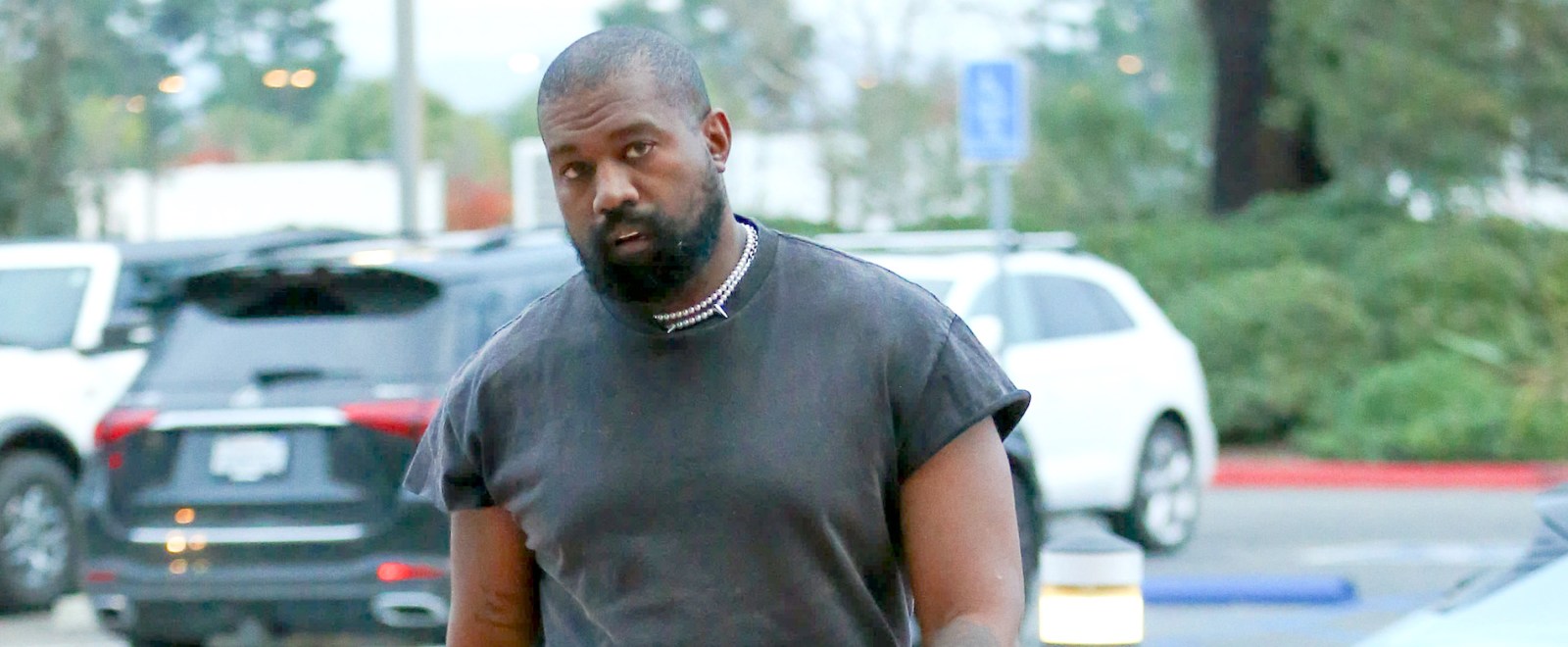
On Instagram last night (February 14), West shared a screenshot of a tweet from a Swiftie, which encouraged other fans to stream and buy Beyoncé’s new single “Texas Hold ‘Em,” in an effort to prevent one of West and Ty Dolla Sign’s new Vultures I songs from debuting at No. 1 on the Billboard Hot 100 chart.
West started the post’s lengthy, all-caps caption, “When I said that I’m the new Jesus b*tch I wasn’t even thinking about Taylor Swift. That was a whole line before but I appreciate the free promo. Lil Wayne actually mentions Travis Kelsey on Vultures 2. This album is actually super positive and fun it’s all about triumphant.”
He later relayed his thoughts on the impact he’s had on Swift and shared a message for Swifties:
“Remember I was on Taylor’s side when Scooter bought her masters behind her back. She and Beyoncé are big inspirations to all musicians we always say how both sell out tours and movies. also, I’m sure I’ve been far more helpful to Taylor Swift’s career than harmful. To all Taylor Swift fans I am not your enemy uuum Im not your friend either though lol. Also i didn’t get kicked out of the Super Bowl we left our seats to go to YG’s box and see different friends. my wife had never been to a Super Bowl so I wanted to walk around and have a nice time we had such a fun day.”
Find West’s post below.
Some artists covered here are Warner Music artists. Uproxx is an independent subsidiary of Warner Music Group.
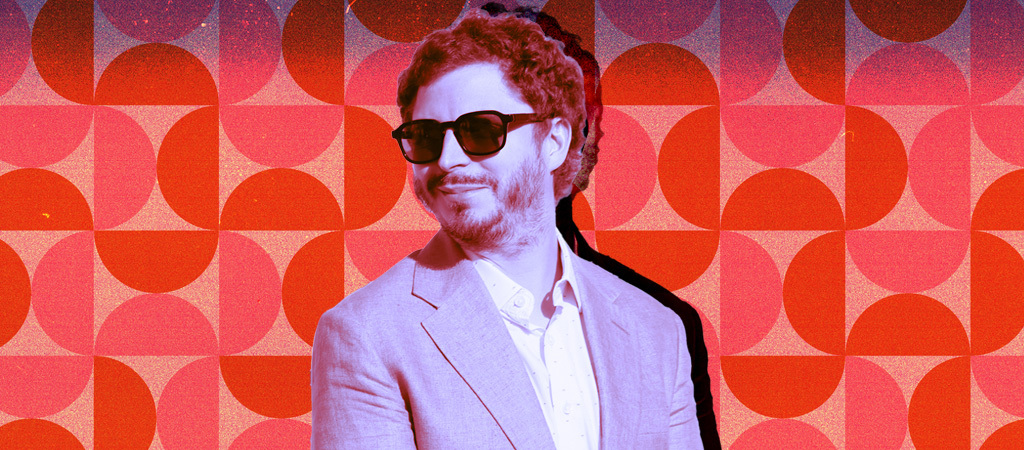
Michael Cera is an onscreen pillar of many a millennial’s youth. He perfected the lovable, quirky nerd archetype in coming-of-age benders likeSuperbadand cult comic book classics likeScott Pilgrim vs. the World. But he followed every box office blockbuster and early aughts classic with a smaller indie project, festival darling, or voice-acting gig that kept him toeing the line between magazine-stand celebrity and sidewalk-strolling anonymity. He liked it that way, getting recognized only sparingly in coffee shops and grocery stores but never chased down streets or mobbed at airports, but a Barbie role and a CeraVe Super Bowl commercial may just change that.
Fresh off his turn as Allan – a Queer-coded buddy of Ken’s who fits into all of his clothes and seems as disgusted by the idea of a horse-worshiping patriarchy in Barbieland as the rest of us – Cera pivoted once again, this time spearheading a guerilla marketing campaign for a skincare company that’s been borrowing his name for years. I spoke to Cera before his game day spot broke the internet, back when paid influencers and cleverly snapped paparazzi promos were sparking online conspiracies left and right. He played coy about his brand partnership then, urging me not to trust the misinformation that runs rampant on social media these days when I asked if he was, in fact, a skinfluencer now. In short, he lied, but after watching the three-minute ad in which Cera sensually whispers phrases like “all day hydration,” slaps some cream onto a rock face, and communicates with a unicorn dolphin, I can’t be too upset.
Instead of discussing his ongoing feud with the dermatology community, Cera teased the newest season of his feel-good comedy series Life & Beth, a semi-autobiographical take on the real-life romance of creator Amy Schumer and her chef-husband, Chris Fischer that returns to Hulu on Feb. 16th. In it, Cera plays a farmer named John whose relationship with Schumer’s Beth puts him on a path of self-discovery that’s hilariously awkward and often, heartwarming.
UPROXX chatted with Cera about finally reaching sex symbol status thanks to the show, the growing pains of new fatherhood, and the FOMO of still having a flip phone.
This season really dives into your character’s autism diagnosis. How do you play that respectfully, and also as this monumental discovery of self that pushes the story forward?
It’s something that John comes to through his relationship — Beth nudges him toward it — and ends up being a big unlocking for him of just understanding himself a little better. I love that it’s handled that way, this ASD diagnosis. It’s not a life-altering diagnosis, it’s just a way to understand himself a little better and work through their specific communication challenges. It’s a positive thing in his life, and it’s something that I would be grateful for — anything you could do to understand yourself a little better. So I love that we explore that this season, but it’s not the last word on John as a person. It’s not the only thing that you could say about him. You can’t define him by that.
So much of this show is based on Amy’s relationship with her husband, Chris. Is it tricky to play a version of a person who could randomly show up on set one day?
I didn’t think of it that way, fortunately, because that would be really challenging. The character is its own person. Chris is absolutely the big inspiration for it, and a lot of the moments are, of course, taken right from their lives, but it’s not an impression or an imitation of him because that is just not of service in any way, to the story or anything really.
Working so closely with Amy on bringing this character to life has been enormously helpful because Amy loves Chris, obviously, and experiences him so intimately that anytime I have any kind of question, anytime anything arises — even if I just want to make something more specific in a moment — I can always turn to Amy and be like, ‘What would Chris say? What can I say here to transition to this moment?’ And Amy always has something ready that’s so specific, and so dialed into the character’s voice that it’s great. I wouldn’t want to do it any other way really, than having her there all the time.
Has the advice ever been too specific? Has she ever overshared to get you there?
[laughs] No, I have to say, it’s always been very useful and just very, very instructive for me.
A big takeaway fans had in season one was that Michael Cera is a sex symbol now. Is that how you see yourself?
That’s the whole point of the show really, so I’m glad it’s landing … I mean, the character is this savior figure for Beth, so I get it. He is this escape for her, and he’s based on a very dreamy guy, so it’s a nice role to get to step into.
There is something almost irresistible about a man who knows how to dice a zucchini.
Yeah, or bleed a pig out.
There’s a pregnancy plot this season. You’re a fairly new dad. Did filming any of those scenes give you flashbacks to prepping for your baby?
Oh my God, yeah. It was totally relatable. It is all a bit of a haze, but I can remember feeling this looming sense of not knowing what to expect, and just feeling like you need to prepare, not knowing how, and just freaking out. I also remember when my son was born and we came home, for two weeks, we were in a state of [constantly] moving. Just always feeling like this engine that never stops going because you feel you need to be in service to keep this thing right. It’s like a whole new muscle you’re learning, and it is terrifying until, after a while, it suddenly feels normal.
How did that pre-baby stress manifest for you?
There is this preparation where you bring things in for the baby, you’re building things. It’s just a way of feeling ready somehow. It’s like externalizing your anxiety. I remember when we were in the hospital after our son was born, you feel like someone comes in the room every five minutes, inundating you with information about what you have to do, just downloading you on how to keep a baby okay, and it’s a million things, and you feel like you’re just trying to absorb it all. And really, all it boils down to is you have to change their diaper and feed them, and then they’ll sleep. It’s just those three things.
You’re not on social media. You still have a flip phone. You’re left out of the Barbie cast group chat. What’s your advice for dealing with FOMO?
I feel it often, so I don’t know how you deal with it. My wife is always telling me that I need to reach out to people more too. The thing is I also like being alone at home. I’m very happy to spend nights that way, but then you’re like, ‘Why didn’t I hang out with my friends that time?’ I feel like it’s up to you to make things happen. Apparently a lot of guys in their 20s and 30s, I read an article about this, especially post-pandemic, have been feeling very lonely and have, I think, become a lot more antisocial. I think it’s like if you really do have FOMO, I think you have to make the effort yourself. Because you can make things happen, and it’s actually very easy, but it’s just a matter of not thinking everything’s just going to come to you all the time.
I’ve seen stories of men going on “dates” with other men, just to make new friends because they’re so lonely. What would a “man date” with Michael Cera look like?
When I go out I just like to catch up with a friend. I don’t really like going somewhere where you can’t hear each other. So I like to just go have dinner and play chess somewhere.
I bought a travel chess set recently. My goal is to start bringing it to the bar on a night out and rope friends into playing with me.
Yeah, I have a specific friend that I do that with, and it’s funny because when you’re out playing chess, you meet other chess nerds and then they want to have a game, and you can get a little group hang happening.
Two months and some days from today will mark one year since Snowfall came to an end with its sixth and final season. The series concluded with (SPOILER NEXT) the downfall of Franklin Saint who was unable to recover his stolen money from Teddy after Franklin’s mother Sissy shot and killed Teddy. In the series finale, fans were crushed to see Franklin at a new low and it was the final piece of the Snowfall puzzle that also included the death of Jerome in addition to Teddy’s as well.
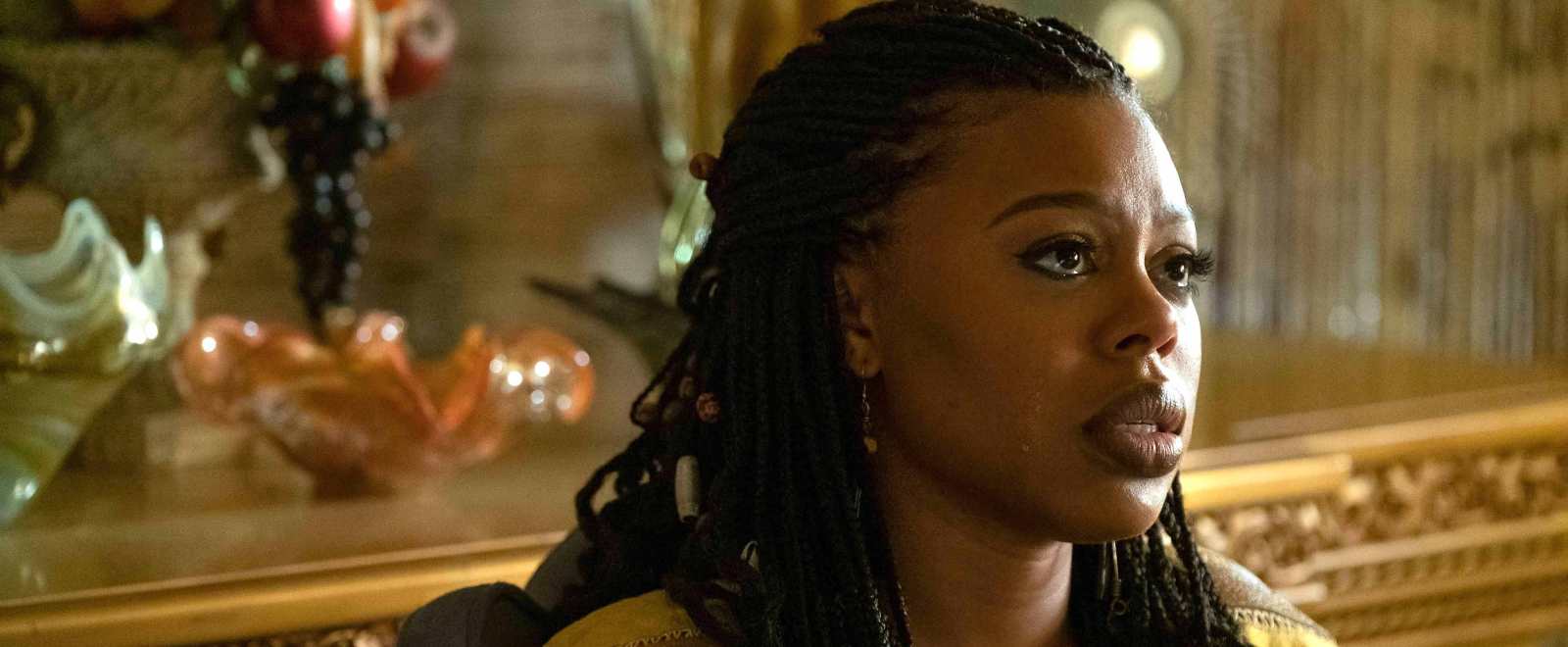
While many believed that the Snowfall story was over, Deadline revealed weeks before the series finale that a spin-off of the series starring Gail Bean, who plays Wanda, was in early development. It’s only a matter of time until we receive that series, so until then, let’s get into what we know about it so far.
Release Date
There is no official release date or title for the Gail Bean-led Snowfall spin-off. The last update about the series came from Gail Bean back in December thanks to a post on Twitter. A fan tagged her and asked “Now the strike is over…………whats up with that spinoff????” alluding to the Snowfall spin-off. Bean responded, “You’ll see in due time,” adding, “just know we cooking!” With that response, we can assume that the series will arrive in 2025 at the earliest, maybe late 2024 if we’re lucky.
As of now, all we know about the Snowfall spin-off cast is that Gail Bean will reprise her role as Wanda in the new series. We’ll have to wait a bit to find out the names of other characters and if characters from the original Snowfall series will appear in the spin-off. Malcolm Spellman is the executive producer and writer of the pilot. Dave Andron (the co-creator of the original and showrunner of Snowfall), Trevor Engelson, Michael London, Tommy Schlamme, and Julie DeJoie will also executive produce the series.
Plot
A brief explanation of the plot was revealed with the news of the Snowfall spin-off in early development. The spin-off will continue the original series’ story and shift the focus from the crack epidemic of the 1980s to the emerging Los Angeles rap industry that took the nation by storm in the 1990s. Bean’s character will serve as the connection between where the original Snowfall series left off and where the spin-off picks up.
Trailer
A trailer nor a teaser for the Snowfall spin-off has not been released yet.
How To Watch The Snowfall Spin-Off
The Snowfall spin-off, when complete, will be released on FX as the company is behind its development. There is no word on what day or what time the series will air.
The Washington Wizards came close to picking up their 10th win of the season on Wednesday night, but ultimately, they came up just a little short of taking down the Pelicans in New Orleans. Despite a monster night by Deni Avdija, the Pelicans were able to pick up a 133-126 win.
Washington had a chance late in the game, as they were down by four points with just under 30 seconds remaining and had possession of the ball. Jordan Poole tried to take on Herb Jones, and in a pretty common occurrence when guys challenge the New Orleans defensive ace, he committed a turnover. The catch: Jones didn’t poke the ball away or anything, because Poole committed a carry so blatant that the Pelicans announce team of Joel Meyers and Antonio Daniels completely lost it — particularly Daniels, who thought this was one of the funniest things he’s ever seen.
— CJ Fogler account may or may not be notable (@cjzero) February 15, 2024
Meyers going “that was a running back, that was cradling the football” really was a nice touch. Unfortunately for Poole, this was a rough moment amid what ended up being an up-and-down evening during his difficult season in Washington, as he had 16 points on 6-for-13 shooting with seven assists, five rebounds, three steals, and three turnovers in 34 minutes of work.
Last year, as the SAG-AFTRA strike raged, there was one aspect of Hollywood acting that came up more than most: residual checks. Specifically actors couldn’t stop talking about how bad they’d gotten. Mandy Moore talked about getting ones for a whopping 81 cents. That’s a fortune compared to the ones Abbott Elementary’s William Stanford Davis gets for three whole cents. Now that the strike is over hopefully those will go up. But for now we can marvel at the teensy checks Kate Hudson sometimes receives for a movie many of you probably had no idea she was in.
Per The Hollywood Reporter, on a new episode of her podcast Sibling Revelry, which she co-hosts with her brother Oliver, she and guest Joey Lawrence got talking residuals, and how he still gets ones for commercials he did as a child. That got Hudson reflecting on her own experiences.
“I still get residuals from Home Alone 2 because I sang in the chorus,” she revealed. “I’m in that chorus, and then I get 10 cents every once in a while.”
Have you ever spotted young Kate Hudson in the scene where Kevin gets embarrassed during a holiday choir concert and ends up destroying the stage? You’d have to know what she looked like at 11 or so and find her in a group of dozens of kids. Of course, this also means Hudson has been in a movie with the guy who gave his wife the world’s worst Valentine’s Day message this year.
Next month, one of the great rock albums of the 1990s turns 30: Superunknown by Soundgarden. Released on March 8, 1994, Superunknown went platinum six times and spawned alt-rock standards like “Black Hole Sun,” “Fell On Black Days,” “My Wave,” and “The Day I Tried To Live.” More than that, it represents the peak of grunge right before the subgenre was codified, cleaned-up, and beaten like a dead flannel-clad horse. The hooks are sharp, the fuzz is thick, and the musicianship is murderous. It is the very mountaintop for this kind of music.
But there’s more to Soundgarden than just one album. While well-regarded in their time, Soundgarden has been overshadowed historically by their Seattle peers Nirvana and Pearl Jam. Well, the time has come for this great band to step out of the shadows. Here are my 25 favorite Soundgarden songs. This band will not be outshined! Won’t you come and wash away the rain with me?
PRE-LIST ENTERTAINMENT: THE “OUTSHINED” SCENE FROM TRUE ROMANCE
This scene was directed by Tony Scott, a brilliant technician known for making extremely good-looking B-movies. It was written by Quentin Tarantino, an iconic stylist who applied his generational screenwriting talent to elevating disreputable cinematic forms. And it stars Brad Pitt, a great actor and classically handsome leading man most celebrated for playing creeps, lowlifes, misfits, and morons.
Have you noticed the recurring theme? These men are experts at appearing to be dumb while actually being very smart. And that is why Soundgarden is a perfect soundtrack for this scene. What is Soundgarden, anyway? The lead singer is frequently shirtless and sings like Ronnie James Dio if he had worked in a lumber yard. The guitarist plays heavy guitar riffs that evoke the music of Led Zeppelin, all while publicly professing his intense dislike of Led Zeppelin. They literally wrote a song called “Slaves And Bulldozers.” They literally called themselves Soundgarden. On paper, they appear to be very dumb. But in execution, they are simply one of the finest hard-rock bands of the last 30 years. Don’t condescend them, man.
25. “Incessant Mace” (1988)
The most confusing aspect of Soundgarden has always been their aversion to music that sounds the most like Soundgarden. “I always hated Led Zeppelin — too pretentious,” Kim Thayil told Spin in 1994. “And Black Sabbath had really cool riffs, but they stretched them out in really stupid ways. We were way more into stuff like Scratch Acid at the time.” That same year, Rolling Stone asked Chris Cornell if he ever liked early ’70s metal and he replied flatly, “Not at all. Not even slightly.” Instead, he pledged allegiance to Minutemen, the Meat Puppets, and the Butthole Surfers as well as “European bands” like Wire and Joy Division “that weren’t together anymore.”
This is like Martin Scorsese declaring that he hates gangster films. It makes no sense whatsoever. I think these guys were lying — to the press or themselves or both — in order to go along with the restrictive taste politics of the alternative rock era. If I had to define grunge in six words it would be “metalheads who pretended to be punk.” And Soundgarden is the definitive example of this archetype. But let’s take them at their word. Let’s believe that these guys had the soul of Unknown Pleasures but were trapped inside the body of Physical Graffiti. They swung the hammer of the gods, but only grudgingly. They rocked hard, though in a strictly underground way, man. Fine. Whatever.
This song from their so-so debut Ultramega OK was the first indication of the larger-than-life Viking souls that lurked behind the flannel and Dr. Martens. It lumbers for eight minutes like a dream sequence from The Song Remains The Same. Of course, in that Rolling Stone interview Cornell claims that sounding like Zep was the only way for Soundgarden to be … punk? “People would hate it,” he told the magazine about “Incessant Mace.” “That was the first reaction, really: that this was the most uncool thing anyone could do at this point in music in this city. That was a turning point in our career as a band. Because we could play any atonal, post-punk, ridiculous, quirky shit, and everyone thought it was great. But we’d play that song, and it would create more of a reaction. So we started doing that more.”
If that’s the mindset you need to sell the larger-than-life Viking soul shit to the Scratch Acid fans in your cohort, so be it.
24. “Hunted Down” (1987)
To be fair: Soundgarden did have a meta aspect to them early on that was borderline jokey. Up through 1989’s Louder The Love, as Jonathan Gold observed in his astute Spin article, they aped ’70s rock conventions with air-quotes detachment that aligned with fellow Seattle band Mother Love Bone, whose star-crossed lead singer Andrew Wood was Cornell’s roommate and friendly songwriting rival until his death by drug overdose in 1990 at the age of 24. The following year, Soundgarden put out Badmotorfinger, their first “no B.S.” album that finally eschewed the cock-rock irony of songs like “Big Dumb Sex” from Louder Than Love. It was also the first Soundgarden record to go platinum.
Soundgarden’s most successful music of the pre-Badmotorfinger era is also their straightest, hitting like a beta version of the psychedelic metal they perfected in the early ’90s. Their first great song is the opening track from their debut EP, Screaming Life. In Spin, Gold praises the song for Thayil’s “bottom-string guitar notes that didn’t bend, exactly, as much as they refused to commit to a single pitch,” Cameron’s “spare and sort of thuddy” drumming, and Cornell’s wail, which sounds “like a goddamn trumpet.” The future legend of L.A. food writing concludes that it’s “a record capable of making you forget everything but the overwhelming need to shake your long hair in front of your eyes.” I could not put it better so I won’t even try.
23. “Mailman” (1994)
I left off the last part of Kim Thayil’s quote about Black Sabbath’s “really cool riffs,” so I’m circling back because it’s important. He says Soundgarden’s goal in the beginning was to “do, like, Black Sabbath songs without the parts that suck.” Setting aside the controversial and frankly hurtful claim that Black Sabbath songs have parts that suck — even the imbecilic piano lick on “Changes” is fantastic — I think you can plainly hear Soundgarden achieve this objective on “Mailman,” a deep cut from Superunknown. This song is also a good time capsule for the now-forgotten but once-seemingly-common early ’90s phenomenon of post office workers shooting up their workplaces. This tragic occurrence inspired the slang term “going postal” used to describe everyday workday stress. (It also denoted the nihilistic Gen-X practice of laughing about mass murder.)
22. “Jesus Christ Pose” (1991)
In a smart 2022 Substack post, the critic Eli Enis wrote about the wave of so-called “grunge revival” bands that first sprang up in the early 2010s and took their cues from Soundgarden, Smashing Pumpkins, and Alice In Chains. Only to Enis’ ears none of these groups sounded authentically grungy, and he put the blame squarely on the singers. The original grunge wave was powered by dudes with huge voices who also, more often than not, looked incredible on stage. “Have you heard what Cornell sang about (see: “Big Dumb Sex”) and how he looked when he sang it (shirtless)?” Elis writes. “There’s a reason grunge was able to catapult from basements to arenas, and it wasn’t that these guys were rubbing shoulders with Buzz Osborne and Phil Anselmo. It’s that their singers performed the way rock musicians used to perform.”
Chris Cornell loved punk, but when it was time to step up he could credibly affect Robert Plant-style vocal dynamics and swagger in a manner that seems to elude modern rock singers. And I’m not sure why. My best guess is that Cornell and his peers had the benefit of proximity: Led Zeppelin had only broken up seven years prior to the first Soundgarden EP. It’s like a new singer-songwriter emulating Lorde’s Melodrama in 2024. It’s not that long ago. Whereas someone trying to make a record like Superunknown in 2024 would be like Soundgarden copying the first Herman’s Hermits record in 1994. It would have looked silly and anachronistic. (Or like how Greta Van Fleet looks now.)
Chris Cornell leaned into being a sexy male rock singer in a manner that feels practically problematic now. But he was also self-aware about the preposterousness of messianic “rock” posturing, as the lyric to this Badmotorfinger classic shows.
21. “Mind Riot” (1991)
Cornell is acknowledged as an all-time frontman. But he’s still underrated as a songwriter. If Kurt Cobain is the undisputed king of Seattle grunge tunesmiths, then Cornell deserves the silver medal. As he matured as an artist, fully coming into his own with Badmotorfinger and Superunknown, he displayed a real flair for embedding Beatlesque pop hooks inside vast neanderthal rawk soundscapes. One reason that Soundgarden songs are so re-listenable is that Cornell takes his compositions in unexpected directions. A furious headbanger might go from a jackhammer riff to a breathtakingly lovely bridge, just as a power ballad will beguile and then go for a crushing lyrical jab.
Here’s another example of Cornell not making it easy for himself: He titled a song “Mind Riot.” Imagine writing a good song called “Mind Riot.” It seems impossible. But Chris Cornell somehow made it work.
20. “Somewhere” (1991)
The first time I saw Soundgarden play live, it was via pay-per-view as the opening act for Guns N’ Roses on the Use Your Illusion tour in 1992. The concert was in Paris, and I was in my friend Matthew’s basement with about five other dudes. (I think it was the night of the last day of eighth grade, the worst year of my life, but I might be unintentionally misremembering this to make the story seem more like an episode of Freaks And Geeks with an early ’90s spin.) I definitely recall being involved in a medium-intense moshpit when the ‘Garden played “Rusty Cage.” Even at the time, it felt a little uncool. But the band was powerful nonetheless.
I bring up this story to illustrate Soundgarden’s distance from other Seattle bands. Or at least Nirvana and Pearl Jam, both of whom could have toured with Guns N’ Roses in 1992 but definitely would not have done such a thing. (Alice In Chains is a different story.) Badmotorfinger made Soundgarden mainstream rock stars, but Superunknown made them mainstream ALTERNATIVE rock stars. On their prior record, they still scanned as a slightly left-of-center metal band, like Faith No More without the slap bass. Nevertheless, “Somewhere” indicates that the seed of Superunknown was already apparent on the predecessor record.
19. “Applebite” (1996)
Here is what I suspect is the least controversial statement you could make about Soundgarden: It’s a toss-up between Badmotorfinger and Superunknown for the distinction of being their best record. (To the three percent of the population that irrationally adores Louder Than Love and is currently tweeting at me: I’m sorry but no.) But an album I love almost as much as Soundgarden’s twin masterpieces is Down On The Upside. And that’s because I have a weakness for post-peak records made by bands in the process of imploding. This aspect of the album was no doubt implanted in my brain when David Fricke likened Down On The Upside to Led Zeppelin’s Presence in his Rolling Stone review.
Actually, I just looked up the review and it appears he did not do that. I’m still going to discuss the version of the review that I remember reading 28 years ago, Mandela Effect be damned. Because the Presence comparison is so apt! Down On The Upside is Soundgarden’s version of taking over the world and then realizing that you have no idea what to do next, so you start drinking and drugging too much while fretting about whether you should totally remake your sound or write 16 variations on “Black Hole Sun” and “Fell On Black Days.” In the end, they chose both options on Down On The Upside, with mixed results.
Down On The Upside starts strong with some catchy, radio-made rockers that pick up from the killers on Superunknown. Then, in the back half, things take a dark and weird turn, starting with this foreboding instrumental written by Matt Cameron, which must have struck fear in the hearts of A&M Records executives hoping for a holiday bonus at the end of 1996. Down On The Upside was not going to make that possible for them.
18. “Zero Chance” (1996)
Actually, Down On The Upside is a bummer on the first half of the record, too. There are despairing choruses and then there is the chorus of “Zero Chance”:
They say if you look hard You’ll find your way back home Born without a friend Bound to die alone
When I listen to this song, I think about the ’94 Rolling Stone profile and how Kim Neely happened to be with Soundgarden while on the road in Europe the day that Kurt Cobain’s body was found. She captures a scene of Thayil and bassist Ben Shepherd drinking at the hotel bar in which Thayil says, with cinematic mournfulness, “I just wish I knew whether he won or lost.” This song makes it clear that as far as ’96-era Soundgarden was concerned, the answer was the former.
17. “Superunknown” (1994)
There’s an alternate timeline where Soundgarden takes a year or two off after the Superunknown tour, gets themselves right mentally, and then reconvenes for the next record in a better collective headspace. And maybe on that timeline, Soundgarden doesn’t break up. Because before Down On The Upside, they really did seem like a band that would just continue on forever. They had inherent sturdiness. On Superunknown, they effectively remade themselves as the smoking doors R.E.M., a group of collaborators on equal footing who could both serve up heavy riffs and shiny choruses with equal skill. The title track, while not one of that album’s five singles, nevertheless epitomizes the “smoking doors R.E.M.” era perfectly.
16. “Let Me Drown” (1994)
The one time I saw Soundgarden in person was on the tour in support of their (pretty good!) 2012 reunion record, King Animal. I loved the band as a teenager and assumed I would never see them live, so for that reason alone the show was a tremendous thrill. But I was genuinely surprised to see how much the guys on stage enjoyed each others’ company. When you go to a reunion show, you can tell which bands are there because they have put the old resentments to bed and now want to pick up where they left off, and which bands are there because the lead singer just got divorced. And this was definitely the former situation.
On stage that night, the Soundgarden guys were monsters of rock who treated each other like teddy bears. One of the songs I remember most fondly was “Let Me Drown,” which came second in the encore 18 years after kicking off Superunknown. Old-guy bands are naturally woolier and chunkier than their younger selves, and that served this song well, supplying that rolling groove with an even stronger undertow of muscle and guts.
15. “Black Hole Sun” (1994)
This, of course, was the first song of the encore. And it was the tune that was most commonly played in tribute to Cornell after he died in 2017. Which makes sense when you consider that it’s easily Soundgarden’s most famous hit, though in practically every other way it’s a very odd song to put on after a person has taken their own life. The preponderance of death anthems in Cornell’s catalog was impossible to ignore in the wake of his suicide. It was hard to ignore years before that, too, though most of us did exactly that. “Black Hole Sun” to my ears has always been a song about how death can feel like an escape in a world where “times are gone / for honest men.” And the lushness of the music only adds to this seductive conception of oblivion.
Typing these words feels strange and depressing, but what’s stranger (if also sort of amazing) is that “Black Hole Sun” was an omnipresent pop song in 1994. You heard it back then like it was a Megan Thee Stallion banger. I have no idea the degree to which this damaged all of our brains but I imagine the answer is “immensely.”
14. “Pretty Noose” (1996)
This song, along with “Like Suicide,” are the most obvious examples of Soundgarden tracks that became much more difficult to stomach after Chris Cornell died. I still don’t really like listening to “Like Suicide,” even though I think it’s a good song. But I have come back to “Pretty Noose,” because the chorus is catchy enough to make me forget what he’s singing about and the horrible act it presaged.
13. “Slaves And Bulldozers” (1991)
Look, I’m not going to play the game where you psychoanalyze the actions of a person who commits suicide. It’s a pointless exercise. I’ll just say that when you watch this video of the last song Soundgarden ever performed on stage it simply does not compute that the guy hollering his damn face off about slaves and bulldozers is going to then walk to his hotel room and never walk out.
Then again, how was he supposed to act? What sort of behavior would have made his final act explicable or logical? He did what he lived for, and then he stopped living. It doesn’t make sense because it was never going to make sense. Still: When I woke up the next morning and heard that Chris Cornell had died, and then immediately wrote an obituary, my conclusion was “I sort of can’t believe it.” And that’s still my conclusion seven years later.
12. “Searching With My Good Eye Closed” (1991)
Let’s lighten the mood: How about another example of Kim Thayil negging himself? Before the release of Badmotorfinger, Thayil was asked for his opinion of the record.
“Sounds too much like Rush,” he said.
There are at least three layers to this self-burn that need to be addressed: 1) Badmotorfinger does not all that much sound like Rush, even the somewhat “grungy” albums that Rush put out in the ’90s; 2) Even if Badmotorfinger did sound “too much” like Rush, this would not be a bad thing, as Rush is a great band; 3) The phrase “sounds too much like Rush” implies that there is a proper amount of sounding like Rush, and I would argue that “Searching With My Good Eye Closed” is the proper amount for Soundgarden, i.e. it’s vaguely reminiscent of Caress Of Steel.
11. “Room A Thousand Years Wide” (1991)
This song title sounds like Rush, but the actual music sounds like driving in a Lamborghini at 175 mph while Tony Iommi pours a gallon a Jack Daniels down your throat.
BEFORE THE TOP 10: THE TOP 5 SONGS THAT AREN’T TECHNICALLY BY SOUNDGARDEN BUT NONETHELESS SHOULD BE CONSIDERED SOUNDGARDEN SONGS
5. Chris Cornell, “Sunshower” (1998)
In the time between the breakup of Soundgarden in the late ’90s and the beginning of Audioslave in the early aughts, it looked like Cornell was going to build a solo career around cranking out variations on the part Beatles/part Sabbath “Black Hole Sun” template. His 1999 solo debut Euphoria Morning has that vibe, as does this song from the Great Expectations soundtrack. It’s a cool vibe! But in the end it was a road not taken.
4. Alice In Chains, “Right Turn” (1992)
Chris Cornell and Layne Staley duet! This is like the less famous (and more tragic) version of “Hunger Strike.”
3. Audioslave, “Like A Stone” (2002)
Audioslave’s “Black Hole Sun,” only it’s more popular. (It has been streamed more than 1.2 billion times on YouTube alone.) Alex G later claimed that it was an influence on his most recent album, God Save The Animals, excitedly telling the New York Times, “This is the best thing I’ve ever heard!” He should hear the next two songs on this sub-list.
2. Chris Cornell, “Seasons” (1992)
When Cornell died and I wrote his obit, this is the song I listened to on repeat. If you asked me to name the three best songs he ever wrote, I would probably include “Seasons.” I was tempted to not only put it at No. 1 on this list, but also on the overall list. But I am a coward who must instead go with the more famous and obvious song.
1. Temple Of The Dog, “Hunger Strike” (1991)
I’ve already written about this at length, but I just want to reiterate Cornell’s generosity on this track in the way that he cedes space to a then-unknown Eddie Vedder and really lets his friend’s star power shine. It’s the opposite of rock-star diva behavior, and it never fails to touch me when I listen to “Hunger Strike.”
One more thing: “Goin’ hungrrrrrrrrrrrr-YEEEEAH!”
Back to the list.
10. “Ugly Truth” (1989)
The first song from Louder Than Love on this list. Honestly, I’m as surprised as you are. In my mind, I think of Louder Than Love as a capital-G great Soundgarden album. But the process of writing this column made me realize that the first two songs are so incredible — and the album cover looks so amazing — that it makes me overlook stuff like “Get On The Snake” and “Full On Kevin’s Mom.” Louder Than Love is an album I adore in spite of including the Soundgarden songs I hate the most, and that’s a testament to the greatness of “Ugly Truth.”
9. “Hands All Over” (1989)
The other incredible song from Louder Than Love. And the one that makes me question Kim Thayil’s performative Led Zeppelin hatred the most. With the exception of Dave Navarro, no guitarist in the ’80s American alt-rock underground squeezed the lemon harder than Kim. And “Hands All Over” is the apotheosis of theoretical juice running down Soundgarden’s metaphorical leg.
8. “Blow Up The Outside World” (1996)
“Nothing seems to kill me / no matter how hard I try.” My god, Chris Cornell is a grunge ghost haunting us all. This song is David Berman singing “All My Happiness Is Gone.” This song is Jeff Buckley singing “Last Goodbye.” This song is Robert Johnson singing “Hellhound Of My Trail.” You feel like he’s telling you how his story ends 21 years in advance. But “Blow Up The Outside World” also signifies something bigger than Chris’ tragic fate. If you listen closely to this exquisitely melodic bummer, you can hear the last breaths of the alternative rock revolution. 1996 was a year loaded with post-peak albums by multi-platinum alt-rock bands entering their “less commercial” eras, but Down On The Upside is the saddest because Soundgarden had just reached their full potential with Superunknown. They looked indestructible, and then they were destructed. Soundgarden didn’t blow up the outside world. They blew up the inside world.
7. “Fell On Black Days” (1994)
In a 2014 radio interview, Cornell expressed pride that this song was a radio hit in spite of being in a 6/4 time signature. Perhaps I should reconsider if Soundgarden is too much like Rush after all.
6. “The Day I Tried To Live” (1994)
This is the sixth-best Soundgarden song, but it has the No. 1 best chorus. The “one more time around” part is the single catchiest bit that Cornell ever wrote. Just thinking about it puts the chorus in my head for a week. Also, given how depressing a lot of these songs are, the idea of merely “trying” to live registers as wild optimism. It’s Soundgarden’s version of “You Are My Sunshine.” It’s like doing a cartwheel doing the aisle of a Baptist church while Jesus Christ himself preaches the gospel compared to most of these tunes.
5. “Burden In My Hand” (1996)
The best example of Soundgarden in “smoking doors R.E.M.” mode. Just an impossibly sturdy rock song. You could beat it like Joe Pesci at the end of Casino and that rolling Matt Cameron drum part would not waver one iota. Hard to believe that songs like “Burden In My Hand” once appeared regularly on the radio. We used to be a proper country, etc., etc.
4. “My Wave” (1994)
Speaking of Matt Cameron: He has been a member of Pearl Jam longer than he was in Soundgarden. He’s played a major role in that band’s longevity. Nevertheless, he will always be the drummer in Soundgarden first and foremost in my mind. And his playing on “My Wave” has a lot to do with that. The man plays the drums like a sniper plays his rifle. He is always precise and exacting, and his output is always heavy and devastating. Also: The man has not aged a day since 1991. He can play a three-hour rock show, and then go mountain biking for another three hours. His cheekbones could shatter glass. When the bomb drops, it will be Matt Cameron, Keith Richards, and the cockroaches.
3. “Outshined” (1991)
Going into this column, I was confident that Superunknown was the best Soundgarden album. But as I revisited the catalog, my certainty eroded. Badmotorfinger put up a ton of points in the fourth quarter and made it a dead heat. Ultimately, I still give Superunknown a slight edge because it’s more consistent. But the highs on Badmotorfinger are higher than the highs (save one song) on Superunknown. “Outshined” obviously is one of those highs. It is a Black Sabbath song without any of the parts that suck.
2. “Rusty Cage” (1991)
The definitive Soundgarden song. Everybody kills it. Kim Thayil’s riff is insane. Matt Cameron’s drums are the epitome of chaotic good. Ben Shepard’s bass is rubbery and unstoppable. Chris Cornell’s vocal is banshee screaming at its finest. And that’s just the performance. As for the actual song, when Johnny Cash can play it on acoustic guitar and make it sound like an Old Testament sermon, I believe you have written a standard.
1. “4th Of July” (1994)
Here’s the thing: I was going to put “Rusty Cage” at No. 1. I know I should put “Rusty Cage” at No. 1. But I’m not putting “Rusty Cage” at No. 1. I’m putting “4th Of July” at No. 1. And I’m doing this because it’s the Soundgarden song I have played the most in my life. Sometimes I’ll be working at my computer or taking a walk outside or driving my kids and I’ll suddenly feel an overwhelming urge to PUT ON FREAKING “4th Of July” BY SOUNDGARDEN. It’s not the most sophisticated or accomplished Soundgarden song. It sounds filthy, like a demo caked in grime and banana peels. Matt Cameron sounds like he did a massive bong rip before stepping behind the drums. Kim Thayil plays the guitar like it just slept with his wife. Cornell sings like a zombie version of himself. It’s extremely evil and I can’t get enough of it.
Now, if you’ll excuse me, I’m going to light a roman candle and hold it in my hand.
This website uses cookies to improve your experience. We'll assume you're ok with this, but you can opt-out if you wish. Cookie settingsACCEPT
Privacy & Cookies Policy
Privacy Overview
This website uses cookies to improve your experience while you navigate through the website. Out of these cookies, the cookies that are categorized as necessary are stored on your browser as they are essential for the working of basic functionalities of the website. We also use third-party cookies that help us analyze and understand how you use this website. These cookies will be stored in your browser only with your consent. You also have the option to opt-out of these cookies. But opting out of some of these cookies may have an effect on your browsing experience.
Necessary cookies are absolutely essential for the website to function properly. This category only includes cookies that ensures basic functionalities and security features of the website. These cookies do not store any personal information.
Any cookies that may not be particularly necessary for the website to function and is used specifically to collect user personal data via analytics, ads, other embedded contents are termed as non-necessary cookies. It is mandatory to procure user consent prior to running these cookies on your website.

 you’ll see in due time
 just know we cooking!