Categories
News Trending Viral Worldwide

Second-grade teacher shares unique homework policy and it has parents sighing with relief

Back-to-school time has many parents rejoicing.

No more paying for expensive summer camp, yippee!

The one thing we don’t love about this glorious time of year, though? Yup, you guessed it: homework.


And that’s a bummer, because a lot of students these days are getting more and more homework — far more than the recommended amount, which is about 10 minutes per grade level.

That’s led parents all over the country and world to write about how unpleasant it is to see their little ones stressing out over piles and piles of math problems, pulling late nights, and missing out on time that could be spent reading, playing outside, or hanging with the family.

Plus, we parents sometimes have to help answer questions about subjects we haven’t studied in decades, which hurts our brains.

But one second-grade teacher from Texas wants to try something new with homework: not giving any.

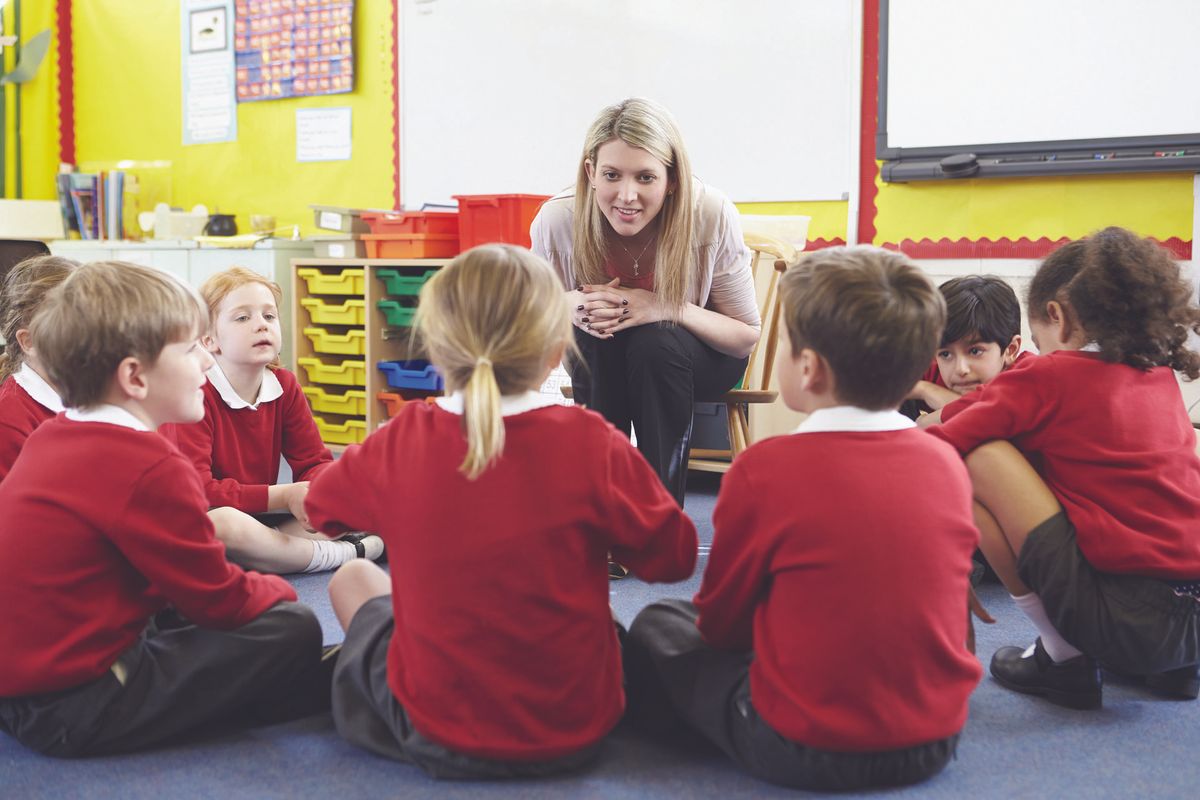
Brandy Young kicked off the new school year with a note for her kids to pass on to their parents. When it made its way to social media, it quickly went viral:

The note reads:

“Dear Parents,After much research this summer, I am trying something new. Homework will only consist of work that your student did not finish during the school day. There will be no formally assigned homework this year. Research has been unable to prove that homework improves student performance. Rather, I ask that you spend your evenings doing things that are proven to correlate with student success. Eat dinner as a family, read together, play outside, and get your child to bed early.Thanks, Mrs. Brandy Young”

Her note struck a powerful chord with parents everywhere.

So far, it’s been shared nearly 70,000 times by moms and dads who are tired of playing “homework police” or just want a little more quality time with their kids at night.

Brandy Young is right: The research on the effectiveness of homework is a mixed bag, especially for kids as young as second grade.

That’s not to say developing good study habits isn’t important, especially as students graduate to much more difficult subjects like advanced math. Because it is!

But imagination, social skills, family bonding, and even just getting enough sleep are also important. It’s nice to see a teacher who recognizes that a lot of different things go in to making a well-rounded kid.

Students “work hard all day. When they go home they have other things they need to learn there,” Young told CBS News. “I’m trying to develop their whole person.”

Educating our kids is a seriously important job, and there are a lot of different ways to get that job done right.

But it’s not hard to see why people are getting excited about Young’s approach: More reading and playtime for our kids and fewer brain-busting long division problems for us to help with.

That’s a win-win.


This article originally appeared on 08.23.16
Categories
News Trending Viral Worldwide

Second-grade teacher shares unique homework policy and it has parents sighing with relief

Back-to-school time has many parents rejoicing.

No more paying for expensive summer camp, yippee!

The one thing we don’t love about this glorious time of year, though? Yup, you guessed it: homework.


And that’s a bummer, because a lot of students these days are getting more and more homework — far more than the recommended amount, which is about 10 minutes per grade level.

That’s led parents all over the country and world to write about how unpleasant it is to see their little ones stressing out over piles and piles of math problems, pulling late nights, and missing out on time that could be spent reading, playing outside, or hanging with the family.

Plus, we parents sometimes have to help answer questions about subjects we haven’t studied in decades, which hurts our brains.

But one second-grade teacher from Texas wants to try something new with homework: not giving any.

Brandy Young kicked off the new school year with a note for her kids to pass on to their parents. When it made its way to social media, it quickly went viral:

The note reads:

“Dear Parents,After much research this summer, I am trying something new. Homework will only consist of work that your student did not finish during the school day. There will be no formally assigned homework this year. Research has been unable to prove that homework improves student performance. Rather, I ask that you spend your evenings doing things that are proven to correlate with student success. Eat dinner as a family, read together, play outside, and get your child to bed early.Thanks, Mrs. Brandy Young”

Her note struck a powerful chord with parents everywhere.

So far, it’s been shared nearly 70,000 times by moms and dads who are tired of playing “homework police” or just want a little more quality time with their kids at night.

Brandy Young is right: The research on the effectiveness of homework is a mixed bag, especially for kids as young as second grade.

That’s not to say developing good study habits isn’t important, especially as students graduate to much more difficult subjects like advanced math. Because it is!

But imagination, social skills, family bonding, and even just getting enough sleep are also important. It’s nice to see a teacher who recognizes that a lot of different things go in to making a well-rounded kid.

Students “work hard all day. When they go home they have other things they need to learn there,” Young told CBS News. “I’m trying to develop their whole person.”

Educating our kids is a seriously important job, and there are a lot of different ways to get that job done right.

But it’s not hard to see why people are getting excited about Young’s approach: More reading and playtime for our kids and fewer brain-busting long division problems for us to help with.

That’s a win-win.


This article originally appeared on 08.23.16

Categories
News Trending Viral Worldwide

Kelsey Wells’ side-by-side photos prove that weight doesn’t equal health

It’s super easy for most people to get hung up on the number on their scales and not how they actually look or, most importantly, feel. People often go on diets in hopes of reaching an ideal weight they had when they graduated high school or got married, but they’re often disappointed when they can’t attain it.

But a set of photos by fitness blogger Kelsey Wells is a great reminder for everyone to put their scales back in storage.

Welles is best known as the voice and body behind My Sweat Life, a blog she started after gaining weight during pregnancy. To lose the weight, she started the Bikini Body Guide (BBG) training program and after 84 weeks she shared three photos on her Instagram account that prove the scale doesn’t matter.


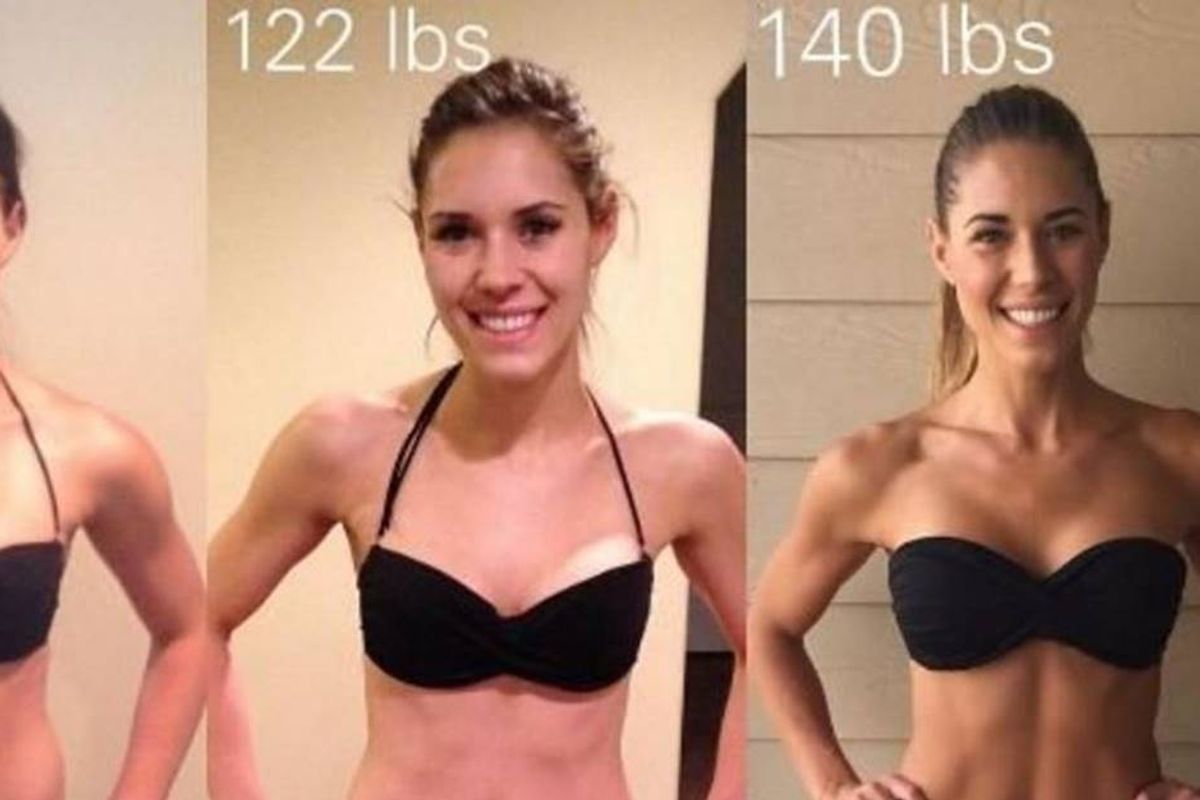
The photos showed her at her start weight (144 pounds), the weight she hit two months after giving birth (122 pounds), and current weight (140 pounds). Now she weighs exactly what she did when she started the program but her body is entirely different.

Here’s an excerpt from Wells’ Instagram post:

SCREW THE SCALE || I figured it was time for a friendly, yet firm reminder. YOU GUYS. PLEASEEEEEE STOP GETTING HUNG UP ON THE NUMBER ON THE STUPID SCALE! PLEASE STOP THINKING YOUR WEIGHT EQUALS YOUR PROGRESS AND FOR THE LOVE OF EVERYTHING PLEASE STOP LETTING YOR WEIGHT HAVE ANY AFFECT WHATSOEVER ON YOUR SELF ESTEEM, like I used to.
To any of you who are where I once was, please listen to me. I am 5′ 7″ and weigh 140 lbs. When I first started #bbg I was 8 weeks post partum and 145 lbs. I weighed 130 before getting pregnant, so based on nothing besides my own warped perception, I decided my “goal weight” should be 122 and to fit into my skinniest jeans. Well after a few months of BBG and breastfeeding, I HIT IT and I fit into those size 0 jeans. Well guess what? I HAVE GAINED 18 POUNDS SINCE THEN. EIGHT FREAKING TEEN. Also, I have gone up two pant sizes and as a matter of fact I ripped those skinny jeans wide open just the other week trying to pull them up over my knees.?? My point?? According to my old self and flawed standards, I would be failing miserably.

This article originally appeared on 10.26.17

Categories
News Trending Viral Worldwide

Kelsey Wells’ side-by-side photos prove that weight doesn’t equal health

It’s super easy for most people to get hung up on the number on their scales and not how they actually look or, most importantly, feel. People often go on diets in hopes of reaching an ideal weight they had when they graduated high school or got married, but they’re often disappointed when they can’t attain it.

But a set of photos by fitness blogger Kelsey Wells is a great reminder for everyone to put their scales back in storage.

Welles is best known as the voice and body behind My Sweat Life, a blog she started after gaining weight during pregnancy. To lose the weight, she started the Bikini Body Guide (BBG) training program and after 84 weeks she shared three photos on her Instagram account that prove the scale doesn’t matter.


The photos showed her at her start weight (144 pounds), the weight she hit two months after giving birth (122 pounds), and current weight (140 pounds). Now she weighs exactly what she did when she started the program but her body is entirely different.

Here’s an excerpt from Wells’ Instagram post:

SCREW THE SCALE || I figured it was time for a friendly, yet firm reminder. YOU GUYS. PLEASEEEEEE STOP GETTING HUNG UP ON THE NUMBER ON THE STUPID SCALE! PLEASE STOP THINKING YOUR WEIGHT EQUALS YOUR PROGRESS AND FOR THE LOVE OF EVERYTHING PLEASE STOP LETTING YOR WEIGHT HAVE ANY AFFECT WHATSOEVER ON YOUR SELF ESTEEM, like I used to.
To any of you who are where I once was, please listen to me. I am 5′ 7″ and weigh 140 lbs. When I first started #bbg I was 8 weeks post partum and 145 lbs. I weighed 130 before getting pregnant, so based on nothing besides my own warped perception, I decided my “goal weight” should be 122 and to fit into my skinniest jeans. Well after a few months of BBG and breastfeeding, I HIT IT and I fit into those size 0 jeans. Well guess what? I HAVE GAINED 18 POUNDS SINCE THEN. EIGHT FREAKING TEEN. Also, I have gone up two pant sizes and as a matter of fact I ripped those skinny jeans wide open just the other week trying to pull them up over my knees.?? My point?? According to my old self and flawed standards, I would be failing miserably.

This article originally appeared on 10.26.17

Categories
News Trending Viral Worldwide

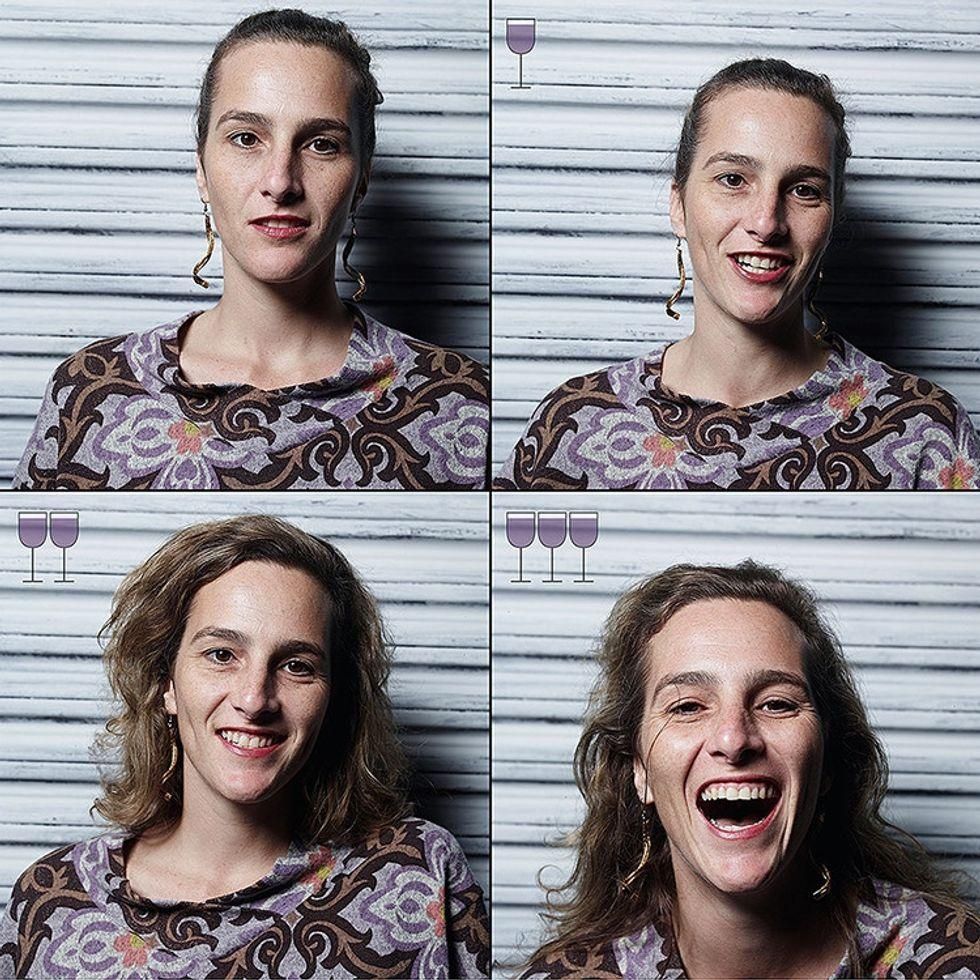
What happens after drinking 1, 2, and 3 glasses of wine? 19 viral photos tell all.

Marcos Alberti’s “3 Glasses” project began with a joke and a few drinks with his friends.

The photo project originally depicted Alberti’s friends drinking, first immediately after work and then after one, two, and three glasses of wine.

But after Imgur user minabear circulated the story, “3 Glasses” became more than just a joke. In fact, it went viral, garnering more than 1 million views and nearly 1,800 comments in its first week. So Alberti started taking more pictures and not just of his friends.


“The first picture was taken right away when our guests (had) just arrived at the studio in order to capture the stress and the fatigue after a full day after working all day long and from also facing rush hour traffic to get here,” Alberti explained on his website. “Only then fun time and my project could begin. At the end of every glass of wine, a snapshot, nothing fancy, a face and a wall, 3 times.”

Why was the series so popular? Anyone who has ever had a long day at work and needed to “wine” down will quickly see why.

Take a look:

Photos of person after drinking glasses of win

Photos of person after drinking glasses of win

Photos of person after drinking glasses of win

Photos of person after drinking glasses of win

Photos of person after drinking glasses of win

Photos of person after drinking glasses of win

Photos of person after drinking glasses of win

Photos of person after drinking glasses of win

Photos of person after drinking glasses of win

Photos of person after drinking glasses of win

Photos of person after drinking glasses of win

Photos of person after drinking glasses of win

Photos of person after drinking glasses of win

Photos of person after drinking glasses of win

Photos of person after drinking glasses of win

Photos of person after drinking glasses of win

Photos of person after drinking glasses of win

Photos of person after drinking glasses of win

Photos of person after drinking glasses of win

This article originally appeared on 11.19.16

Categories
News Trending Viral Worldwide

What happens after drinking 1, 2, and 3 glasses of wine? 19 viral photos tell all.

Marcos Alberti’s “3 Glasses” project began with a joke and a few drinks with his friends.

The photo project originally depicted Alberti’s friends drinking, first immediately after work and then after one, two, and three glasses of wine.

But after Imgur user minabear circulated the story, “3 Glasses” became more than just a joke. In fact, it went viral, garnering more than 1 million views and nearly 1,800 comments in its first week. So Alberti started taking more pictures and not just of his friends.


“The first picture was taken right away when our guests (had) just arrived at the studio in order to capture the stress and the fatigue after a full day after working all day long and from also facing rush hour traffic to get here,” Alberti explained on his website. “Only then fun time and my project could begin. At the end of every glass of wine, a snapshot, nothing fancy, a face and a wall, 3 times.”

Why was the series so popular? Anyone who has ever had a long day at work and needed to “wine” down will quickly see why.

Take a look:

Photos of person after drinking glasses of win

Photos of person after drinking glasses of win

Photos of person after drinking glasses of win

Photos of person after drinking glasses of win

Photos of person after drinking glasses of win

Photos of person after drinking glasses of win

Photos of person after drinking glasses of win

Photos of person after drinking glasses of win

Photos of person after drinking glasses of win

Photos of person after drinking glasses of win

Photos of person after drinking glasses of win

Photos of person after drinking glasses of win

Photos of person after drinking glasses of win

Photos of person after drinking glasses of win

Photos of person after drinking glasses of win

Photos of person after drinking glasses of win

Photos of person after drinking glasses of win

Photos of person after drinking glasses of win

Photos of person after drinking glasses of win

This article originally appeared on 11.19.16

Categories
News Trending Viral Worldwide

A 10-panel comic explores a subtle kind of racism many people of color experience.

If we’re being honest, we all make assumptions about other people, right?

We look at their skin, their clothes, and their car, and we make guesses about them that we don’t even realize we’re making. Everyone does it.

You ask a pregnant female coworker if she’ll keep working after the baby is born — but you wouldn’t think to ask that question of a guy who was about to become a dad.


You ask that nice girl behind the counter at the bagel shop whether she’ll ever go to college so she can get a better job — only to learn that she’s an underemployed Ph.D.

You ask a hipster-looking guy on the subway whether he’s into artisanal pickles — but he just happens to be a bad dresser who has no idea what you’re talking about.

The fact is, though, that people of color deal with other people’s assumptions constantly.

Research shows that other people’s expectations can have a profound effect on us. They can determine our success or failure. And black women deal with this nonsense more than others. In a recent study, nearly half of the female black and Latina scientists polled reported being mistaken for janitors or administrative staff.

Let’s agree to fix this.

racism, comics, artist, Alexandra Dal

This story originally appeared on December 15, 2015

Categories
News Trending Viral Worldwide

A 10-panel comic explores a subtle kind of racism many people of color experience.

If we’re being honest, we all make assumptions about other people, right?

We look at their skin, their clothes, and their car, and we make guesses about them that we don’t even realize we’re making. Everyone does it.

You ask a pregnant female coworker if she’ll keep working after the baby is born — but you wouldn’t think to ask that question of a guy who was about to become a dad.


You ask that nice girl behind the counter at the bagel shop whether she’ll ever go to college so she can get a better job — only to learn that she’s an underemployed Ph.D.

You ask a hipster-looking guy on the subway whether he’s into artisanal pickles — but he just happens to be a bad dresser who has no idea what you’re talking about.

The fact is, though, that people of color deal with other people’s assumptions constantly.

Research shows that other people’s expectations can have a profound effect on us. They can determine our success or failure. And black women deal with this nonsense more than others. In a recent study, nearly half of the female black and Latina scientists polled reported being mistaken for janitors or administrative staff.

Let’s agree to fix this.

racism, comics, artist, Alexandra Dal

This story originally appeared on December 15, 2015

Categories
News Trending Viral Worldwide

Ashton Kutcher and Mila Kunis admit they don’t bathe themselves or their kids very often

The water bill at the Ashton Kutcher and Mila Kunis residence appears to be pretty low after recent revelations the couple made about their family’s bathing habits.

In a recent appearance on Dax Shepard’s “Armchair Expert” podcast, they admitted they’re not that into bathing themselves or their two children, Dimitri Portwood, 4, and Wyatt Isabelle, 6.


The conversation started when Shepard explained his ongoing disagreement with co-host Monica Padman. The two have dissenting views over whether people should use soap. “You should not be getting rid of all the natural oil on your skin with a bar of soap every day,” he said. “It’s insane.”

Kunis agreed with Shepard and was very candid about her bathing ritual. “I don’t wash my body with soap every day,” she shared. “But I wash pits and tits and holes and soles.”

“I can’t believe I’m in the minority here of washing my whole body in the shower,” Padman replied. “Who taught you to not wash?”

“I didn’t have hot water growing up as a child,” Kunis recalled, “so I didn’t shower very much anyway.” Kunis was born in the then-Soviet controlled Ukrainian city of Chernivtsi in 1983. Her family migrated to America when she was seven.

Kutcher added that he regularly uses soap and water on just his “armpits and crotch” and “nothing else.”

Kunis has passed her lax attitude towards bathing on to her children.

“When I had children,” she said, “I also didn’t wash them every day. I wasn’t the parent that bathed my newborns—ever.” Shepard agreed, saying that he and wife Kristen Bell only bathe their children as part of a nighttime routine and don’t pay much attention to their cleanliness.

“That’s how we feel about our children. We’re like, ‘Oof, something smells,'” Kunis added. Kutcher has a simple rule when it comes to his children and their cleanliness. “Here’s the thing — if you can see the dirt on ’em, clean ’em,” he says. “Otherwise, there’s no point.”

While the Kutcher-Kunis clan’s approach towards hygiene may not be typical of the average American family, they may not be wrong according to science. Research suggests that children benefit from being exposed to germs early in life.

“This line of thinking, called the ‘hygiene hypothesis,’ holds that when exposure to parasites, bacteria, and viruses is limited early in life, children face a greater chance of having allergies, asthma, and other autoimmune diseases during adulthood,” WebMD says.

Basically, the more your body is exposed to the more it can fight off.

“Just as a baby’s brain needs stimulation, input, and interaction to develop normally, the young immune system is strengthened by exposure to everyday germs so that it can learn, adapt, and regulate itself,” notes Thom McDade, PhD, associate professor and director of the Laboratory for Human Biology Research at Northwestern University.

As for Kutcher and Kunis, they both share the same attitude when it comes to hygiene so nobody in the relationship has the right to complain if the other is a little funky. If it works for them, who are we to judge?

This article originally appeared on 7.28,.21

Categories
News Trending Viral Worldwide

Ashton Kutcher and Mila Kunis admit they don’t bathe themselves or their kids very often

The water bill at the Ashton Kutcher and Mila Kunis residence appears to be pretty low after recent revelations the couple made about their family’s bathing habits.

In a recent appearance on Dax Shepard’s “Armchair Expert” podcast, they admitted they’re not that into bathing themselves or their two children, Dimitri Portwood, 4, and Wyatt Isabelle, 6.


The conversation started when Shepard explained his ongoing disagreement with co-host Monica Padman. The two have dissenting views over whether people should use soap. “You should not be getting rid of all the natural oil on your skin with a bar of soap every day,” he said. “It’s insane.”

Kunis agreed with Shepard and was very candid about her bathing ritual. “I don’t wash my body with soap every day,” she shared. “But I wash pits and tits and holes and soles.”

“I can’t believe I’m in the minority here of washing my whole body in the shower,” Padman replied. “Who taught you to not wash?”

“I didn’t have hot water growing up as a child,” Kunis recalled, “so I didn’t shower very much anyway.” Kunis was born in the then-Soviet controlled Ukrainian city of Chernivtsi in 1983. Her family migrated to America when she was seven.

Kutcher added that he regularly uses soap and water on just his “armpits and crotch” and “nothing else.”

Kunis has passed her lax attitude towards bathing on to her children.

“When I had children,” she said, “I also didn’t wash them every day. I wasn’t the parent that bathed my newborns—ever.” Shepard agreed, saying that he and wife Kristen Bell only bathe their children as part of a nighttime routine and don’t pay much attention to their cleanliness.

“That’s how we feel about our children. We’re like, ‘Oof, something smells,'” Kunis added. Kutcher has a simple rule when it comes to his children and their cleanliness. “Here’s the thing — if you can see the dirt on ’em, clean ’em,” he says. “Otherwise, there’s no point.”

While the Kutcher-Kunis clan’s approach towards hygiene may not be typical of the average American family, they may not be wrong according to science. Research suggests that children benefit from being exposed to germs early in life.

“This line of thinking, called the ‘hygiene hypothesis,’ holds that when exposure to parasites, bacteria, and viruses is limited early in life, children face a greater chance of having allergies, asthma, and other autoimmune diseases during adulthood,” WebMD says.

Basically, the more your body is exposed to the more it can fight off.

“Just as a baby’s brain needs stimulation, input, and interaction to develop normally, the young immune system is strengthened by exposure to everyday germs so that it can learn, adapt, and regulate itself,” notes Thom McDade, PhD, associate professor and director of the Laboratory for Human Biology Research at Northwestern University.

As for Kutcher and Kunis, they both share the same attitude when it comes to hygiene so nobody in the relationship has the right to complain if the other is a little funky. If it works for them, who are we to judge?

This article originally appeared on 7.28,.21