Categories
News Trending Viral Worldwide

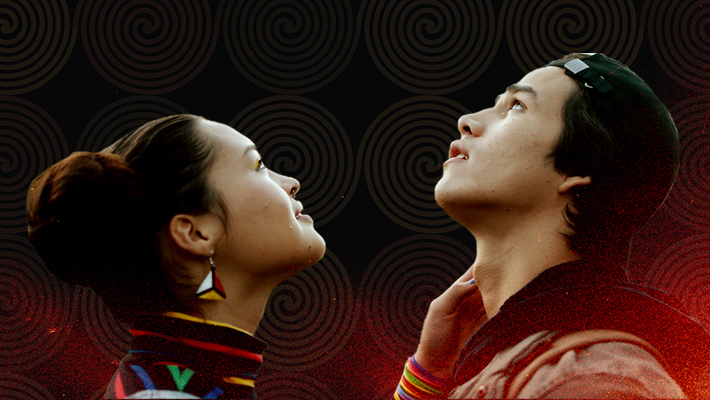
2020 Was The Year That Indigenous Representation Broke Into The Mainstream

I hesitate to say it, both because I’m dubious that progress will continue apace and because I don’t want to jinx anything, but there were more than a few silver linings for Indigenous people in America in 2020. A fair number of hope-inducing bright spots. That’s despite a pandemic that often disproportionately affected our communities, revealed the relative weakness of our healthcare infrastructure, and left Native artists and entrepreneurs out in the cold when seeking small business loans.

What were those silver linings? I take great joy in rattling off just a few.

  • This was the year we started seeing statues of genocidal “explorers” moved to the dustbin of history.
  • The year that the first all-Native TV shows on major networks were greenlit.
  • The year Indigenous food finally got its due on mainstream food TV.
  • The year in which Indigenous politicians stand poised and ready to reach the highest offices in the land.
  • And of course, the year that Dan Snyder finally shelved both the racist logo and name of the Washington Football Team. (With the Cleveland MLB franchise following suit just this month.)

While that final point is easy for outsiders to trivialize, remember that the fight against racist mascots and the use of Indigenous iconography in sports has been a generations-long battle, reaching all the way back to the 1950s.

“I’m excited.” Jacqueline Keeler, the co-founder of #NotYourMascot, told UPROXX in July. “Now the other teams — the Atlanta Braves, the Kansas City Chiefs, Florida State Seminoles, the 49ers — need to change.”

Statues falling and mascots getting retired is only a step, but it does matter. For centuries, Indigenous people have been marginalized, vilified, and tokenized in American media. The increased positive visibility and removal of harmful tropes will, hopefully, lead to broader, more systemic change. To put it more bluntly, the hope is that increased representation draws eyes to issues facing Indigenous communities — from lack of education to food scarcity to hunting and fishing rights to health care to systemic poverty.

CBC

“I’m really excited about Rutherford Falls, the upcoming sitcom on NBC’s Peacock service,” comedian Jackie Keliiaa told us in an interview this year. “If you don’t know about it, get ready. Native showrunner. Native writers’ room. Native actors. Period. The show is still in production, but with that much Native talent steering the ship, you know it’s going to be amazing!”

Other Native-led shows are being greenlit, too — with representation rapidly expanding in writers’ rooms. Netflix’s Spirit Warriors features an all-Native writers’ room, including friend of UPROXX, Joey Clift. Meanwhile, shows that are reckless with Indigenous identity are getting called out, like ABC’s Big Sky. As a fan and an Indigenous person, seeing our stories told by our people is exhilarating.

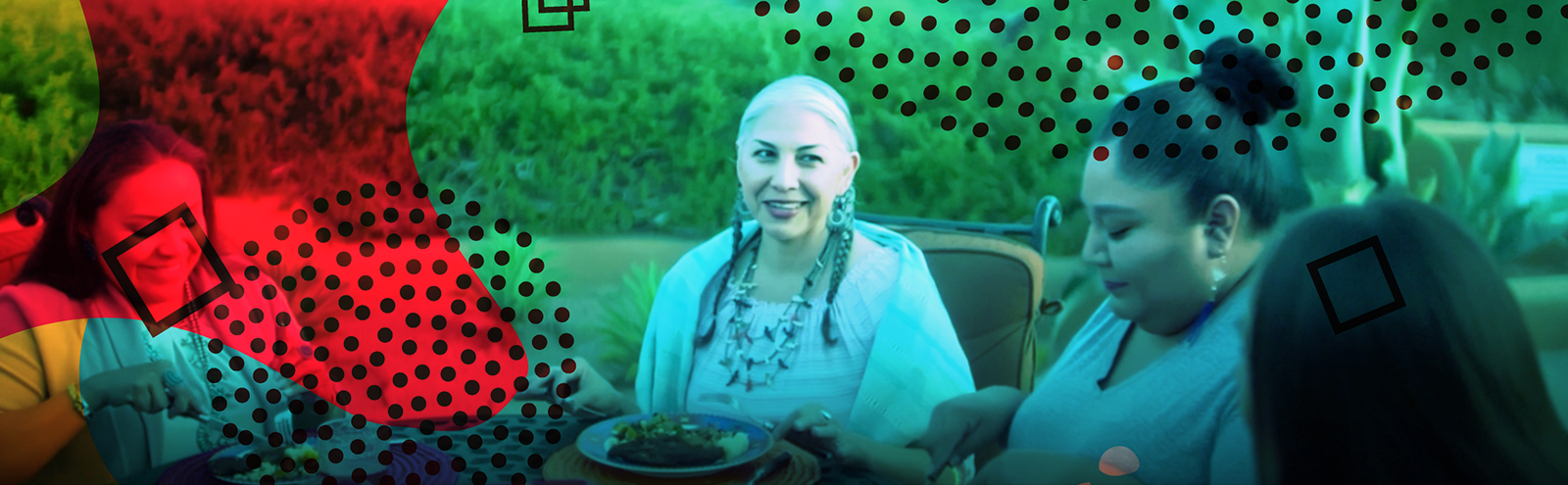
Indigenous issues finally started making appearances in other forms of mainstream media this year, as well. One of this year’s best food shows, Padma Lakshmi’s Taste The Nation, took a step towards a wider inclusion by devoting an entire episode to Indigenous American foods in the Southwest. Lakshmi explained her reasoning in an interview with us last summer:

“While I’m an immigrant, I’ve done most of my schooling in America. And I was appalled at how little instruction I was given on this part of our land’s history. So it was important for me to set the groundwork and say, ‘Well, this is what actual American food is and has been.’”

One of Lakshmi’s guests on that episode was Chef Brian Yazzie of the Navajo Nation, who cooked Three Sisters (a combination of corn, squash, and beans) along with grilled antelope. It was a meal that hit close to home for so many Native people. Speaking personally, I’m not afraid to say that I cried watching it.

Yazzie used his increased visibility to highlight the struggles facing Indigenous communities in Minneapolis. Throughout the pandemic, the chef has been working tirelessly at Gatherings Cafe in the Twin Cities to get local elders fed. It’s both admirable and significant that someone with newfound media clout put his career on hold to feed his community.

“Being a servant to the community myself,” Yazzie told us when the pandemic started, “I felt like I should use my platform and do something.”

This brings us to the inevitable caveat of all this progress: There’s still a long way to go. Yes, there have been some real wins this year. But those wins were fought for by generations of Indigenous folks from all over the nation. Now’s not the time to rest on laurels and wait for the government to “do the right thing.” Now’s the time to push harder, speak louder, and educate more deeply. (It’s also the time for allies to keep Indigenous struggles front of mind.)

Hopefully, with conversations around why racists mascots are damaging to Indigenous youth, statues of Columbus were always a bad idea, having Indigenous shows on TV created and made by Indigenous folks is important, and the return or real American foods is crucial to the American foodway, we will see continued change. Hopefully, the light shone on Indigenous culture via the various inroads made in 2020 will illuminate ignored issues, like the plight of the most brutalized group of people in America: Indigenous women, girls, and 2-spirits. Hopefully, with Rep. Deb Haaland (NM) in the running to become the first Native Secretary of the Interior (and first Indigenous American ever to serve in a White House Cabinet position), and more Indigenous people in Congress than ever before, the silver linings of 2020 will become the policy decisions of 2021 — helping protect a collective of Indigenous American Nations that has been decimated and ignored since the founding of this country.

Categories
News Trending Viral Worldwide

The Opening Scene For ‘Wonder Woman 1984’ Puts A Young Diana To The Test

In a move that’s sure to pump up DC Comics fans, Warner Bros. has shared the opening scene for Wonder Woman 1984 ahead of its Christmas Day release in theaters and on HBO Max. The never-before-seen video includes the first three minutes of the film, which features a young Princess Diana getting ready to compete in the Amazon Olympics on her home island of Themyscira. Fans of the first movie will also be happy to see the return of Robin Wright‘s Antiope, who gives Diana some loving advice to the over-confident little warrior. While the clip breezes by quickly, it does foreshadow that Gal Gadot’s Wonder Woman has some hard lessons coming down the pipe.

Over the summer, Patty Jenkins revealed that including the Amazon Olympics in the film was not just important because of the planned spinoff based on the tribe of warrior women, but because it really showcased how Wonder Woman honed her strength and fierce skills as a warrior. Via Empire:

“Here are these people who are incredibly powerful and capable, but different in how they approach things. If you’ve ben training for hundreds of years because of an impending invasion, you’re going to be constantly working on all these skill sets. So, to me, every year, they would have these Olympics to see who’s doing the best on horses or swimming the fastest, and seeing new tricks people have figured out.”

With Wonder Woman 1984‘s streaming and theatrical release just around the corner, advance reviews are already rolling in with most critics agreeing that the film is a much needed escape from the world’s pandemic woes thanks to Jenkins’ skill at evoking the blockbuster hits of the ’80s as Gadot’s Diana faces off against dual villains Cheetah (Kristen Wiig) and Maxwell Lord (Pedro Pascal).

Categories
News Trending Viral Worldwide

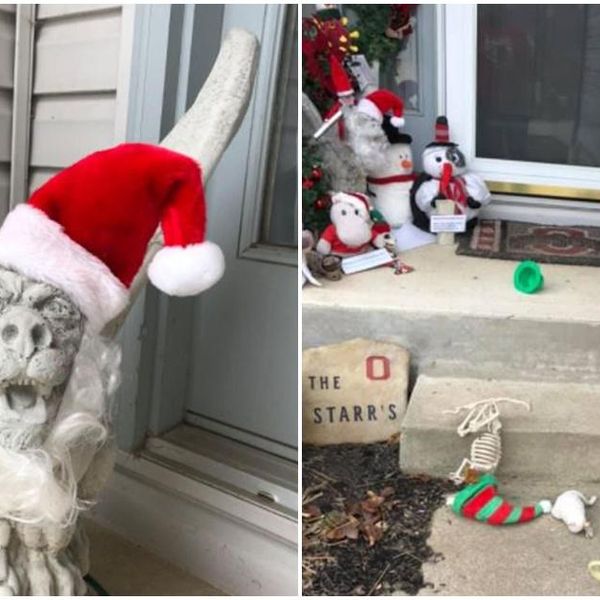
A ‘Christmas Gargoyle’ sparks an epic decoration war between neighbors.

It’s amazing how many people have the inability to mind their own business and need to criticize their neighbors for the pettiest things. You see them every day on Nextdoor, complaining about overgrown lawns or paint colors that aren’t “befitting the neighborhood.”

Well one of these uptight neighbors, referred to in this story as a “Karen,” messed with the wrong woman this holiday season (we’ll call her “Our Hero” for the story’s sake). She had no idea that criticizing her neighbor for having a gargoyle on her porch during the Christmas season would lead to a battle of epic proportions.

It all started with Our Hero’s neighbor sending a note that gargoyles are not “in keeping with the Christmas spirit.” So she responded by making Frank the Gargoyle festive with a Santa hat and beard.

Our Hero then took things up a notch on the festive meter by giving Frank some company, a Christmas tree.

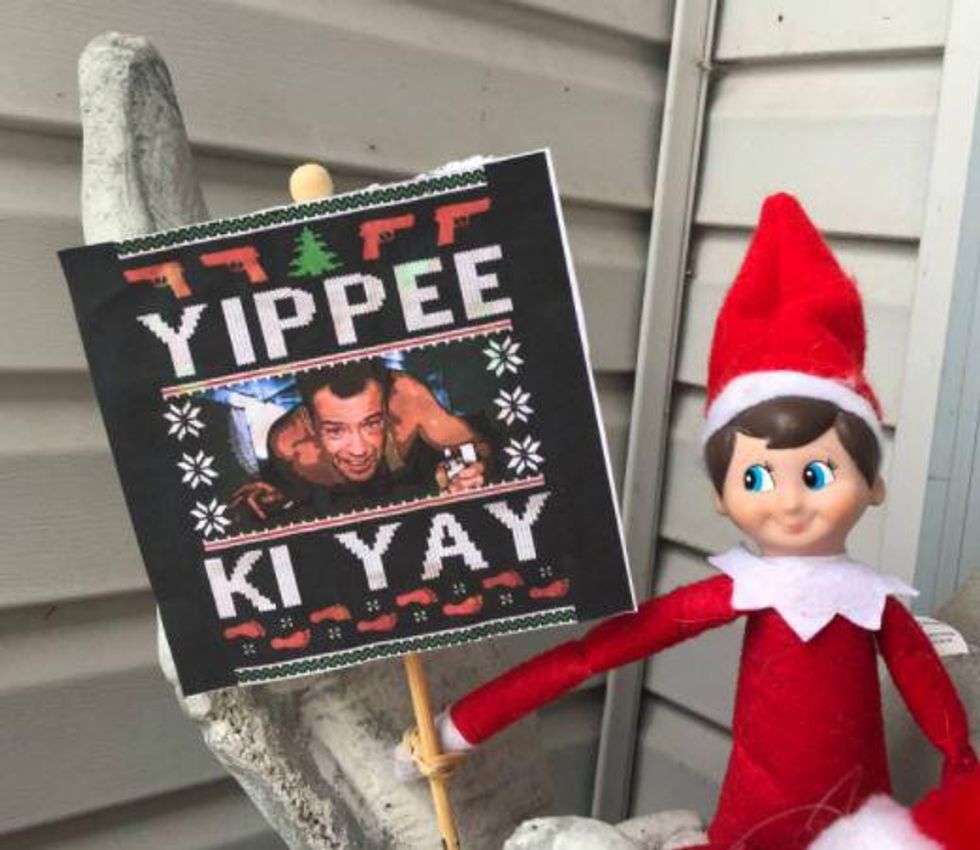
Then, the angry neighbor sent over another note asking if Our Hero thinks they are funny. So she decided to add one new item a day, like an Advent calendar. Then, Elf on a Shelf joins the party.

The next day, Frosty the Snowman showed up on Our Hero’s porch.

Taking things a step further, she added a photo of Bruce Willis from “Die Hard,” because, for some, the film is a Christmas classic. These people deserve to be represented in such an inclusive holiday display.

Things started to get a little more “A Nightmare Before Christmas” looking after the cat skeleton was added to the motley Christmas scene.

Then, the neighbor struck back with a note that called Our Hero “childish” and “ridiculous.”

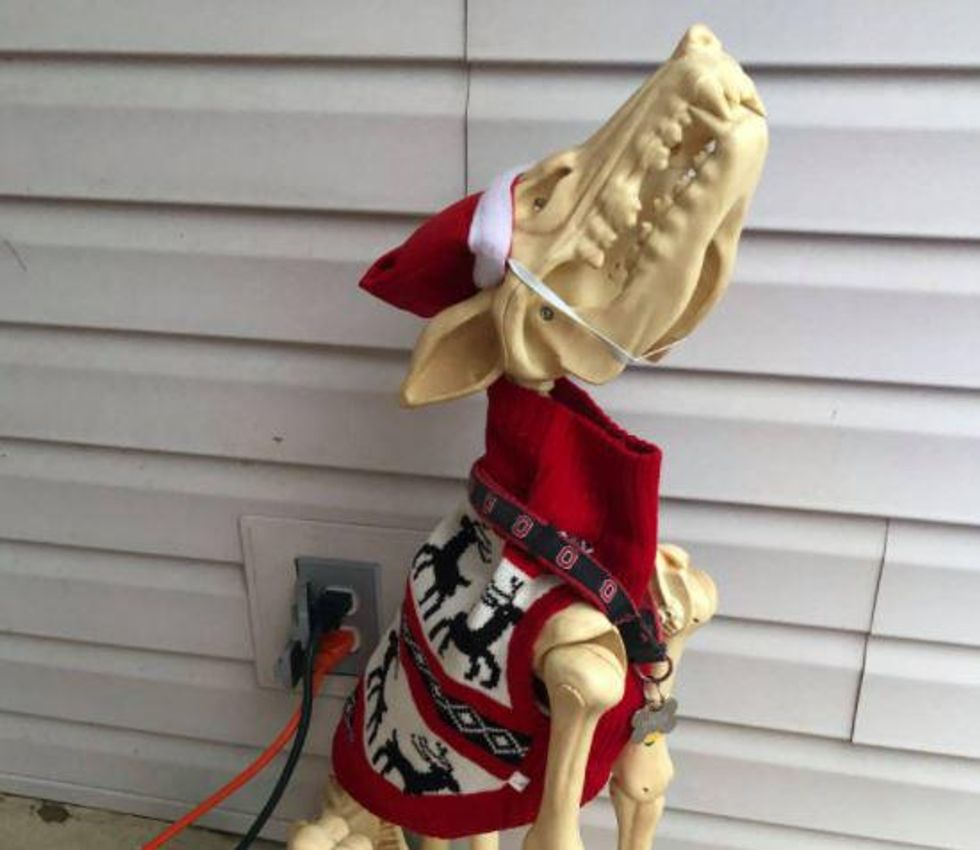
Next, Our Hero added a dog skeleton to the scene to keep the cat skeleton company.

via Frank the Christmas Gargoyle / Facebook
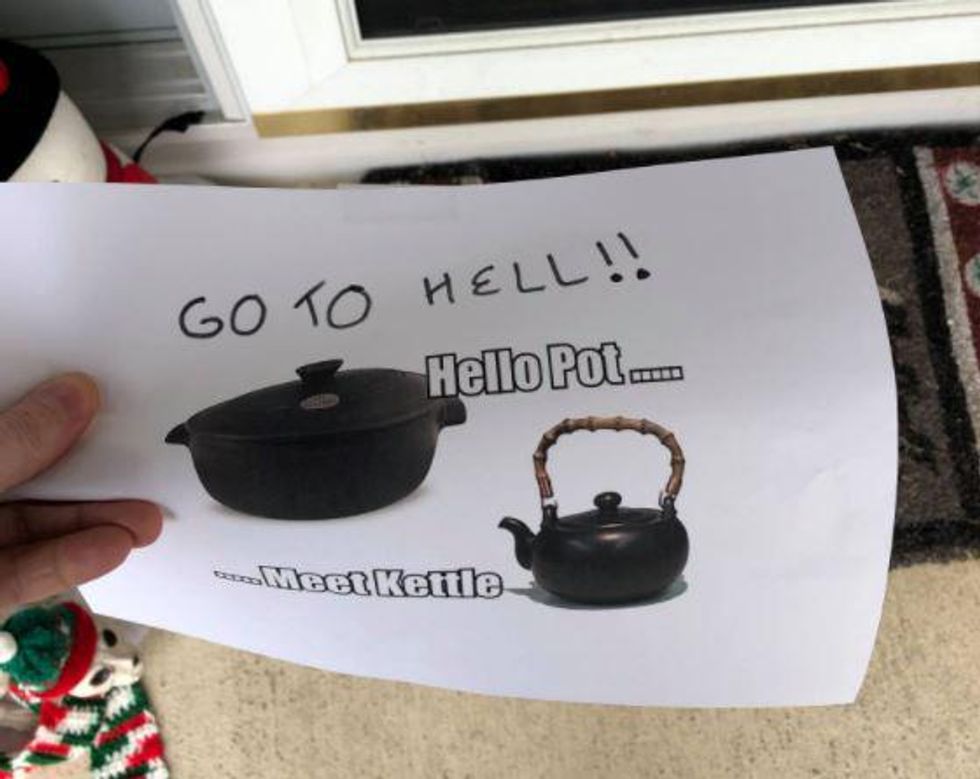
The neighbor is really getting angry!

via Frank the Christmas Gargoyle / Facebook
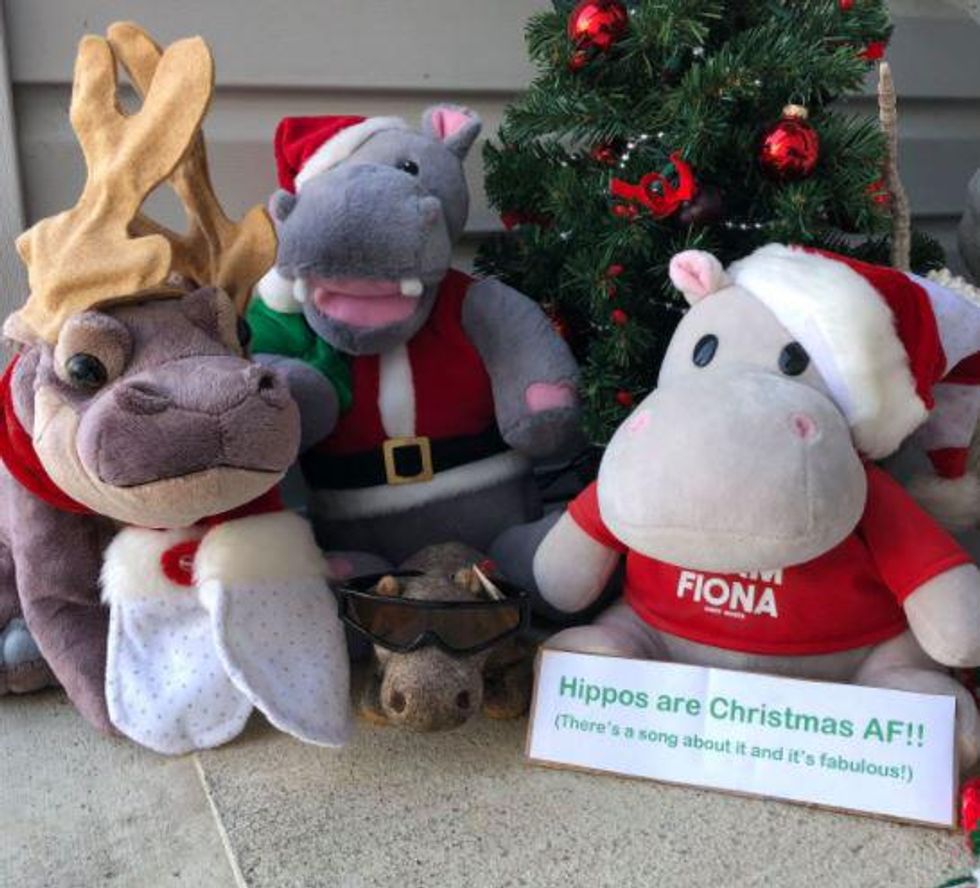
The neighbor returned with another note that read: “HIPPOS HAVE NOTHING TO DO WITH CHRISTMAS!!!!!!!!!!” haven’t they heard the famous song “I want a Hippopotamus for Christmas”?

via Frank the Christmas Gargoyle / Facebook
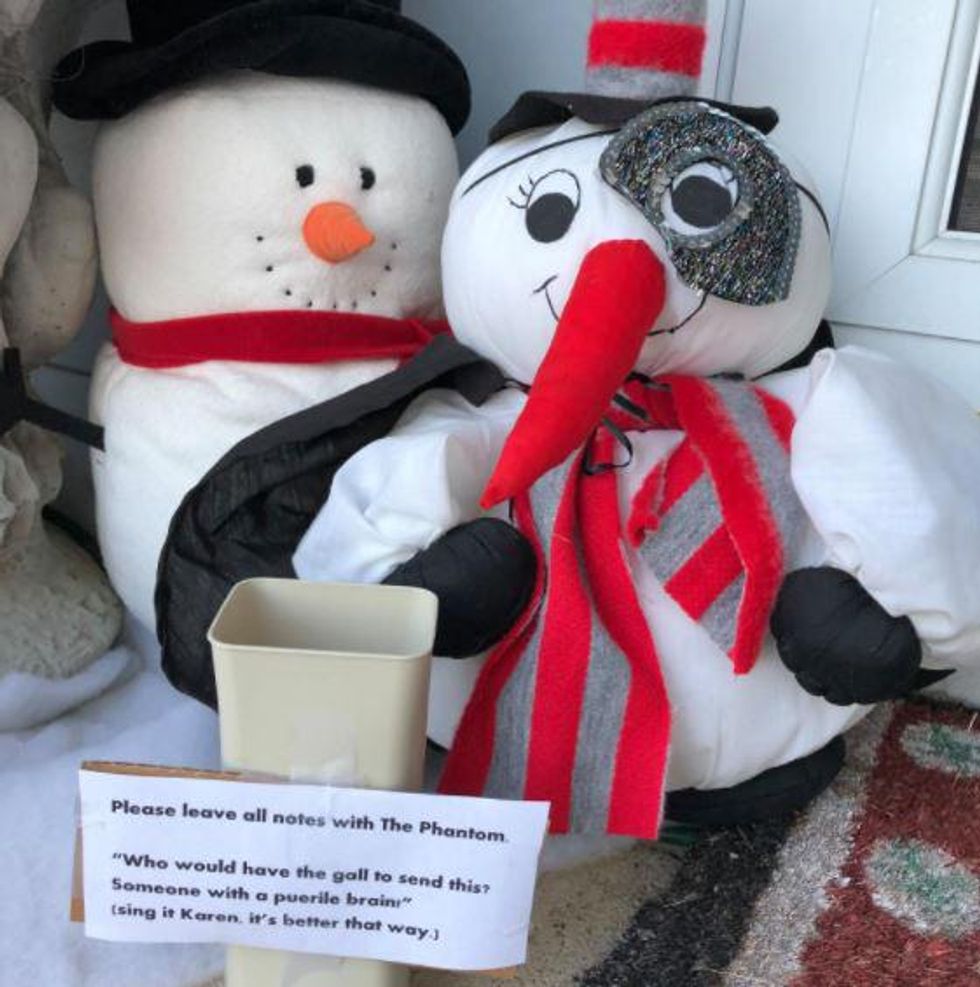
“With all these notes I’ve been getting, it made me think about someone else who liked to write demanding notes—namely the Phantom of the Opera,” Our Hero wrote. “I guess that makes me Monsieur Firmin now.”

via Frank the Christmas Gargoyle / Facebook
The neighbor’s next announcement was that they had reported Our Hero to the homeowners association. But much like Kevin McCallister in “Home Alone,” she wouldn’t back down. “You guys give up? Or are you thirsty for more?”

Nothing says Christmas 2020 quite like a plague doctor and rats.

Then, the neighbor got seriously angry and knocked over some of the Christmas scene.

“WHOA!! I go away for three hours and there was a melee!” Our Hero wrote. “Looks like we struck a nerve today. Karen’s note today indicated that she is most unappreciative ‘that I would choose to put VERMIN on my porch.’ My display is ‘horrid,’ and my parents ‘must be so proud to have raised such a completely disrespectful and spiteful daughter.’ Well Karen, my parents are no longer with us, but I’m absolutely positive they would be proud and loving this whole thing. Where do you think I got my sense of humor and charm from? Plus, my mom taught to never back down from a bully.”

Next, in a completely tasteful move, Our Hero added some Pink Flamingos to the scene. John Waters would be proud.

We’ve got ten more days until Christmas and this story is far from over. Who knows what will happen next? Will the neighbors get into fisticuffs on Christmas Eve after too much eggnog? Will the city step in and take down the festive Christmas scene? Or will the neighbors bury that hatchet in a display of Christmas spirit?

Follow Frank the Christmas Gargoyle on Facebook to see how it ends.

P.S. Our Hero took a moment to write a serious note to thank everyone for following her story.

“The holiday season can be a tough time for a lot of us, myself included, and this year has been particularly COVID craptastic, so knowing that my silly shenanigans with my nosey neighbor has brought even a small chuckle to so many people really warms my heart. I mean, I crack myself up daily, but knowing people all over the dang world are cracking up with me is pretty freaking cool.

She then thank those who are working to keep us all healthy during these tough times,” she wrote.

“I wanted to give a special shout out to all the nurses, docs, EMTs, PAs, RTs, and all you other frontline badasses for all of your comments. It’s so cool to know this silly page can provide even a moment of relief from all the stress you guys are under right now. You guys are the true heroes of 2020! Frank and friends salute you!” she continued. “Everyone stay safe and remember—Hippos are Christmas AF!!”

Categories
News Trending Viral Worldwide

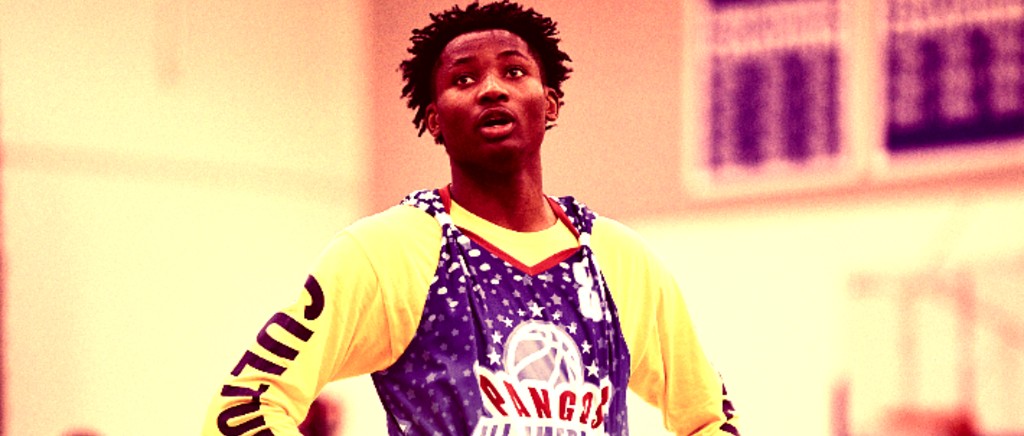
Jonathan Kuminga’s NBA Quest Has Led Him To The G League Ignite To Test His Skills Against Grown Men

The posters were everywhere, scattered around every local establishment in Jonathan Kuminga’s native country, the Democratic Republic of Congo. Every worldwide NBA superstar was featured: Kobe, Shaq, LeBron, Jordan. All of them.

These were the bridges linking Kuminga to his childhood dream of basketball stardom. Growing up, Kuminga did not watch the NBA. His first glimpse of the league — predominantly long highlight reels of Kobe Bryant — came a year before he moved to the United States as a 13-year-old in 2015 to attend high school at Huntington Prep in Huntington, West Virginia.

The heartache of leaving his parents and family behind was overshadowed by the pursuit of an NBA aspiration. He says it was not a “hard challenge” because he was accustomed to the experience, traveling for days at a time when he was 11 or 12, playing in various basketball tournaments.

“I’m going out there for them,” Kuminga says he told himself back then. “Like, if I go out there, I gotta do better. And I got to help everybody. … I gotta forget everything back home. Let me just focus on what’s now.”

Kuminga’s devotion and chase of an NBA vision will soon be fulfilled. He is one of the heralded young talents on the G League Ignite Team, which also includes Jalen Green and Daishen Nix, fellow projected lottery picks of the 2021 NBA Draft.

Months ago, however, Kuminga was not part of the 2021 Draft conversation. He was a junior at The Patrick School in Hillside, New Jersey, and the top-ranked player in his class, fielding offers from legendary college programs like Duke and Kentucky. Reclassifying entered his thought process the year prior, as a sophomore, when he played at the Nike EYBL Peach Jam, a popular and high-end AAU circuit. On his team were four-star recruits like Jalen Lecque (now with the Oklahoma City Thunder) and Kofi Cockburn (University of Illinois), both of whom are two-plus years older than him, an age gap that extended to his competition as well.

“I was playing against people that was older than me, I felt like I was kind of better, compared to them, as long as I got in the gym, keep working every day,” Kuminga says. “In my junior year, I was like, ‘high school basketball game: boring.’ So I felt like I was bigger than everybody, stronger, faster, and just good, again, compared to anybody, so it made me just wanna get out of high school.”

To accelerate that process, Kuminga took online classes and graduated this past June. As he navigated the decision to reclassify and where to spend his tune-up year, an array of voices touted the benefits of the G League route. Amid the layoff from games, Kuminga trained in Miami with Isaiah Todd, another member of the G League Ignite squad and someone who he’s long considered to be kin. Todd repeatedly stressed how a season as a professional would prime him for the next level. Kuminga trusted the words of his unofficial brother, mulling over the opportunity and discussing it with his family.

But, Todd’s input alone did not sway him, so he solicited the advice of current and former NBA players whom he was also training with in Miami. Among them were James Harden, Bam Adebayo, Tyler Herro and Michael Beasley, the last of whom’s words were particularly salient.

“[He] told me not just to go to college because, like, if you go to college, and the G League is offering you to come out there, it’s way better to go out there to the G League because [college doesn’t] teach you how to become a professional and that’s what you need,” Kuminga says.

During the months succeeding his final high school game, Kuminga lasered in on addressing three areas of his skill-set: ball-handling, shooting, and defense. He says better understanding how to function as an off-ball cog is also part of his curriculum for improvement. As he progresses on his basketball journey, he will not always control the action. Learning how to play off screens, manipulate defenses with footwork, and threaten opponents from deep is critical. The G League environment challenges him in a way he does not believe college would. He is tested by “grown men,” as he says, and must adapt to a system that is not wired entirely for him, with guys like Green and Nix also deserving of gaudy offensive usage.

Half a year from now, the NBA will be his home. Grown men will not be the exception in his new ecosystem, they will be the threshold. Joining the G League Ignite team illuminated the reality of attaining his NBA hopes. Inking that first NBA contract with his signature bestows him the financial resources to express tangible gratitude toward his family and home country for their steadfast support. Building better gyms, sending kids sneakers, clothes and basketballs, and expanding the state and prevalence of sports facilities are specific priorities. Assisting marginalized groups is on the list, too.

The word “everything,” after long, drawn-out pauses, comes up consistently in this discussion, conveying the sense that many thoughts are swirling within Kuminga’s mind. Explaining the manner in which he will precisely give back to his community is difficult because his brain is constantly stretching the limit of possibilities, perhaps, even, convincing himself there are no limits once he reaches financial security.

The Democratic Republic of Congo carries mighty importance in his heart. He wants his people to have everything they need available to them, both athletically and in life. Their encouragement and pride radiates from overseas and fuels him to accomplish his goals, goals that Kuminga knows can improve everyone’s circumstance.

“I really appreciate everything they’re doing for me. I mean, this bringing love about me in Africa and the world. I just want them to keep doing what they’re doing. And I really want to say that I love them,” he says. “I feel like I’m making everybody proud, starting to family and my country, my people back home. Everybody that knows who I am or just anybody, I feel like I’m just making them proud. And I’m just going to keep doing the same thing every day. They encourage me, like, any time I see my people, any time, I see where I’ve jumped from.”

Eventually, Kuminga could be the NBA star on those posters, inspiring some other kid gazing at them, broadening basketball ambitions in his locale. It’s the place he “jumped from,” one he will always honor and is determined to ensure will soon experience the ripple effects of his ascension.

Categories
News Trending Viral Worldwide

Dory Is Missing In The Teaser For HBO Max’s ‘Search Party’ Season 4

After two seasons on TBS, Search Party moved to HBO Max for season three and didn’t miss a beat. The 10 episodes, which focused on “the trial of the century,” were funny, thrilling, and an excellent choice if you’re looking to binge-watch something in one day.

Season 4 begins where Season 3 ended, with Dory (played by Alia Shawkat) having been kidnapped by her stalker “who is determined to make Dory believe that they are best friends,” according to the official plot synopsis. Meanwhile, Portia (Meredith Hagner, who deserves an Emmy for her performance), “is starring in a film about the trial, although not as herself; Elliott (John Early) has switched party lines to become a far-right conservative talk show host; and Drew (John Reynolds) is trying to escape his dark past by working as a costumed cast member in a theme park.” I’m especially excited for the Elliott plot, with SNL‘s Chloe Fineman as his Tomi Lahren-esque co-host.

Here’s more:

As the friends begin to connect the dots that Dory might not be touring Europe as her faked social media suggests, they must decide whether to put their traumatic pasts behind them and once again become a search party – but this time, for Dory. Joining the show’s stellar guest stars this season are Susan Sarandon, Busy Philipps, Ann Dowd, Griffin Dunne, and Lillias White, as well as R.L. Stine in a cameo role.

Search Party premieres on Thursday, January 14, with three episodes, followed by three more episodes on January 21 and the final four on January 28.

Categories
News Trending Viral Worldwide

What’s On Tonight: ‘Song Exploder’ Returns With Dua Lipa And Nine Inch Nails

Song Exploder: Volume 2 (Netflix) — Following Volume 1’s popularity (with a line-up including Alicia Keys, Lin-Manuel Miranda, R.E.M., and Ty Dolla $ign), more of the world’s greatest musicians arrive to divulge secrets about how they created one of their tunes. This round features Dua Lipa (whose Future Nostalgia made our Top Albums of 2020 list), Nine Inch Nails, The Killers, and Natalia Lafourcade. They’re all sharing insight into their inspirations while breaking down the layers of their highlighted songs.

Swamp Thing (CW, 8:00pm EST) — Jason’s experiments on Swamp Thing lead to a shocking discovery (tubers?), while Abby and Liz grow closer to a huge discovery.

Tell Me A Story (CW, 9:00pm EST) — Two broken-hearted romantics find peace together while another pair reunites, and Ashley really wants to get back onstage.

Big Sky (CW, 10:00pm EST) — The Ryan Phillippe-starring series continues with Jenny and Cassie moving in on the location of the missing girls, but are they really as close as they hope?

The Late Show With Stephen Colbert — Whoopi Goldberg, Father James Martin

Jimmy Kimmel Live — Carey Mulligan, Alanis Morissette

The Tonight Show With Jimmy Fallon — Kristen Wiig, Graham Norton, Jack Harlow

The Late Late Show With James Corden — Keegan-Michael Key, Roddy Rich

In case you missed these recent highlights:

The Mandalorian: Chapter 11 (Disney+ series) — The bounty-hunting Star Wars series does something that it’s never done until now: give Baby Yoda a break. Don’t worry, the little guy will be back in action soon, but people still have mixed feelings.

High School Musical: The Musical: The Holiday Special (Disney+) — Based upon High School Musical: The Musical: The Series, this special features all-new musical numbers for Christmas, Hanukkah, and New Year’s Eve/Day. Stick around for a sneak peek at Season 2.

Ava (Netflix film) — Jessica Chastain stars in this spy action-thriller, along with Colin Farrell, who plays her character’s handler. Chastian is a globe-trotting assassin who is somehow attempting to reunite with estranged relatives, and everything gets to be a bit too much. Oh, and John Malkovich is along for the ride.

Small Axe (Amazon film collection) — It’s week four of five for this batch of Steve McQueen-directed movies. The stories, set in London’s West Indian community, will explore the endurance of the human spirit despite setbacks from discrimination and rampant racism, all set from the late 1960s to the 1980s.

Categories
News Trending Viral Worldwide

Keyontae Johnson Is In Stable Condition And Breathing On His Own After Collapsing During A Game Saturday

There was a scary moment during the Florida-Florida State rivalry game over the weekend in Tallahassee, as Gators star Keyontae Johnson collapsed onto the court during a timeout as he was walking toward the sideline with teammates. Johnson was carried off the court by stretcher and taken to a local hospital, but was later transported to a facility in Gainesville, where he was briefly put in a medically-induced coma, according to his grandfather, Larry DeJarnett.

On Monday, the team announced that Johnson was in critical-but-stable condition, able to follow simple commands, and was set to undergo further tests to attempt to isolate the cause of his episode. Earlier reports suggested that Johnson was among multiple Gators players who tested positive for COVID-19 earlier this year, but it’s unclear if there is a connection.

Now, it appears his condition has improved, according to the latest team release with a statement from his parents, as he is reportedly able to speak and breathe on his own:

It remains unclear exactly what caused Johnson’s collapse, or what the long-term health implications might be, but Johnson appears to be showing good progress, which is a relief for friends, family, fans, and teammates who were left reeling after the frightening incident last weekend.

Categories
News Trending Viral Worldwide

Fiona Apple’s ‘Fetch The Bolt Cutters’ And The Myth Of Hyper-Independence

This essay is running as part of the 2020 Uproxx Music Critics Poll.


“I don’t know if I’m coming across, but I’m really trying.”
— Fiona Apple, “Ladies”

The rise of Instagram therapists has made it easier than ever for psychotherapy tidbits to be passed around like gossip. This year, therapeutic shorthand offered the chance to combat the misery in our own heads while experiencing the terrifying impact of a full-blown pandemic. But recently, one directive stuck in my brain much longer than usual. Hyper-independence, the post explained, is another sign of trauma, noting that keeping others out and refusing to rely on anyone but yourself is a learned response to past disappointment and abandonment. Furthermore, it’s a maladaptive coping strategy that just doesn’t work long-term. We all need help. We need each other — it’s only human. Or, as Fiona might put it: Ladies, ladies, ladies, ladies.

Hyper-independence was on my mind when rewatching Fiona Apple’s infamous VMAs speech from 1997, the one where she proclaimed the world was “bullsh*t” and urged anyone listening to “go with yourself.” I’ve been someone who prided myself on not needing other people for so long I never even realized it was a choice, I’ve always been dead set on making it on my own, going with myself, even if it meant against the grain. But, if there’s anything that Apple’s own delirious, insightful 2020 comeback album Fetch The Bolt Cutters argues for, it’s the power of other people, and how connected we are at our core. There’s a reason this album was lauded as the No. 1 album of the year in our annual critics poll, during one of the most divisive year’s in recent memory, Fiona’s brilliant prison break is something we could all agree on.

Even so, Fetch The Bolt Cutters, as an album title, offers an uneasy greeting. The down-gazing, close-up shot of Apple’s face gracing the cover, and her wide-eyed expression, vaguely suggests unhinged behavior. Right off the bat, Fiona turns the trope of mad woman on its head; instead of writing a song about it, she literally, physically portrays it, then, grinningly, offers her wisest most level-headed album ever. And before going further, yes, I know comeback is a ridiculous word in the case of someone like Fiona, who has long been an iconic figure as a songwriter and performer. But what she’s done on this album, in a literal sense, is come back, letting us back into her world, and returning to ours. More true to herself than ever before, this time, the other characters in Fiona’s story are part of what helps her explain who she’s always been and what she’s cutting herself out from.

The record’s centerpiece, “Shameika,” is an obvious standout so immediate that the real Shameika made her own song off the strength of this lyrical portrait. Most of the memories Fiona sings about from her adolescence, or even early on in her career, focus on the bullying and the negative feedback she got. Which is totally normal, it’s all too common for our brains to zero in on the negative and magnify it, an evolutionary survival mechanism that helps us avoid repeating dangerous or painful situations. Mentally, though, drowning out the positive voices can be equally damning. Here, Fiona remembers a tossed-off comment from an acquaintance that was powerful enough to anchor her, decades later, during the task of writing an all-time great album.

Friends, acquaintances, ex-lovers, and enemies have long shown up in Fiona’ lyrics, but they show up in a different way on Bolt Cutters. An ex’s ex-wife leaves her a dress and a gentle note in a closet, a strange kindness embedded in a strange kinship (“Ladies”). On the title track, she interrogates her own disingenuous overtures in friendship, and later flames a spineless, social-climbing friend on “Under The Table,” refusing to silence herself for another’s comfort, this time. “I wonder what lies he’s telling about me to make sure that we’ll never be friends,” she muses on “Newspaper,” refusing to vilify the next victim to fall under her former abuser’s power, achieving the difficult work of limiting blame to the correct source.

On that subject, Apple’s breakout record, Tidal, rather infamously dealt with the horrifying subject of her sexual assault at a very young age, and subsequent entries into her file have repeatedly been marred by the fingerprints of overbearing men, either quite literally (see: Jon Brion, circa 2003) or figuratively, as plenty of male music critics, in particular, read weakness into her vulnerable lyrics, unable to comprehend their steely strength. In fact, it’s impossible to tell if the reception to Apple’s latest work is due to increased (or feigned) emotional intelligence across the entire industry as a whole, or to the specific voices of a new generation of female critics who have championed Apple’s genius with such precision that even the thickest dolt has no recourse but to bolt cut old dismissals.

The tides began to turn in the early 2010s, and yes, plenty of Good Men can back-pat themselves for praising her all along, but specters of the worst offenders — complete with photos by Terry Richardson (!) — still linger. It’s hard not to think about the damage inflicted on Apple by the sexist dismissals and overt sexualization, and where she would’ve been by now if she’d never had to ingest that misogynistic poison. These subjects come up during this song cycle, depression and anxiety expertly rendered on “Heavy Balloon” as communal issues, not confined to Apple’s singular experience. “People like us we play with a heavy balloon,” she sings, aware, now, of those who have gone only with themselves for far too long, fearful others won’t be able to carry the weight.

Later, “I spread like strawberries, I climb like peas and beans” is a line delivered with such force that it doesn’t read as monologue, but mantra, readily available to anyone wishing to celebrate their own long-standing resilience. And, as any good gardener will tell you, for all three of those plants, their infamous capacity growth is owed to one thing — strength in numbers. Perhaps the quickest way to break out of a self-made prison is to let someone else come in and help dismantle it. Who knows what potential exists on the other side of those bars.

Categories
News Trending Viral Worldwide

The Year Without Concerts And How It Changed Music Discovery

This essay appears as part of the 2020 Uproxx Music Critics Poll.

In November 2019, my husband and I hopped in the car and drove two hours to meet friends at a Sleater-Kinney show in Columbus, Ohio. As usual, we made sure to get there to the venue early, in part to get a good spot, but also to catch the opening act, a local quartet named Snarls. I was excited to see the band that night, since the few songs I heard on Bandcamp sounded like my musical Kryptonite: dreamy, melancholy indie-rock with a distinctly ’90s vibe.

As it turns out, Snarls’ set lived up to expectations, with well-crafted songs that called to mind Veruca Salt and Letters To Cleo, and a bold, lively stage presence that was fizzy and infectious. That the band clearly had supporters in the audience who were stoked for their friends made the show even more charming.

Snarls was far from my only revelatory opening band experience: I’ve fallen for a then-unknown Strokes when they opened for Doves, saw Margo Price play to a nearly-empty club in Cleveland, and flipped for the B-52s vibes of a Canadian indie-punk band called Teenanger. Seeing these acts live made me seek out their records. With Snarls, it was no different: I bought their stellar debut album, Burst, upon its March release — the heartfelt, heart-on-sleeve LP became one of my 2020 favorites — and made plans to see them in May at a venue minutes away from my house.

That show didn’t happen, of course. Neither did any of the other concerts for which I had tickets — Bikini Kill, Harry Styles, My Chemical Romance, The Rolling Stones, Wussy — or any tours after March or so, when the pandemic made large in-person gatherings untenable. As we close in on ten months with no large-scale shows, the unexpected live moments that rearrange brains feel like faraway memories: the tangy, sharp jolt of a guitar riff cutting through a venue; a shuddering beat drop reverberating through a festival crowd; the pulse-quickening energy emanating from a talented rapper dominating the stage; a vocalist nailing that impossible high note and being rewarded with rapturous applause.

What’s been lost without the live music industry is immense and irreplaceable: livelihoods, jobs, family, security, revenue, happiness, community. That touring shut down suddenly was a jarring shock; that there’s no hard-and-fast date for concerts to return is even more devastating, as there’s no telling when relief might even be in sight. With music venues across the country announcing their permanent closures — one at a time, like a time-lapse film of a crumbling building — the concert landscape in 2021 and beyond is a big question mark.

Extrapolating the exact long-term impact on music is difficult (and, frankly, quite painful) to ponder. But in the shorter term, 2020’s lack of concerts and in-person socializing introduced a fundamental shift in music discovery. The chance of popping into a venue on a random night and seeing a mind-blowing musician, hearing a life-changing song in the wild on a between-band mix or store overhead, or running into a friend who might gush about a great new album — all evaporated. In fact, until these opportunities dissipated, it was perhaps easy to overlook how much of music discovery is intertwined with happenstance — overhearing a song, seeing a friend RSVP for a Facebook event and clicking over, taking a chance on seeing a new band live, stumbling onto a new single playing in the background at a restaurant.

The end result is that music discovery in 2020 felt less spontaneous and more like a deliberate and proactive process: reading reviews and interviews, seeking out recommendations from trusted friends and curators, idly scrolling on TikTok and Instagram. The last method is a surprisingly good way to find interesting tunes: Through music shared by pals via Stories, I came upon the wintry folk of Jorge Elbrecht and ’80s synthwave throwbacks Nation Of Language, among other bands. It’s no accident that these recommendations came from friends. Streaming platforms make billions of songs accessible just a click away, of course, but logging on to find an album to suit a mood often goes hand in hand with choice paralysis.

In fact, music discovery rooted in community and communal experiences felt more vital than ever in 2020, in the absence of the multisensory experience of being in a crowd of people watching a show. Late-night Twitter banter about Taylor Swift’s surprise albums, Folklore and Evermore, felt rejuvenating, a fun exercise when everyone’s doing something (for once) synchronously. The resurgence of Fleetwood Mac’s “Dreams” via a lighthearted meme was another pure joy; the song hit differently (as Mick Fleetwood quipped) through a modern context.

And swapping recommendations and favorites before Bandcamp Fridays, which gave proceeds of purchases to artists, became a much-anticipated monthly ritual; well-curated lists led me to musical omnivores Radicule and Oui Ennui, both of whom create genre-defying sound sculptors; the visceral punk and rock of Chicago’s Ganser; and the London producer/DJ A.G, whose music makes me feel like I’m in a dance club. Virtual events and digital compilations to benefit mutual aid projects, political causes, nonprofits, and music industry employees also doubled as examples of the ways communities can take care of each other. These comps often gave platforms to newer acts; a favorite find was world’s greatest dad, who provided an achingly lovely (and ’90s rock) take on the Boy Meets World theme on TV Tunes: A Retrospective Of TV Theme Songs, a benefit for First Nations Development Institute.

Live music didn’t disappear completely, of course, as festival-length live streams and one-off events proliferated by the year’s end. These events, however, felt like better conduits for music rediscovery. A private Zoom concert with the Canadian Americana artist Kathleen Edwards and a small group of fellow fans amplified the intimacy and vulnerability of her new album, Total Freedom, while Hayley Williams’ recent NPR Tiny Desk, recorded with Julien Baker and Becca Mancari, provided entirely new insights into the grooves and textures of the Paramore vocalist’s solo debut, Petals For Armor. And low-key Facebook-hosted streams from Buffalo Tom’s Bill Janovitz and Toad The Wet Sprocket’s Glen Phillips, and regular StageIt shows from Grant-Lee Phillips, cemented why their songs still mean something to me.

And the importance of music rediscovery, and the way long-time favorites can provide solace and inspiration, can’t be overstated: The pandemic often made it difficult to connect with new sounds in 2020, as the chaos, anger, and anxiety of everyday life made focus difficult. Relying on music from happier times was perfectly understandable. One of my favorite records of 2020 was Soccer Mommy’s Color Theory, a record I first heard a taste on a balmy summer 2019 night, sipping a cold beer when the band played on the plaza at the Rock & Roll Hall of Fame. Every time I listen to Color Theory, I flash back to that night, accessing the tranquil vibes from my memory band and grafting these fond associations to the present day. It’s a reminder that what’s going on now won’t be forever — and that our fraught 2020 will one day be in the rearview mirror.

Some artists covered here are Warner Music artists. Uproxx is an independent subsidiary of Warner Music Group.

Categories
News Trending Viral Worldwide

Lil Baby Is The People’s Champ

This essay appears as part of the 2020 Uproxx Music Critics Poll.

Set aside the obvious misogyny fueling much of the protest in support of Lil Baby after he failed to bring home any major awards at shows like the Billboard Music Awards and the AMAs. Those protestors did have a point: The establishment let the Atlanta rapper down in a huge way this year. After his sophomore album, My Turn, dominated the Billboard 200, his mid-year single “The Bigger Picture” peaked at No. 3 on the Hot 100, and the rapper himself was featured on seemingly every hip-hop album released between February and November of 2020, you would think he’d at least warrant a Best Rap Album nod at the upcoming 2021 Grammys.

But no — instead, Lil Baby was “snubbed” at every opportunity, losing awards in Best New Artist at the AMAs to Doja Cat and Album Of The Year at the BET Hip-Hop Awards to Megan Thee Stallion. While the fans who took to Twitter to rail against these offenses did give off a distinct air of disdain for the female competitors — no coincidence, as hip-hop has presented sexist double standards as the standard operating procedure for the better part of the last three decades — they did make some salient arguments. While Megan Thee Stallion’s “album” Suga was marketed and described as an EP — a not very well-received one, at that — Doja Cat’s been around since 2014 at least (although she and Lil Baby have arguably risen in parallel, as both truly broke out in 2018 with the releases of their respective debut albums). However, no matter what the awards shows and cultural gatekeepers may think, Lil Baby has proven to be the people’s champion, with the stats and public support to back his claim.

After dropping an album, a mixtape, and a collaborative mixtape with Gunna in 2018, Lil Baby hibernated for much of the next year, sporadically poking his head out of his recording studio burrow to contribute a feature verse here or a loose single there. He established his working chemistry with similarly-named North Carolina rapper DaBaby on “Baby” from the Quality Control compilation, Control The Streets, Vol. 2, continued it on DaBaby’s sophomore project Kirk, and dropped “Out The Mud” with Future that summer, offering fans the first inkling of what would become his star-making sophomore album eight months later.

The long lead offered a masterclass in rolling out one’s album. The “Out The Mud” marketing featured no mentions of an upcoming album, allowing Lil Baby to work in relative peace while still stoking fans’ hunger for another full-length. The first hint he gave that the album might be close to completion was November’s lead single “Woah,” which signaled that the album, now tentatively titled My Turn, was coming soon. Baby slowly accelerated the pace, releasing singles in shorter and shorter intervals until he finally unveiled the new project, which beat the utter breakdown of the music industry by a little under a month — and somehow outlasted the initial lockdown, a summer of civil unrest, and the seeming formation of a whole new status quo.

Not only was Lil Baby’s songwriting improvement apparent from the breakout of atypical topics (for him) on “Emotionally Scarred” and “The Bigger Picture,” but the latter song also became an unofficial protest anthem. In the process, Lil Baby became an accidental revolutionary despite shying away from the spotlight, which he’s even prone to do during his own performances. Meanwhile, Drake admitted that he wanted to put the younger rapper on his TikTok-dominating single “Toosie Slide,” Kanye West confessed that he wanted to collaborate as well, and everyone from rising stars to established vets reached out to secure a placement from him, even as he boasted that his asking price had reached six figures.

Here’s a short — and likely woefully incomplete — list of the artists whose projects Lil Baby popped up on this year: 42 Dugg, 6lack, Big Sean, Blac Youngsta, Blueface, City Girls, Davido, Fivio Foreign, Future, Gucci Mane, Gunna, Iann Dior, Jack Harlow, Moneybagg Yo, Lil Durk, Lil Keed, Lil Mosey, Lil Wayne, Lil Yachty, Mulatto, Nav, NLE Choppa, Polo G, Pop Smoke, Rich the Kid, RMR, Rod Wave, Tee Grizzley, and T.I. all put in the call and secured the feature in 2020. That’s not bad for a guy Young Thug says he once had to pay to take rap seriously.

In fact, that may be the only reason he may have been overlooked for some of the bigger honors. Lil Baby doesn’t quite seem like the guy who shows up to industry mixers to press flesh with the movers and shakers of the music biz. Nor has he fully embraced the expectations of fans. He spoke openly about avoiding politics after the success of “The Bigger Picture,” demurring on the opportunity to become a leader when he’s just getting a handle on being a coveted rap star. And while he’s had impressive commercial success, Doja Cat and Megan Thee Stallion, the two artists who bested him at recent awards shows, do have Hot 100 chart-toppers to their names — something Lil Baby has yet to accumulate even with all his newfound stardom.

However, maybe all that he has accomplished is enough for him. He’s certainly making money, which seems to be his primary motivation, and his fans are numerous and vocal. If Lil Baby had any interest in Grammys, he’d have put more effort into making the kind of music the Academy rap voters seem to value — see this year’s nominees D Smoke, Freddie Gibbs, Jay Electronica, Nas, and Royce Da 5’9, the very antithesis of the vibey, hypnotic trap music contemporary fans currently champion. While it’s clear that there might be a little intellectual (and decidedly anti-Southern) bias at play in this year’s nominees, Lil Baby has far surpassed each of them commercially and possibly even culturally. The streams, the tweets, and the records booming out of vehicles at top volume as they cruised through near-deserted streets don’t lie. Whatever the “industry” thinks, Lil Baby is the 2020 People’s Champion of hip-hop. Take that to the bank.